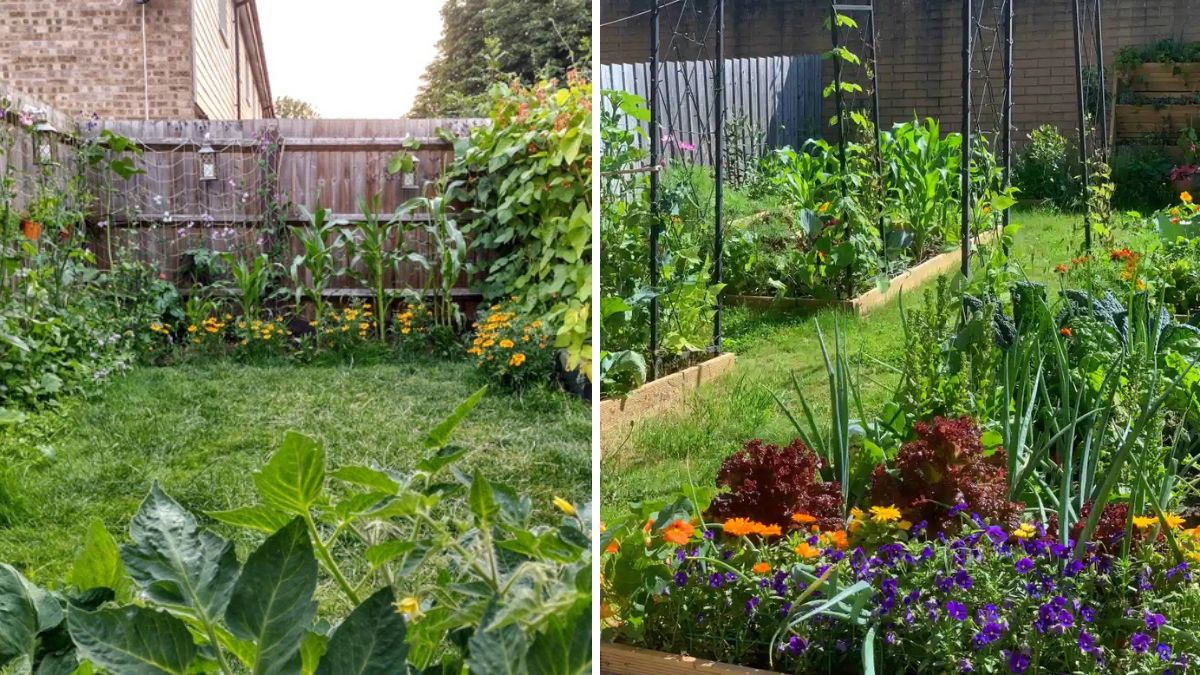
Imagine stepping into your balcony, terrace, or backyard and picking fresh, crunchy vegetables straight from your own garden. No chemicals. No preservatives. No long trips to the market. Just homegrown goodness — crisp, flavourful, and bursting with nutrients.
The dream of growing your own vegetables is no longer limited to large farms or huge gardens. With just a few pots, a sunny corner, and four simple steps, anyone can start a thriving home garden. Whether you’re a complete beginner or someone who only grows houseplants, this guide will help you turn your space into a mini vegetable paradise.
Let’s dive into the easiest and most practical way to start growing vegetables at home!
🥕 Step 1: Choose the Right Vegetables to Grow
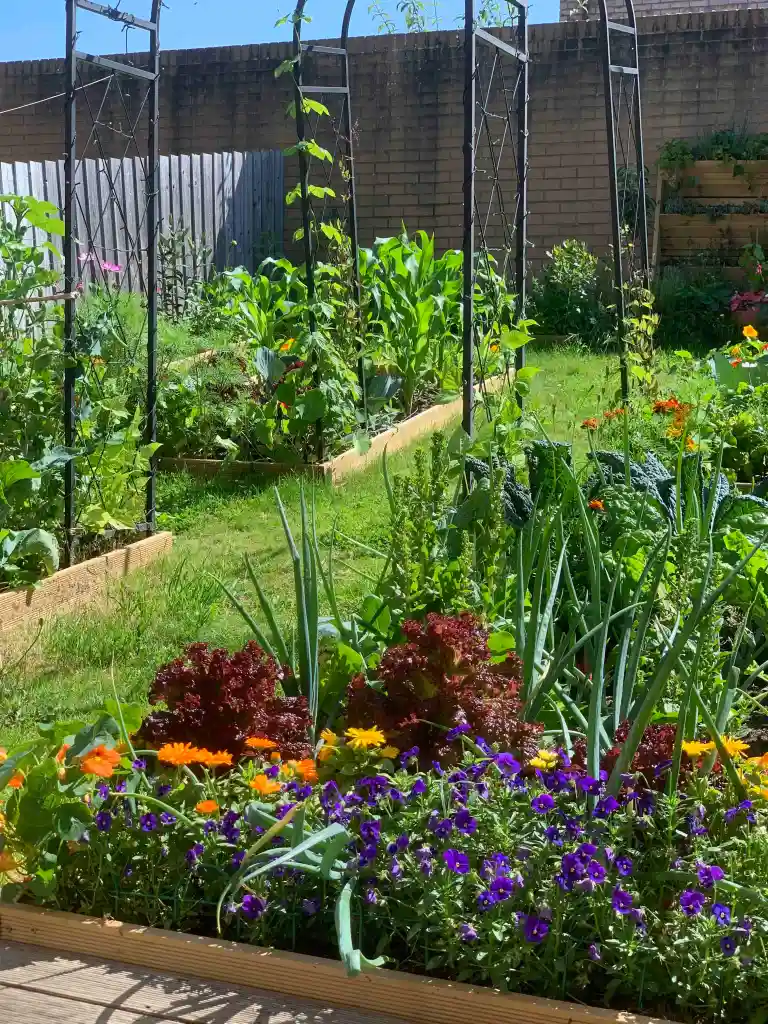
The secret to successful home gardening starts with selecting the right vegetables — especially if you’re a beginner. Choose plants that grow quickly, require minimal care, and thrive in containers.
🌱 Best Veggies for Beginners
Here are the easiest vegetables that almost never fail:
1. Tomatoes
- Fast-growing and super rewarding
- Great for pots and grow bags
- Loves sunlight
2. Chilies
- Hardy and low-maintenance
- Produces for many months
3. Spinach
- Quick harvest (20–30 days!)
- Perfect for small spaces
4. Mint
- Grows aggressively
- Great for teas and garnishing
5. Radish
- Very fast-growing
- Perfect for beginners
6. Okra (Lady’s Finger)
- Loves heat
- Minimal pest issues
7. Beans
- Climbers that grow rapidly
- Can be grown on a small trellis
8. Coriander
- Ready in 20–25 days
- Can be regrown multiple times
9. Lettuce
- Crisp, fresh, and ideal for salads
- Loves cool weather
10. Eggplant (Brinjal)
- A strong, easy-growing veggie for containers
Start with 3–5 vegetables, then expand as you gain confidence.
🪴 Step 2: Prepare Good Soil and Containers
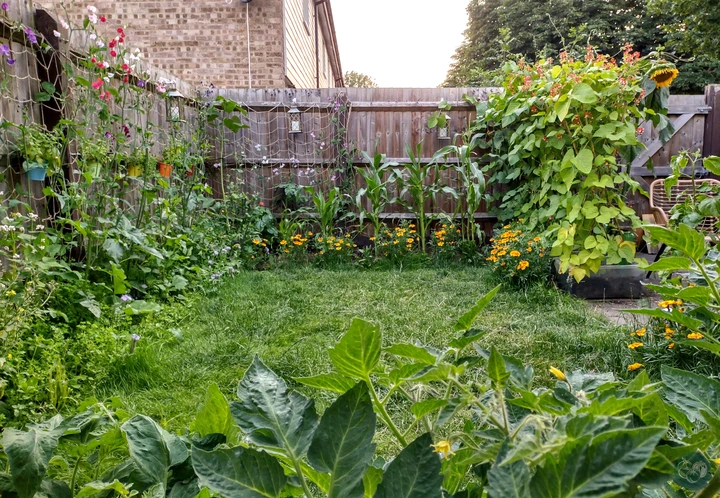
Your vegetables will only grow as good as the soil they’re planted in. Plants need light, aerated, nutrient-rich soil to thrive.
🌏 The Perfect Soil Mix for Home Gardening
Use this tried-and-tested mix:
- 40% garden soil (or premix soil)
- 40% compost (vermicompost, cow dung compost, or homemade compost)
- 20% cocopeat (keeps soil soft and moist)
Why This Works
- Compost provides nutrients
- Cocopeat retains moisture
- Soil gives structure
You can also add:
- A handful of neem cake powder (prevents pests)
- A handful of sand (improves drainage)
🪴 Choosing the Right Containers
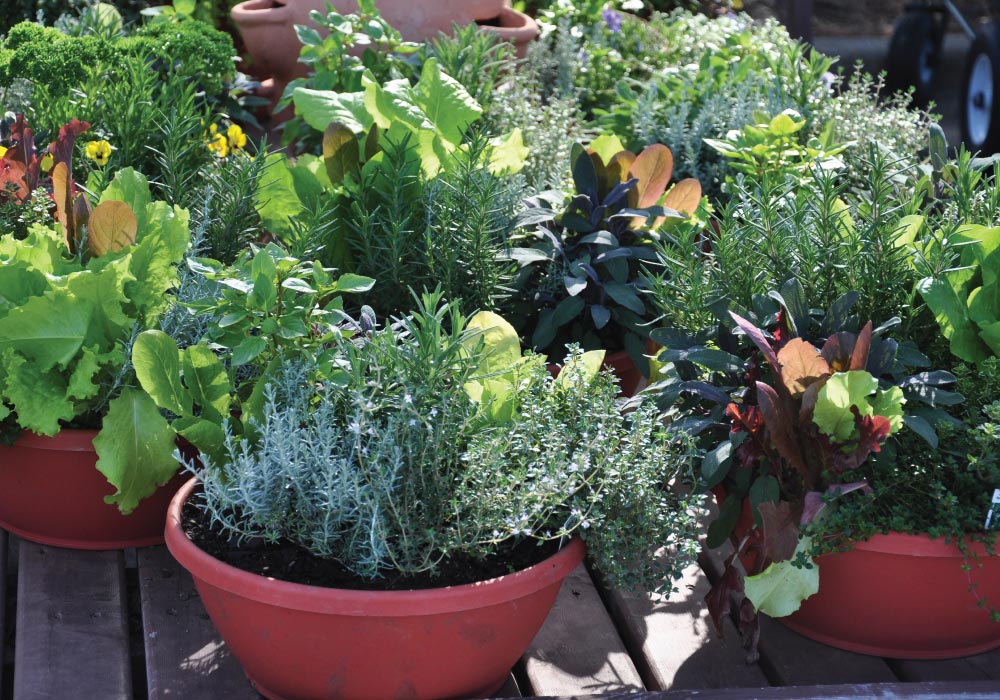
You don’t need fancy pots — anything that can hold soil works.
Best Options
- Plastic pots
- Grow bags
- Buckets
- Recycled containers
- Styrofoam vegetable boxes
- Cement or mud pots
Important Tip
Ensure proper drainage holes at the bottom. Vegetables hate waterlogged soil.
Container Size Guide
| Vegetable | Ideal Container Size |
|---|---|
| Tomatoes | 12–14 inch pot |
| Chilies | 10–12 inch |
| Spinach | Any shallow container |
| Beans | Medium pot + support |
| Eggplant | 14–16 inch pot |
| Okra | 12 inch grow bag |
Give roots enough space, and the plant will reward you with plenty of harvest.
🌞 Step 3: Plant, Water & Care Properly
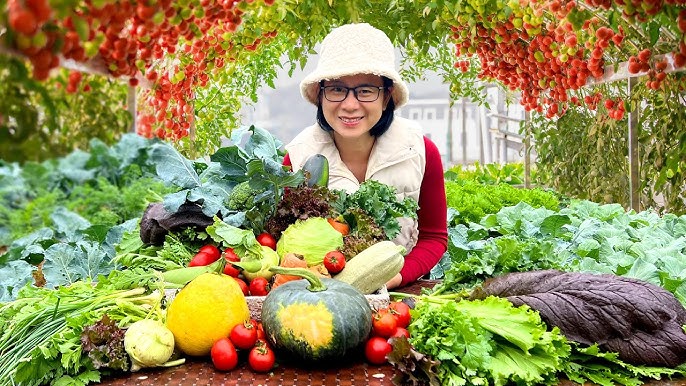
This step is where the magic begins!
🌱 A. Planting Seeds or Seedlings
You can start with either:
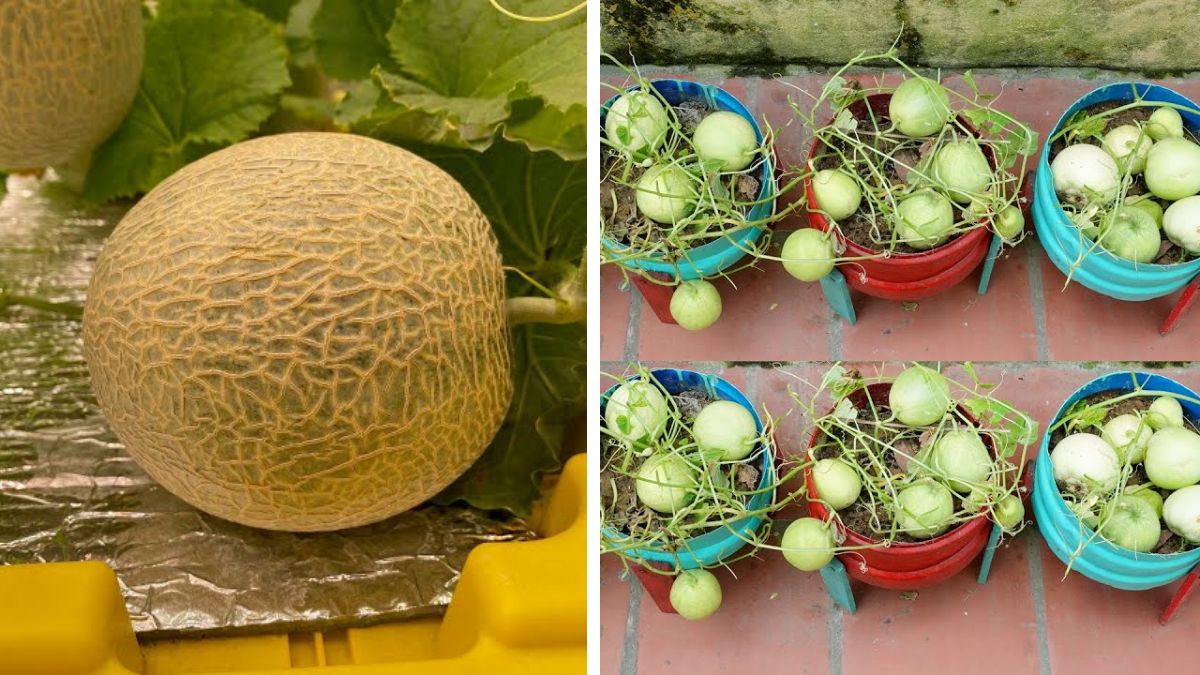
✔ Seeds
Cheap, easy to store, and widely available.
How to sow seeds:
- Make small holes or sprinkle seeds on top.
- Cover lightly with soil.
- Keep moist but not wet until germination.
✔ Seedlings
These are young plants you buy from nurseries — ideal for beginners.
Transplant them carefully without damaging roots.
💧 B. Watering the Right Way
Watering mistakes are the #1 reason plants fail.
Golden Rule: Water only when the topsoil feels dry.
How to Water Correctly
- Water deeply but less frequently
- Avoid splashing leaves (prevents diseases)
- Water early in the morning
Vegetables like tomatoes, chilies, eggplants, and okra prefer slightly dry soil between watering.
Leafy veggies like spinach and lettuce need consistently moist soil.
🌤 C. Sunlight Requirements
Sun is food for plants.
Most vegetables need:
✔ 5–6 hours of direct sunlight daily
✔ Leafy greens grow in even 3–4 hours
Place your plants in:
- Balcony
- Terrace
- Near windows
- Rooftop
- Open courtyard
If sunlight is low, choose shade-loving plants like:
- Mint
- Spinach
- Coriander
🌿 D. Fertilizing Your Plants
Plants need nutrients to produce vegetables, just like we need food.
Feed your plants every 15 days using:
- Vermicompost
- Banana peel fertilizer
- Compost tea
- Liquid seaweed
- Mustard cake liquid
This boosts flowering, fruiting, and overall health.
🐛 E. Protect Plants from Pests Naturally
Don’t worry — you don’t need chemicals.
Use natural sprays:
- Neem oil spray
- Garlic-onion spray
- Soap water (for whiteflies & aphids)
Check leaves weekly to catch early signs of pests.
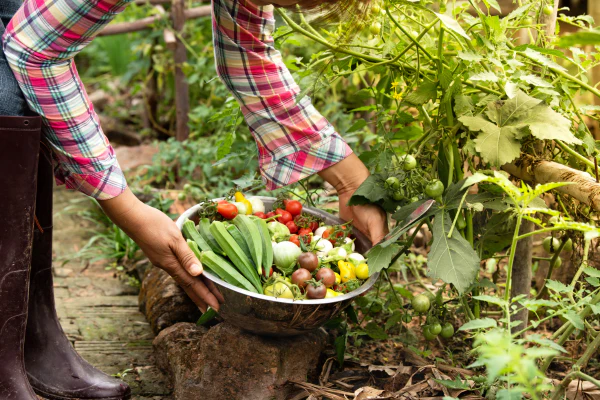
🍅 Step 4: Harvest and Enjoy Fresh, Organic Produce
The most exciting step!
Each vegetable has a different harvesting time.
Quickest to Harvest (20–30 days)
- Spinach
- Lettuce
- Coriander
- Spring onions
- Radish
Moderate (45–60 days)
- Tomatoes
- Beans
- Chilies
- Okra
Longer (70–90 days)
- Eggplant
- Gourd varieties
Tips for Smooth Harvesting
- Use clean scissors
- Harvest regularly to encourage new growth
- Don’t wait too long — vegetables taste best when tender
🍽 Why Home Gardening Is Life-Changing
Growing your own vegetables goes beyond just saving money. It transforms your lifestyle in beautiful ways:
🌿 You eat healthier
🌞 You spend more time outdoors
🌱 You reduce stress and feel happier
💚 You reduce waste and help the planet
🏡 Your home looks greener and more alive
🎉 You enjoy the satisfaction of growing your own food
Even a small garden can grow enough vegetables to support your kitchen needs.
💡 Bonus: Smart Tips for Beginners
Here are some expert tips to make your home garden thrive effortlessly:
✔ Start small — 3–5 vegetables are enough.
✔ Water slowly so the soil absorbs properly.
✔ Use kitchen waste (banana peels, tea leaves) for natural fertilizers.
✔ Rotate pots every few days for even sunlight.
✔ Remove yellow leaves to avoid disease spread.
✔ Don’t overwater — the most common mistake!
With a little care, your garden will flourish beautifully.
🌱 Final Thoughts: Your Mini Vegetable Paradise Awaits
You don’t need acres of land or years of gardening experience.
You don’t need expensive tools.
You don’t even need a big space.
All you need is a small corner, a little time each week, and these 4 simple steps:
- Choose the right vegetables
- Prepare good soil and containers
- Plant and care properly
- Harvest fresh veggies
Soon, your home will transform into a green, thriving, food-producing paradise — and you’ll enjoy the unbeatable taste of fresh, homegrown vegetables every single day.
Ready to start your gardening journey?
Your first seed can be the beginning of something beautiful. 🌿🌞🥕