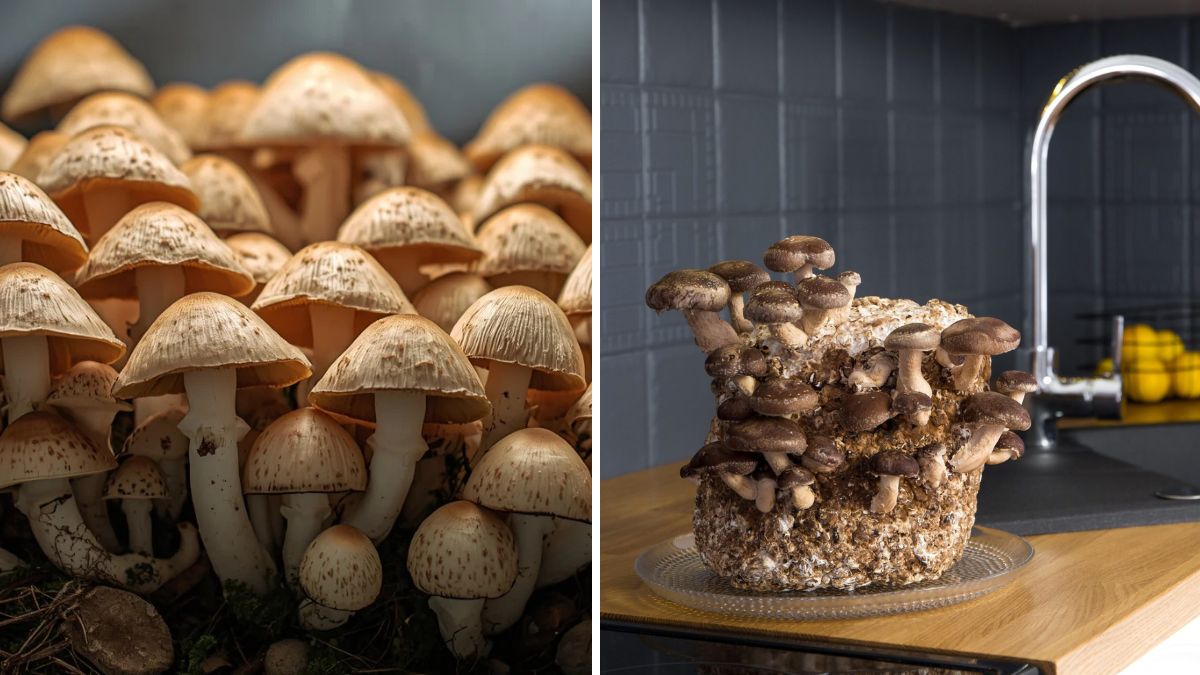
Mushrooms are one of the easiest, fastest, and most rewarding foods you can grow at home—even if you have very little space, no sunlight, or zero gardening experience. Unlike vegetables, mushrooms don’t need soil, they don’t need sunlight, and they don’t need a traditional garden. With just a small setup in a dark corner, you can harvest bowls of fresh, organic mushrooms within weeks.
Whether you want to grow oyster mushrooms, button mushrooms, shiitake, or medicinal varieties, the method remains surprisingly simple. In this complete guide, you’ll learn how to grow mushrooms at home step-by-step, the best varieties for beginners, common mistakes to avoid, and tips to get impressive yields.
Let’s unlock the secret to homegrown mushrooms!
Why Grow Mushrooms at Home?
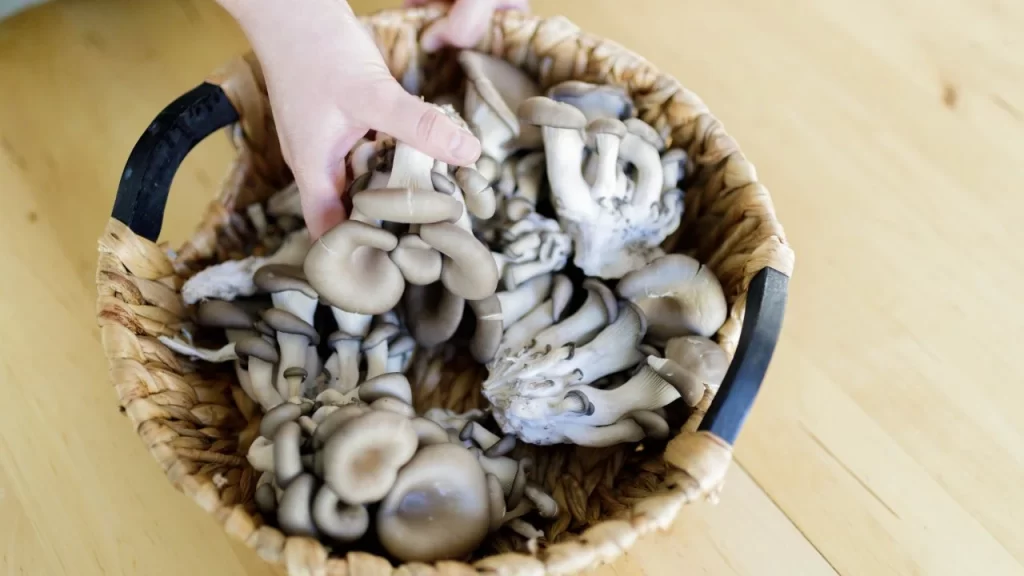
Growing mushrooms at home offers several benefits:
1. Extremely Fast Harvest
Most mushroom species start producing within 15–25 days after setup.
2. Needs Very Little Space
You can grow mushrooms in:
- a cupboard
- a shelf
- a basement
- under the stairs
- a dark corner of a room
3. No Sunlight Required
Mushrooms love darkness. That makes them perfect for indoor growing.
4. Highly Nutritious
Homegrown mushrooms are:
- rich in protein
- high in antioxidants
- full of vitamins B & D
- low-calorie and healthy
5. Completely Organic
You control the growing environment, so no chemicals, no preservatives.
6. Very Low Cost
Minimal investment, huge returns.
Best Mushrooms to Grow at Home (Beginner-Friendly)
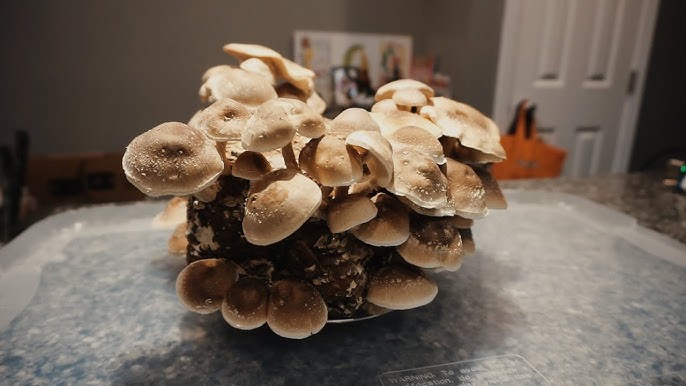
Not all mushrooms grow easily at home, but a few types are perfect for beginners.
1. Oyster Mushrooms (Most Recommended)
- Fastest growing
- Tolerates different climates
- High yield
- Very easy for beginners
2. Button Mushrooms
- Requires a little temperature control
- Mild flavor
- Very popular commercially
3. Shiitake Mushrooms
- Grows on logs or sawdust
- Rich, meaty flavor
- Slightly slower growing
4. Milky Mushrooms (Great for warm climates)
- Excellent for tropical countries
- Large, attractive mushrooms
For absolute beginners, oyster mushrooms are the easiest, most forgiving, and fastest to grow.
What You Need to Start Growing Mushrooms
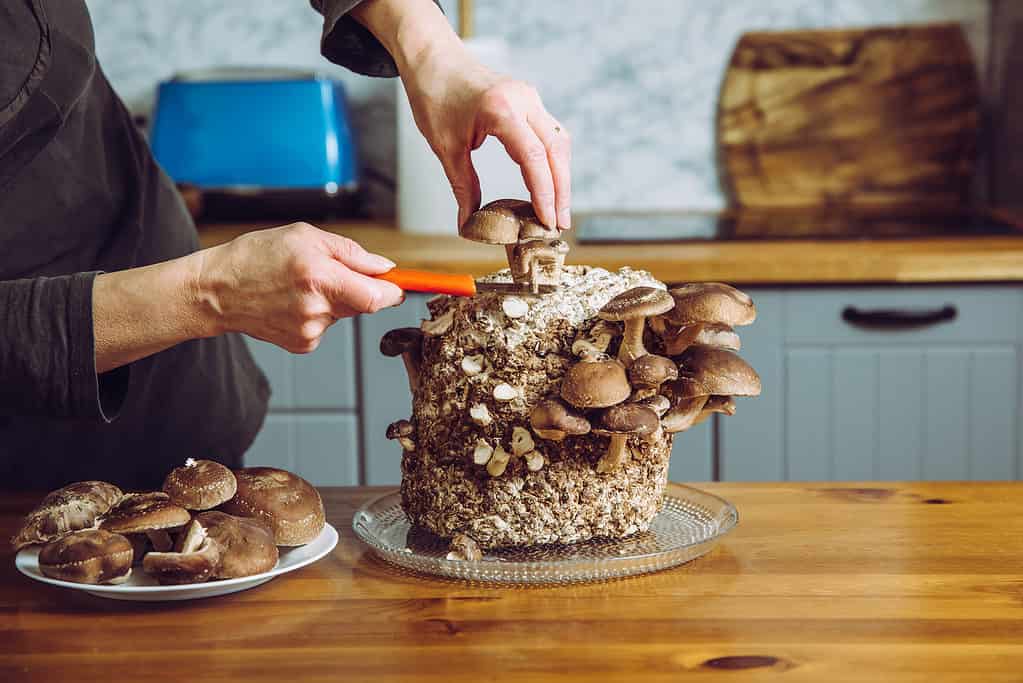
Growing mushrooms is more like cooking than gardening. You don’t need soil or fertilizers—just the right ingredients.
1. Mushroom Spawn
This is the “seed” of mushrooms, made from fungal mycelium grown on grains.
2. Substrate (Growing Medium)
Substrate is the material mushrooms grow on. Beginner-friendly substrates include:
- wheat straw
- paddy straw
- sugarcane bagasse
- sawdust
- used coffee grounds
3. A Clean Growing Area
Mushrooms prefer a humid, clean environment.
4. Water Spray Bottle
To maintain moisture.
5. Polythene Bags or Growing Containers
Used to pack the substrate and spawn.
Step-by-Step: How to Grow Mushrooms at Home
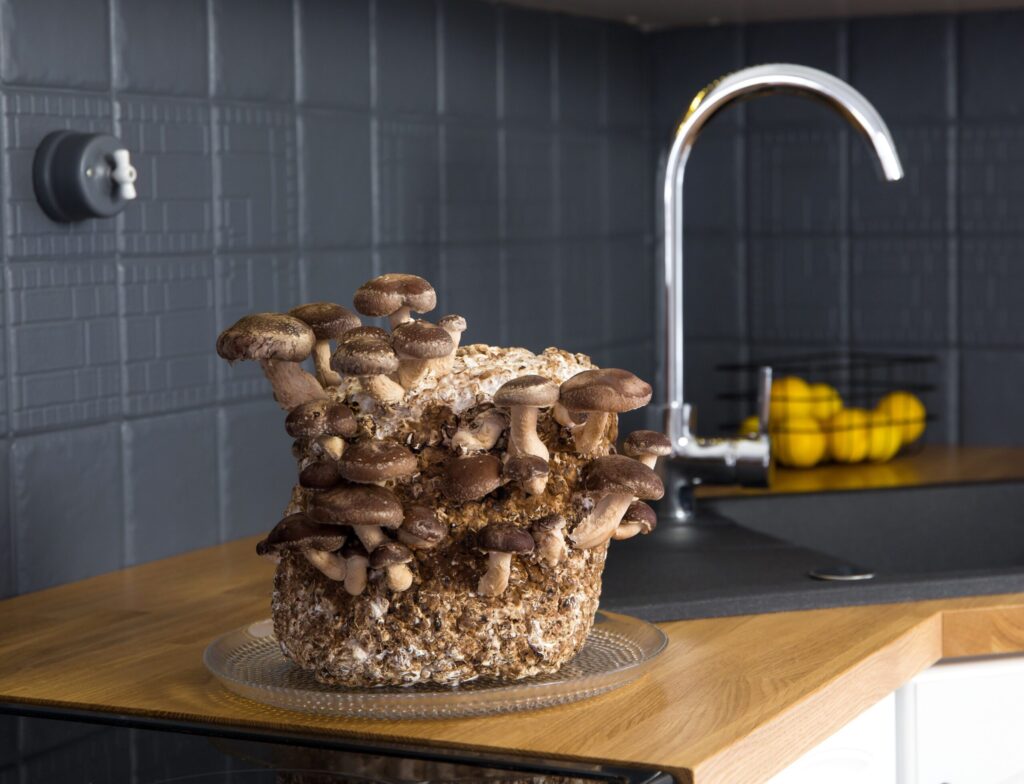
Here is the simplest and most effective method for beginners—using straw and oyster mushroom spawn.
Step 1: Prepare the Straw
Cut straw into small pieces (2–3 inches).
Boil or soak it in hot water for 30–45 minutes.
Why?
This kills bacteria, insects, and mold that could compete with mushrooms.
Drain the straw completely until it’s moist but not dripping wet.
Step 2: Preparing the Mushroom Bag
Take a clean polythene bag (1–5 kg size).
Layer the substrate and mushroom spawn like this:
- A thin layer of straw
- A sprinkle of mushroom spawn
- Repeat until the bag is full
Finish with a layer of straw on top.
Step 3: Creating Air Holes
Make small holes around the bag for air exchange. These holes will later be the points where mushrooms emerge.
Step 4: Incubation Stage (Spawn Running)
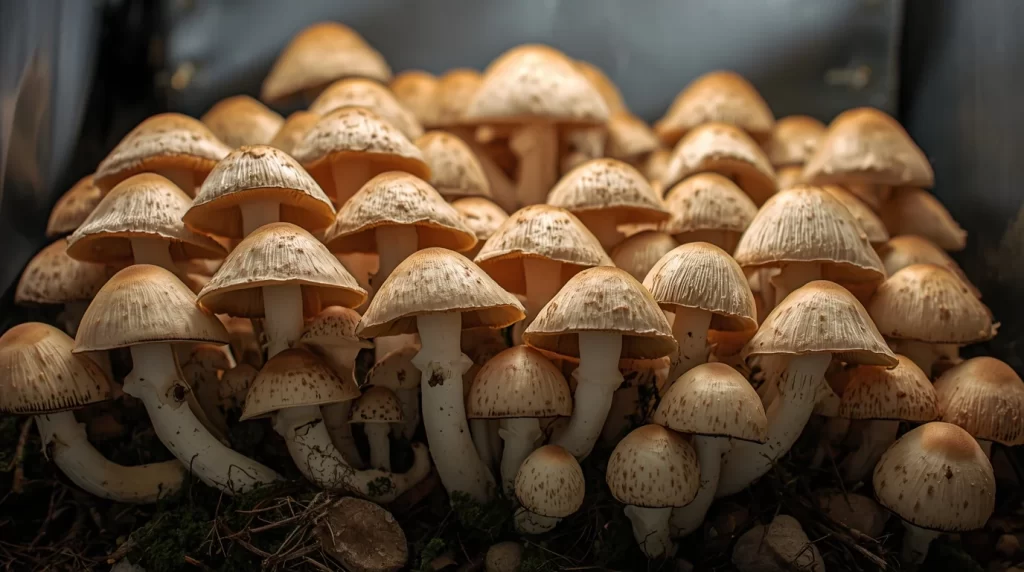
Place the bag in a dark, warm area (20–30°C).
This is where the magic happens!
After 7–10 days
White mycelium will spread through the entire bag.
It will look like white cotton covering the straw.
This stage is called spawn running.
Step 5: Fruiting Stage
Once the bag is fully white with mycelium, move it to a cooler, humid place with indirect light.
Ideal conditions:
- Temperature: 20–25°C
- Humidity: 80–95%
- Low light
- Good ventilation
Cut bigger holes or open the top of the bag to let mushrooms emerge.
Mist with water 2–3 times daily.
Step 6: Harvesting Mushrooms
You’ll see tiny mushroom pins appear within a week.
These grow rapidly and can be harvested when fully open.
How to harvest
Twist gently or cut with a sharp knife.
When to harvest
- When the caps open fully
- Before they release spores
Step 7: Second & Third Flushes
Your mushroom bag will continue producing mushrooms for 45–60 days.
You can expect 2–4 harvests (called flushes).
After the last harvest, the leftover substrate becomes excellent compost for your plants.
How to Grow Button Mushrooms at Home (Simple Method)
Button mushrooms require cooler temperatures (16–20°C).
Here’s a beginner method:
- Use composted manure as substrate.
- Mix with button mushroom spawn.
- Cover with a 1-inch layer of casing soil.
- Keep in a cool, dark area.
- Maintain 70% humidity.
Mushrooms will appear in 3–4 weeks.
Growing Mushrooms Without Plastic Bags (Eco-Friendly Ideas)
If you prefer plastic-free methods, try growing mushrooms in:
- buckets
- baskets
- cardboard boxes
- reusable grow bags
- old pillowcases
- clay pots
Oyster mushrooms adapt to almost any container.
Common Problems Beginner Mushroom Growers Face
1. Bag turns green or black
This is mold infection.
Cause: poor sterilization or excess moisture.
2. Mushrooms are small or thin
Cause: low humidity or poor ventilation.
3. Mycelium stops growing
Cause: temperature too low or too high.
4. Mushrooms turn yellow
Cause: too much direct sunlight.
5. Bad smell from the bag
Cause: bacterial growth—discard immediately.
Tips for Huge Mushroom Yields
- Maintain high humidity—mist regularly.
- Do not expose to direct sunlight.
- Avoid touching the substrate with bare hands.
- Keep environment clean.
- Use fresh mushroom spawn.
- Maintain good air circulation.
- Keep substrate moist, not wet.
Health Benefits of Homegrown Mushrooms
Fresh mushrooms contain:
- Vitamin D
- Vitamin B-complex
- Selenium
- Iron
- Potassium
- Protein
They support:
- immunity
- brain function
- gut health
- weight loss
- detoxification
And because they’re grown at home, they are completely chemical-free.
Frequently Asked Questions
1. Can mushrooms be grown in hot climates?
Yes! Oyster and milky mushrooms grow extremely well in warm regions.
2. Do mushrooms need sunlight?
No. They grow in the dark or low light.
3. How long do mushrooms take to grow?
15–25 days depending on the variety.
4. Are homegrown mushrooms safe?
Absolutely—if you use proper spawn from a trusted supplier.
Final Thoughts: Mushroom Growing Is the Easiest Gardening Skill You’ll Ever Learn
If you’ve ever wanted a food source that is:
- fast
- space-efficient
- high-yield
- low-maintenance
- nutritious
- fun
Then mushroom cultivation is the perfect choice.
Whether you’re growing in bags, pots, buckets, or boxes, mushrooms reward you quickly and generously. With just a few handfuls of substrate and a little daily misting, you can enjoy fresh, organic mushrooms whenever you want.
Start small, experiment, and soon you’ll be harvesting basketfuls of mushrooms right from your home.