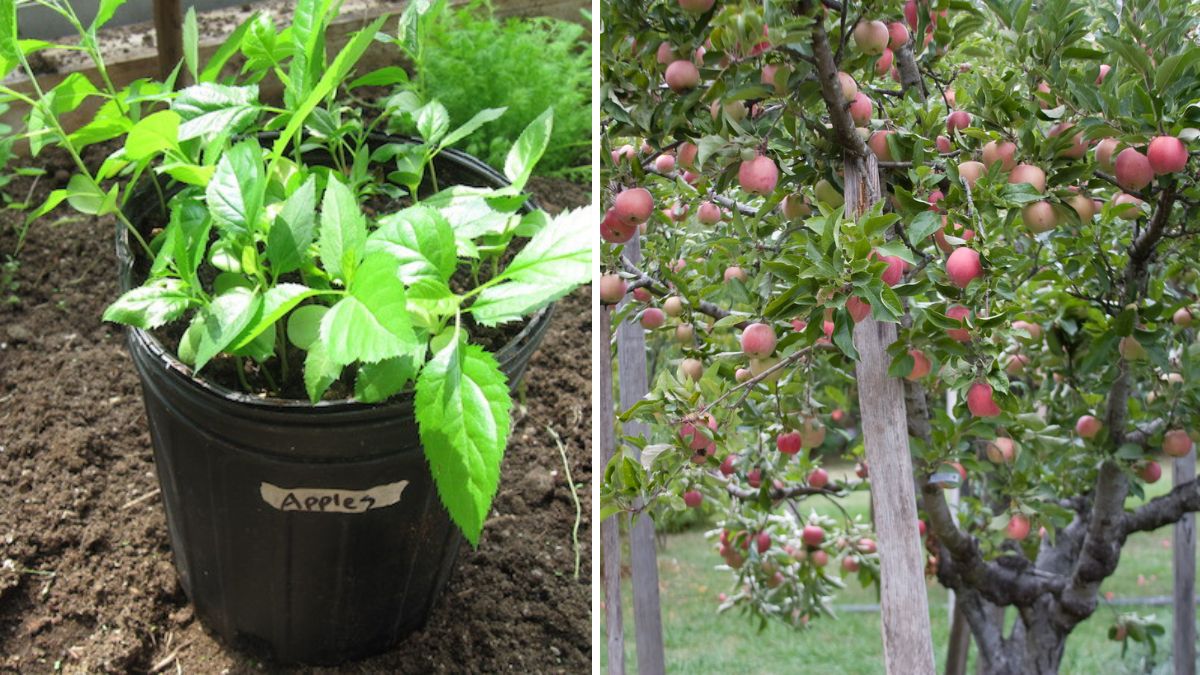
Growing an apple tree at home might sound like a challenge reserved for expert gardeners or those living in cold hill stations. But the truth is: you can grow apple trees successfully even in warm climates, even in pots, and even if you’re a complete beginner. With the right variety, proper care, and a little patience, you can enjoy crisp, juicy apples right from your backyard, terrace, or balcony.
This full guide will help you understand how to plant, grow, and care for apple trees at home—what to do, what to avoid, and how to make your plant fruit earlier and more abundantly.
Why Growing Apples at Home Is Possible Today
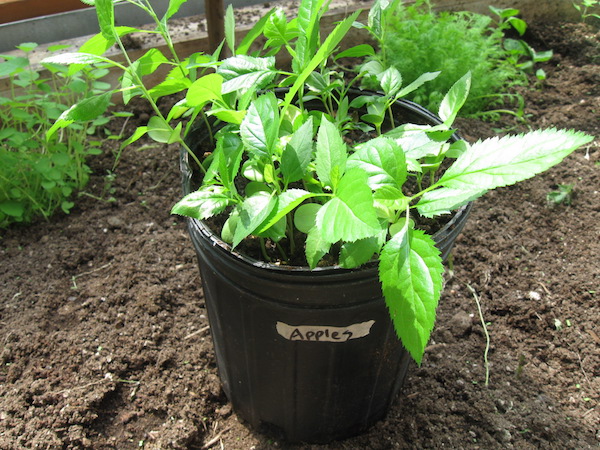
Traditional apple varieties require long winters and very cold climates. But in recent years, special low-chill and tropical apple varieties have been developed that grow well in:
- plains
- warm regions
- tropical and subtropical climates
- container gardens
- small backyard spaces
Some varieties need only 200–300 chilling hours instead of the usual 800–1,000. These new varieties have made homegrown apples a reality for millions of gardeners.
Best Apple Varieties for Home Gardens
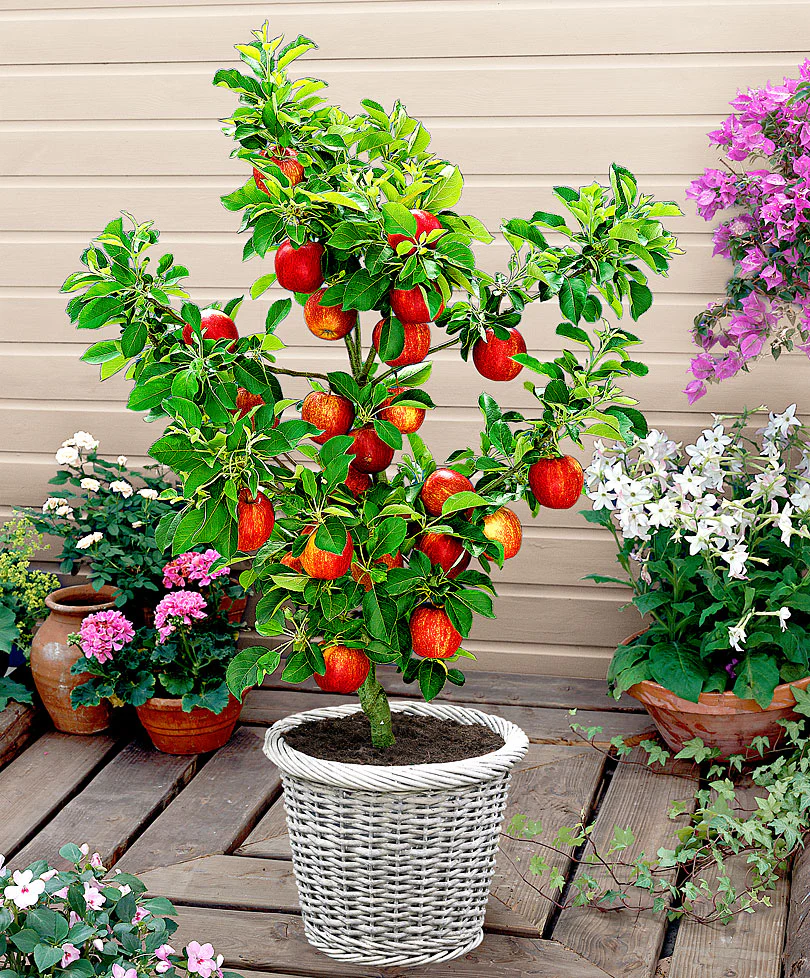
If you want fast results and high success, choose these home-friendly varieties:
1. Anna Apple
- Fast-growing
- Excellent for warm climates
- Early fruiting
- Sweet, crisp fruits
2. Dorsett Golden
- Low-chill
- Great pollinator partner for Anna
- Heavy fruiting variety
3. HRMN-99 (Indian Variety)
- Very adaptable
- Grows in plains
- Good sweetness and high yield
4. Tropical Beauty Apple
- Specially developed for hot climates
- Fruits even at lower altitudes
Planting two compatible varieties increases yield dramatically. For example, Anna + Dorsett Golden is one of the best combinations.
Growing Apple Trees from Seeds vs Grafted Plants
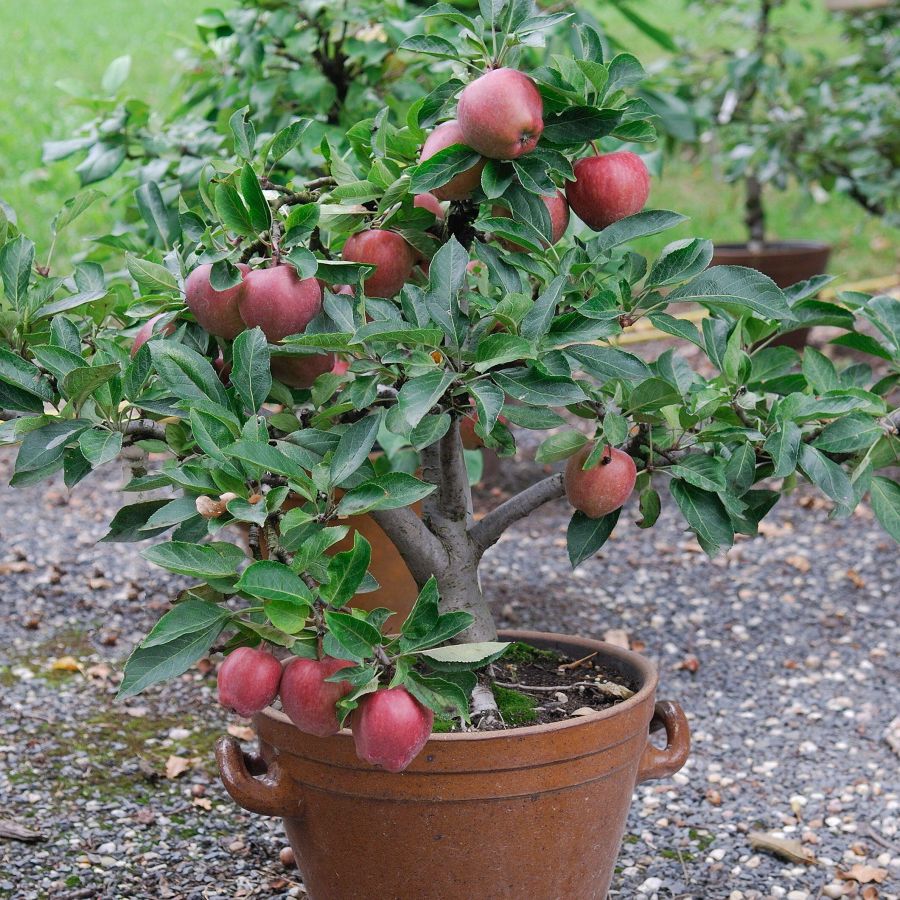
This is one of the biggest decisions beginners face.
Growing from Seeds
- Very slow (may take 6–10 years to fruit)
- Fruit quality unpredictable
- Seedlings may not resemble parent tree
Grafted Apple Plants (Recommended)
- Start fruiting in 2–3 years
- Guaranteed fruit quality
- Strong rootstock
- More disease-resistant
For home gardening, always choose grafted apple plants.
How to Plant an Apple Tree at Home
Whether you’re planting in the ground or in a pot, the method is almost the same.
1. Choosing the Perfect Spot
Apple trees need:
- 6 hours of sunlight minimum
- Good airflow
- Slightly cool nights (helps fruit formation)
Pick a place that receives morning sunlight and is not shaded by big trees or walls.
2. Best Soil for Apple Plants
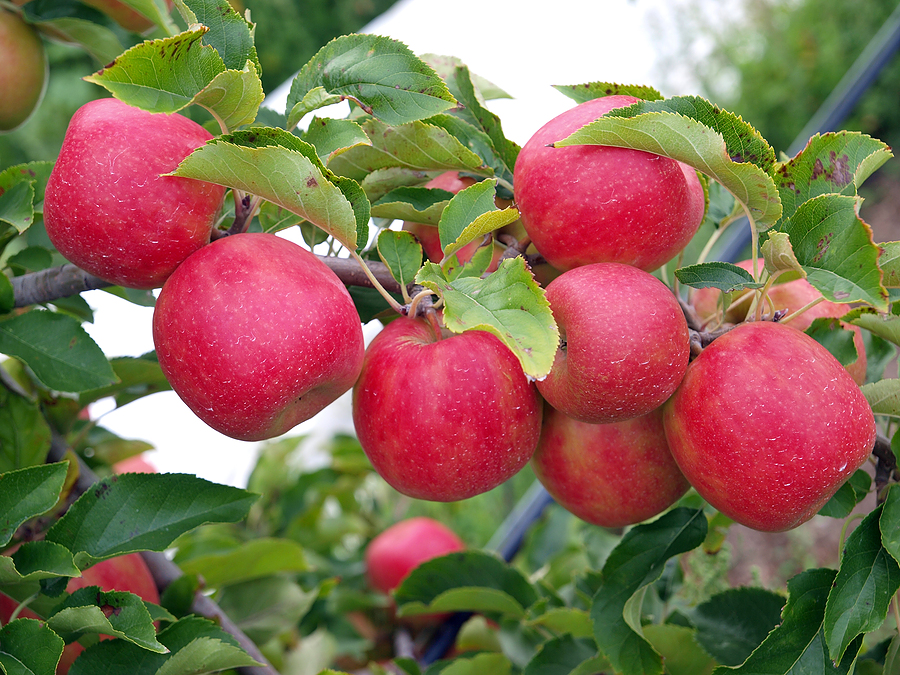
Apple trees love:
- Loose, well-drained soil
- Slightly acidic soil (pH 5.8–6.5)
- Rich organic matter
You can prepare the perfect soil mix:
For Pots (20–30L minimum):
- 40% garden soil
- 30% compost
- 20% cocopeat
- 10% sand
Add 1–2 handfuls neem cake or mustard cake for fertility and pest control.
3. Planting Process
For Ground Planting
- Dig a 2 ft × 2 ft × 2 ft pit
- Mix topsoil with compost before backfilling
- Place the plant gently and cover with prepared soil
- Water thoroughly
For Pot Planting
- Choose a deep pot (minimum 16–20 inches)
- Ensure drainage holes
- Fill with soil mix
- Plant the sapling at the same depth as in its nursery bag
Avoid burying the graft union—it must stay above soil level.
4. Watering Requirements
Apple trees don’t like waterlogging. Follow this simple rule:
**✔ Water deeply once or twice a week
✔ Keep soil moist but never soggy
✔ Reduce watering during winter**
Young plants need more frequent watering, while mature trees need less.
Caring for an Apple Tree: Month-by-Month Guide
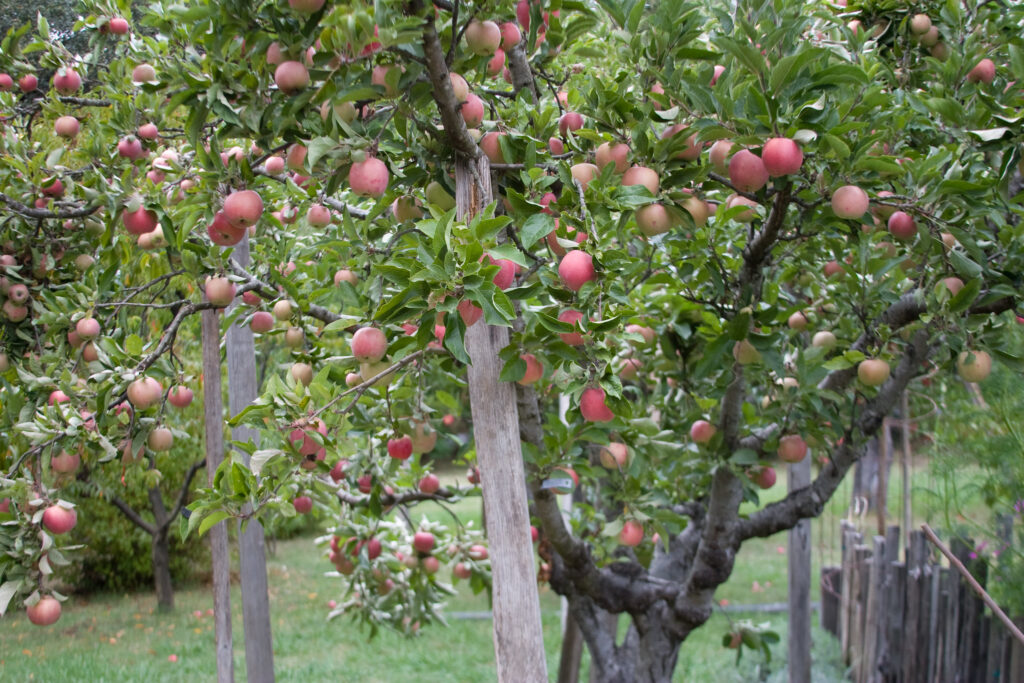
1. Sunlight
6–8 hours of direct sun ensures stronger branches and better fruiting.
2. Fertilizing
Feed your apple tree every 30–45 days with:
- compost or cow dung
- bone meal
- mustard cake liquid
- vermicompost
- potash-rich fertilizers during fruiting
Avoid high nitrogen during flowering, or excess leaves will grow instead of fruits.
3. Mulching
Mulching is one of the secrets to good apple growth.
Use dry leaves, straw, or wood chips around the base.
Benefits:
- Retains moisture
- Prevents weeds
- Improves soil fertility
4. Pruning (Very Important!)
Apple trees fruit only on new growth. If you never prune, fruits will be small and fewer.
Prune during winter:
- Remove weak, crossing, or inward-growing branches
- Keep the canopy open for sunlight
- Maintain 3–4 strong main branches
Proper pruning dramatically increases fruiting.
How to Make Apple Plants Flower and Fruit Faster
1. Plant at least two varieties
Many apple varieties need cross-pollination for better fruit set.
2. Encourage side branches
Pinch the growing tips during the first year.
3. Provide potash-rich fertilizer
Potash enhances flowering and fruiting.
4. Avoid waterlogging
Soggy soil reduces blooming dramatically.
5. Apply chill simulation (optional)
In warm climates, cooling the plant during early winter evenings with water misting helps mimic winter chill.
Pest and Disease Management
Apple plants are generally hardy but can face:
1. Aphids
- Small green insects on leaves
- Use neem oil spray weekly
2. Powdery Mildew
- White dust on leaves
- Use baking soda + water spray
3. Fruit Fly (in warm climates)
- Use fruit fly traps
- Cover young fruits with mesh bags
Organic Pesticide Mix
Use once a month:
- 5 ml neem oil
- 1 liter water
- 1 teaspoon liquid soap
Spray in the evening.
Growing Apple Trees in Pots: Is It Possible?
Absolutely yes!
You can grow apples in pots if you:
- use dwarf or semi-dwarf varieties
- provide pruning
- fertilize regularly
- repot every 2–3 years
Potted apple trees look beautiful and can still produce plenty of fruits.
When Will Your Apple Tree Start Fruiting?
It depends on the type of plant:
Grafted plants:
2–3 years
Seed-grown plants:
6–10 years
Container-grown dwarf apples:
2–4 years
Once the tree starts fruiting, production increases every year.
Signs Your Apple Tree Is Ready to Bear Fruit
- Strong branching structure
- Good leaf density
- Healthy green shoots
- Minimum height of 4–5 feet
- Visible flower buds during late winter/spring
Harvesting Your Homegrown Apples
Homegrown apples taste far better than store-bought ones. They will be:
- sweeter
- crunchier
- more fragrant
- chemical-free
Apples are ready to harvest when:
- fruits come off easily when twisted
- seeds inside turn dark brown
- the fruit develops full color
Common Mistakes Beginners Should Avoid
❌ Overwatering
Causes root rot and kills apple trees.
❌ Poor sunlight
Low sun = no fruits.
❌ Not planting two compatible varieties
Reduces fruit yield.
❌ Burying the graft union
Weakens the plant.
❌ No pruning
Results in weak fruit growth.
❌ Using too much nitrogen
Leads to leafy growth, no flowers.
Avoid these mistakes, and your apple plant will thrive beautifully.
Final Thoughts: Growing an Apple Tree at Home Is Easier Than You Think
Whether you live in a warm region, have limited space, or are completely new to gardening—you can grow apples at home. With the right variety and simple care, your apple tree will flourish and reward you with delicious fruits for years.
Just follow these steps:
- choose low-chill varieties
- plant grafted plants
- give good sunlight
- prune yearly
- feed the plant regularly
- avoid waterlogging
Soon, you’ll be enjoying fresh, juicy apples right from your garden or balcony—a beautiful combination of nature, patience, and love.