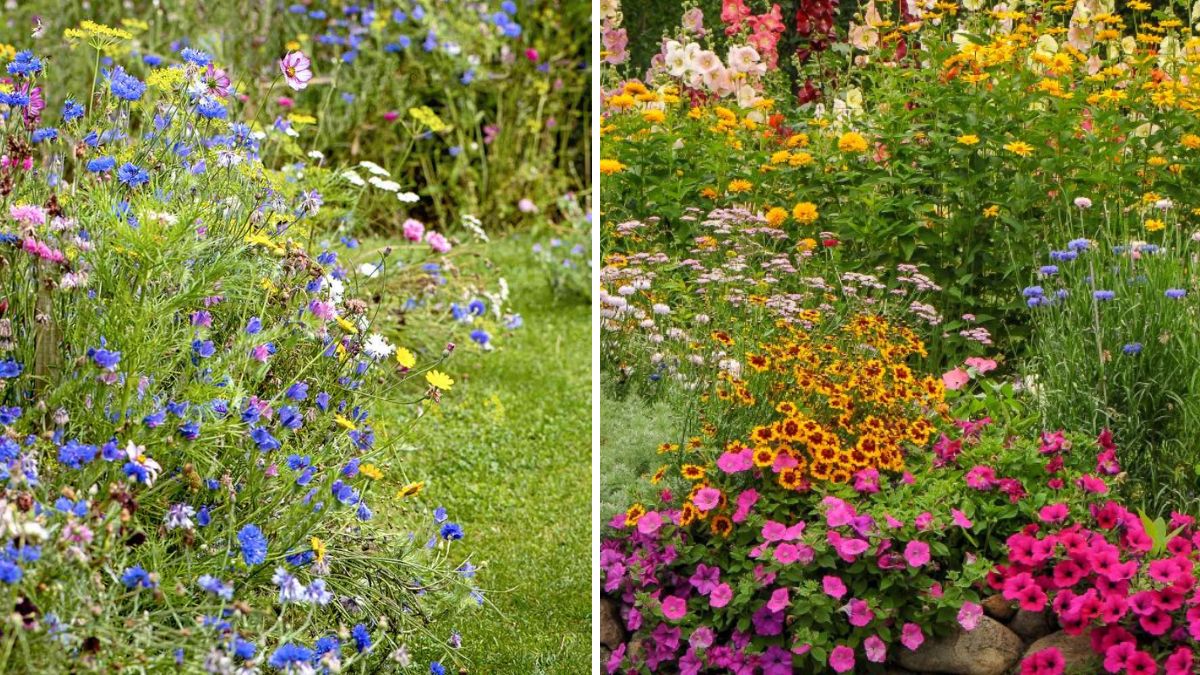
Gardening has long been seen as a tidy, orderly practice—neat rows, perfect spacing, carefully planned layouts. But what if I told you that one of the most beautiful, abundant, and low-maintenance garden styles is the complete opposite of this? Welcome to the world of Chaos Gardening, a garden style that embraces randomness, biodiversity, and natural growth patterns. Instead of forcing nature into straight lines, a chaos garden allows plants to choose their own perfect place.
This gardening trend is spreading worldwide because it’s fun, incredibly productive, and unbelievably easy to start. Whether you’re a beginner looking for a hassle-free way to grow food or an experienced gardener wanting to experiment with nature’s creativity, a chaos garden may surprise you with its power and beauty.
Let’s explore what makes a chaos garden so special and how you can create your own magical wild space.
What Exactly Is a Chaos Garden?
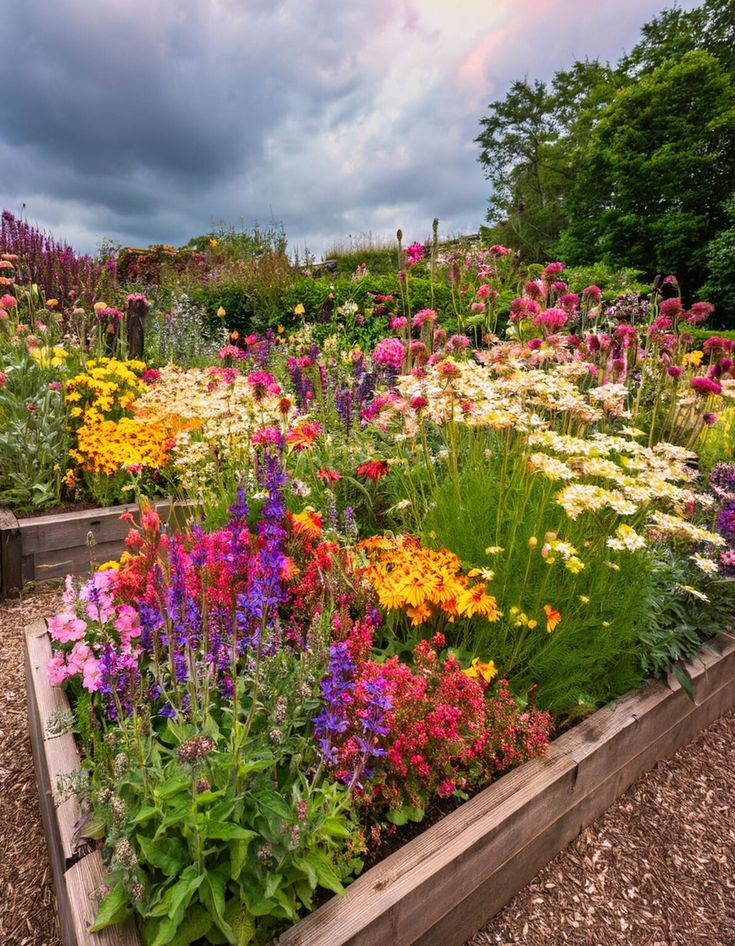
A chaos garden is a planting method where seeds of various vegetables, herbs, flowers—even fruiting plants—are mixed together and scattered in a single area. Instead of carefully planning where each plant goes, you let nature decide.
This method imitates how plants grow in the wild:
- Seeds land randomly.
- The strongest seedlings survive.
- Plants naturally arrange themselves for sunlight and space.
- The garden becomes a thriving ecosystem.
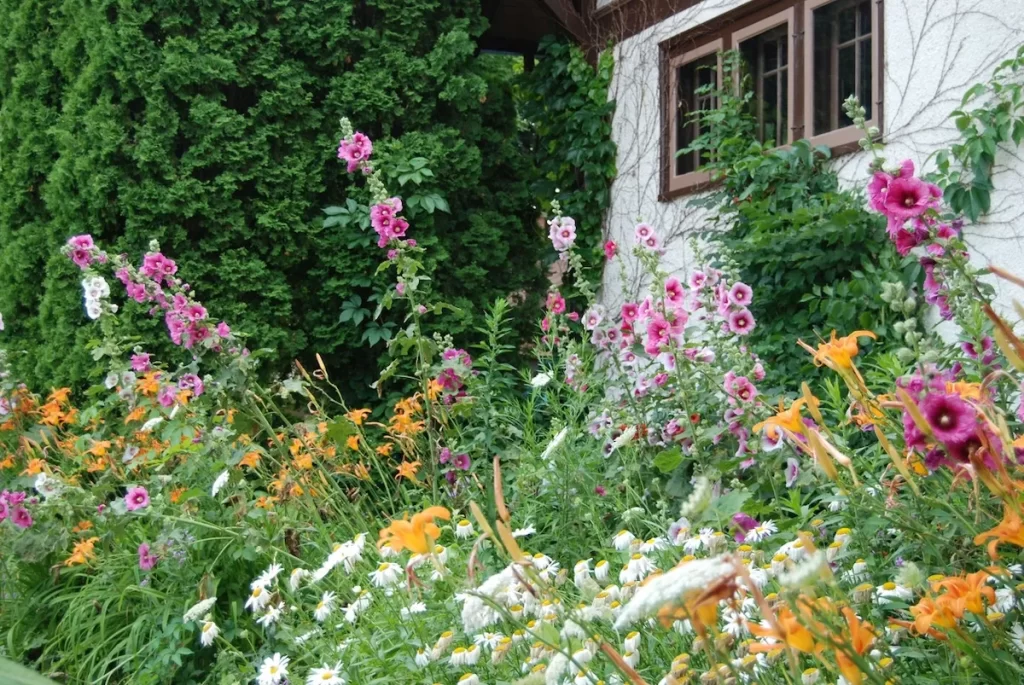
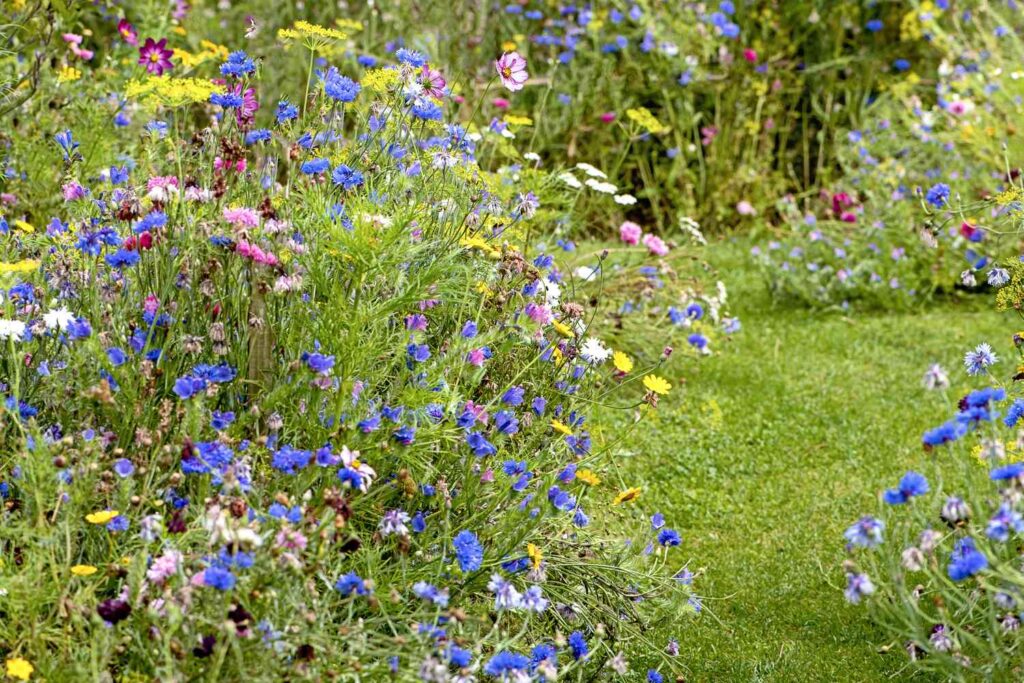
The result is a colorful, vibrant mix of textures, shapes, heights, and scents. It looks almost like a wild meadow, but with vegetables and flowers growing side by side.
Why Gardeners Are Falling in Love with Chaos Gardens
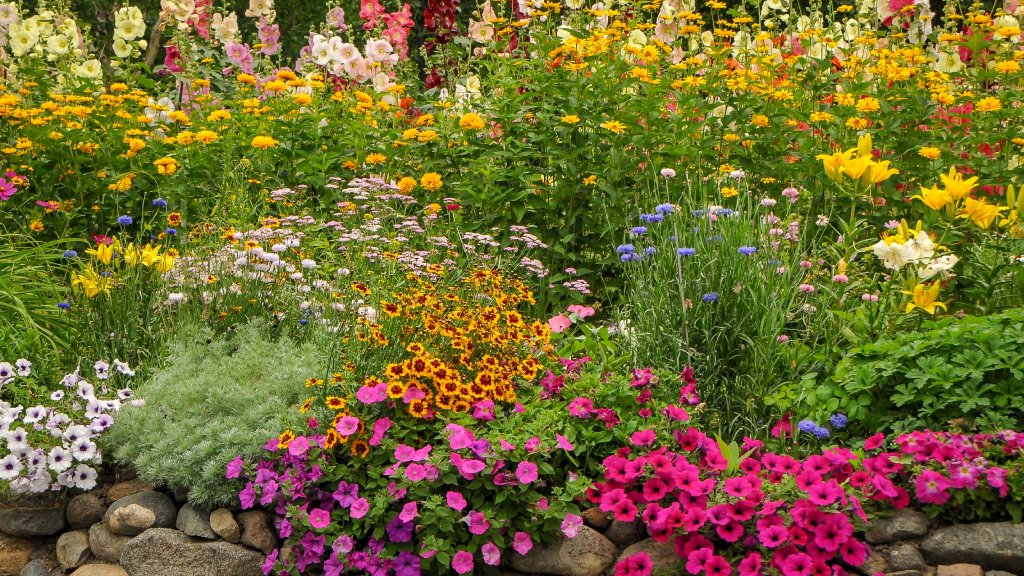
Chaos gardens are more than just a trend—they offer real benefits, making them ideal for home gardeners.
1. Extremely Low Maintenance
Because the plants grow “naturally,” they require fewer interventions:
- No precise spacing
- No major weeding
- Rarely any pest problems
- Minimal watering once established
Dense planting reduces weeds, and biodiversity disrupts pest cycles.
2. Huge Biodiversity = Stronger Plants
In a chaos garden, dozens of species grow together. This creates:
- Better soil health
- Natural pest resistance
- Improved pollination
- Increased resilience against diseases
The diversity mimics a forest floor, where everything supports everything else.

3. Maximum Yield in Small Spaces
Plants naturally adjust their growth to fit available space. Some grow tall, some stay short, some vine across the ground.
This layered planting maximizes productivity.
4. Aesthetically Stunning
Chaos gardens look like art—messy yet harmonious. Every corner offers something new to discover: a sunflower rising above parsley, marigolds next to beans, a surprise pumpkin vine crawling through zinnias.
5. Zero Stress Gardening
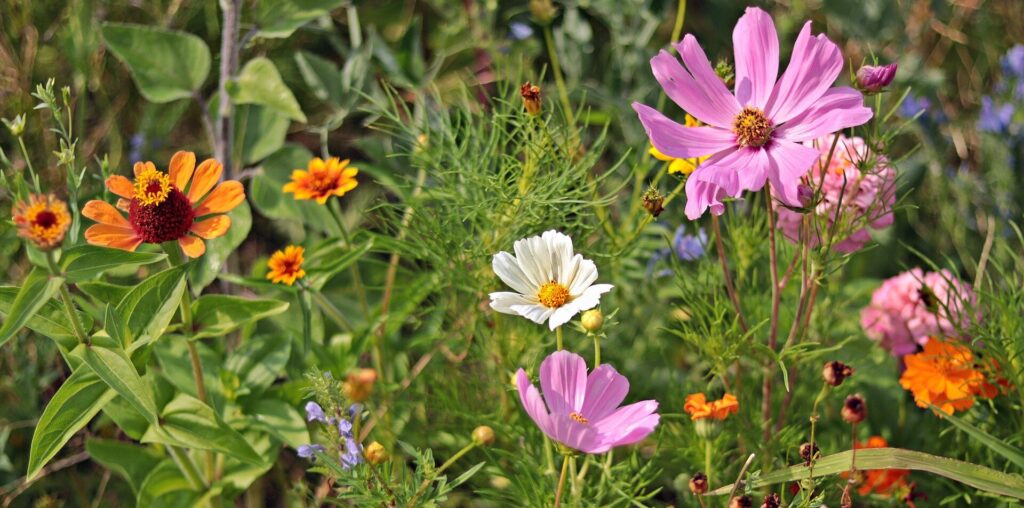
You don’t need:
- a plan
- experience
- special equipment
Just scatter seeds, water lightly, and watch nature perform magic.
What to Plant in a Chaos Garden
The beauty of chaos gardening lies in mixing different plant types. Here are the best categories to include.
1. Fast-Growing Vegetables
These fill gaps and provide early harvests:
- Radish
- Lettuce
- Spinach
- Pak choi
- Arugula
2. Root Vegetables
They grow quietly beneath spreading vines:
- Carrots
- Beets
- Turnips
- Garlic
3. Vigorous Vining Plants
These wander around freely, adding productivity:
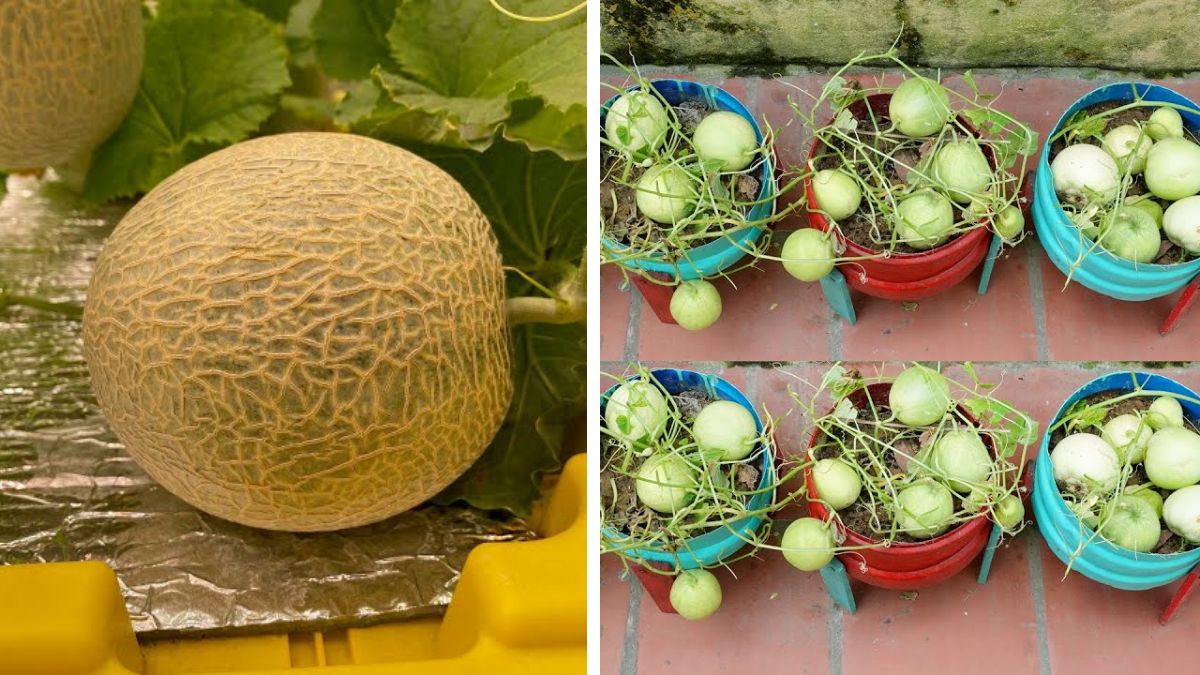
- Pumpkin
- Watermelon
- Cucumber
- Bottle gourd
4. Tall Structural Plants
These give height and support:
- Sunflowers
- Corn
- Okra
5. Nitrogen Fixers
These plants enrich the soil naturally:
- Beans
- Peas
6. Beneficial Flowers
They attract pollinators and deter pests:
- Marigold
- Zinnia
- Cosmos
- Nasturtium
7. Herbs for Aroma and Health
They add fragrance and medicine to your garden:
- Basil
- Mint
- Dill
- Coriander
- Thyme
Mixing all these seeds together creates the perfect chaos garden ecosystem.
How to Start Your Own Chaos Garden: Step-by-Step Guide
The best part? You can start a chaos garden in just a few hours.
Step 1: Choose Your Space
A chaos garden works in:
- a backyard corner
- raised beds
- large containers
- unused patches of soil
- even between fruit trees
Just make sure it receives 4–6 hours of sunlight.
Step 2: Prepare the Soil Lightly
You don’t need perfect soil. Just:
- remove big stones
- loosen the top 2–3 inches
- mix a little compost
No need for deep tilling—the plants will build soil naturally.
Step 3: Mix Your Seeds
Here’s the fun part!
Take all the seeds you want to use and combine them in a bowl. You can mix:
- vegetable seeds
- flower seeds
- herb seeds
Some gardeners mix 20–50 varieties.
Step 4: Scatter the Seeds
Throw the seeds evenly over the area—just like feeding birds.
The randomness is the whole point.
Step 5: Cover Lightly
Sprinkle a thin layer of soil or compost over the seeds. No need to bury each seed individually.
Step 6: Water Gently
Keep the soil moist for the first week. After seedlings establish, watering needs decrease drastically.
Step 7: Let Nature Take Over
Watch as:
- some seedlings grow faster
- some grow slower
- some climb
- some spread
- some bloom
This natural arrangement creates a beautiful, self-sustaining garden.
What Happens After Planting? The Magic Unfolds
Week 1–2: Seedlings Everywhere
You’ll see tiny sprouts popping up in surprising places.
Week 3–4: Plants Start to Organize
Tall plants begin to rise, leafy greens fill ground space, vines explore pathways.
Month 2: A Mini Jungle
Pollinators arrive. Flowers bloom. The soil becomes rich and alive.
Month 3 onward: Harvest Time Begins
You may harvest:
- lettuce
- herbs
- radish
- beans
- fruits from vines
And the harvest continues for months.
Secrets to a Successful Chaos Garden
Although chaos gardens thrive with little care, a few smart techniques improve results.
✔ Add Compost Tea Occasionally
Adds nutrients without disturbing the ecosystem.
✔ Avoid Overcrowding Heavy Feeders
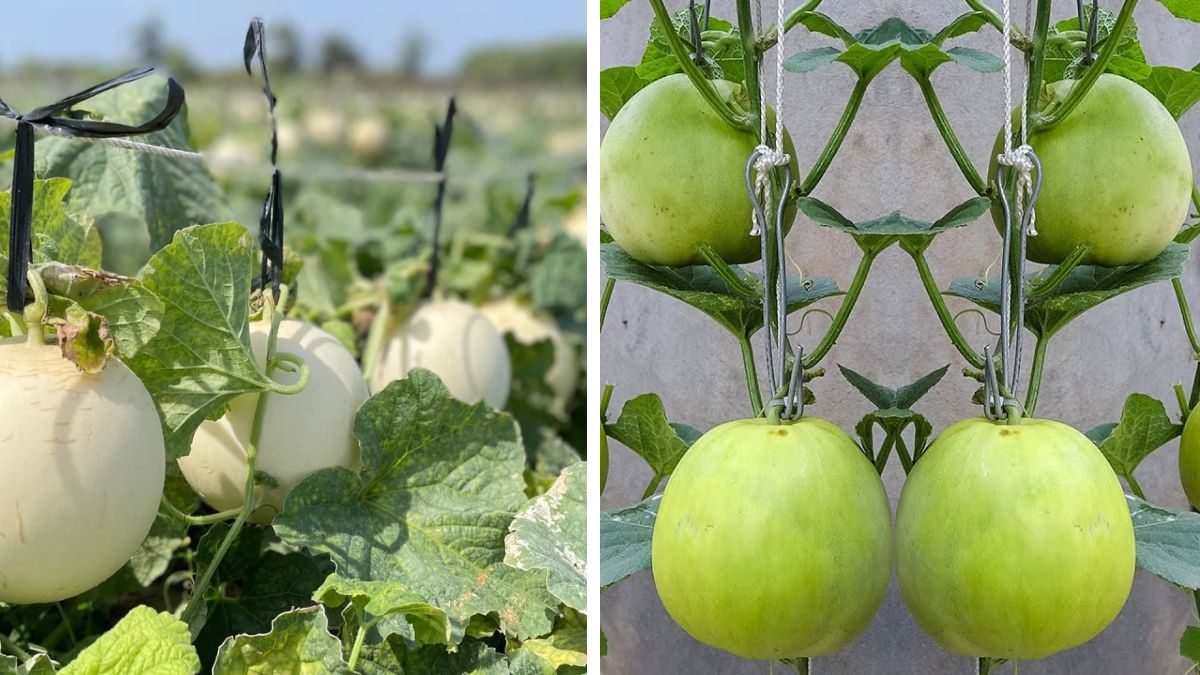
Pumpkins, melons, and corn are great—but use only a few seeds.
✔ Plant Flowers Liberally
They boost pollination dramatically.
✔ Observe, Don’t Control
Let plants decide their placement and size.
✔ Mulch with Dry Leaves
Reduces water needs and increases soil fertility.
What Makes a Chaos Garden Different from Traditional Gardening?
| Traditional Gardening | Chaos Gardening |
|---|---|
| Planned layout | No planning at all |
| Equal spacing | Random seed scattering |
| Weed control needed | Dense growth suppresses weeds |
| Frequent watering | Natural moisture retention |
| Few plant types | Dozens of varieties |
| Orderly appearance | Wild, colorful appearance |
A chaos garden feels alive in a way traditional gardens don’t. It becomes a habitat—not just a vegetable patch.
Benefits You’ll Notice Within One Season
Most gardeners experience:
🌱 Healthier soil
Microbes thrive in biodiversity.
🐝 More pollinators
Bees, butterflies, ladybugs love it.
🍅 Higher yields
Plants support each other.
🌼 Continuous blooms
Flowers bloom at different times.
🍃 Resilient plants
Less disease, fewer pests.
🍉 Surprising harvests
You never know what will pop up next—it’s exciting!
Why Chaos Gardens Feel Magical
The magic comes from surrendering control and letting nature show its brilliance. Every week, something new emerges—new colors, new textures, new flavors.
Chaos gardens remind us that life grows best when allowed to express itself freely. There’s a sense of wonder in discovering a hidden cucumber behind marigolds or a sunflower towering unexpectedly among herbs.
Final Thoughts: Should You Try a Chaos Garden? Absolutely!
If you want a garden that is:
- easy
- productive
- sustainable
- low-maintenance
- fun
- and incredibly beautiful
then a chaos garden is the perfect choice.
You don’t need experience, fancy tools, or strict routines. Just a handful of seeds and a willingness to let nature lead.
Start small or create a full wild garden—it will reward you with color, food, fragrance, and endless surprises.