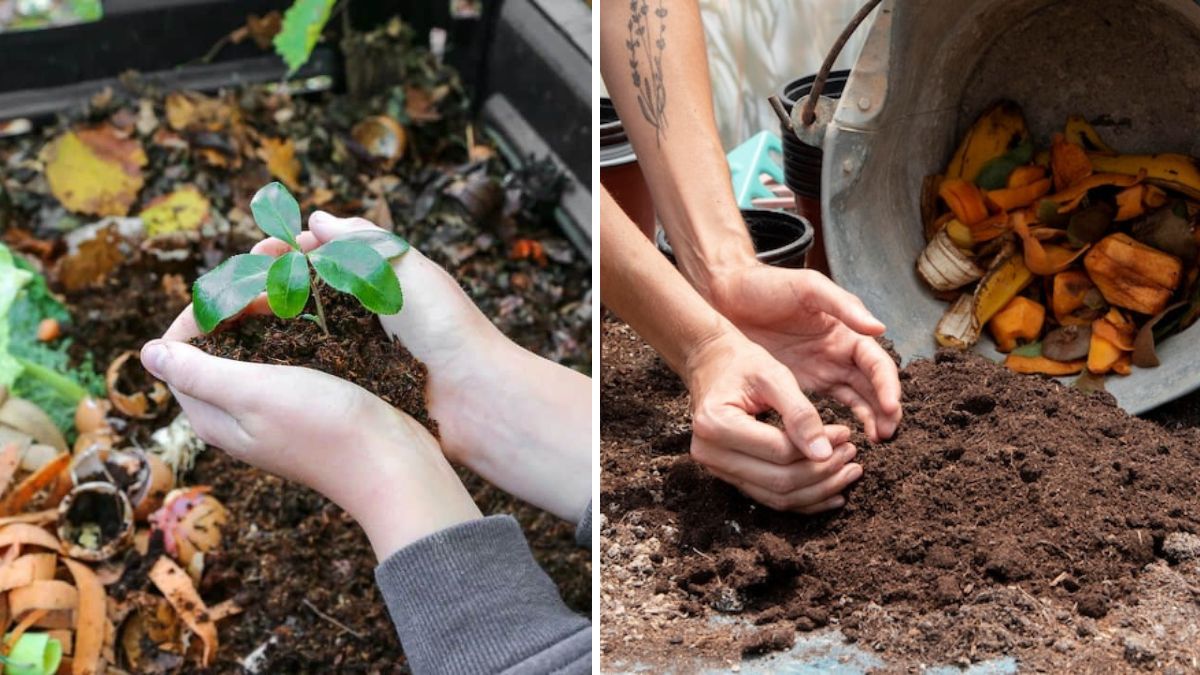
Compost is the heart of a healthy garden. It improves soil fertility, boosts plant growth, and helps you grow chemical-free vegetables and herbs. But many people think composting requires a big garden, a large bin, or lots of space. The truth is—you can create rich, organic mini compost right at home using simple household items and very little space.
Whether you live in an apartment, have a balcony garden, or just want to recycle waste in a sustainable way, this guide will show you EXACTLY how to make mini compost at home quickly and easily.
🌱 Why Make Mini Compost at Home?
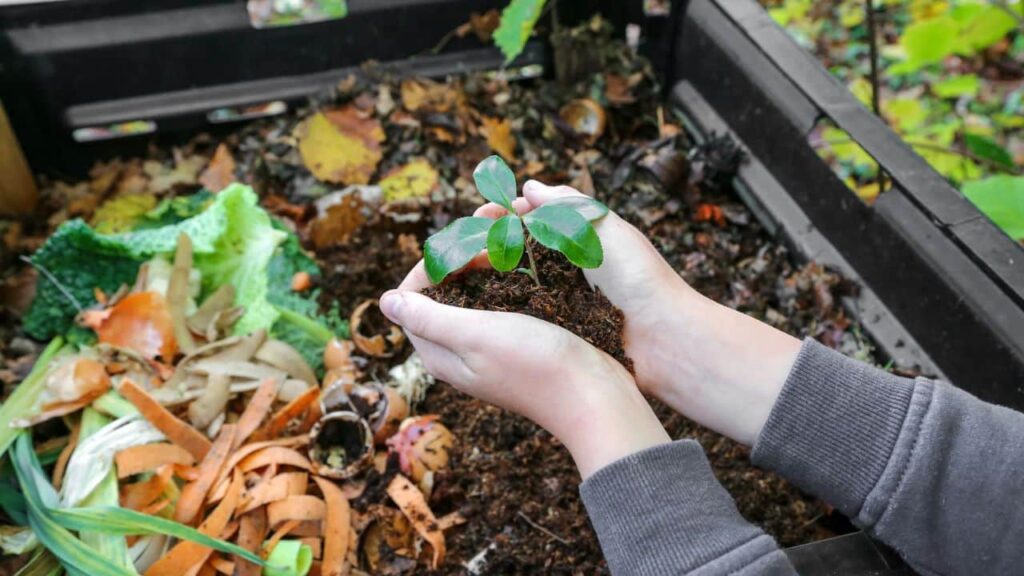
✔ Perfect for Small Spaces
You don’t need a backyard—your compost can be made in a bottle, bucket, or small container.
✔ Eco-Friendly
Over 50% of household waste is compostable. Composting reduces landfill waste.
✔ Super Fertile Compost
Homemade compost is rich in nutrients and free from chemicals.
✔ Very Low Cost
Use kitchen waste and old containers—no expensive materials needed.
✔ Fast Results
Mini compost decomposes quicker than large compost heaps.
🧺 What You Can Compost (And What You Should Avoid)
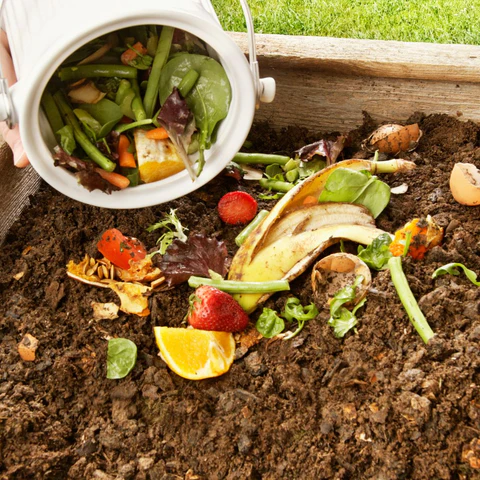
🌿 Greens (Nitrogen-Rich Material)
These items help your compost heat up and break down faster:
- Vegetable peels
- Fruit scraps
- Tea leaves
- Coffee grounds
- Fresh leaves
- Grass clippings
- Banana peels
- Eggshells (crushed)
- Spoiled vegetables
🍂 Browns (Carbon-Rich Material)
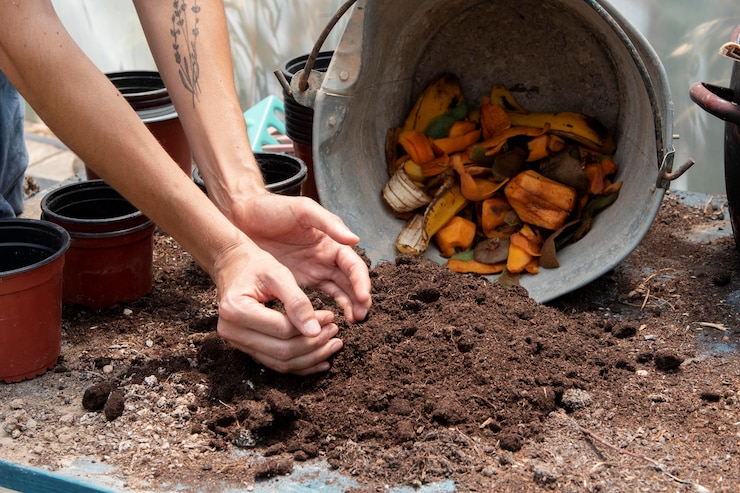
These balance moisture and improve structure:
- Dry leaves
- Cardboard pieces
- Paper scraps (non-glossy)
- Sawdust
- Cocopeat
- Small pieces of cardboard boxes
- Newspaper pieces
❌ Never Add These
They attract pests or slow decomposition:
- Meat
- Dairy
- Oily food
- Cooked food
- Plastics
- Citrus in excess
- Diseased plant parts
🪣 Step 1: Choose a Container for Mini Compost
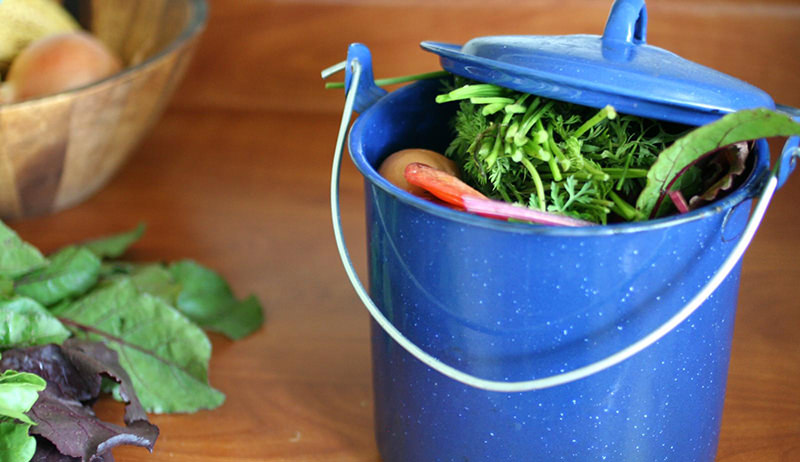
You can use any container depending on the space you have:
✔ Plastic bottle (2–5 liters)
✔ Plastic bucket (10–20 liters)
✔ Clay pot
✔ Plastic tub
✔ Old paint bucket
Important: Air Holes
Drill or punch 5–10 small holes on the sides and bottom. Compost needs airflow to decompose properly and avoid foul smell.
🌾 Step 2: Prepare the Base Layer
Start with a brown material layer:
Base Layer Options:
- Dry leaves
- Small twigs
- Shredded paper
- Cocopeat
This layer improves drainage and prevents excess moisture.
🍃 Step 3: Add Your Kitchen Waste (Greens)
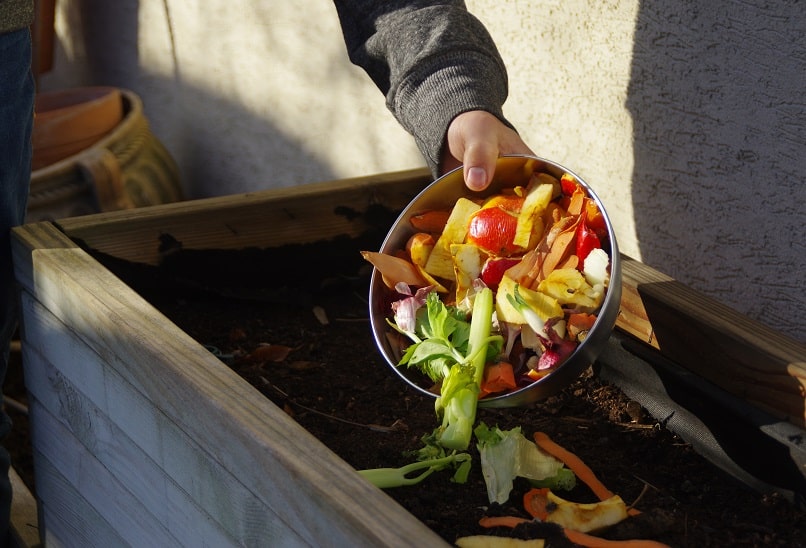
Now start adding your kitchen waste:
- Vegetable peels
- Leftover fruit pieces
- Coffee grounds
- Used tea leaves
- Banana peels
- Eggshell powder
Cut waste into small pieces
The smaller the pieces, the faster they decompose.
Tip:
Don’t add too many watery items at once (like watermelon or cucumber peels). They add moisture and may slow the process.
🍂 Step 4: Cover With Browns
After each layer of greens, always cover with browns.
Why?
- Reduces smell
- Prevents flies
- Helps decomposition
- Levels moisture
Ideal Ratio:
1 part green : 2 parts brown
This is the golden rule for perfect compost.
🧪 Step 5: Add Accelerators (Optional but Helpful)
To speed up the composting process, add:
- Cow dung powder
- Buttermilk
- Jaggery water
- Yeast water
- Old compost
- EM solution (Effective Microorganisms)
These introduce beneficial microbes that break down waste faster.
Homemade Activator Recipe:
Mix:
- 1 tbsp jaggery
- 1 spoon curd
- 1 liter water
Ferment 24 hours and sprinkle into compost.
🔄 Step 6: Maintain the Compost (Very Important)
Mini compost decomposes fast only when properly maintained.
💧 Moisture Check
Compost should be:
👉 Damp like a wet sponge
👉 Not too dry
👉 Not soggy
If too dry → sprinkle water
If too wet → add dry leaves/cardboard
🍃 Mix Regularly
Stir compost every 3–4 days:
- Adds oxygen
- Prevents bad smell
- Speeds decomposition
🌡️ Heat
Warm place = faster compost
Keep container in:
- Balcony
- Terrace
- Near sunlight (but not direct harsh heat)
🐛 Step 7: How to Handle Problems
❌ Bad Smell
Reason: Too much green waste, moisture.
Fix: Add more browns + stir well.
❌ Flies or maggots
Reason: Exposed food waste.
Fix: Cover every green layer with soil or dry leaves.
❌ Not Decomposing
Reason: Low heat or dryness.
Fix: Sprinkle water + add jaggery solution.
❌ Ants
Fix: Add a few neem leaves or sprinkle turmeric.
🪴 Step 8: When Is Your Compost Ready?
Mini compost is ready in 25–45 days, depending on weather.
Signs Your Compost Is Ready:
✔ Dark brown or black
✔ Earthy smell
✔ Soft, crumbly texture
✔ No visible food pieces
If you still see big chunks, you can sift and return them to the bin.
🌻 How to Use Your Organic Mini Compost
Use compost in your garden to improve plant growth dramatically.
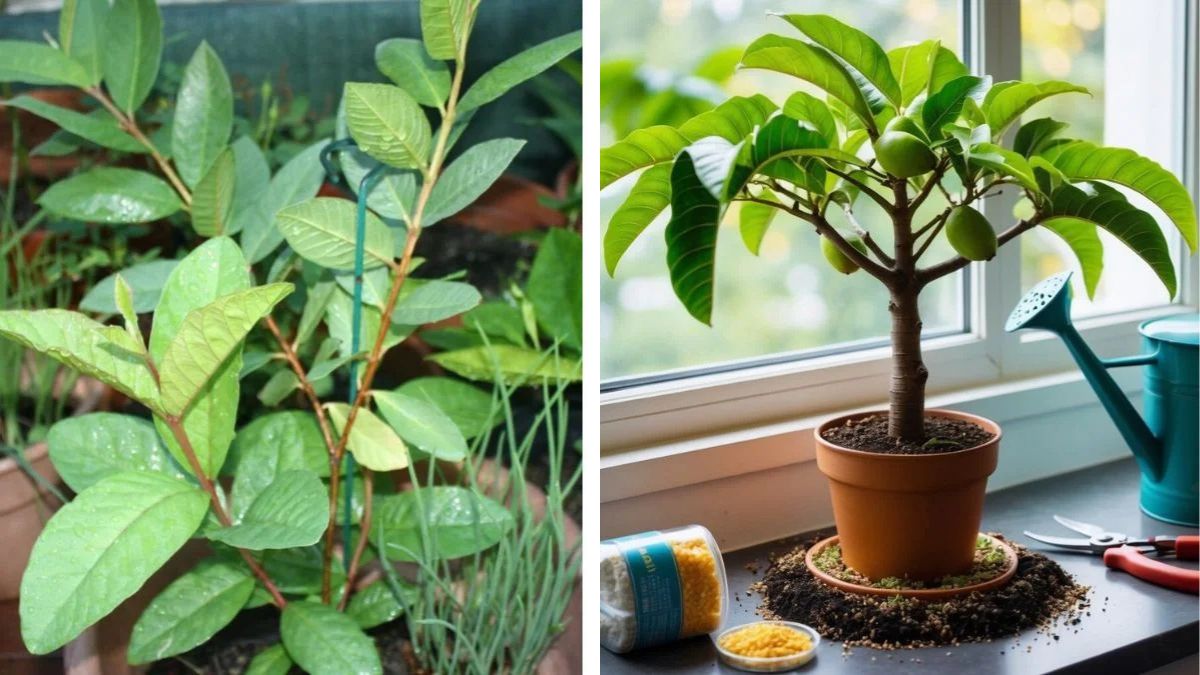
🌱 For Potted Plants
Add 1–2 handfuls to each pot every month.
🌿 For Seedlings
Mix with soil in 1:1 ratio.
🍅 For Vegetable Plants
Add compost around the plant base (top dressing).
🌼 For Flowering Plants
Compost boosts blooming and overall health.
Compost improves soil:
- Nutrition
- Water retention
- Aeration
- Microbial life
Your plants will grow greener, healthier, and stronger!
🌟 Mini Composting Ideas for Small Homes
Here are some fun and creative ways to compost:
✔ Bottle Composting
Use a 2-liter bottle, cut open the side, add layers, and close with a lid (with holes).
✔ Balcony Bin
Use a small 5–10L bucket for daily kitchen waste.
✔ Terracotta Pot Compost
Clay allows natural airflow—compost forms faster.
✔ Bokashi Compost
Fermented composting for apartments.
✔ Hanging Compost Bag
Great for extremely small spaces.
🔥 Tips to Speed Up Composting
- Chop waste into small pieces
- Add activator weekly
- Keep moisture balanced
- Turn compost often
- Keep bin warm
- Avoid too much citrus
- Add neem leaves to remove smell
🌱 Benefits of Using Homemade Organic Compost
✔ 100% Chemical-Free
Safe for your vegetables and herbs.
✔ Improves Soil Health
Adds beneficial microbes and nutrients.
✔ Saves Money
No need to buy expensive fertilizers.
✔ Sustainable
Reduces waste and protects the environment.
✔ High Yield
Plants grow faster, stronger, and produce more.
🏡 Conclusion: Mini Composting Is Easy, Fast & Perfect for Everyone
Making organic mini compost at home is one of the simplest and most rewarding things you can do for your plants. You don’t need big space, expensive equipment, or complicated methods. With just a small container, kitchen waste, and a bit of care, you can create rich, nutrient-packed compost that transforms your garden.
Whether you’re a beginner gardener or an expert, mini composting is a powerful way to grow healthier plants, reduce waste, and contribute positively to the environment.
If you want, I can also write: