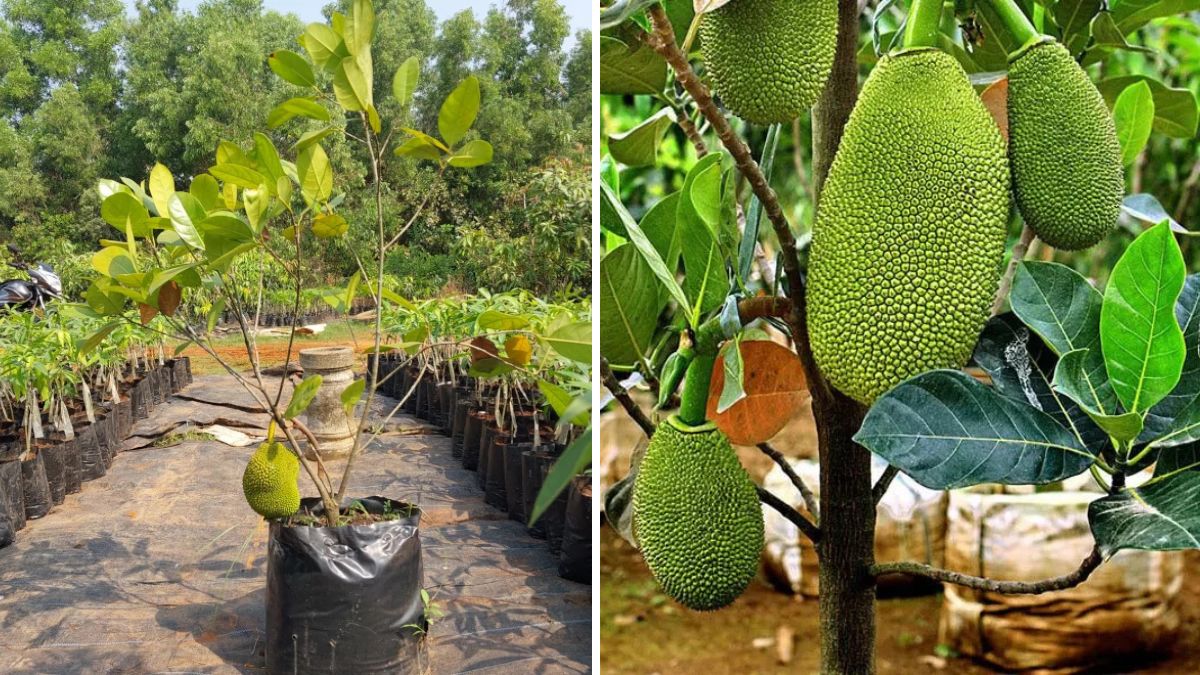
Jackfruit is a tropical treasure—sweet, fragrant, and incredibly nutritious. But while the fruit is amazing, growing a jackfruit tree from seed takes years, and the resulting tree may not produce fruits identical to the parent plant. That’s where grafting comes in.
Grafting allows you to grow a jackfruit tree that is:
✔ Fast-fruiting
✔ Disease-resistant
✔ True-to-type (same quality as mother tree)
✔ Compact and manageable
If you’ve ever dreamed of growing a jackfruit tree that produces fruits faster and better, learning the best way to graft a jackfruit tree is your key to success.
This 1200-word guide will walk you through:
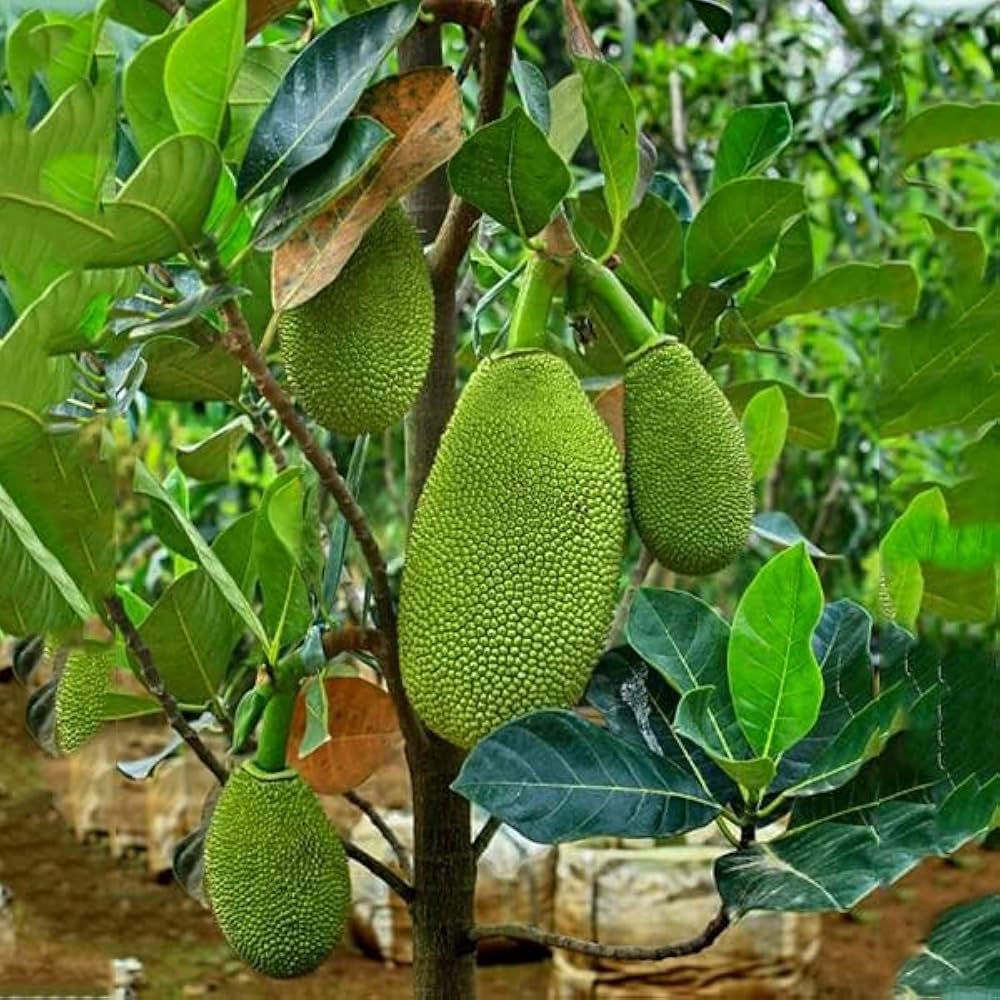
- The best grafting technique for jackfruit
- Tools you need
- When to graft
- Step-by-step grafting instructions
- How to care for grafted plants
- Common mistakes to avoid
- How to ensure a 90–100% success rate
Let’s begin your journey into professional jackfruit grafting!
🌱 Why Graft a Jackfruit Tree?
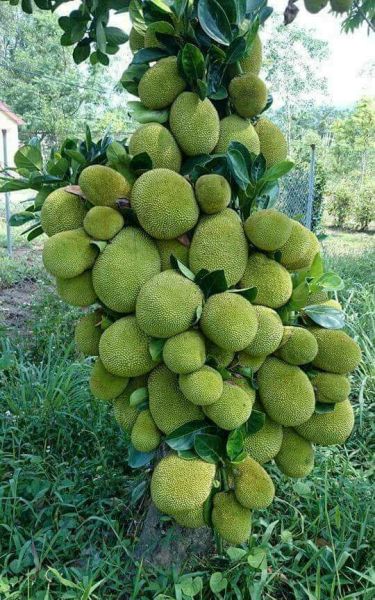
Jackfruit grown from seed can take 6–10 years to fruit. Even then, fruit quality is unpredictable.
Grafting solves this problem.
Benefits of grafting jackfruit:
✔ Fruits in 2–3 years
✔ Same taste as mother tree
✔ Better disease resistance
✔ Uniform size and shape
✔ Early maturity
✔ Higher yield
✔ More compact height
Grafting is the secret that nurseries use to produce high-quality jackfruit saplings. Now you can do the same at home!
🌿 Best Season for Jackfruit Grafting
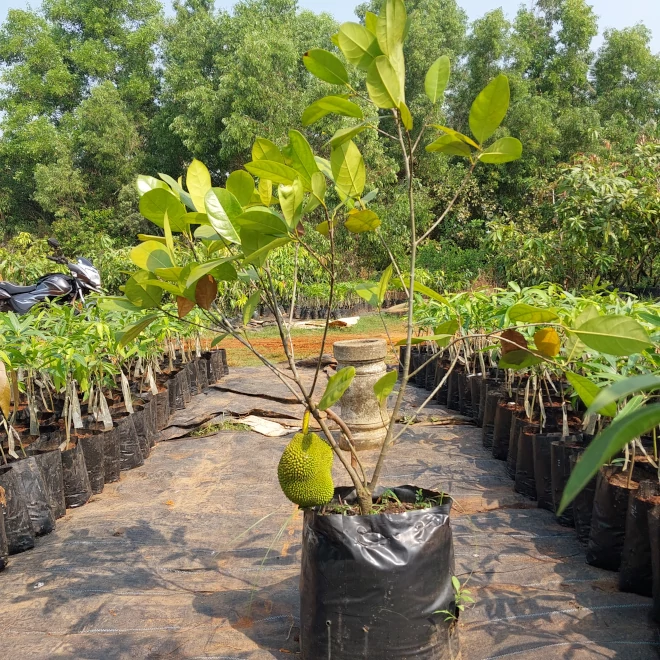
Timing plays a major role in grafting success.
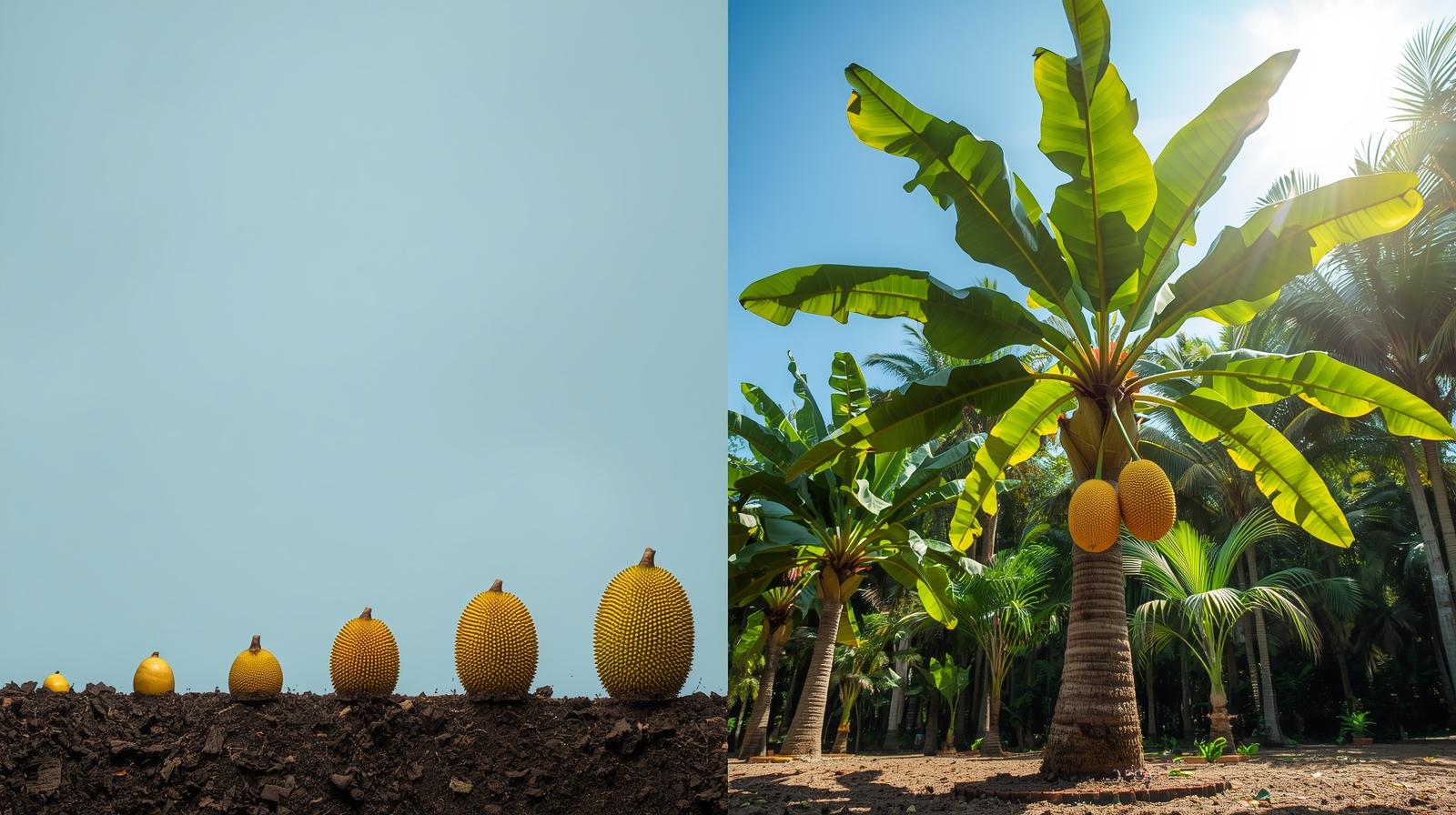
Ideal seasons:
- February–April (spring)
- July–September (monsoon end)
Why these months?
Because plants have maximum sap flow and are actively growing, which helps the graft union heal faster.
Avoid grafting during:
❌ Heavy monsoon
❌ Extreme heat
❌ Cold winter
🔧 Tools and Materials Needed
To graft a jackfruit tree successfully, gather:
- Sharp grafting knife
- Pruning shears
- Grafting tape or polythene strip
- Healthy rootstock plant
- Fresh scion (branch from mother tree)
- Neem oil or fungicide
- Cloth/towel for cleaning tools
Always keep your knife very sharp, because clean cuts heal faster.
🌳 Choosing the Right Rootstock
The rootstock is the base plant on which you will graft.
Best rootstock characteristics:
- Age: 6–12 months
- Height: 1–2 feet
- Stem thickness: pencil thickness
- Healthy, disease-free
- Strong roots
- Locally adapted variety
A good rootstock ensures better graft survival and faster growth.
🌿 Choosing and Preparing the Scion
The scion is the branch that produces your fruit.
Choose it carefully!
Ideal scion characteristics:
✔ Taken from a high-yielding mother tree
✔ 3–6 months old wood
✔ 3–4 inches long
✔ Pencil-thick
✔ Has 2–4 visible buds
✔ Disease and pest-free
How to prepare the scion:
- Cut early in the morning for freshness
- Remove leaves, leaving only leaf stems
- Keep wrapped in moist cloth to prevent drying
- Use within 2–3 hours of cutting
Fresh scions = higher success.
🌱 Best Grafting Method for Jackfruit: Softwood Grafting
Jackfruit responds best to Softwood Grafting.
This is the method used widely in professional nurseries because it gives a 90–100% success rate.
Let’s learn this technique step-by-step.
✂ Step-by-Step Softwood Grafting Process
Step 1: Prepare the Rootstock
- Select a 1–2-year-old seedling
- Expose the stem at comfortable working height
- Remove leaves on the top 6–8 inches of the stem
- Wipe stem to clean dust or sap
The rootstock must be healthy and flexible.
Step 2: Make a Vertical Cut
- With a sharp grafting knife, cut 1–1.5 inches vertically on the rootstock
- The cut should be clean and straight
- Do not damage both sides—keep it even
This vertical opening is where the scion will be inserted.
Step 3: Prepare the Scion
- Cut the lower end of the scion into a wedge shape (V-shaped cut)
- Ensure both sides are smooth
- Length of wedge: 1 inch
This wedge fits perfectly into the rootstock slit.
Step 4: Insert the Scion
- Gently open the rootstock slit
- Insert the scion so that the cambium layers (green layer below bark) touch
- At least one side of the cambium must align
Alignment is extremely important—it ensures the graft heals and grows.
Step 5: Tie Securedly
- Wrap the union tightly using grafting tape or polythene
- No air gaps should remain
- Wrap from bottom to top to prevent water entry
A tight seal prevents infection and drying.
Step 6: Shade and Care
- Place the grafted plant under 50% shade
- Water the rootstock lightly
- Do NOT wet the graft union
- Keep in humid environment
Within 15–20 days, new buds appear on the scion.
🌳 Post-Grafting Care (Critical for Success)
✔ Watering
- Keep soil moist but not soggy
- Water only at the base
✔ Sunlight
- Keep graft in partial shade for 4 weeks
- After shoots appear, gradually increase sunlight
✔ Remove Sprouts from Rootstock
If any shoots appear below the graft, remove them immediately.
They steal nutrients from the scion.
✔ Inspect the Graft
After 3–4 weeks:
- If tape loosens, re-tie
- If fungal infection appears, apply mild fungicide
✔ Hardening
After 30–40 days, slowly expose the plant to full sun.
🌱 Timeline of Growth After Grafting
Here’s what to expect:
Week 1–2:
The scion stays fresh; union starts healing.
Week 3–4:
New buds begin to grow.
Week 4–8:
Strong shoot growth; tape can be loosened.
Month 2–3:
Graft fully healed; looks like one plant.
Year 2–3:
First fruiting season begins.
❌ Common Grafting Mistakes to Avoid
Mistake 1: Using old or dry scions
Dry scions fail almost always.
Mistake 2: Poor cambium alignment
If layers don’t meet, graft won’t survive.
Mistake 3: Loose tying
Air gaps cause drying.
Mistake 4: Exposing to strong sunlight
Fresh grafts burn easily.
Mistake 5: Watering the graft union
This causes rot and fungal disease.
Mistake 6: Using dull knives
Leads to uneven cuts.
Avoid these mistakes to increase success dramatically.
🌳 Advantages of Softwood Grafting Over Other Methods
- Highest success rate
- Fastest healing
- Less scion drying
- Stronger union
- Quick shoot growth
- Early fruiting
Other methods like cleft grafting or epicotyl grafting work too, but softwood grafting is the easiest and most reliable for jackfruit growers.
🍈 How to Increase Grafting Success to 100%
Follow these pro tips:
⭐ Use fresh scions
Use within 1–2 hours.
⭐ Keep scions moist
Wrap in damp cloth.
⭐ Don’t graft during extreme weather
Maintain 20–32°C temperature.
⭐ Sterilize tools
Use alcohol or neem oil.
⭐ Seal tightly
No air gaps allowed.
⭐ Maintain humidity
Cover with a poly bag if needed.
These small steps make a huge difference.
🌿 Conclusion: Start Your Own Grafted Jackfruit Garden Today!
Grafting a jackfruit tree may seem complicated, but with the softwood grafting method, even beginners can achieve excellent results. This technique gives you:
✔ Faster fruiting
✔ Higher-quality fruits
✔ More disease resistance
✔ Consistent yield
✔ Compact, easy-to-manage trees
Whether you’re a home gardener, hobbyist, or aspiring orchard grower, learning this method will transform the way you grow jackfruit.
Start today—practice on a few rootstocks, master the cut, and soon you’ll be producing your own high-quality grafted jackfruit saplings right at home!