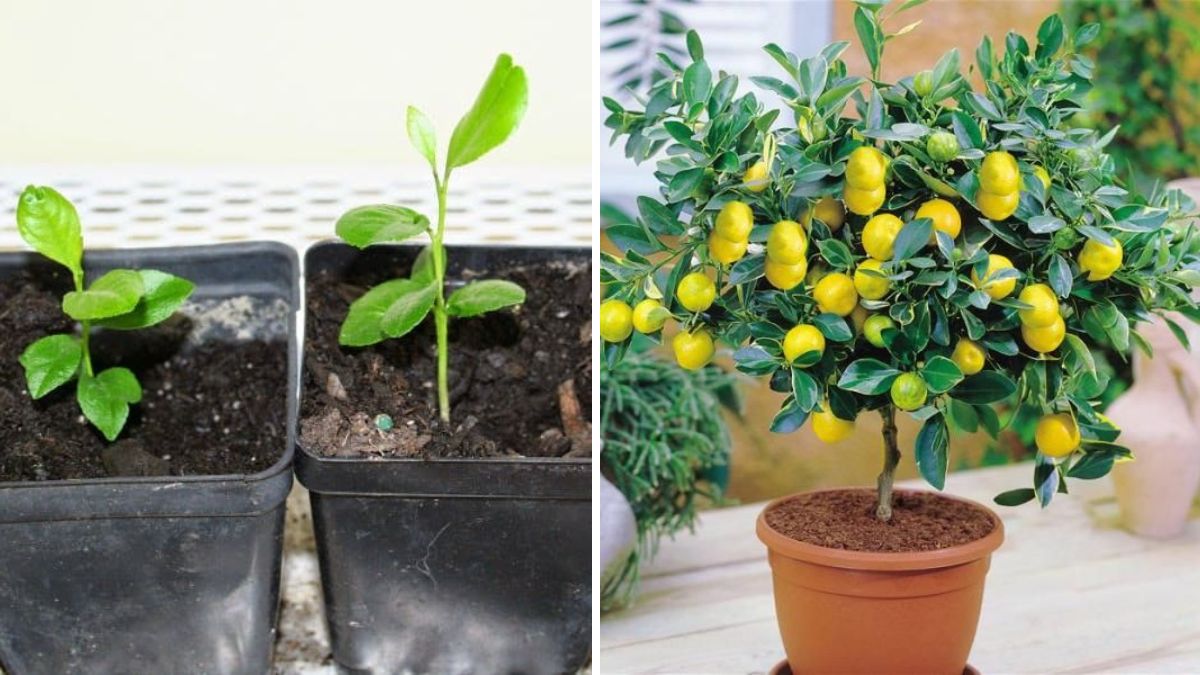
Growing your own lemon tree at home is one of the most rewarding gardening experiences you can have. From the refreshing scent of lemon blossoms to the satisfaction of harvesting your own fruits, the joy is unmatched. Many people assume that lemon trees can only be grown from seeds or grafted branches—but what if you could grow a brand-new lemon plant from just a single leaf?
Yes, it’s possible! While traditional cuttings are common, using a leaf with a small piece of stem (also called a petiole cutting) is a lesser-known but highly effective technique. This method allows gardeners to multiply their lemon plants with minimal effort and without needing a fully mature branch.
In this article, you will discover the exact steps, tips, and science behind creating a new lemon plant from a leaf, along with mistakes to avoid and expert tricks for maximum success.
Why Grow Lemon Plants from Leaves?
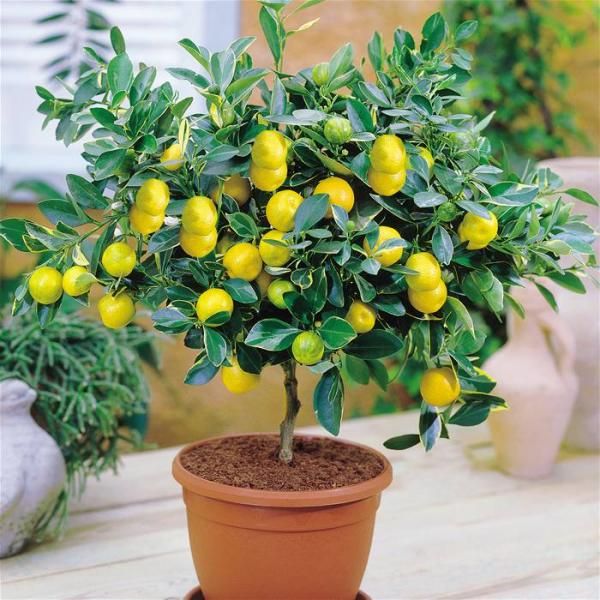
Growing lemon trees from leaves offers several benefits:
✔ Faster Growth Compared to Seeds
Seed-grown lemon trees can take 4–6 years to fruit, but leaf-propagated trees grow faster because they come from mature tissue.
✔ You Get a True-to-Type Plant
Seedlings do not always resemble the parent tree, but leaf cuttings maintain the same traits—fruit quality, flavor, and size.
✔ Low-Cost, High-Reward Method
All you need is one healthy leaf from a strong lemon tree.
✔ Perfect for Home Gardeners with Limited Space
You can grow multiple plants even if you only have one small lemon tree.
Understanding Lemon Leaf Propagation
Before diving into the actual method, it’s important to understand how this works.
Lemon leaves on their own cannot sprout roots because they lack a growth node. However, a leaf with a small portion of the stem (called a leaf-bud cutting) contains a dormant bud that can produce new roots and eventually grow into a plant.
This is the same technique used by professional nurseries for citrus propagation.
What You’ll Need
Gather the following materials:
- Healthy lemon leaves with a small piece of stem attached
- A clean pruning knife or scissors
- A small pot (6–8 inches)
- Well-draining soil (cocopeat + sand + compost mix)
- Rooting hormone powder or gel (optional but increases success)
- A transparent plastic bag or plastic bottle to create humidity
- A spray bottle
Step-by-Step Guide: How to Make a New Lemon Plant from a Leaf
Follow these simple steps carefully to ensure the highest success rate.
1. Choose the Right Leaf
Pick a healthy leaf from a mature, disease-free lemon tree.
Characteristics of a good leaf:
- Fresh green color
- No yellow spots or insect damage
- A small piece of stem attached (this is crucial!)
Avoid old, leathery, or damaged leaves—they root poorly.
2. Prepare the Leaf Cutting
This is the most important step.
How to prepare:
- Use clean, sharp scissors or a pruning tool.
- Cut the leaf with 1–2 cm of stem where a bud is located.
- Ensure that one active bud remains attached to the cutting.
Optional but recommended:
Dip the stem end in rooting hormone.
This helps stimulate root formation and prevents fungal rot.
3. Prepare the Soil Mix
Lemon leaf cuttings need light, airy, well-draining soil for proper rooting.
Best soil mix:
- 40% cocopeat
- 30% river sand or perlite
- 30% compost or vermicompost
This mix provides moisture retention, oxygen flow, and nutrients for new roots.
Avoid:
Heavy clay soil, garden soil, or overly wet potting mixes—they cause rotting.
4. Plant the Leaf Cutting
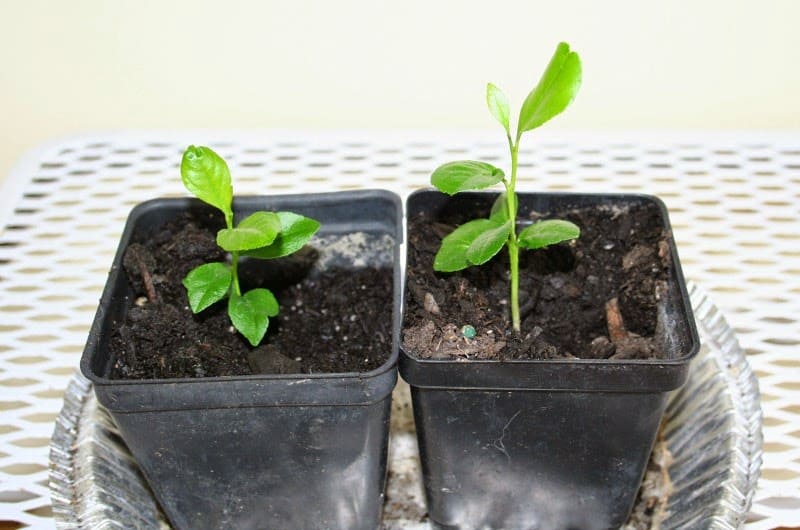
Now it’s time to plant your leaf.
Steps:
- Fill the pot with the prepared soil mix.
- Make a small hole in the center using your finger.
- Insert the stem into the soil about 1–2 cm deep.
- Firmly press the soil around it.
- Spray water lightly—do NOT soak the soil.
The leaf should stand upright firmly.
5. Create a Mini Greenhouse Setup
For leaf cuttings to root successfully, they need high humidity.
Two Easy Options:
Option A: Plastic Bag Method
- Cover the pot with a transparent plastic bag.
- Tie it loosely around the pot.
- Make 2–3 small holes for airflow.
Option B: Plastic Bottle Dome
- Cut a plastic bottle in half.
- Place the top half over the leaf cutting.
Both methods trap moisture and create the ideal environment for root formation.
6. Place in the Right Environment
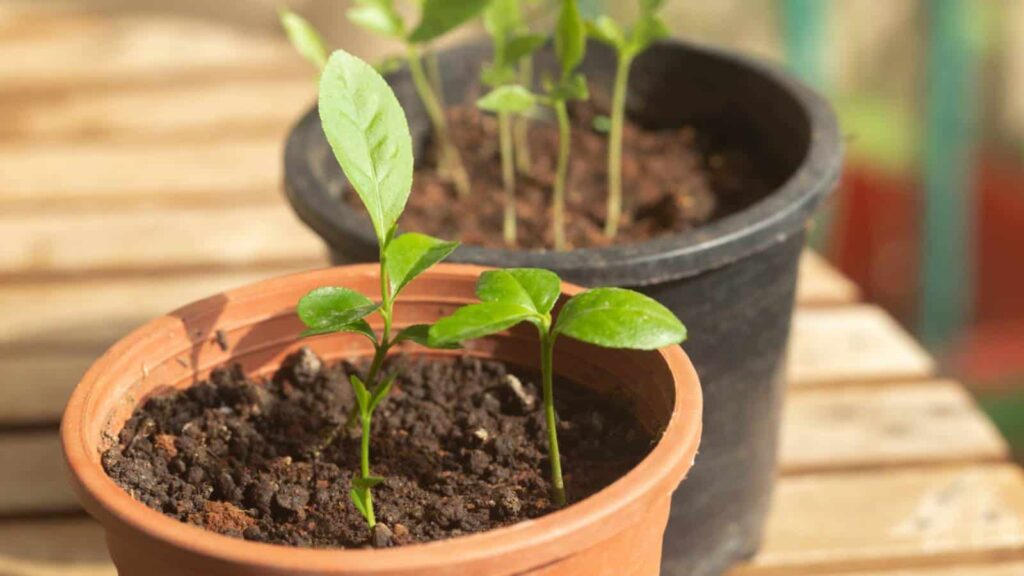
Lemon leaf cuttings need the following:
Ideal conditions:
- Bright indirect sunlight (NOT direct sunlight)
- Temperature between 20–28°C
- Warm but not hot environment
Avoid:
- Direct sunlight (it burns the leaf)
- Cold wind
- Overwatering
7. Maintain Proper Moisture
Humidity is vital for rooting, but waterlogged soil can cause fungal infection.
How to maintain moisture:
- Mist the soil lightly every 2–3 days.
- Never allow standing water.
- Keep the “mini greenhouse” in place for at least 3–4 weeks.
8. Root Development (3–6 Weeks)
You will not see immediate results, so patience is key.
What happens underground:
- Weeks 1–2: The cutting absorbs moisture.
- Weeks 2–4: Root initiation begins.
- Weeks 4–6: A small shoot emerges from the bud.
Signs of successful rooting:
- Leaf stays green (doesn’t dry out).
- A new tiny leaf or shoot appears near the stem.
If the leaf turns brown or shrivels, the cutting may have failed.
9. Transplanting to a Bigger Pot
Once your cutting develops new roots and shoots, it’s time to transplant.
When to transplant:
- After 6–8 weeks
- When the cutting has at least 3–4 new leaves
- When roots are visible through the drainage holes
Steps:
- Prepare a bigger pot (12 inches).
- Fill it with enriched potting soil (garden soil + compost + sand).
- Carefully remove the young plant without disturbing the roots.
- Replant and water gently.
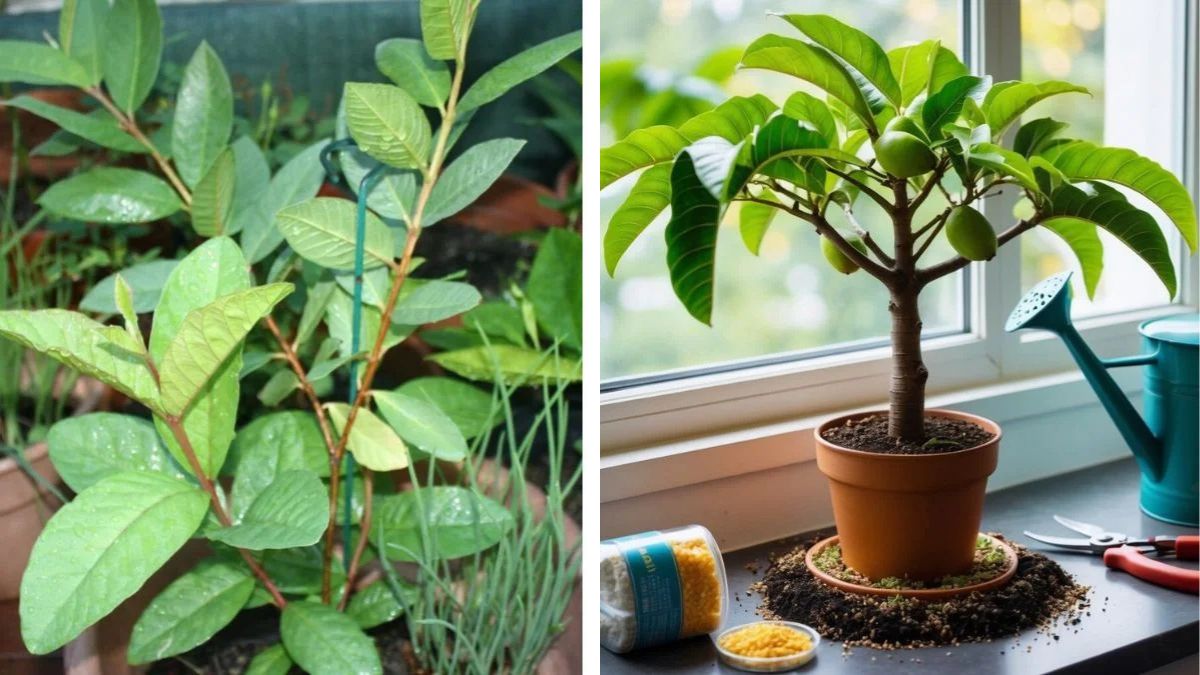
10. Care for Your Young Lemon Plant
Your new lemon plant needs proper care to grow into a healthy fruiting tree.
Sunlight:
- 4–6 hours of direct sunlight daily (after transplanting)
Watering:
- Water when the top 1 inch of soil feels dry.
- Avoid overwatering.
Fertilizers:
Feed monthly with:
- Compost
- Banana peel fertilizer
- Seaweed solution
- Cow dung or vermicompost
Pruning:
Remove weak shoots to encourage strong growth.
Pest Control:
Watch for aphids, scale insects, and mealybugs.
Use neem oil spray once every 2 weeks.
Common Mistakes to Avoid
❌ Using old or weak leaves
They rarely root.
❌ Planting without a piece of stem
A leaf alone cannot grow into a plant.
❌ Overwatering
This causes root rot and fungal infection.
❌ Keeping in direct sunlight
This dries the leaf and stops rooting.
❌ Removing the humidity dome too early
The cutting may dry out and die.
How Long Until It Becomes a Tree?
- Roots form: 3–6 weeks
- Plant strengthens: 2–3 months
- Plant reaches 1–2 feet: 8–10 months
- Fruiting begins: 2–3 years (depending on care and climate)
This method gives you a strong, healthy tree faster than growing from seed.
Why This Method Works So Well
The small section of stem attached to the leaf contains a dormant bud.
When placed in a moist, warm environment, this bud activates and:
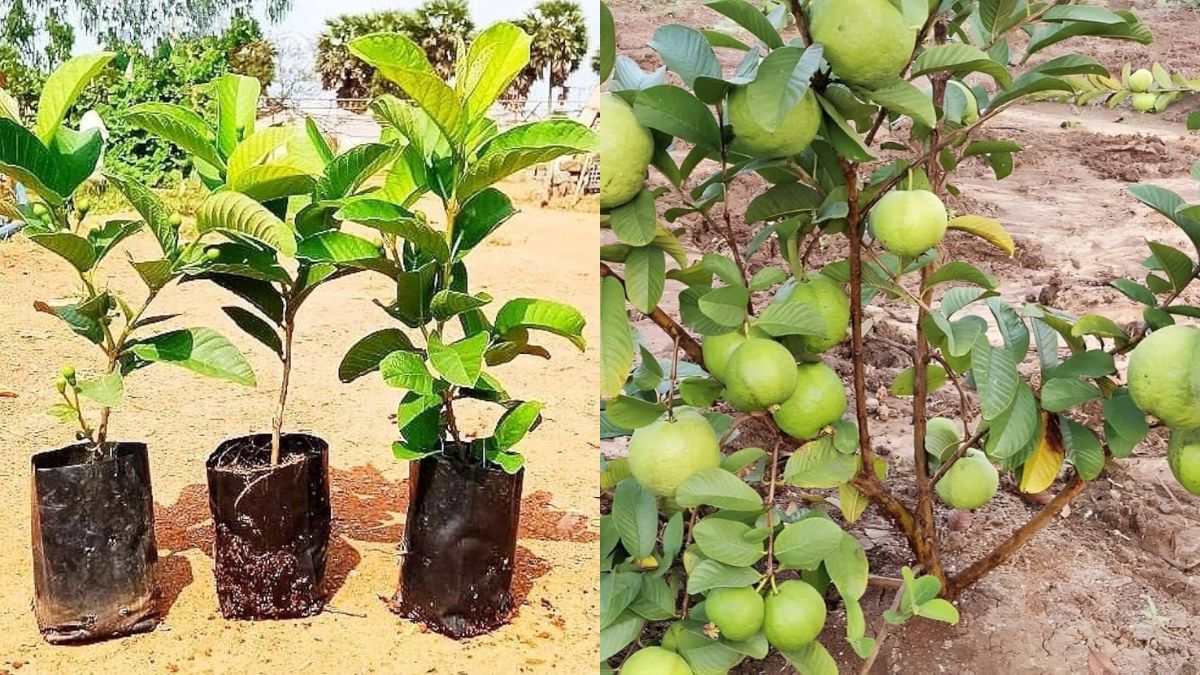
- Produces callus tissue
- Develops tiny white roots
- Forms a shoot
- Grows into a new lemon plant
It’s simple biological magic—and now you can use it to grow unlimited lemon plants at home.
Final Thoughts
Growing a new lemon plant from a single leaf is not just a clever garden trick—it’s a practical, space-saving method to multiply your citrus plants for free. With patience and proper care, this small leaf can turn into a thriving lemon tree that produces fragrant blossoms and juicy fruits for years to come.
So the next time you prune your lemon tree, don’t throw away those healthy leaves. Each one holds the potential to become a brand-new plant. Try this method once, and you’ll never run out of lemon trees again!