Litchi, often called the “king of fruits,” is prized for its sweet, juicy, and aromatic flesh. While litchi trees are tropical and subtropical, they can be grown successfully at home with the right propagation techniques. One of the most effective and reliable methods to grow litchi plants is air layering. Unlike growing litchi from seeds, which can take years and may not produce fruit identical to the parent tree, air layering allows gardeners to produce genetically identical, healthy, and fruit-bearing plants faster.
In this guide, we’ll explore how to grow litchi plants easily using air layering, covering everything from selecting the parent tree to nurturing the new plant.
Why Air Layering is Ideal for Litchi Plants
Litchi trees have a long juvenile period, and growing them from seeds can take 5–10 years before they bear fruit. Air layering offers several advantages:
- Faster Fruiting: Air-layered plants often bear fruit within 2–3 years.
- Genetic Consistency: Produces a plant identical to the parent, ensuring the same fruit quality.
- High Success Rate: When done correctly, air layering provides reliable propagation.
- Low Maintenance: Requires minimal equipment and space compared to nursery grafting.
- Adaptable to Home Gardening: Works well in pots, home gardens, and small orchards.
Air layering is particularly suitable for home gardeners and small-scale farmers looking for early, high-quality fruit production.
Materials Needed for Air Layering
To propagate litchi successfully, gather the following materials:
- Healthy parent litchi tree for selecting a branch
- Sharp knife or blade for cutting the bark
- Sphagnum moss or moist garden soil for rooting
- Plastic wrap or polyethylene sheet to cover the moss
- Twine or tape to secure the wrapping
- Rooting hormone (optional) to stimulate root growth
Having all materials ready ensures a smooth and successful air layering process.
Selecting the Right Branch for Air Layering
Not all branches are suitable for air layering. Choose a branch that:
- Is healthy and disease-free, with no signs of pests or decay.
- Is mature but not too old—usually one-year-old wood works best.
- Has a diameter of about 1–2 cm, which provides sufficient nutrients for root development.
- Receives adequate sunlight, as this stimulates growth and root formation.
Proper selection of the branch is crucial for successful rooting and a healthy new plant.
Step-by-Step Guide to Air Layering Litchi Plants
Step 1: Preparing the Branch
- Choose a healthy branch on the parent tree.
- Select a point about 12–18 inches from the tip for rooting.
- Make a circular cut around the branch, about 1–2 inches wide, removing the bark carefully without damaging the wood.
- Scrape off the green layer (cambium) just inside the bark to expose the woody stem. This prevents the branch from sending nutrients downward and encourages root formation at the cut site.
Step 2: Applying Rooting Hormone (Optional)
- Applying rooting hormone to the exposed area can speed up root development.
- Gently dust or coat the exposed area with a rooting powder or gel.
- This step is optional but highly recommended for faster and stronger root growth.
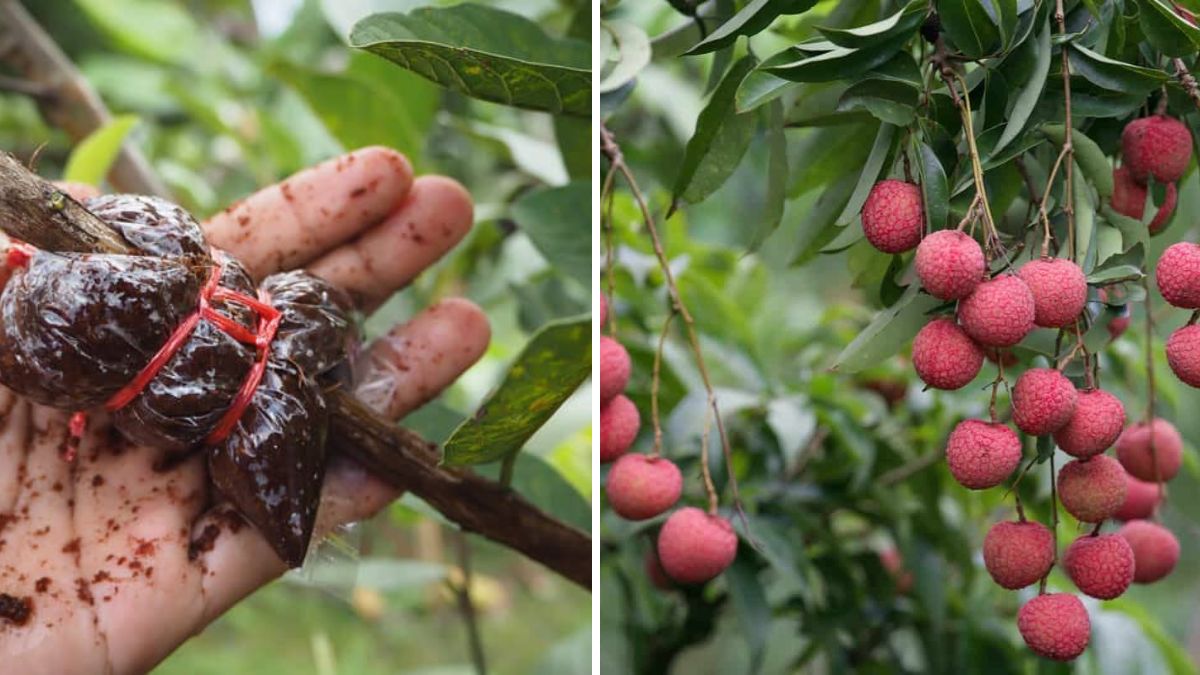
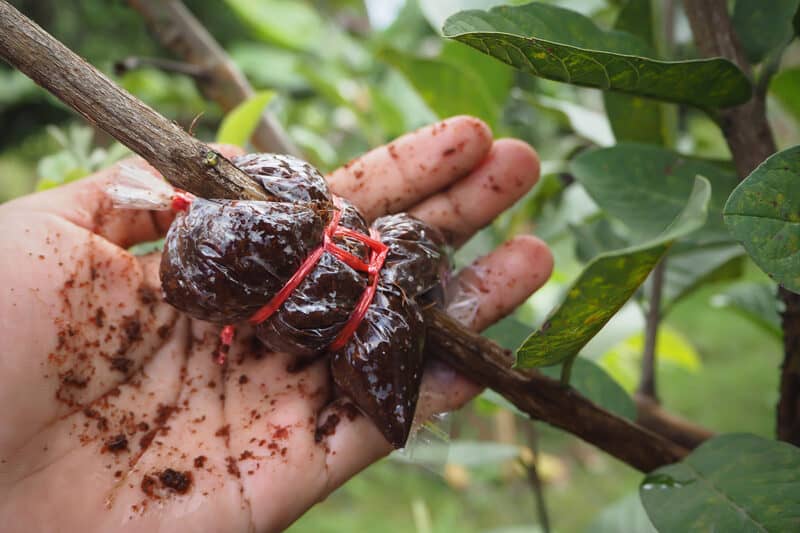
Step 3: Wrapping with Moist Medium
- Take a handful of moist sphagnum moss or garden soil and wrap it around the exposed area.
- Ensure the medium is damp but not soggy.
- Cover the moss or soil with a plastic sheet, securing it with twine or tape.
- Make sure the covering is airtight to retain moisture and warmth, creating a mini-greenhouse effect around the branch.
Step 4: Waiting for Root Formation
- Roots usually start forming within 4–8 weeks, depending on temperature and humidity.
- Check periodically by gently opening a small portion of the wrap.
- Ensure the moss remains moist by sprinkling water if needed.
- Avoid overwatering, which can cause rot, or letting it dry out, which will halt root development.
Step 5: Cutting and Planting the Air-Layered Branch
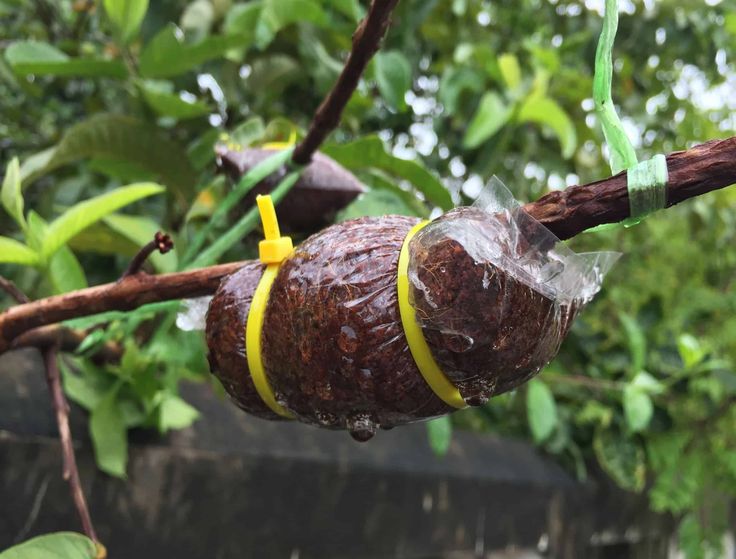
- Once a healthy root system has developed, usually indicated by visible white roots, cut the branch just below the new root ball.
- Carefully remove the plastic wrap and any remaining moss.
- Plant the rooted branch in a well-prepared pot or directly in the garden soil.
- Water immediately to help the plant establish and retain moisture.
Potting and Soil Requirements
For air-layered litchi plants, proper soil and potting are essential:
- Use well-draining soil enriched with compost or organic matter.
- Slightly acidic soil (pH 5.5–6.5) works best.
- Pots should be at least 12–15 inches deep for young plants.
- Mulching around the base retains soil moisture and protects roots.
With the right soil, your litchi plant can grow strong and healthy, ensuring early fruiting in the coming years.
Sunlight, Watering, and Care
Sunlight
- Litchi plants require full sunlight for 6–8 hours daily.
- For indoor or balcony planting, place the plant in a sunny spot or use grow lights.
Watering
- Keep the soil consistently moist, especially during the first few months after planting.
- Avoid waterlogging, which can cause root rot.
- Water deeply to encourage strong root growth.
Fertilization
- Use a balanced organic fertilizer every 4–6 weeks.
- Apply nitrogen-rich fertilizer to stimulate leaf growth and potassium/phosphorus for flowering and fruiting.
Pruning
- Prune the plant lightly to encourage a bushy structure.
- Remove any dead or diseased leaves to prevent infections.
Pest and Disease Management
Even air-layered litchi plants can be affected by pests and diseases:
- Common Pests: Aphids, mealybugs, and mites. Control with neem oil or insecticidal soap.
- Diseases: Powdery mildew and root rot. Ensure proper air circulation and avoid overwatering.
- Preventive Care: Regularly inspect plants, remove infected leaves, and maintain a clean environment.
Advantages of Air Layering Litchi Plants
- Faster Fruiting: Produces fruit in 2–3 years compared to seed-grown plants that take 5–10 years.
- High Success Rate: When done properly, air layering yields strong, healthy plants.
- Genetic Consistency: Ensures the fruit quality is identical to the parent tree.
- Low Maintenance: Minimal tools and space are required, making it ideal for home gardeners.
- Eco-Friendly: Promotes sustainable propagation without relying on commercial nurseries.
Tips for Success
- Use healthy parent trees free from pests or diseases.
- Choose semi-hardwood branches for optimal rooting.
- Maintain moisture consistently around the air-layered site.
- Be patient—root development may take several weeks, but the results are rewarding.
- Gradually acclimate the new plant to direct sunlight after planting.
Conclusion
Air layering is one of the easiest and most effective ways to grow litchi plants at home. By following the steps outlined—selecting the right branch, preparing the site, wrapping with a moist medium, and caring for the newly rooted plant—you can enjoy the benefits of early fruiting, strong growth, and genetically consistent litchi trees.
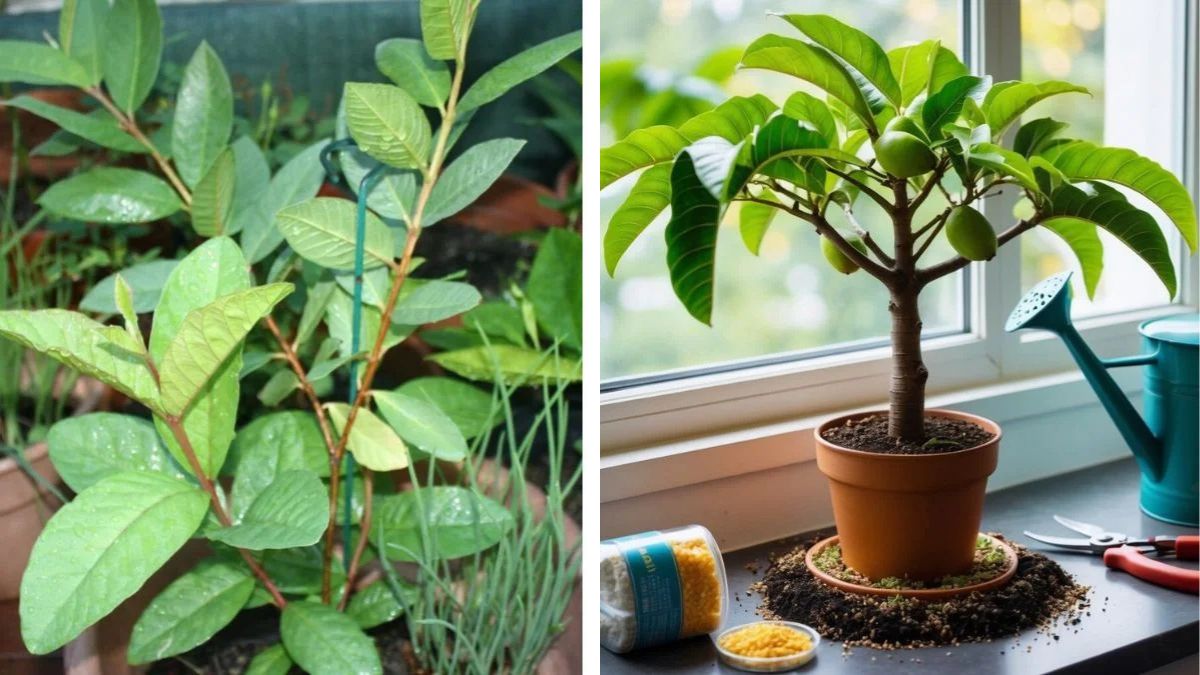
This technique is perfect for home gardeners, balcony growers, and anyone passionate about cultivating high-quality fruit at home. With minimal tools, patience, and proper care, air-layered litchi plants can thrive, producing delicious, aromatic fruit for years to come.
Growing litchi through air layering not only shortens the time to fruit production but also provides a sense of accomplishment and connection to nature. With dedication and the right approach, anyone can successfully propagate and grow litchi plants easily at home.