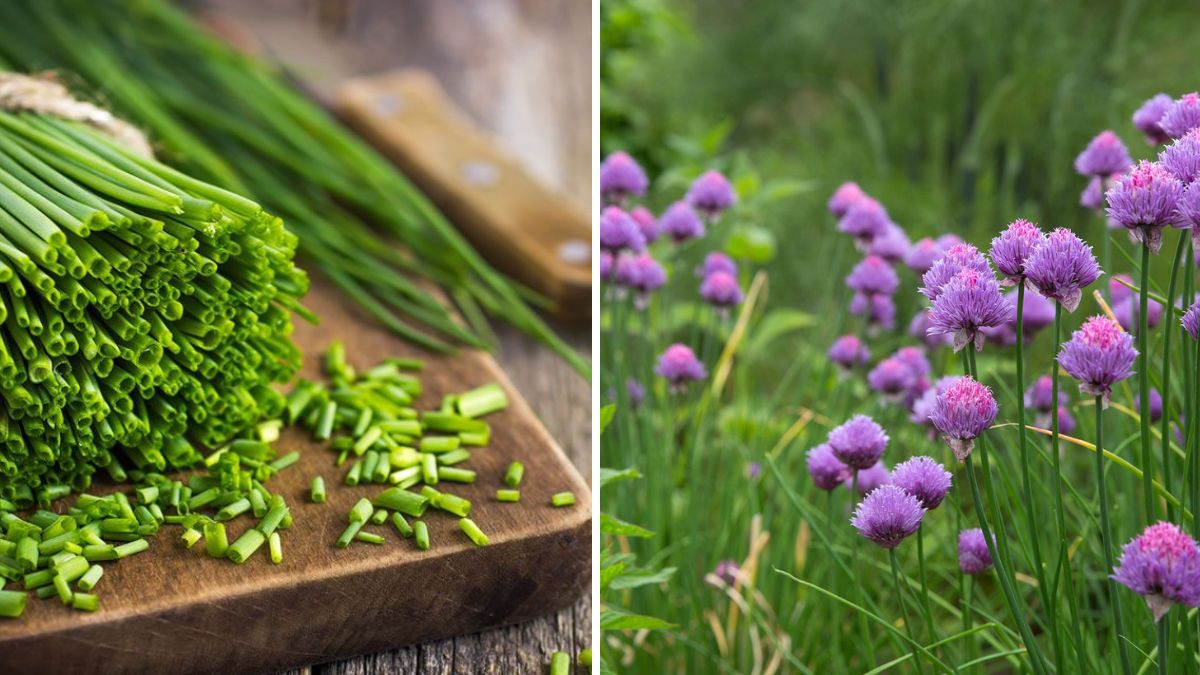
Chives are one of the easiest and most rewarding herbs to grow at home. Whether you have a full garden, a balcony, or just a sunny windowsill, chives thrive almost anywhere. Their delicate onion-like flavor makes them perfect for seasoning soups, eggs, salads, potatoes, dips, and countless dishes. But beyond their culinary use, chives are beautiful, resilient, and practically grow themselves with the right care.
In this 1200-word article, you’ll discover valuable chive tips—from planting and maintenance to harvesting and multiplying your supply. If you want an herb that gives you continuous leaves year-round, chives are the perfect choice.
1. Why Chives Are a Must-Have Herb in Every Home Garden
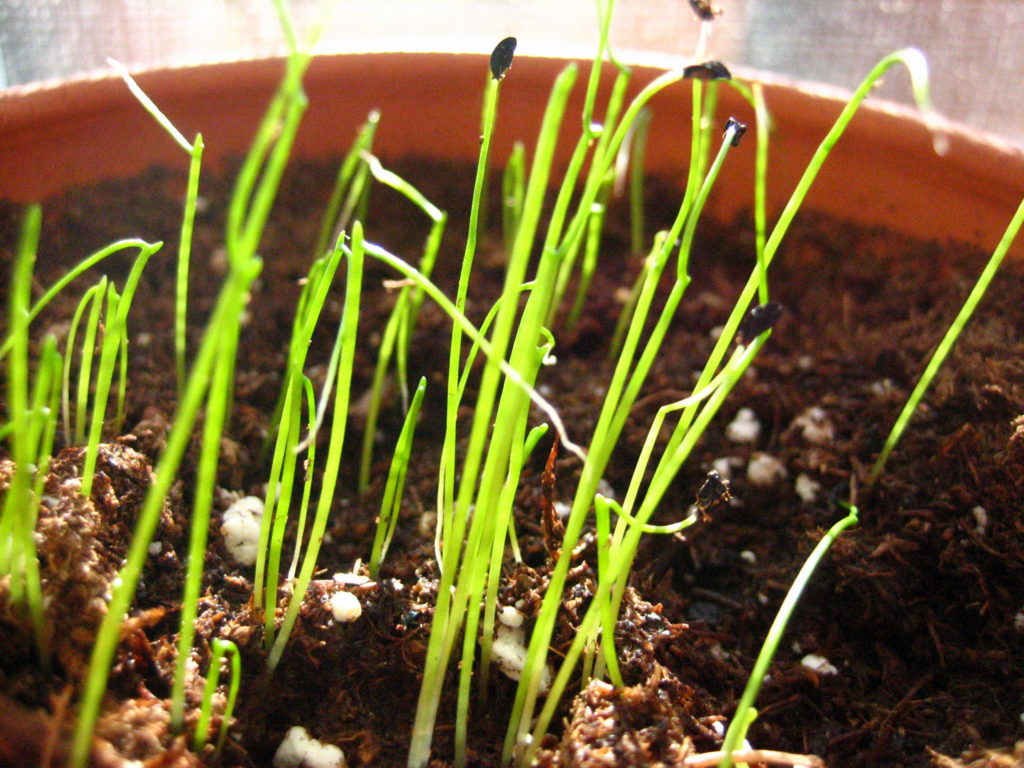
Chives belong to the onion family and are one of the few herbs that grow back quickly after harvest. A single plant can produce leaves for years, making it a fantastic low-maintenance option for beginners.
Benefits of Growing Chives:
✔ Perennial—comes back year after year
✔ Perfect for pots, raised beds, or garden soil
✔ Requires very little space
✔ Edible leaves and flowers
✔ Natural pest repellent
✔ Enhances flavor of nearby plants
Because they grow in clumps, chives multiply steadily, giving you more plants without extra cost.
2. Best Varieties of Chives to Grow
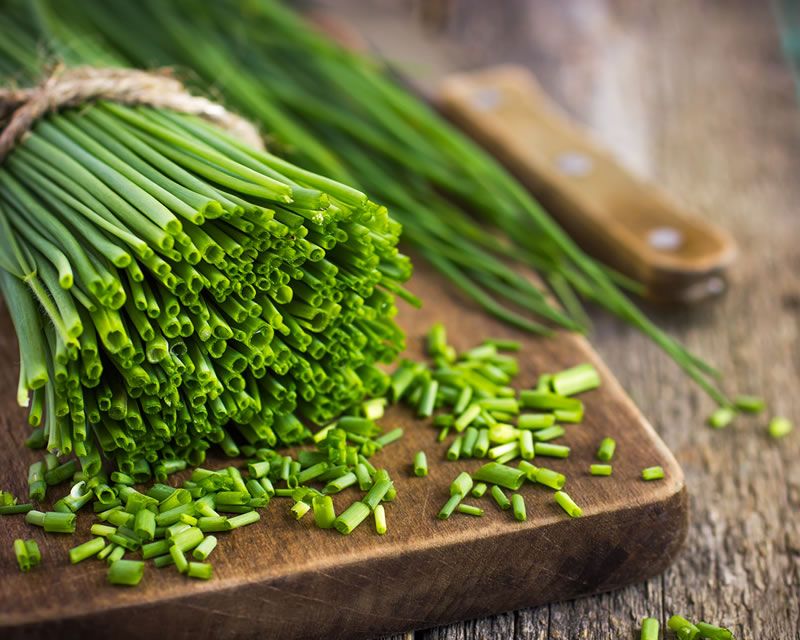
There are two main types of chives, and each has its unique charm.
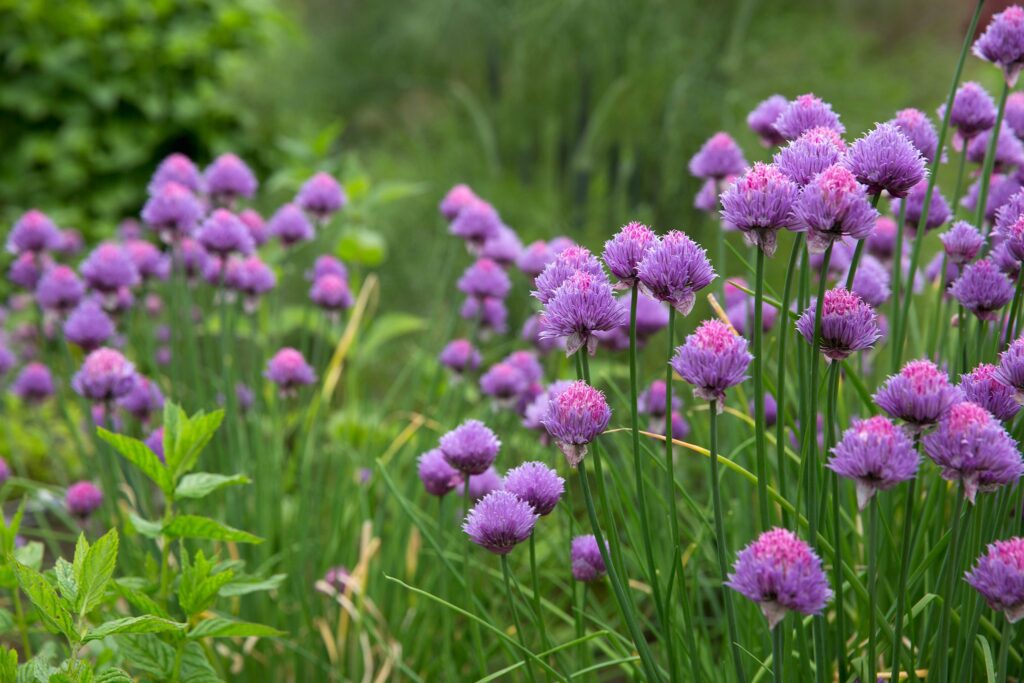
A. Common Chives (Allium schoenoprasum)
- Slender, hollow leaves
- Mild onion flavor
- Purple, round flowers
- Excellent for most dishes
B. Garlic Chives (Allium tuberosum)
- Flat, wider leaves
- Strong garlic-like flavor
- White flowers
- Perfect for stir-fries, dumplings, noodles
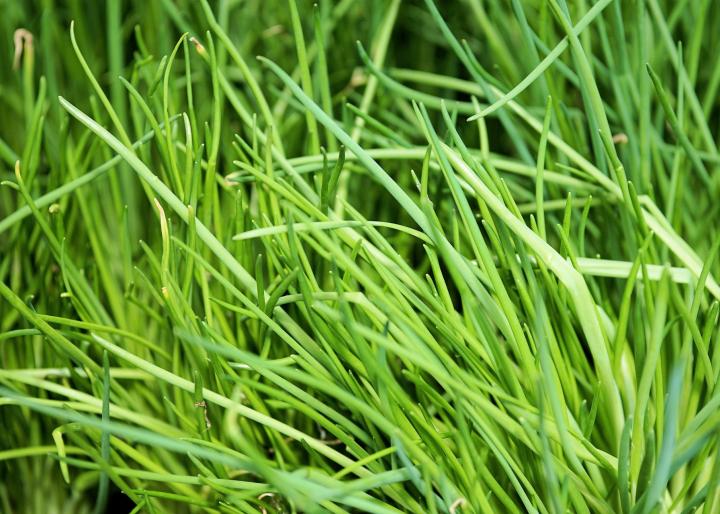
Both thrive under similar conditions, so choose based on your taste preference.
3. Where and When to Plant Chives
Chives grow best when they receive plenty of sunlight and good airflow.
Ideal Growing Conditions:
- Sunlight: 5–7 hours daily
- Temperature: 15°C–30°C
- Soil: Loamy, well-draining soil
- pH: Slightly acidic to neutral
Chives can tolerate cold weather and will regrow after winter. In warm climates, they grow year-round.
Planting Season
- Spring is ideal, but
- You can plant any time of year in warm regions
Chives grow well from both seeds and divisions.
4. How to Plant Chives from Seeds
Though chives grow slowly from seeds, the process is rewarding.
Steps to Grow Chives from Seeds:
- Choose a pot or bed with good drainage.
- Fill with light soil mix:
- 50% garden soil
- 25% compost
- 25% coco peat
- Sow seeds 1 cm deep.
- Keep soil moist, not soaked.
- Seeds germinate within 10–20 days.
- Transplant when seedlings are 10–12 cm tall.
Chives planted from seeds reach full harvest size in 60–90 days.
5. Growing Chives from Divisions (The Easiest Way)
If you want faster results, divide an existing chive plant.
How to Divide Chives:
- Dig up the plant.
- Separate the clump into smaller bunches (10–15 stems each).
- Replant each clump in a new pot or garden spot.
- Water well and keep in partial shade for 2–3 days.
This method gives you an instant supply of fresh chives and multiple new plants for free.
6. Best Pot Size and Soil for Chives
Chives don’t need large containers, but they appreciate some depth.
Recommended Pot Size:
- Minimum: 6–8 inches deep
- Best: 10–12 inches wide
Chive roots grow shallow, but wider pots allow better clump expansion.
Perfect Soil Mix:
- 40% compost
- 30% garden soil
- 30% coco peat or sand
Good drainage prevents root rot and promotes healthy leaf development.
7. Watering Tips: How Much Water Do Chives Need?
Chives like slightly moist soil but dislike waterlogging.
Watering Guide:
- Water 2–3 times per week in warm weather
- Water once a week in cool weather
- Keep soil evenly moist, not soggy
- Mulch helps retain moisture
Yellowing leaves often mean overwatering, while droopy leaves indicate thirst.
8. Sunlight Tips for Bushy, Healthy Chives
Sunlight plays a major role in leaf growth and flavor.
Sunlight Requirements:
- 5–7 hours of direct sunlight daily
- If indoors, place near a sunny window
Low light results in thin, weak leaves. If your area gets too much heat, provide light afternoon shade.
9. Fertilizing Chives: Keep Growth Continuous
Chives don’t demand heavy feeding, but they respond well to organic fertilizers.
Fertilizers to Use:
- Vermicompost
- Aged cow dung
- Seaweed extract
- Compost tea
- Diluted fish fertilizer
Feeding Schedule:
- Add compost every 30 days
- Apply liquid fertilizer every 15 days
- Avoid chemical fertilizers—they make leaves too soft
Healthy soil equals healthy chives.
10. How to Keep Chives Thick and Bushy
This is the most important chive tip:
Regular harvesting encourages new growth.
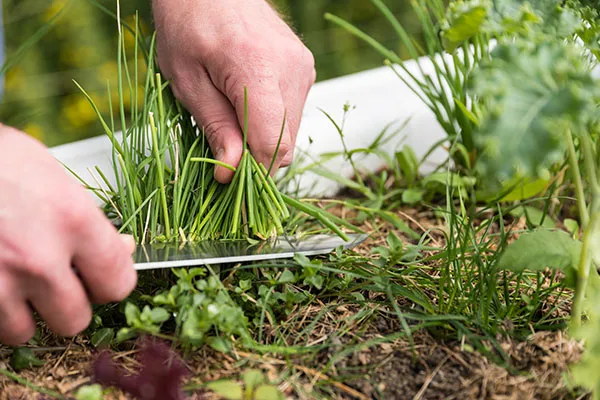
How to Harvest Correctly:
- Use scissors.
- Cut leaves from the base, leaving 3–5 cm above soil.
- Never pluck individual leaves from the middle—this slows growth.
- Harvest every 7–10 days for continuous production.
Consistent trimming makes chives grow faster, thicker, and healthier.
11. How to Multiply Chives Quickly (Infinite Chives Method)
If you want endless chives, try this technique.
Infinite Chives Method:
- Let one pot grow dense.
- After 2–3 months, divide into 4–6 new clumps.
- Plant each clump in a new pot.
- Each new clump will triple in 6–8 weeks.
With this method, one pot can become dozens within months.
12. Common Problems and How to Fix Them
1. Yellow Leaves
Cause: Overwatering
Fix: Improve drainage, reduce water
2. Brown Leaf Tips
Cause: Too much sun or fertilizer
Fix: Provide shade, flush soil with water
3. Slow Growth
Cause: Poor soil or low sunlight
Fix: Add compost, relocate to sun
4. Pests
Chives are naturally pest-resistant, but sometimes may get:
- Aphids
- Thrips
Fix: Spray with neem oil weekly.
13. Companion Planting: Chives Help Other Plants Thrive
Chives are excellent companions for vegetables and flowers.
Plants That Benefit from Chives:
- Tomatoes
- Carrots
- Strawberries
- Cucumbers
- Lettuce
- Roses
Chives repel pests like aphids and enhance flavor in nearby crops.
14. How to Use Chive Flowers
Chive flowers are edible and flavorful.
Uses:
- Add to salads
- Make infused vinegar
- Use as garnish
- Dry them for herb mixes
Their mild onion taste adds beauty and flavor to dishes.
15. Harvesting and Storing Chives
Fresh chives taste best, but you can also store them.
Storage Methods:
- Refrigerate in a damp cloth (lasts 5–7 days)
- Freeze chopped leaves in airtight bags
- Dry them in shade and store as herb powder
Freezing preserves the flavor best.
Conclusion
Chives are one of the most beginner-friendly, productive, and versatile herbs you can grow. With simple care—good sunlight, moderate water, regular harvesting, and occasional feeding—you can enjoy fresh chives all year long. They multiply quickly, improve garden health, and elevate your cooking with their delicate onion flavor.
Whether you’re growing them on a balcony or in a backyard, these chive tips will help you create a lush, flourishing herb patch that keeps giving endlessly.
If you’d like, I can also create: