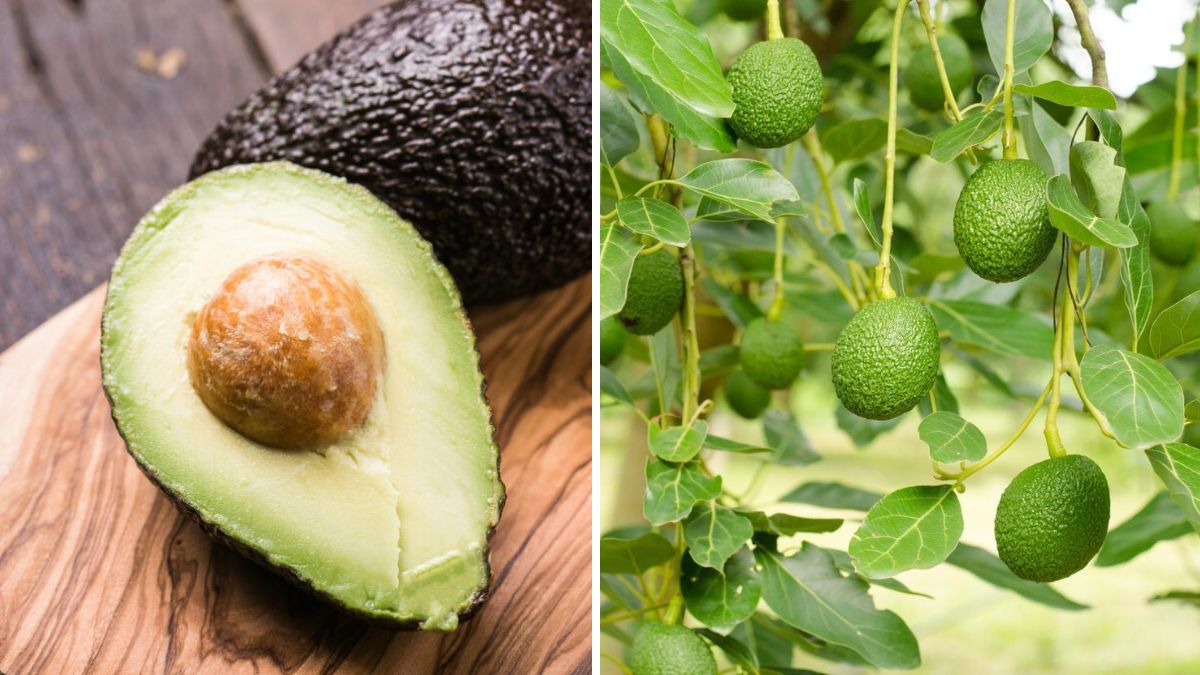
The avocado tree is one of the most rewarding fruit trees to grow at home. Its lush green canopy, evergreen foliage, and the promise of nutrient-rich, creamy avocados make it a favorite among gardeners. Yet many growers struggle with the same frustrating issue: the tree grows beautifully, but it doesn’t produce fruit.
If you’ve ever wondered why your avocado tree is not bearing, or how to boost its productivity, this comprehensive guide will walk you through every step needed to transform your tree into a reliable, abundant producer.
1. Understand How Avocado Trees Produce Fruit
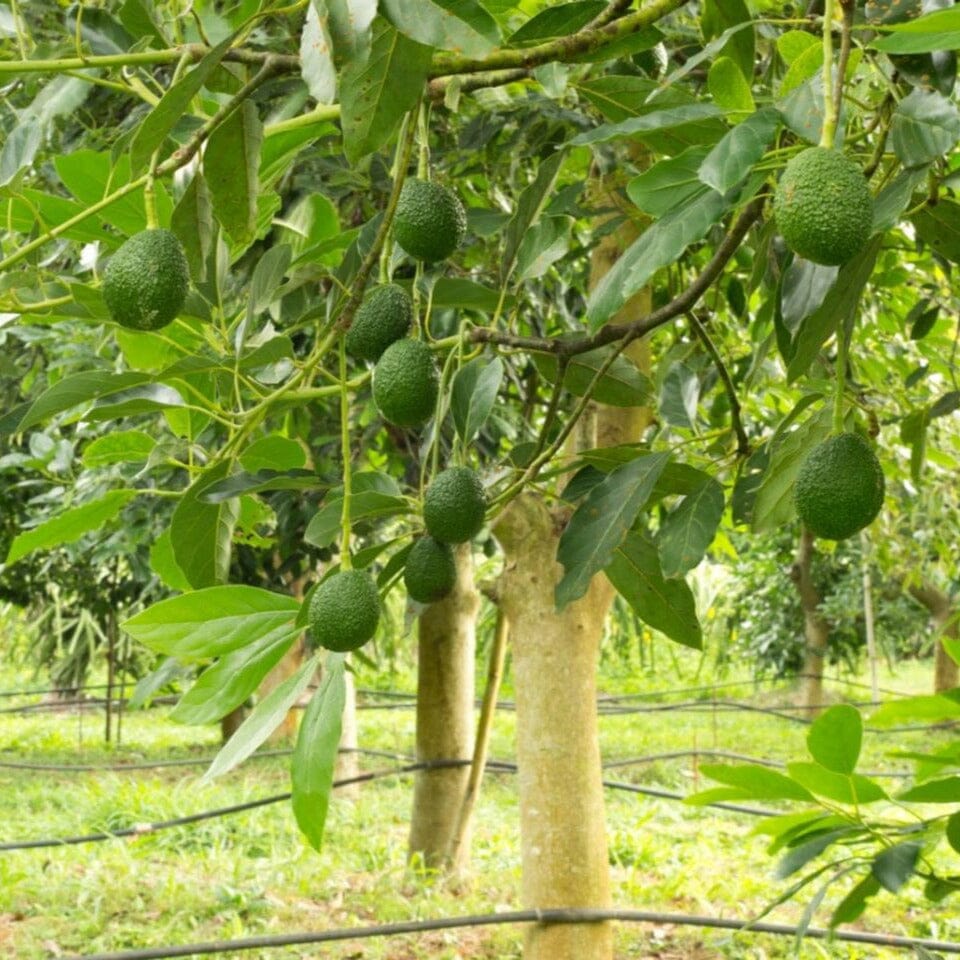
Before improving production, you need to know how avocado flowering and fruiting work. Avocados have a unique behavior called synchronized dichogamy. Each flower opens twice—first as female, then as male.
There are two types:
- Type A varieties (e.g., Hass, Pinkerton): Female in the morning, male in the afternoon.
- Type B varieties (e.g., Fuerte, Bacon): Female in the afternoon, male the next morning.
This means having both types nearby dramatically increases pollination, especially in home gardens where natural pollinators may be fewer.
Key takeaway:
Plant one Type A and one Type B avocado variety if possible. This ensures overlapping male and female phases and greatly boosts fruit set.
2. Choose the Right Variety for Your Climate
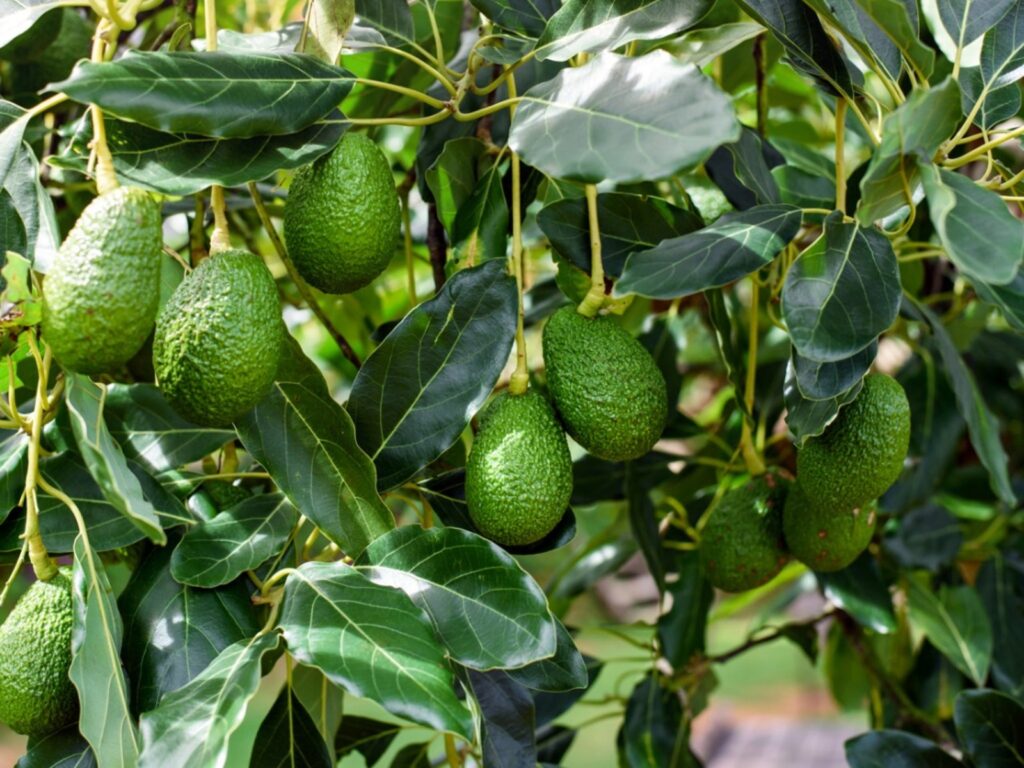
Avocado trees thrive in warm climates (20–30°C), but not all varieties tolerate the same conditions.
Best varieties for warm climates (India, Southeast Asia, tropical regions):
- Hass
- Fuerte
- Ettinger
- Pinkerton
For cooler subtropical climates:
- Bacon
- Zutano
- Mexicola
Picking the right variety ensures the tree flowers and fruits properly in your local environment.
3. Start with a Grafted Tree – Not a Seedling
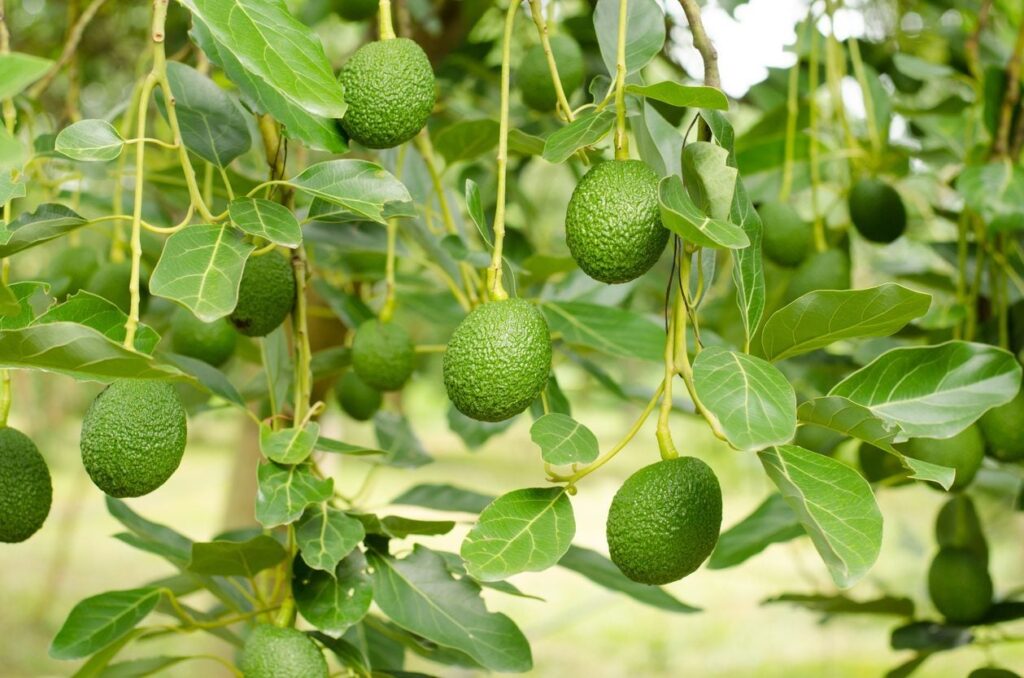
Many people grow avocado trees from seed, but seed-grown trees may take 8–12 years or more to produce fruit—if they produce at all. They also do not guarantee the characteristics of the parent fruit.
A grafted avocado tree, however:
- Begins producing in 3–4 years
- Has predictable fruit quality
- Is guaranteed to be a productive variety
- Has stronger, more disease-resistant rootstock
If your current tree is from seed and is already large but unproductive, consider having it top-worked (grafted with a productive scion).
4. Provide Full Sun – At Least 6–8 Hours Daily
Avocado trees are sun-loving. Less sunlight means:
- Fewer flowers
- Weak branches
- Poor fruit development
Plant the tree in the brightest area of your garden or terrace. If it’s potted, rotate the pot every few weeks to ensure even growth.
5. Use the Right Soil and Drainage
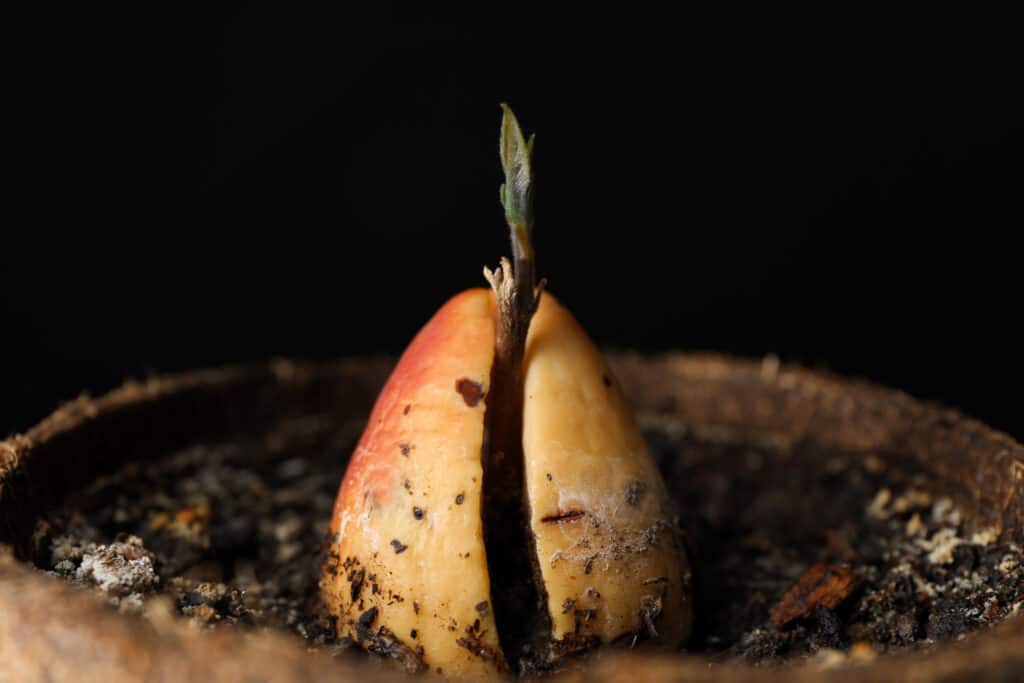
Avocado roots are sensitive and will rot easily if the soil stays wet.
Ideal soil mix:
- 40% garden soil
- 30% coarse sand or perlite
- 30% compost
The soil should be:
✔ Well-draining
✔ Slightly acidic (pH 6–6.5)
✔ Rich in organic matter
If the soil is too heavy or clay-like, elevate the planting area or grow the tree in a mound to prevent waterlogging.
6. Water Correctly – Never Overwater
The most common mistake people make is overwatering. Avocado roots love oxygen, and constantly wet soil suffocates them.
Watering guidelines:
- Water deeply only when the top 5–7 cm of soil is dry.
- During flowering and fruiting, avoid water stress but do not let the soil stay soggy.
- In pots, ensure there are large drainage holes.
Tip: Mulch the base of the tree with dry leaves or coco chips to keep moisture consistent.
7. Feed the Tree Properly for Better Fruit Set
Avocado trees are heavy feeders, especially during flowering.
Fertilizer schedule:
Early spring (before flowering):
- Apply a balanced fertilizer with NPK 10-10-10
- Add well-decomposed compost
During flowering:
Use flower-boosting nutrients:
- High phosphorus (P)
- High potassium (K)
- Very low nitrogen
Recommended organic supplements:
- Banana peel liquid
- Wood ash (small amounts)
- Bone meal
- Rock phosphate
During fruit development:
- Apply potassium-rich fertilizers
- Avoid excessive nitrogen, which encourages leaves instead of fruits
Micronutrients essential for fruiting:
- Zinc
- Boron
- Magnesium
A deficiency in these can cause flower drop or small, deformed fruits.
8. Prune Smartly to Improve Flowering
Pruning helps the avocado tree channel its energy into fruiting rather than uncontrolled growth.
Light pruning rules:
- Remove vertical water shoots
- Open up the center for airflow and light
- Trim overly long branches to encourage lateral growth, where flowers form
Important:
Do not prune heavily just before flowering, or you may remove the branches that would have produced fruit.
9. Encourage Pollinators for Better Fruit Set
Avocado flowers benefit greatly from bees and other insects. Without pollinators, fruit set may be extremely low.
How to attract pollinators:
- Plant bee-friendly flowers nearby (marigold, basil, sunflowers)
- Avoid chemical pesticides
- Place a bowl of water with stones to keep bees hydrated
- If trees are indoors or isolated, hand-pollinate using a soft brush
10. Control Flower Drop Naturally
It’s normal for avocado trees to drop a large percentage of flowers, but excessive drop signals stress.
Common causes of flower drop:
- Overwatering
- Nutrient imbalance
- Lack of pollination
- Heat or cold stress
What you can do:
- Spray a mild seaweed extract to reduce stress
- Maintain consistent watering
- Add micronutrient-rich compost tea
Seaweed extract helps stabilize hormonal balance during flowering.
11. Ensure the Tree Is the Right Age
Even grafted trees need time to mature. Most varieties start producing around 3–4 years. Seedlings may take a decade. If your tree is older than 7 years and still not producing, the likely issues are:
- Wrong variety
- Poor pollination
- Excess nitrogen
- Insufficient sunlight
Correcting these often results in fruiting within a year or two.
12. Protect from Pests and Diseases
Common avocado pests include:
- Aphids
- Thrips
- Mites
- Mealybugs
These can damage flowers and reduce fruit set.
Organic treatments:
- Neem oil spray (early morning or late evening)
- Soap + water spray for soft-bodied insects
- Release ladybugs if available
Ensure good airflow around the tree to prevent fungal issues.
13. Consider Grafting or Top-Working for Faster Productivity
If your avocado tree is large but unproductive, top-working can transform it quickly.
This involves grafting a productive scion onto the existing tree. The benefit:
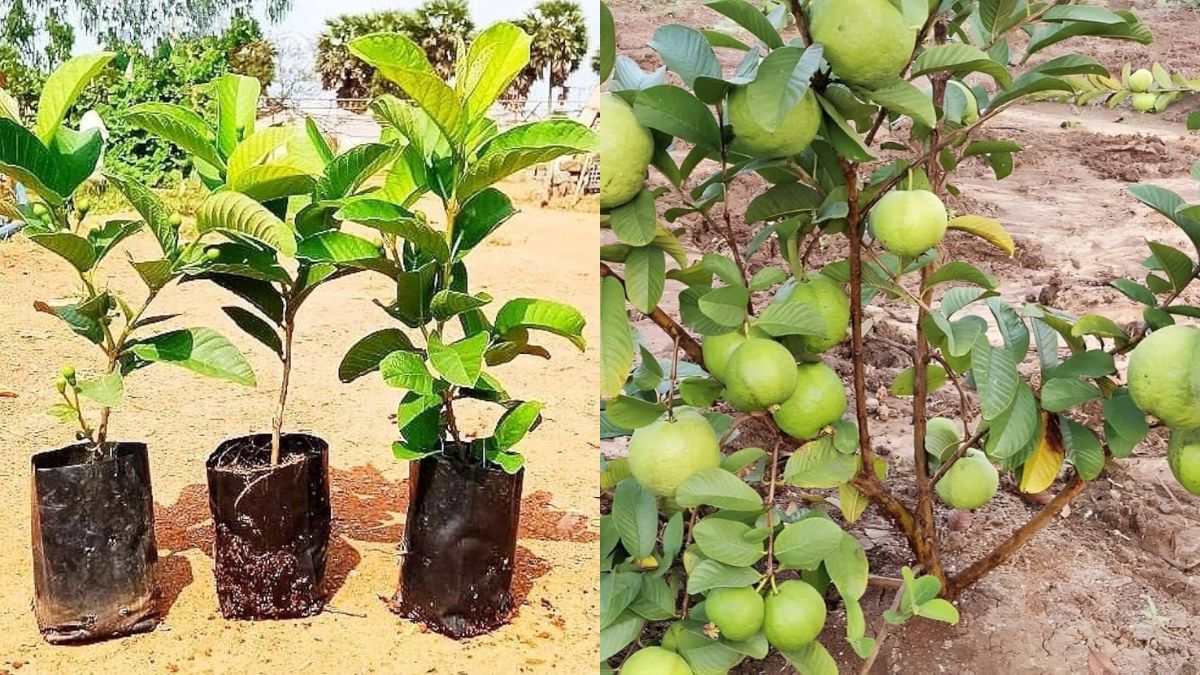
- You keep the strong root system
- New branches fruit within 1–2 years
- You can even graft multiple varieties on one tree
This is one of the most efficient ways to turn an unproductive tree into a fruiting one.
14. Be Patient and Consistent
Avocado trees reward long-term care. Once they start producing, they become increasingly productive every year.
Signs your tree will soon produce:
- Fuller canopy
- Increased branching
- Abundant flowering
- Presence of pollinators
With proper care, a mature tree can produce hundreds of avocados per year.
Final Thoughts
Making your avocado tree produce fruit is not difficult—it’s about creating the right conditions. With adequate sunlight, proper watering, balanced nutrition, good pollination, and regular pruning, your avocado tree can become a highly productive and rewarding part of your garden.
If you want, I can also create: