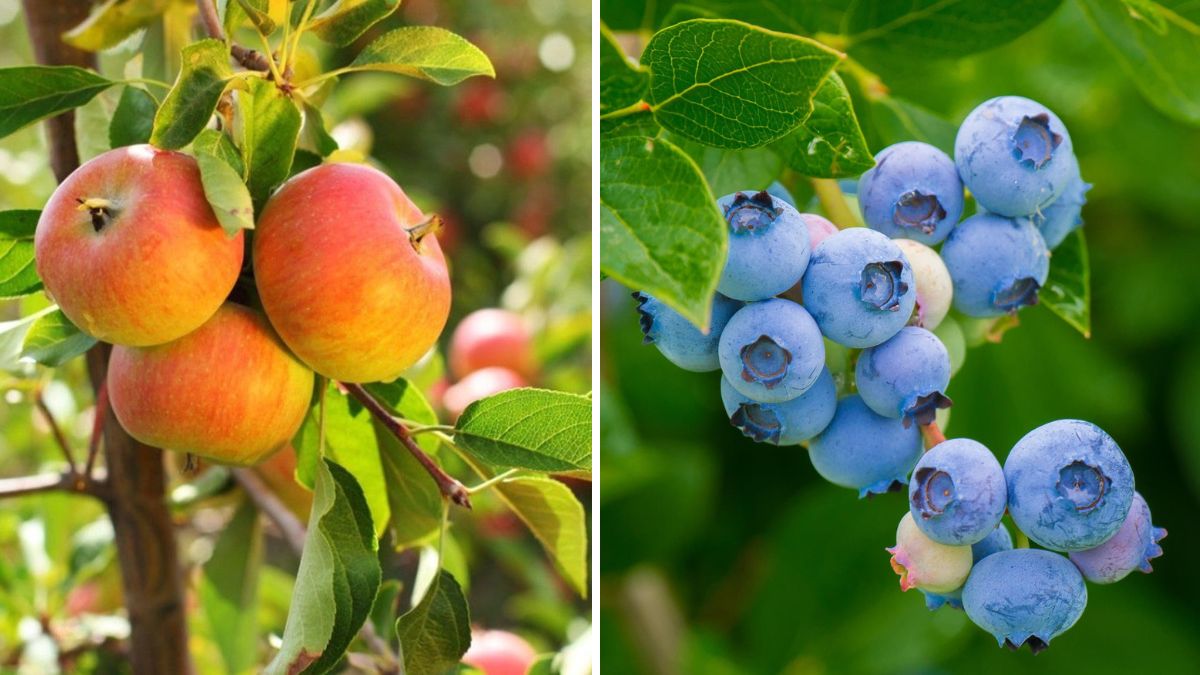
Growing fruit trees is a rewarding experience, but patience is often the biggest challenge. Many varieties take years before producing their first fruits. However, with the right knowledge and techniques, you can significantly shorten this waiting period and enjoy sweet harvests much earlier than usual. Whether you’re growing mango, guava, citrus, apple, papaya, or other trees, these proven methods will help you accelerate growth and boost early fruiting.
In this comprehensive guide, we’ll explore the top strategies that gardeners around the world use to encourage young fruit trees to enter their productive phase as soon as possible.
1. Start With the Right Varieties
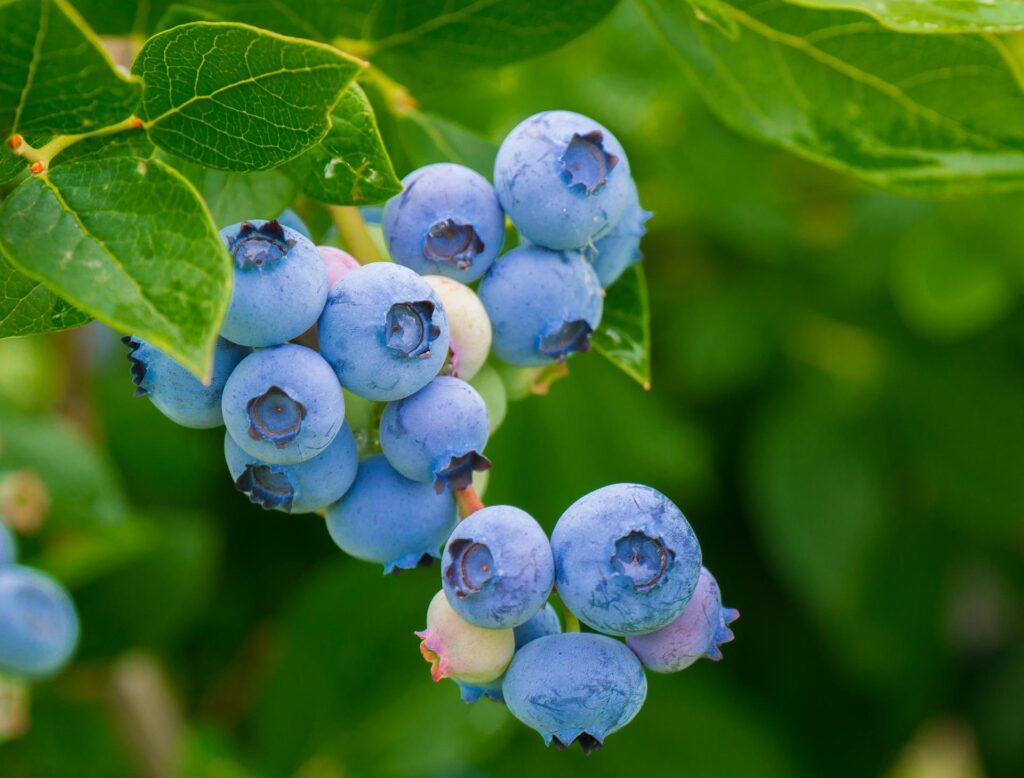
Not all fruit trees grow at the same pace. Some naturally take longer to reach maturity, while others fruit surprisingly early.
✔ Choose Early-Bearing Varieties
Look for labels like:
- Early-bearing
- Dwarf or semi-dwarf
- Grafted seedlings
- Known fast-fruiting cultivars
For example:
- Papaya can fruit within 6–12 months.
- Guava grafted varieties produce in 1–2 years.
- Citrus grafted trees fruit in 2–3 years.
- Mango grafted saplings fruit in 2–4 years, faster than seed-grown (6–8+ years).
Choosing the right starting material is the most powerful way to ensure early fruiting.
2. Use Grafted Trees Instead of Seedlings
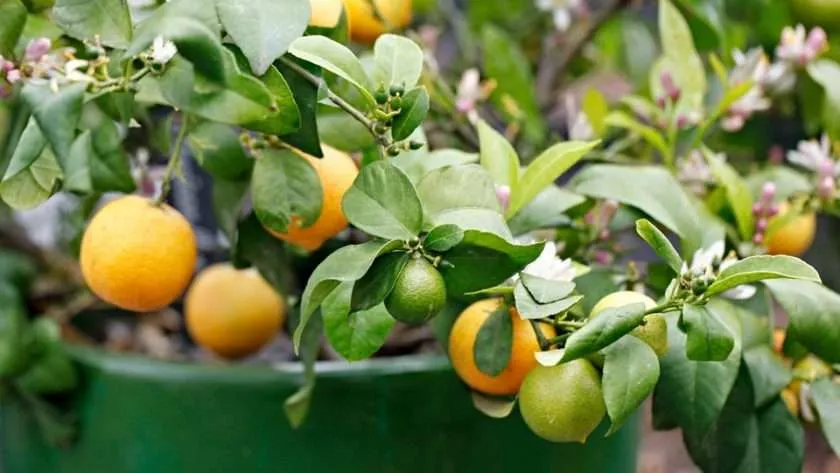
If you truly want early fruit, grafted trees are your best option. Grafting joins a mature, fruiting branch to a strong rootstock, allowing the plant to skip the juvenile phase.
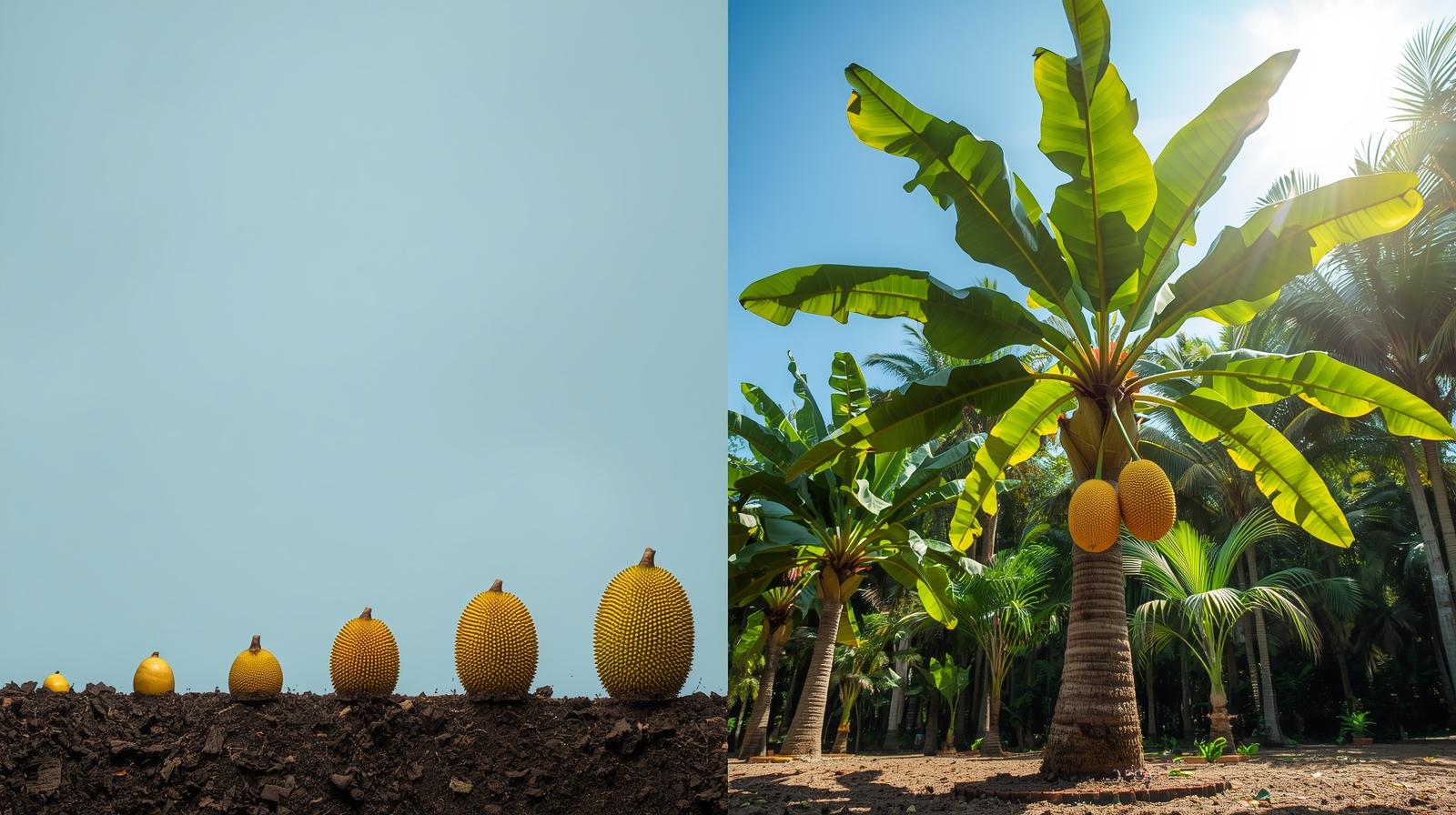
🌱 Benefits of Grafted Trees:
- Begin fruiting years earlier than seed-grown trees
- True to parent variety
- Stronger disease resistance
- More predictable growth
Always buy your trees from a reputable nursery for the best results.
3. Plant in the Right Location
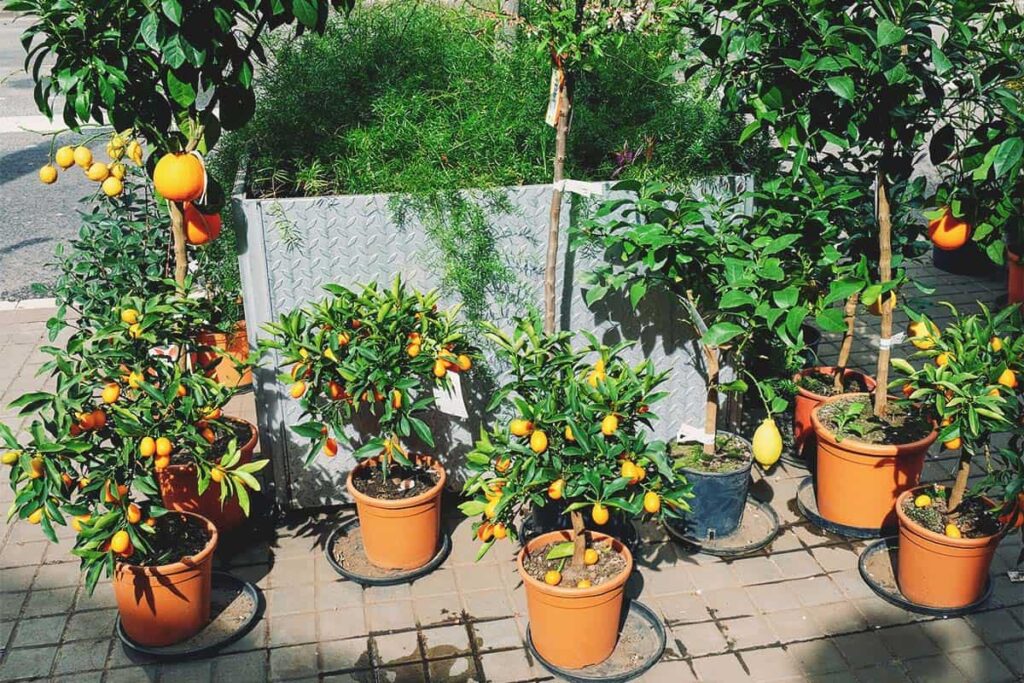
Even the best tree will delay fruiting if planted in poor conditions.
🌞 Provide Full Sun
Most fruit trees need 6–8 hours of direct sunlight daily. Less light = slow growth + delayed flowering.
🌬 Ensure Good Airflow
Crowded, stagnant areas encourage disease and reduce growth speed.
🌱 Soil Requirements
Fruit trees prefer:
- Well-draining soil
- Slightly acidic to neutral pH (5.5–7.0)
- Loose, fertile texture (avoid heavy clay)
Before planting, enrich the soil with compost or aged manure to give the young tree a strong start.
4. Water Smartly—Not Too Much, Not Too Little
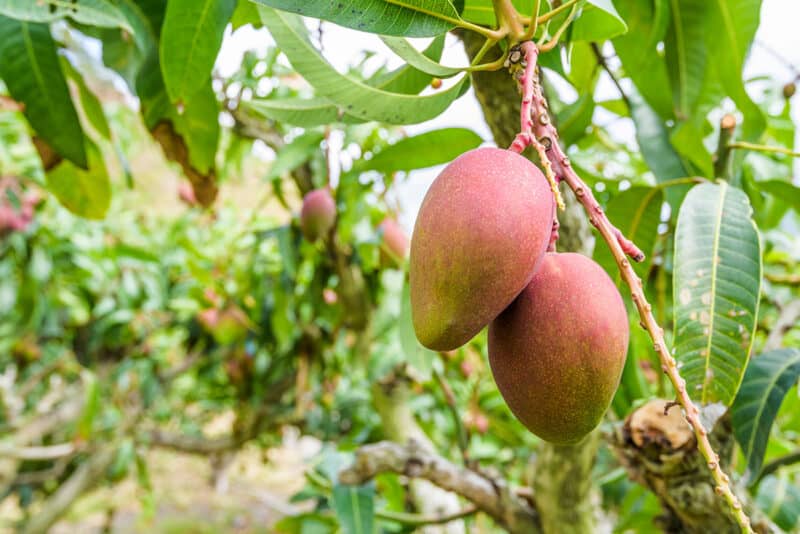
Watering is a major factor that determines how fast a tree grows.
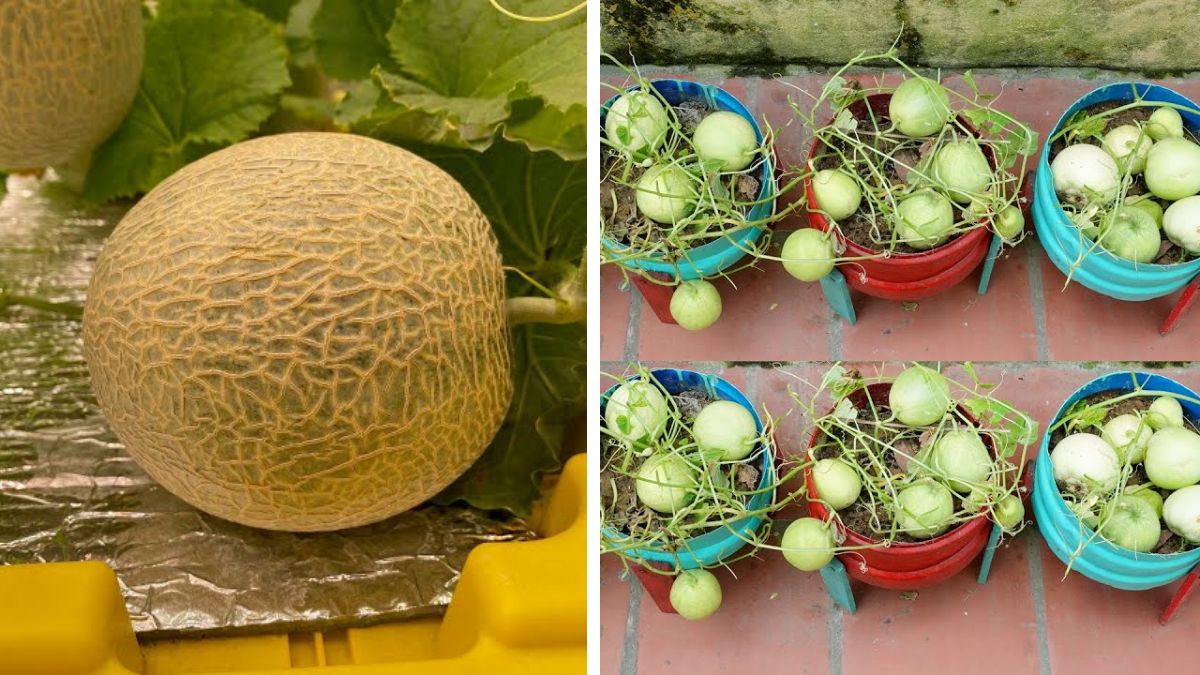
✔ Young trees need consistent moisture
But avoid overwatering! Constantly wet soil suffocates roots and delays maturity.
🌧 Water Schedule
- New trees: Water 2–3 times weekly
- Established trees: Water deeply once a week
- Reduce watering slightly when the tree reaches fruiting stage. Mild stress encourages flowering.
A simple rule:
Water deeply but infrequently.
5. Feed Your Tree Properly
Fertilization is the secret to fast growth and early blooming.
🥕 Start with Nitrogen for Vegetative Growth
For the first months, provide:
- Compost
- Vermicompost
- Cow manure
- Balanced NPK fertilizer like 10-10-10
Nitrogen fuels leafy growth and helps the tree establish quickly.
🍊 Shift to Potassium and Phosphorus for Fruiting
Once the tree is established (after 6–12 months), switch to fertilizers high in:
- Potassium (K) → for flowering and fruiting
- Phosphorus (P) → for strong roots and buds
Use formulas like:
- 0-0-50
- 5-10-20
- Organic ash
- Banana peel fertilizer
Natural Boosters:
- Bone meal
- Fish emulsion
- Seaweed extract
- Compost tea
These organic sources stimulate early flower formation.
6. Prune Correctly to Speed Up Fruiting
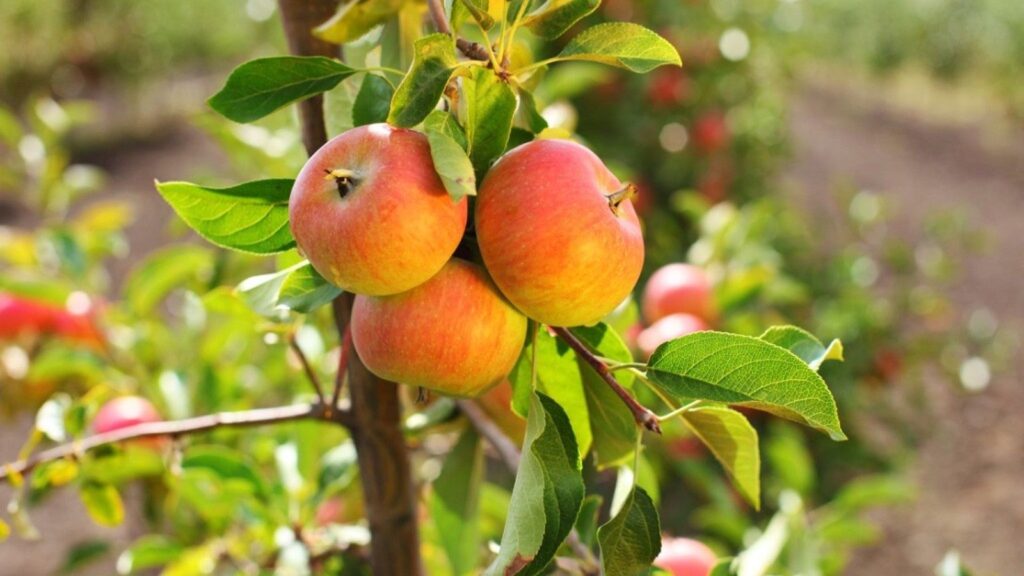
Pruning is one of the most effective but overlooked methods for early fruiting.
✂ Benefits of Pruning:
- Shapes the tree
- Redirects energy into fruiting instead of tall growth
- Encourages new branches where fruits form
- Enhances sunlight penetration
🕊 Best Times to Prune:
- For deciduous trees: Late winter
- For tropical trees: After harvest or during dry season
Remove:
- Suckers
- Weak branches
- Crossing branches
- Vertically growing water shoots
Focus on creating a strong framework with 3–5 main branches.
7. Use Stress Techniques to Trigger Early Fruiting
Many fruiting trees respond to mild stress by producing flowers sooner.
⚠ Safe “Stress” Techniques:
- Root pruning
Make small cuts around the root zone to slow growth and induce flowering. - Water stress
Reduce watering slightly for 2–3 weeks before flowering season. - Bending branches
Gently bend upright branches to a 45–60° angle.
This sends hormonal signals that encourage fruiting rather than height. - Ring barking (very mild version only)
Scraping a thin line of bark encourages flowering but must be done carefully.
These techniques are common in commercial orchards to synchronize and accelerate fruit production.
8. Mulch for Faster Growth
Mulching helps create ideal conditions for early fruiting.
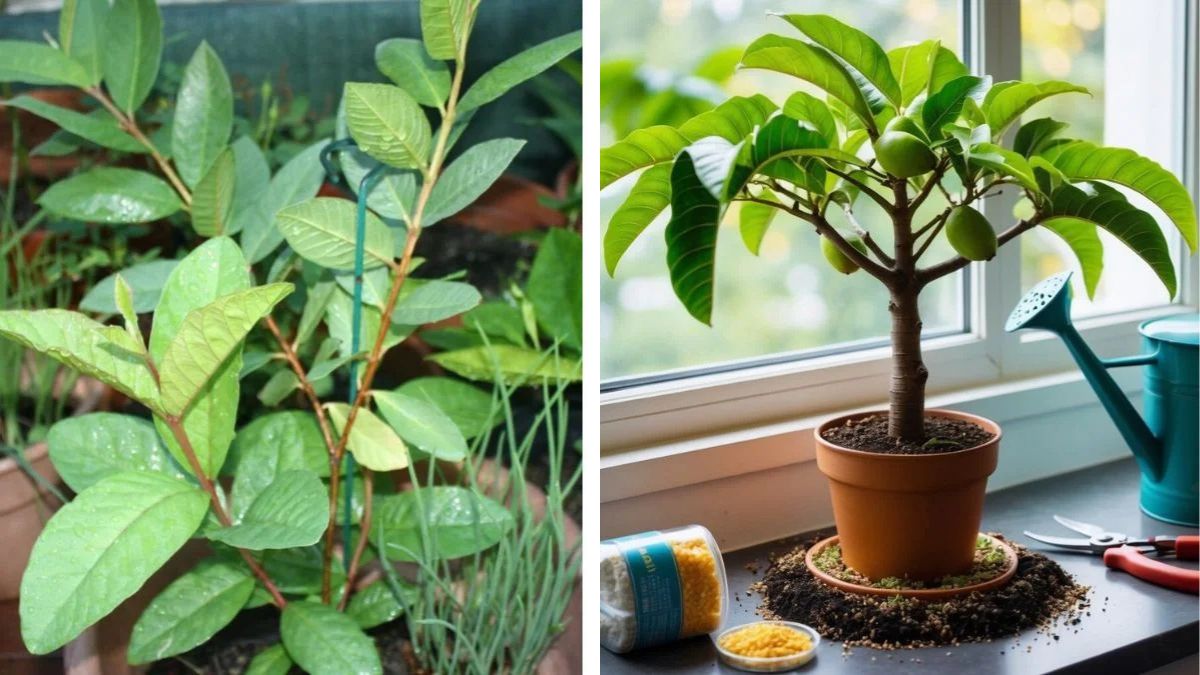
✔ Benefits of Mulching:
- Retains soil moisture
- Regulates soil temperature
- Suppresses weeds
- Improves soil fertility
Use materials like:
- Dried leaves
- Straw
- Sugarcane bagasse
- Coconut husk
- Wood chips
Apply a 5–8 cm layer around the base but keep it away from the trunk.
9. Protect the Tree From Pests and Diseases
A stressed or infected tree delays fruiting.
🐛 Common Issues to Watch For:
- Aphids
- Mealybugs
- Fruit flies
- Fungal diseases
Use organic controls:
- Neem oil spray
- Soap water
- Trichoderma
- Sticky traps
Healthy trees naturally fruit earlier.
10. Encourage Pollinators
Fruit cannot form without pollination. Boost pollinator activity by planting flowers near your trees, such as:
- Marigold
- Basil
- Sunflower
- Lavender
- Cosmos
More pollinators = more flowers that turn into fruits.
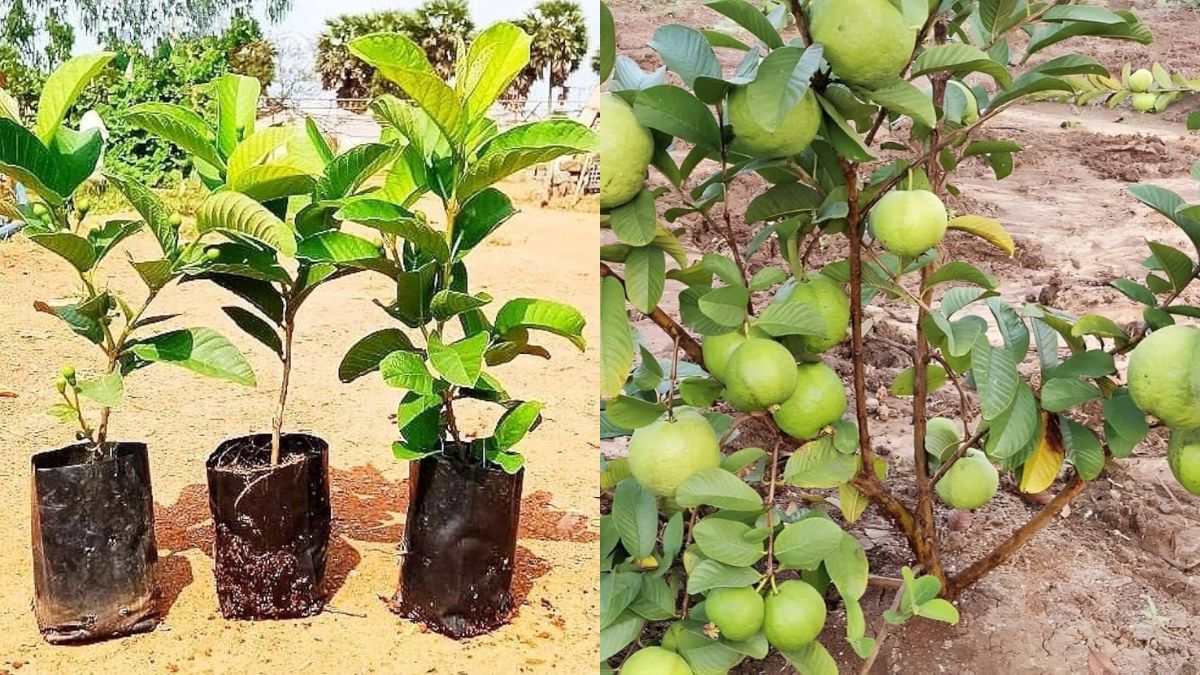
11. Container Trees? Choose the Right Pot Size
If you’re growing fruit trees in pots, this is important.
✔ Ideal Pot Sizes:
- Small trees: 20–40 liters
- Medium trees: 50–70 liters
- Larger fruit trees: 100 liters or more
Repot every 1–2 years until fully grown.
Use well-draining soil and raise the pot slightly to improve airflow.
12. Patience + Consistency = Early Rewards
While these methods can accelerate fruiting, remember that every tree has its own natural timeline. However, with consistent care, proper feeding, sunlight, and strategic stress techniques, you’ll be amazed at how quickly your young tree begins to reward you.
Early fruiting is not a miracle—it’s the result of good gardening practices!
Final Thoughts
Making fruit trees produce early is completely achievable when you combine the right variety, good soil, smart watering, proper feeding, and intentional pruning. Add natural boosters and simple stress techniques, and your trees will enter their fruiting stage faster than you ever expected.