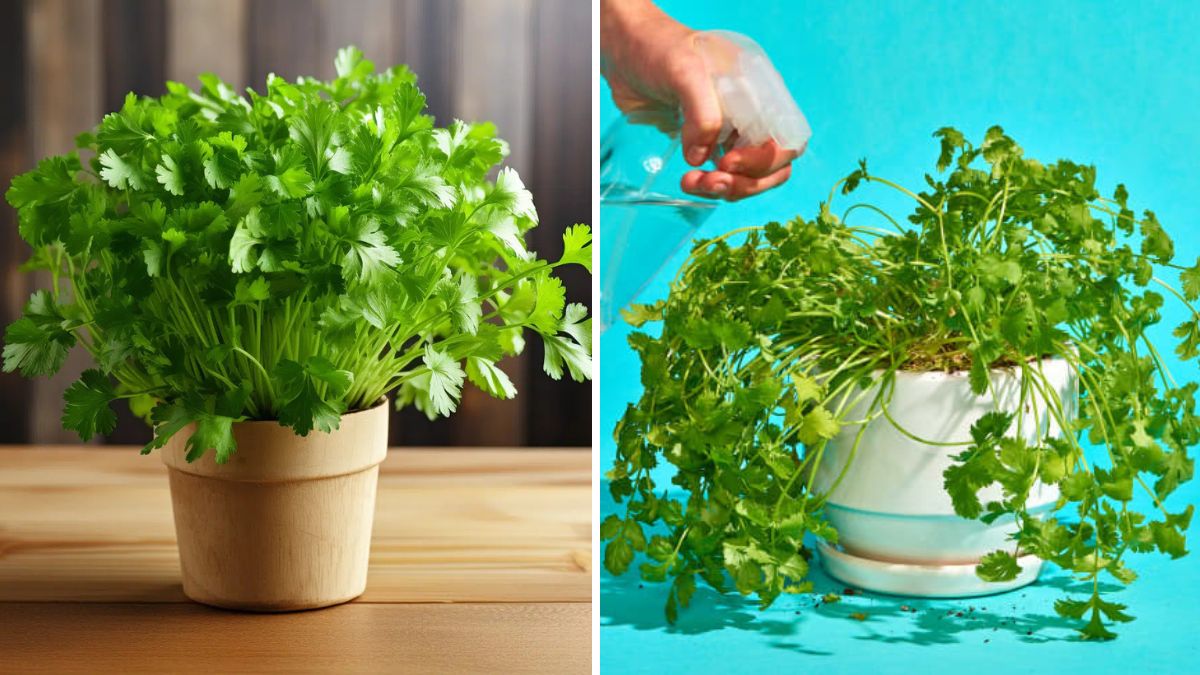
Cilantro (also known as coriander or dhania) is one of the most versatile herbs used in kitchens around the world. From soups, salads, salsas, and chutneys to garnishing curries and biryanis, fresh cilantro brings brightness and aroma to every dish. However, cilantro can be tricky to grow in normal pots because it dislikes dry soil and reacts quickly to heat or inconsistent watering.
That’s where a self-watering pot becomes a game-changer. With constant moisture and controlled hydration, cilantro grows faster, fuller, and more flavorful—without daily watering worries.
In this in-depth guide, you’ll learn exactly how to grow lush, long-lasting cilantro in a self-watering container, step-by-step. Perfect for beginners and busy gardeners!
🌱 Why Grow Cilantro in a Self-Watering Pot?
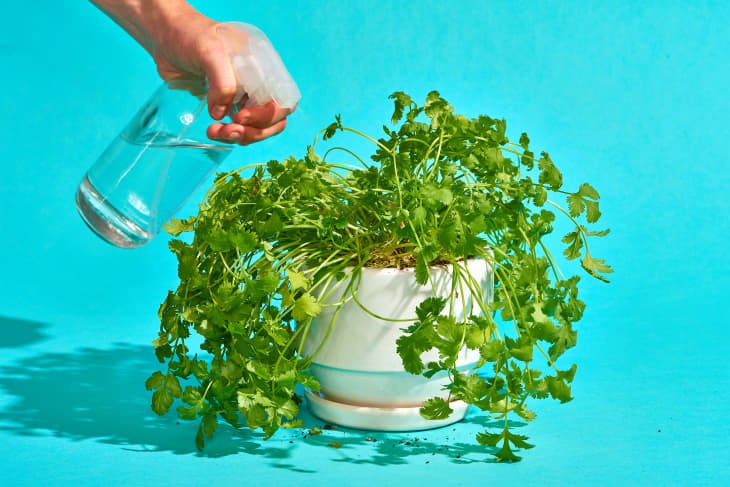
Cilantro is sensitive to water stress. Too much dryness causes it to bolt (produce seeds prematurely), while overwatering can lead to root rot. A self-watering pot solves both problems.
Benefits of Growing Cilantro in a Self-Watering Pot
- Consistent moisture keeps the plant healthy and leafy.
- No frequent watering—refill the reservoir only once every 5–7 days.
- Reduced risk of root diseases.
- Better growth in hot climates, where cilantro usually struggles.
- Perfect for balconies, kitchens, and indoor gardens.
If you’ve failed to grow cilantro before, switching to a self-watering pot can give you excellent results.
🪴 Step 1: Choosing the Right Self-Watering Pot
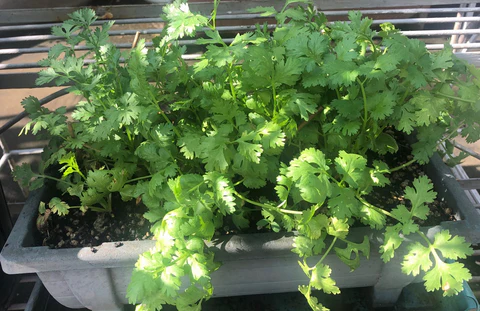
Cilantro grows best when its roots have enough room and consistent moisture.
Ideal Pot Size
- Diameter: 8–12 inches
- Depth: at least 6–8 inches
- Reservoir: should hold 1–2 liters of water
Features to Look For
- Wicking system or wicking rope
- Overflow hole
- Lightweight, UV-resistant body
- Water level indicator (optional)
You can also DIY a self-watering pot using two containers—one for soil and one for water—connected with a wicking material.
🌿 Step 2: Preparing the Perfect Soil Mix
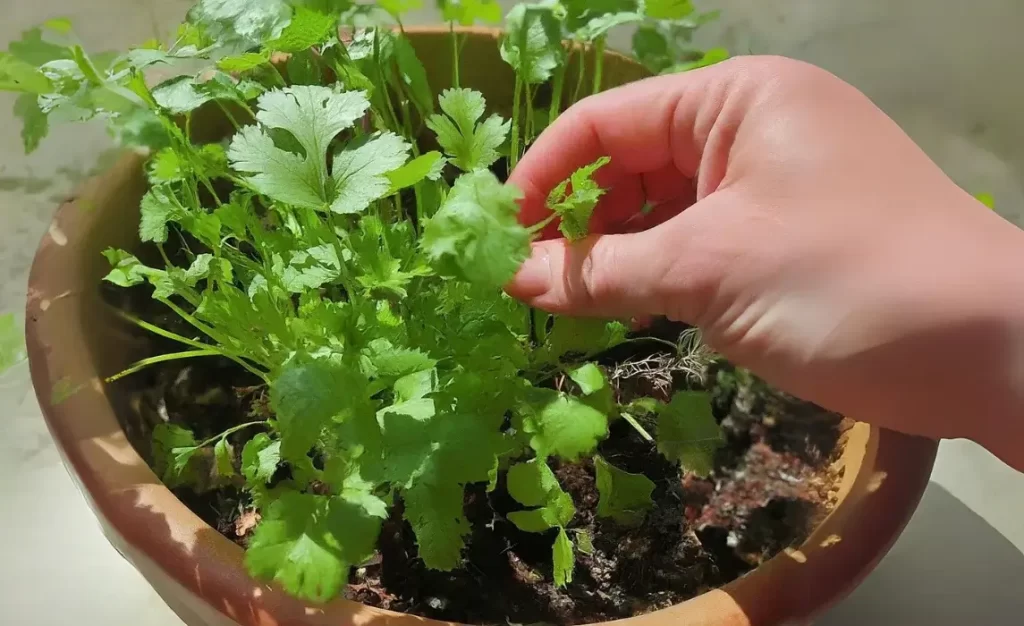
Cilantro grows best in light, airy soil that drains well but stays moist.
Best Soil Mix for Cilantro
- 40% cocopeat or peat moss (retains moisture)
- 40% compost or vermicompost (provides nutrients)
- 20% perlite or sand (improves drainage and airflow)
Additives for Better Growth
- A handful of neem cake powder to prevent root diseases
- 1 tablespoon bone meal for strong root development
Avoid heavy garden soil—it becomes compacted and blocks moisture flow in self-watering pots.
🌿 Step 3: Sowing Cilantro Seeds the Right Way
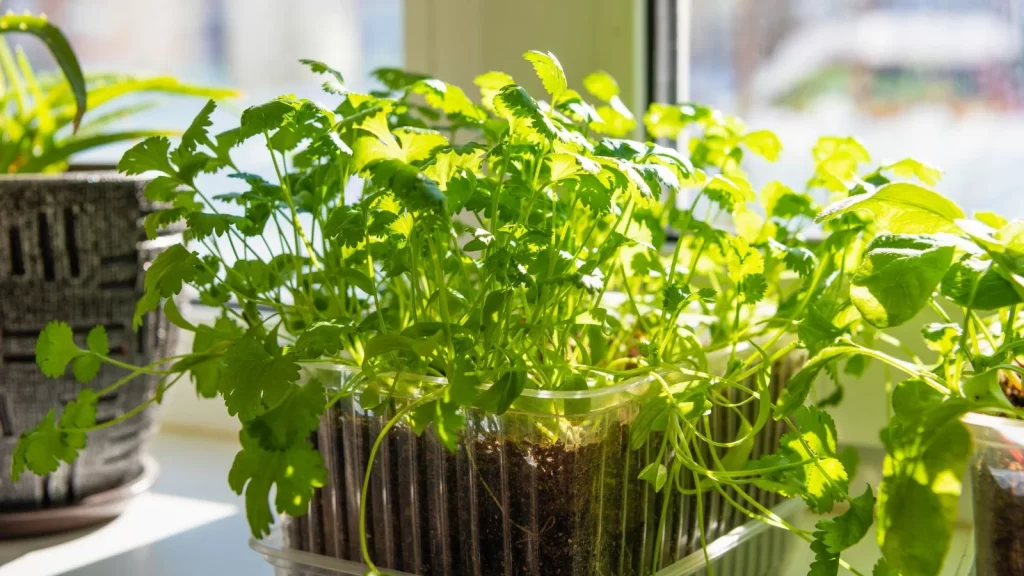
Cilantro grows best when planted from seed—not from store-bought cuttings.
Seed Preparation
Cilantro seeds are actually two seeds inside one husk. Lightly crush them with your fingers or roll with a bottle until they split into two.
This improves germination speed and success.
How to Sow
- Fill the pot with prepared soil.
- Moisten the top layer lightly.
- Scatter seeds evenly—don’t overcrowd.
- Cover them with a thin 1 cm layer of soil.
- Mist gently with water.
Cilantro seeds germinate in 7–12 days depending on temperature.
💧 Step 4: Setting Up the Self-Watering System
Once the seeds are sown, fill the water reservoir at the bottom.
Important Tips
- Do not water from the top after the first day.
- Allow the self-watering system to slowly wick moisture upwards.
- Ensure the overflow hole is not blocked.
Consistent, gentle moisture encourages faster germination and stronger roots.
🌞 Step 5: Provide the Right Light and Temperature
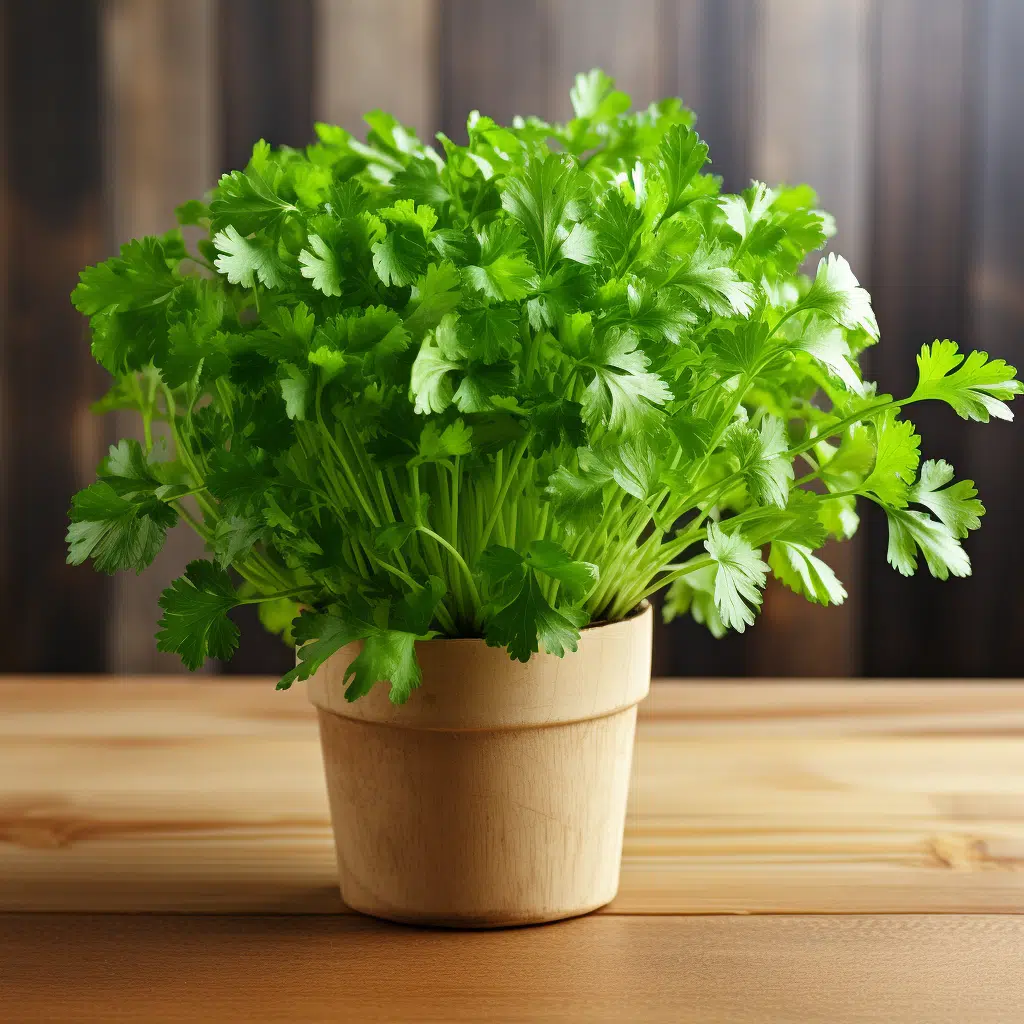
Cilantro needs the perfect balance of sunlight and cool conditions.
Sunlight Requirements
- 4–6 hours of direct sunlight
- Partial shade in the afternoon is ideal
Best Temperature
- 15–25°C (59–77°F)
Cilantro bolts quickly in temperatures above 32°C. If you live in a hot region:
- Keep the pot in morning sun only
- Provide shade net during summer
- Grow indoors near a bright window
🍃 Step 6: Caring for Your Cilantro Plants
Once your cilantro seedlings are about 2–3 inches tall, they need simple but consistent care.
Thinning Seedlings
Remove extra seedlings so that each plant has 3–4 inches of space. This encourages leafy growth.
Moisture Management
Thanks to the self-watering pot:
- Topsoil will remain slightly moist
- Plants won’t dry out easily
- Roots will grow deeper and healthier
Just check the water reservoir every 4–7 days and refill when needed.
Feeding and Fertilizing
Cilantro is a fast-growing herb and benefits from regular feeding.
Use:
- Vermicompost every 2–3 weeks
- Seaweed liquid fertilizer once a month
- Banana peel water for potassium (optional)
Avoid too much nitrogen or the plant may grow tall but thin.
🌿 Step 7: Preventing Bolting (Flowering Too Early)
Bolting is when cilantro starts producing flowers and seeds instead of leaves. It happens due to:
- Heat
- Water stress
- Poor soil
How to Prevent Bolting
- Keep the soil consistently moist using the self-watering pot
- Provide partial shade in hot weather
- Harvest leaves regularly to encourage leafy growth
- Choose slow-bolt cilantro varieties
- Keep the plant cool during peak summer
If some plants start bolting, harvest the seeds (coriander) and re-sow.
🐛 Step 8: Common Pests & How to Control Them Naturally
Although cilantro is aromatic, pests still enjoy it.
Common Pests
- Aphids
- Leaf miners
- Spider mites
- Caterpillars
Best Organic Solutions
- Neem oil spray every 10–15 days
- Garlic-chili spray
- Soap + water spray
- Picking caterpillars by hand
Healthy plants grown in self-watering pots are less prone to infections because soil stress is minimal.
✂️ Step 9: Harvesting Cilantro Correctly
Cilantro is ready to harvest within 25–35 days after sowing.
How to Harvest for Maximum Yield
- Cut the outer leaves first
- Leave the center to continue growing
- Never pull out the entire plant unless replanting
- Harvest once every 4–5 days
- Do not allow the plant to grow taller than 10–15 inches
Regular harvesting prevents bolting and encourages fresh leaf growth.
Two Harvesting Methods
- Cut-and-come-again: Take only older leaves; plant keeps producing.
- Full harvest: Cut entire plant near soil level when needed for cooking.
🔄 Step 10: Continuous Cilantro Supply Year-Round
To enjoy fresh cilantro all year:
- Sow new seeds every 3–4 weeks
- Keep at least 2–3 pots at different stages
- Let one plant go to seed and collect seeds for the next cycle
Self-watering pots make this extremely easy because each batch grows consistently.
🌟 Pro Tips for Growing Bushy, Aromatic Cilantro
Here are expert-level tips that dramatically improve growth:
🌿 Add mulch to keep soil cool
🌿 Keep the crown exposed—don’t bury it
🌿 Place the pot where it gets morning light
🌿 Avoid moving the pot frequently
🌿 Harvest leaves early in the morning
🌿 Use chilled water in summer to cool roots
🌿 Grow “slow bolt” varieties for longer life
Follow these tips and your self-watering pot will stay green, fragrant, and full of fresh cilantro for months.
🌿 Final Thoughts
Growing cilantro at home can be challenging in regular containers, but with a self-watering pot, the process becomes almost effortless. These smart pots provide the perfect balance of moisture and airflow—exactly what cilantro needs to grow thick, healthy, and delicious.
Whether you’re a home cook, balcony gardener, or beginner plant lover, a self-watering pot is one of the easiest ways to enjoy fresh cilantro anytime you need it. With just a little sunlight, proper soil, and weekly refilling of the reservoir, you can enjoy a constant supply of aromatic green leaves straight from your garden to your plate.
Start your cilantro pot today, and experience the joy of harvesting your own fresh, flavorful dhania right at home!