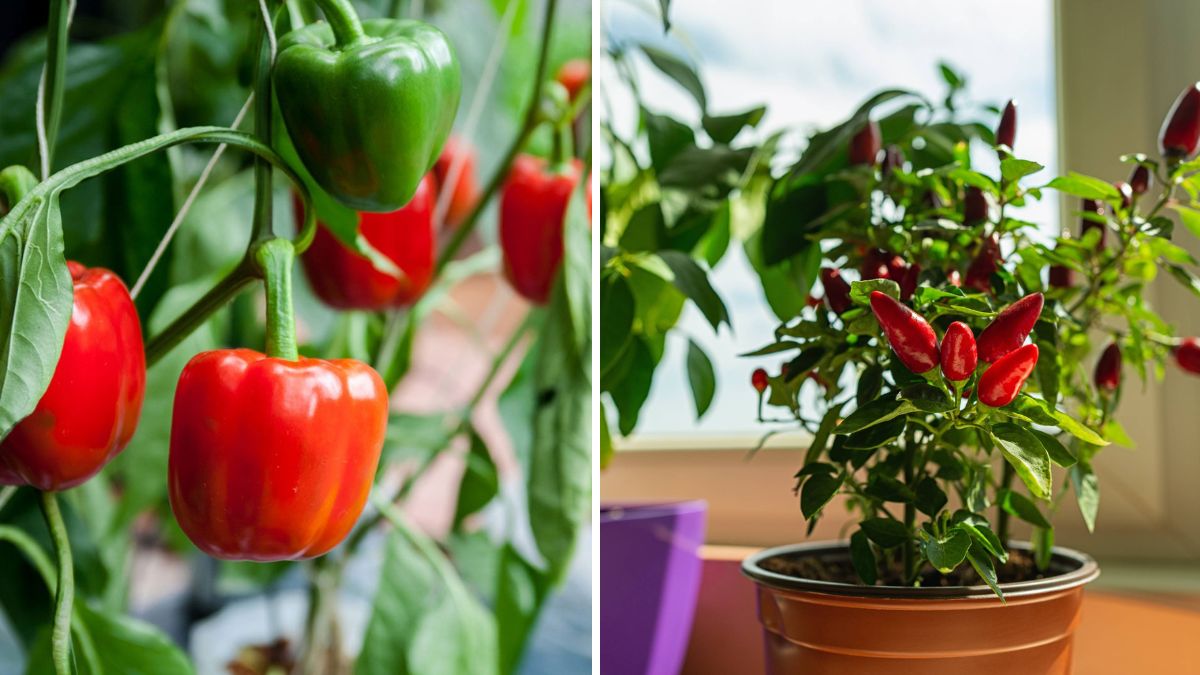
Growing peppers at home is one of the most rewarding gardening experiences. Whether you love them sweet, spicy, or scorching hot, pepper plants are incredibly productive and surprisingly easy to grow when you give them the right conditions. From balcony containers to backyard gardens, peppers adapt beautifully—offering vibrant colors, rich flavors, and basketfuls of harvests all season long.
In this complete guide, you’ll discover the essential steps, simple techniques, and powerful tips that guarantee lush pepper plants and abundant yields, even if you’re a beginner.
🌱 Why Grow Peppers at Home?
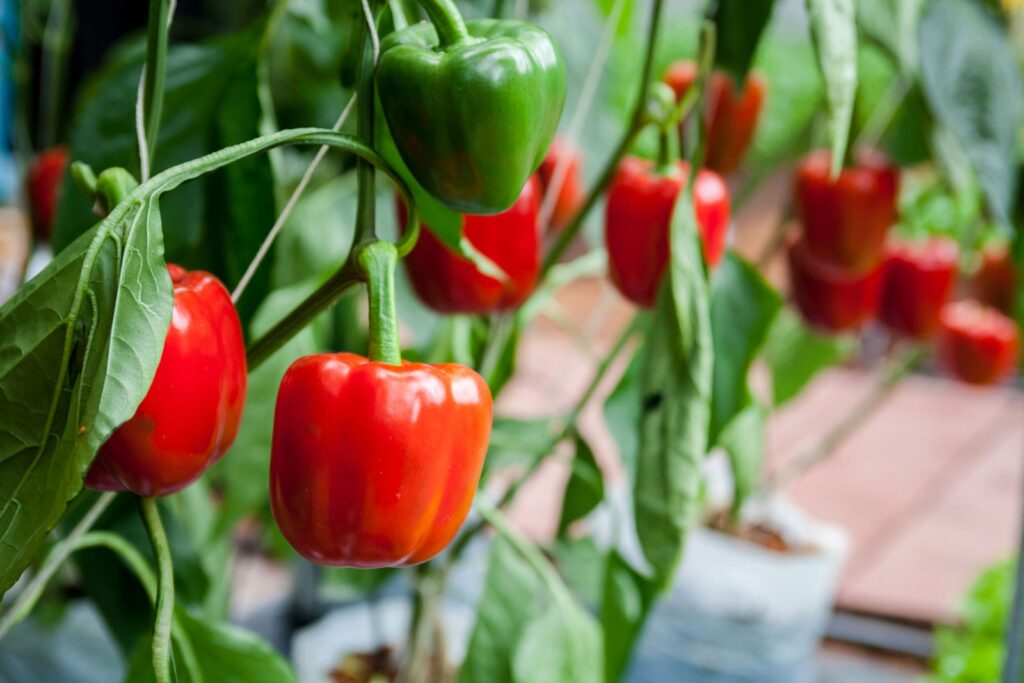
Peppers (Capsicum spp.) are warm-season crops that thrive in heat, sunlight, and rich soil. Growing them yourself has major benefits:
- Freshness: Homegrown peppers are crispier, juicier, and more flavorful.
- Variety: You can grow types not available in stores—like purple bell peppers, banana peppers, Thai chilies, or ghost peppers.
- Productivity: A single plant can give dozens, sometimes hundreds, of peppers.
- Year-round possibilities: With pots, you can overwinter plants and enjoy peppers for years.
Peppers are also resistant to many pests and relatively low-maintenance when grown correctly.
☀️ Step 1: Choose the Right Pepper Variety
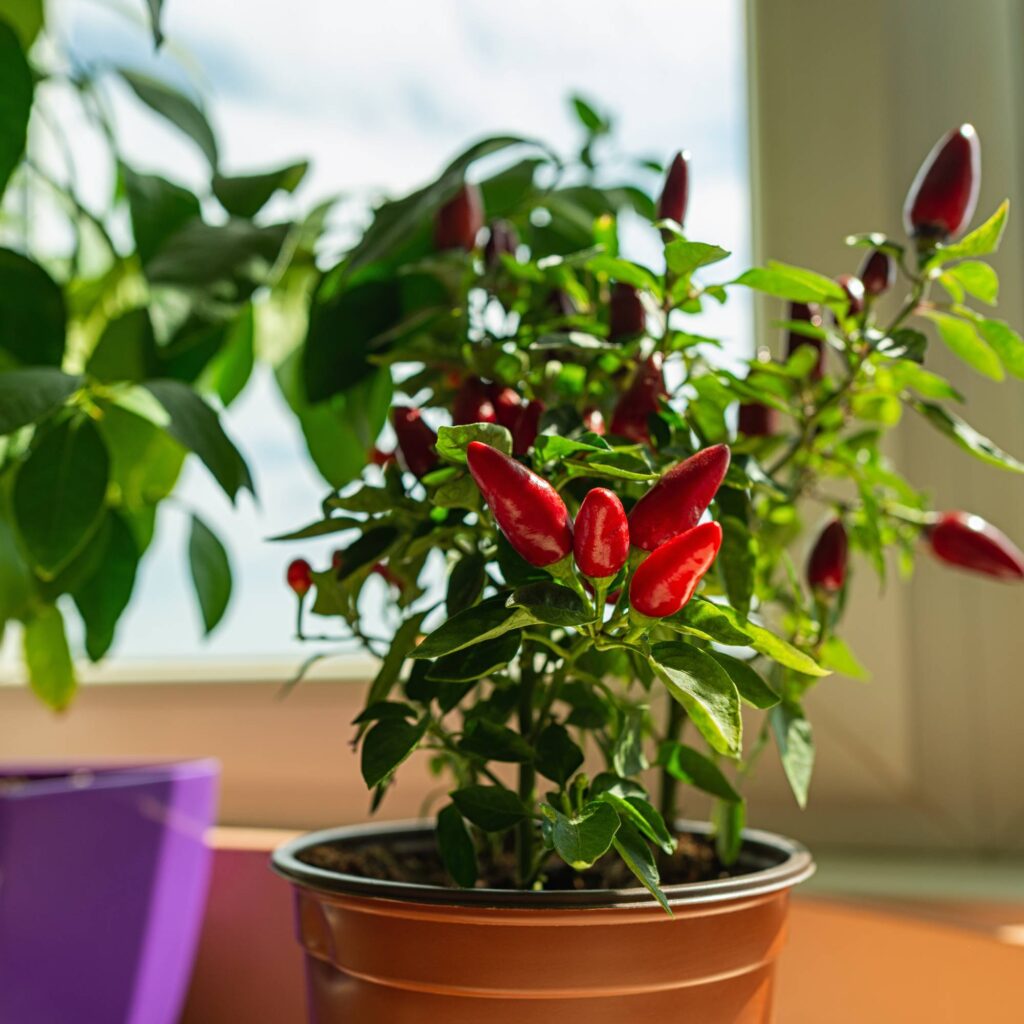
Start by deciding what type of peppers match your cooking style and climate.
1. Sweet Peppers
- Bell peppers (green, yellow, orange, red)
- Italian frying peppers
- Sweet banana peppers
Great for salads, stir-fries, and stuffing.
2. Mild to Medium-Hot Peppers
- Jalapeño
- Poblano
- Anaheim
Perfect for salsas, roasting, and pickling.
3. Hot to Super-Hot Peppers
- Bird’s eye chili
- Habanero
- Scotch bonnet
- Ghost pepper (Bhut Jolokia)
- Carolina Reaper
Ideal for spicy dishes, sauces, and drying.
Choose varieties that match your region’s temperature. Super-hot peppers, for example, need longer warm seasons.
🌿 Step 2: Start with Healthy Seeds or Seedlings
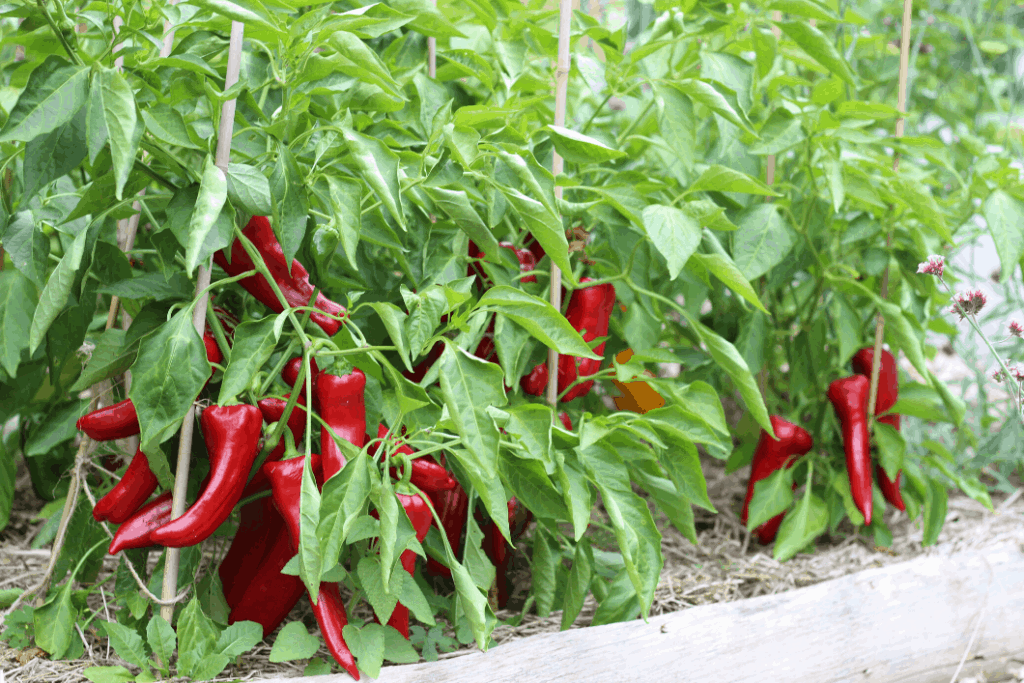
Starting Seeds Indoors
Peppers love heat and take time to germinate. Start seeds 8–10 weeks before your local warm season begins.
Use:
- Seed trays or small pots
- Lightweight seed-starting mix
- Warmth (25–30°C for best germination)
Place them under grow lights or in a bright spot.
Buying Seedlings
If starting from seed seems complex, buy strong seedlings with:
- Deep green leaves
- Thick stems
- No pests or yellowing
Healthy seedlings grow faster and transition smoothly into the garden.
🏡 Step 3: Planting in Garden Beds or Pots
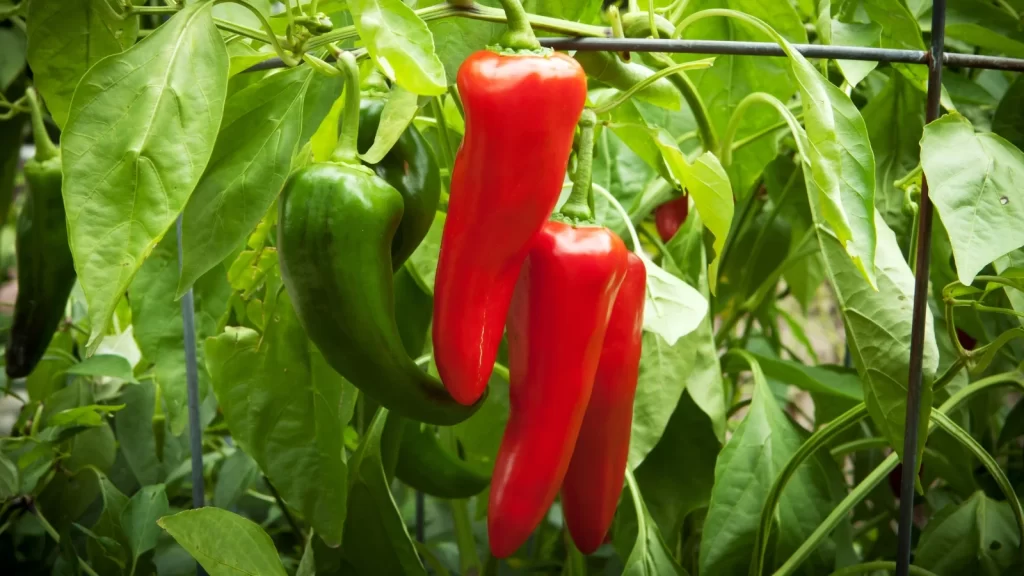
Peppers grow wonderfully in both garden soil and containers.
Transplanting Outdoors
Move plants outside only when:
- Daytime temperature is above 21°C
- Night temperature is above 15°C
Cold nights can stunt peppers permanently, so timing is crucial.
Soil Requirements
Peppers prefer:
- Well-drained soil
- High organic matter
- Slightly acidic to neutral pH (6.0–7.0)
Mix in compost or aged manure before planting for nutrient-rich soil.
Spacing
- Sweet peppers: 45–50 cm apart
- Hot peppers: 35–40 cm apart
Good airflow prevents diseases.
Growing in Pots
Use pots at least:
- 12–15 inches wide for medium varieties
- 18 inches or more for large bell peppers
Always use a high-quality potting mix, not heavy garden soil.
💧 Step 4: Watering — The Secret to Juicy Peppers
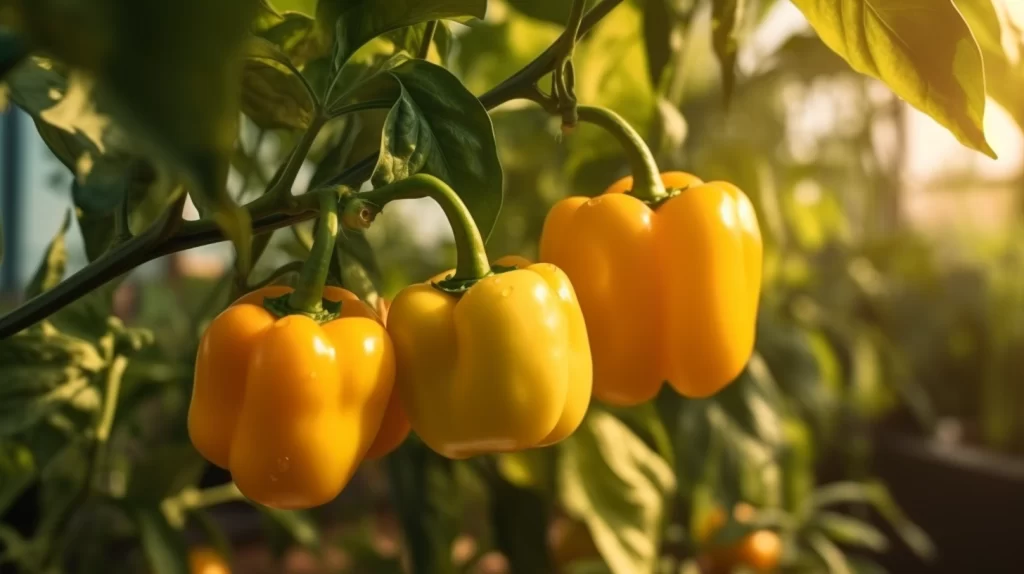
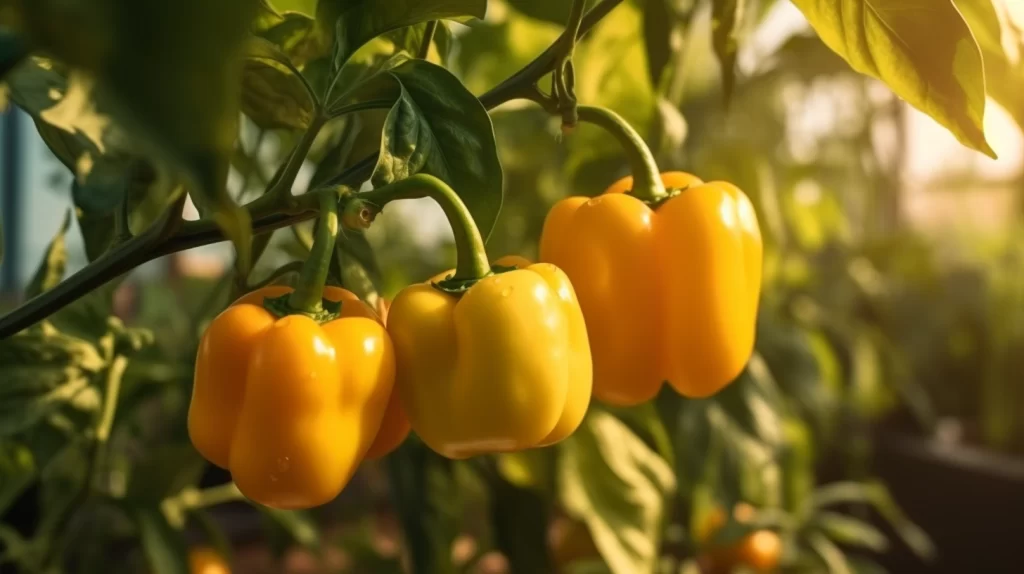
Pepper plants need consistent moisture but dislike soggy soil.
Watering Tips
- Water deeply 2–3 times per week, depending on heat.
- Keep soil evenly moist—not too dry, not waterlogged.
- Mulch with dry leaves, grass, or straw to retain soil moisture.
Underwatering leads to:
- Bitter peppers
- Blossom drop
- Small, thin fruits
Overwatering causes root rot and fungal issues. Aim for balance.
🌞 Step 5: Peppers Love Sun and Warmth
Peppers are sun-hungry plants.
Sunlight Needs
- Minimum: 6 hours
- Ideal: 8–10 hours of direct sunlight daily
The more sunlight peppers receive, the more fruits they produce.
Temperature Tips
Peppers thrive in:
- 27–32°C daytime
- 18–24°C night
If temperatures drop, use row covers or move pots indoors overnight.
🍀 Step 6: Feeding Your Pepper Plants
Fertilizing peppers properly leads to larger plants and bigger harvests.
Before Planting
Mix in:
- Compost
- Vermicompost
- A handful of bone meal or rock phosphate
During Growth
Use a balanced fertilizer such as 10-10-10 or organic options like:
- Fish emulsion
- Compost tea
- Seaweed extract
When Fruits Start Forming
Switch to high-potassium fertilizer:
- Tomato fertilizer
- Banana peel tea
- Wood ash (sparingly)
Avoid too much nitrogen—it causes leafy plants with few fruits.
🌼 Step 7: Support, Pruning & Maintenance
Supporting Plants
Some varieties, especially heavy-fruiting peppers, benefit from stakes or cages to keep branches upright.
Light Pruning
Remove:
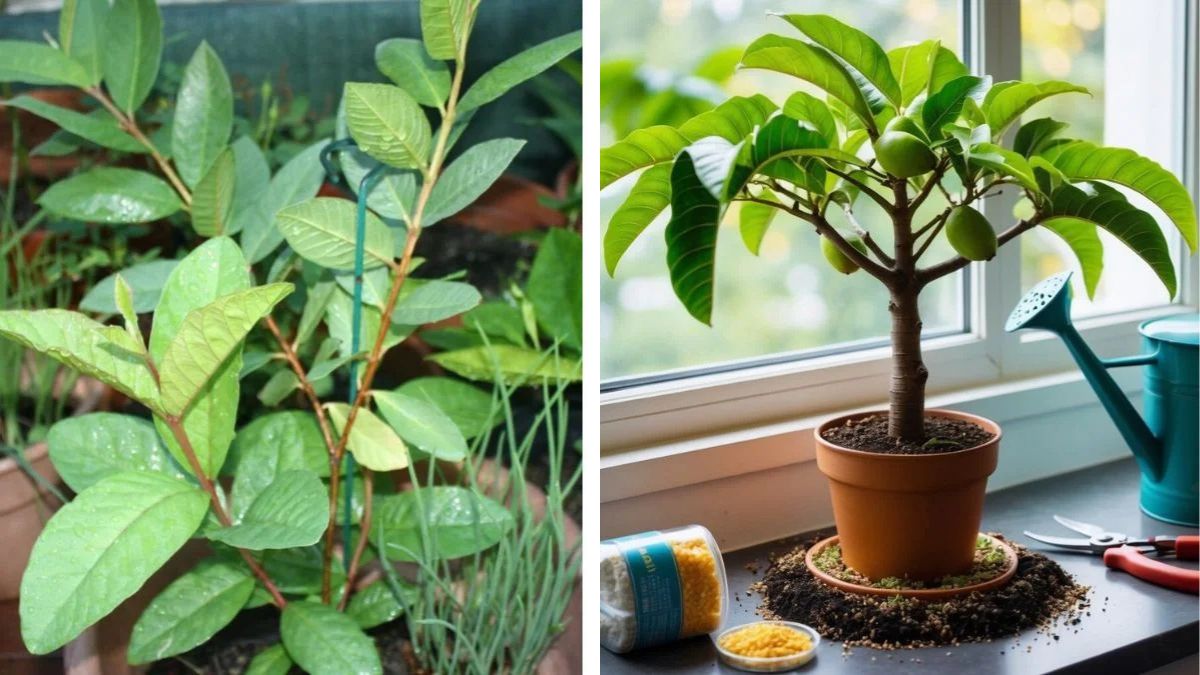
- Yellow leaves
- Low leaves touching the soil
- Suckers at the base (optional)
This improves air circulation and reduces disease risk.
Mulching
Mulch is essential for:
- Retaining moisture
- Preventing weed growth
- Keeping soil temperature stable
🐛 Step 8: Protecting Peppers from Pests & Diseases
Peppers are relatively hardy, but a few problems can arise.
Common Pests
- Aphids
- Whiteflies
- Caterpillars
- Spider mites
Use:
- Neem oil
- Soapy water spray
- Sticky traps
Common Diseases
- Blossom end rot
- Leaf spots
- Root rot
Prevention:
- Don’t overwater
- Maintain good spacing
- Add calcium (egg shells, bone meal)
🌶️ Step 9: Pollination for Better Yields
Peppers are self-pollinating, but yields increase with help from:
- Bees
- Wind
- Light shaking of the plant
Gently tap or shake pepper plants weekly to help pollen spread.
🍁 Step 10: Harvesting Peppers the Right Way
Peppers can be harvested at different maturity stages depending on flavor preference.
For Mild Flavor
Pick when they are green.
For Sweetness or Heat
Let them ripen to:
- Red
- Yellow
- Orange
- Purple (depending on variety)
Use scissors or pruners instead of pulling to avoid damaging branches.
🥗 Bonus: Tips for Maximum Pepper Production
- Warm soil = more fruits
Use black grow bags or plastic mulch to keep soil warm. - Pinch early flowers
Remove the first 3–5 flowers to help the plant grow stronger roots. - Deep watering
Encourages deeper roots and better drought resistance. - Rotate crops
Avoid planting peppers in the same spot yearly to reduce pests. - Grow in pairs
Plant two pepper varieties near each other to improve cross-pollination and yield.
🏆 Final Thoughts
Growing peppers at home is simple, exciting, and incredibly rewarding. With warmth, sunlight, fertile soil, and steady watering, your pepper plants will flourish and produce fresh, delicious peppers for months. Whether you’re making stir-fries, salads, chutneys, or spicy sauces, your homegrown peppers will deliver unmatched flavor and freshness.
Start small, be consistent, and enjoy the journey—your garden will soon be bursting with vibrant peppers!