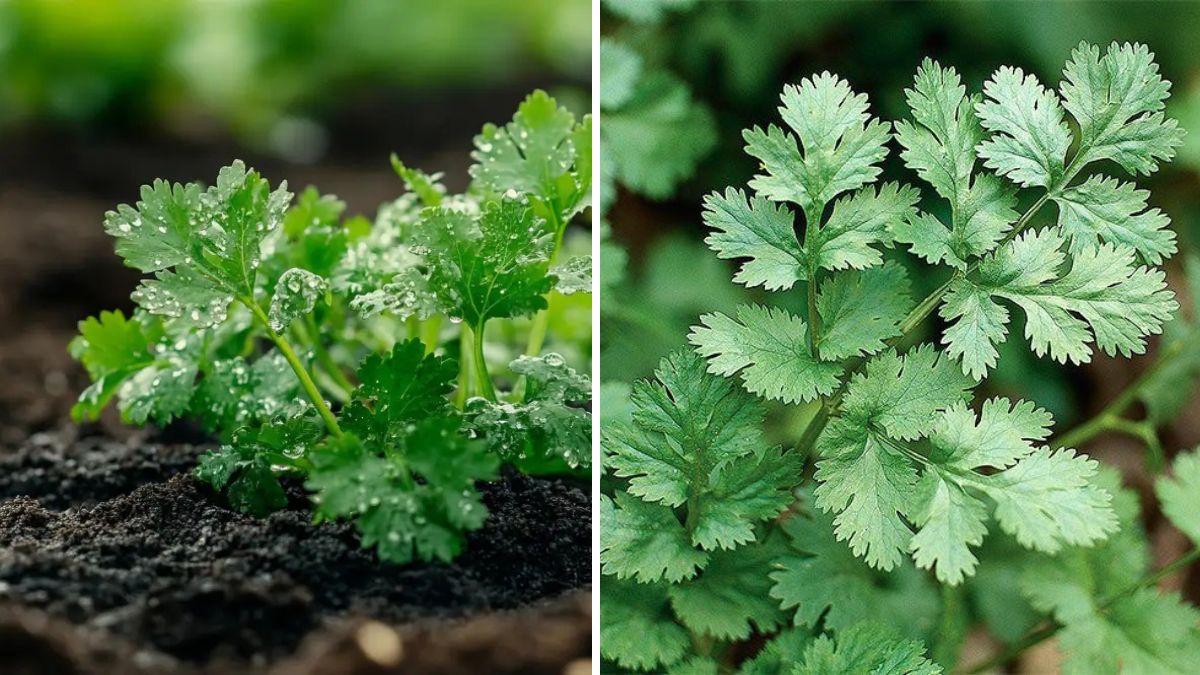
Growing cilantro at home is one of the most rewarding experiences for any kitchen gardener. This aromatic herb, known for its refreshing flavor and bright aroma, elevates almost every dish—from chutneys and curries to salads and soups. The best part? Cilantro is incredibly easy to grow, even if you have limited space, limited experience, or minimal tools.
In this 1200-word guide, you’ll learn everything you need to grow lush, fragrant cilantro at home—whether on a balcony, terrace, windowsill, or garden bed. From choosing seeds to harvesting and keeping them growing for months, this guide covers it all.
Why Cilantro Is Perfect for Home Gardening
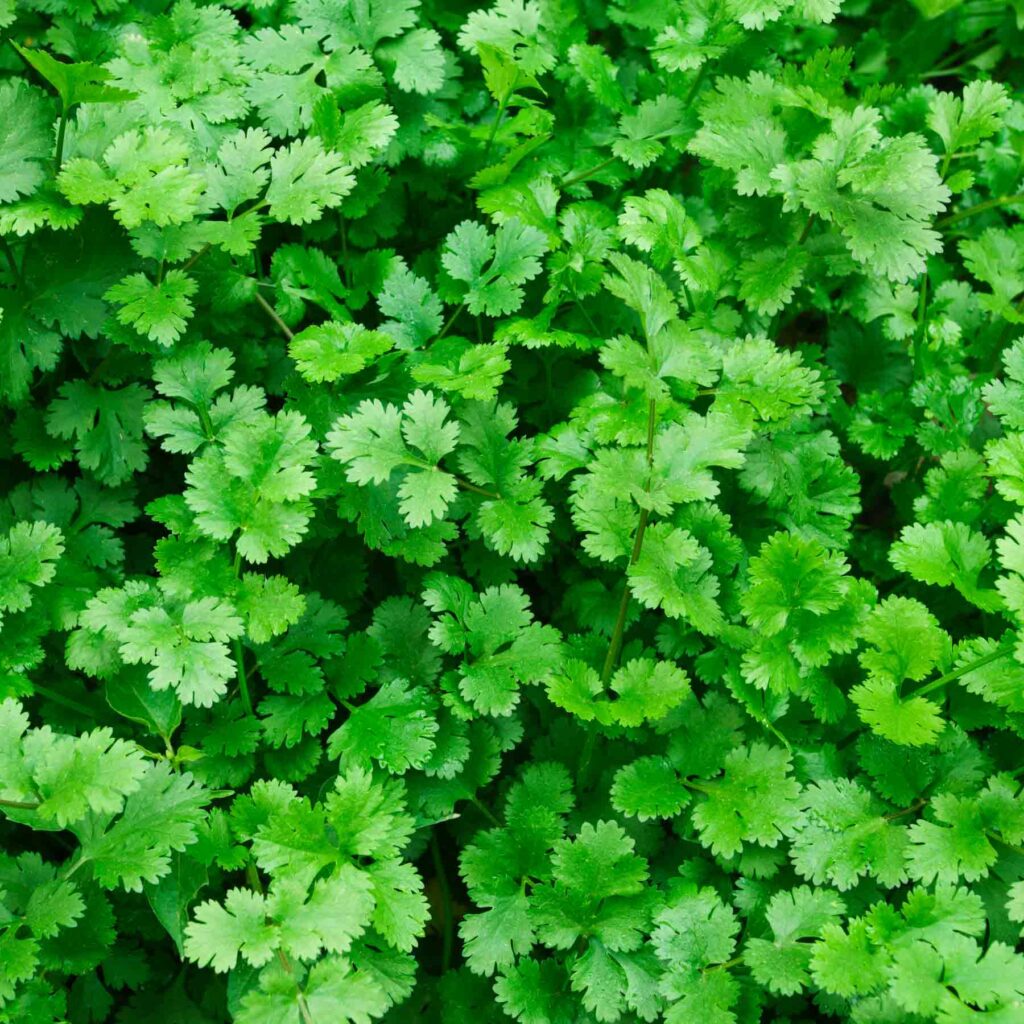
Cilantro (also called coriander) is a fast-growing herb that germinates quickly and can be harvested in just 25–35 days. Unlike many other herbs, cilantro prefers cooler temperatures and doesn’t need much care. It grows well:
- In pots and containers
- In small balcony spaces
- In raised beds
- Indoors near a sunny window
If you love fresh coriander in your cooking, growing your own not only saves money but also guarantees clean, chemical-free herbs anytime you need them.
1. Choosing the Right Seeds: The Secret to Lush Cilantro
Most beginners don’t realize that coriander seeds sold for cooking are actually two seeds stuck together. These seeds germinate better when split gently.
Steps:
- Take a small handful of coriander seeds.
- Lightly crush them using your fingers or a rolling pin.
- Make sure the seeds separate into two halves.
- Avoid fully crushing them to powder—just split them.
Cracked seeds germinate faster and give more uniform, healthy plants.
2. Best Soil Mix for Cilantro
Cilantro grows best in soft, well-draining soil. A light soil mix helps the roots spread easily and prevents waterlogging.
Ideal Soil Mix:
- 50% garden soil
- 30% compost or organic manure
- 20% cocopeat or sand
This mix ensures:
- Good aeration
- Balanced nutrients
- Moisture retention without sogginess
If using store-bought potting mix, you can simply add 20% compost to enrich it.
3. Pot and Container Setup
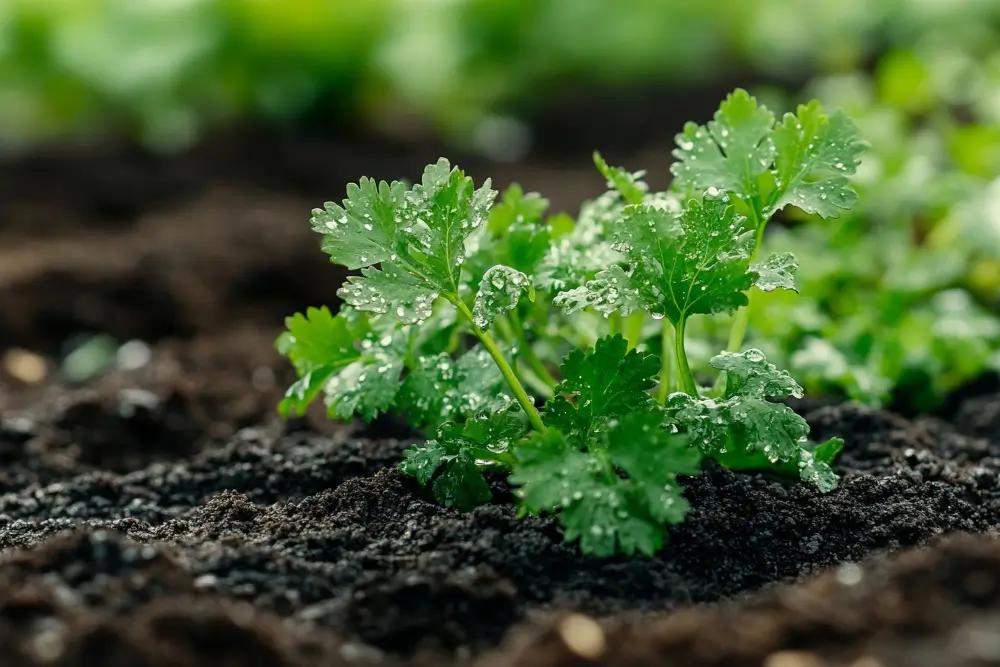
Cilantro has a shallow root system, so deep pots are unnecessary. But it needs enough surface area to spread.
Container Requirements:
- Minimum depth: 6–8 inches
- Width: 12–18 inches for good yields
- Drainage holes at the bottom
Rectangular containers or grow bags work best because they allow you to grow many plants together.
4. How to Sow Cilantro Seeds Correctly
Cilantro seeds are sensitive to heat and prefer cooler soil for germination.
Sowing Steps:
- Fill your pot with the soil mix.
- Water the soil lightly so it becomes moist but not soaked.
- Sprinkle the split seeds evenly across the surface.
- Cover them with a 1 cm thin layer of soil.
- Mist gently with water again.
Do not bury the seeds too deep, or they will fail to sprout.
5. Ideal Conditions for Germination
Cilantro germinates best in temperatures between 18–26°C. It may take 7–15 days to sprout, depending on temperature and seed quality.
To improve germination:
- Keep the pot in a semi-shaded area (not direct sun).
- Keep the soil moist every day with light watering.
- Cover the container with a thin plastic sheet or cardboard at night to maintain moisture.
Once seedlings appear, remove all covers and slowly introduce them to sunlight.
6. Sunlight Requirements for Healthy Growth
One of the biggest reasons cilantro fails at home is too much heat.
Cilantro grows best with:
- 3–4 hours of gentle morning sunlight
- Bright indirect light for the rest of the day
Avoid harsh afternoon sun, which causes the plant to bolt (produce flowers) prematurely.
If your climate is hot:
- Place pots under partial shade
- Use a green net
- Keep them near a wall that blocks afternoon sun
In cool climates, cilantro can tolerate full sun easily.
7. Watering Cilantro the Right Way
Cilantro loves moisture but hates waterlogging. The key is consistent, light watering.
Watering Tips:
- Water once daily during warm weather
- Water every 2 days in cooler weather
- Keep the soil moist, not soggy
- Use a spray bottle to avoid disturbing young seedlings
Dry soil slows growth; too much water rots the roots.
8. Feeding Your Cilantro Plants
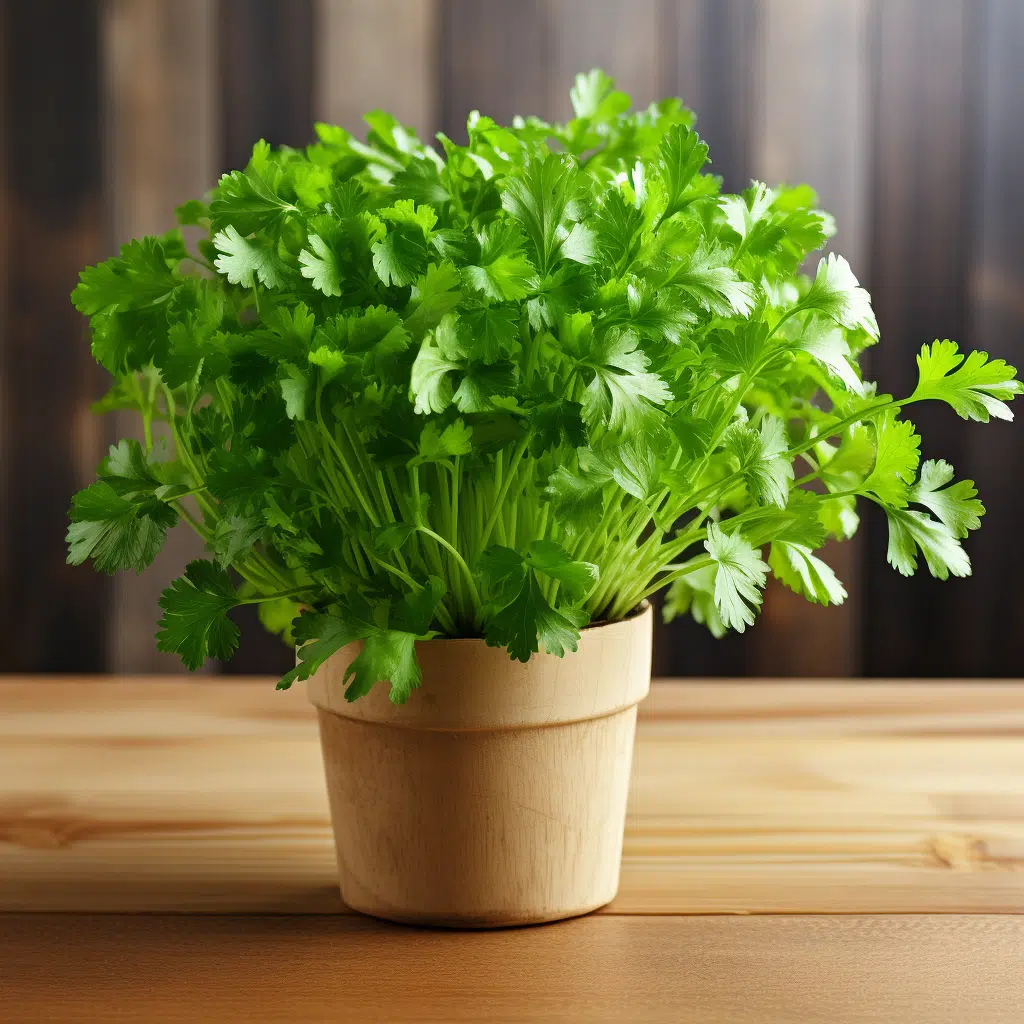
Cilantro grows fast and benefits from regular feeding.
Best fertilizers:
- Homemade compost
- Vermicompost
- Seaweed extract (liquid)
- Cow manure tea
- Fish amino acid (diluted)
When to feed:
- First feeding: 15 days after seedlings appear
- Next: Every 10–12 days
Avoid too much nitrogen—it causes excess leaves but weak flavor.
9. Common Problems and How to Fix Them
1. Plants grow tall and thin
This means they’re not receiving enough light.
Fix: Move to brighter location.
2. Leaves turn yellow
Often due to overwatering.
Fix: Reduce watering and improve drainage.
3. Leaves droop or wilt
Can be dehydration or heat stress.
Fix: Water immediately and provide partial shade.
4. Plants start flowering too early (bolting)
High temperatures cause this.
Fix:
- Place in shade
- Keep soil moist
- Harvest more frequently
Flowering causes leaves to lose flavor, so prevention is important.
10. Harvesting Cilantro: How to Keep It Growing for Months
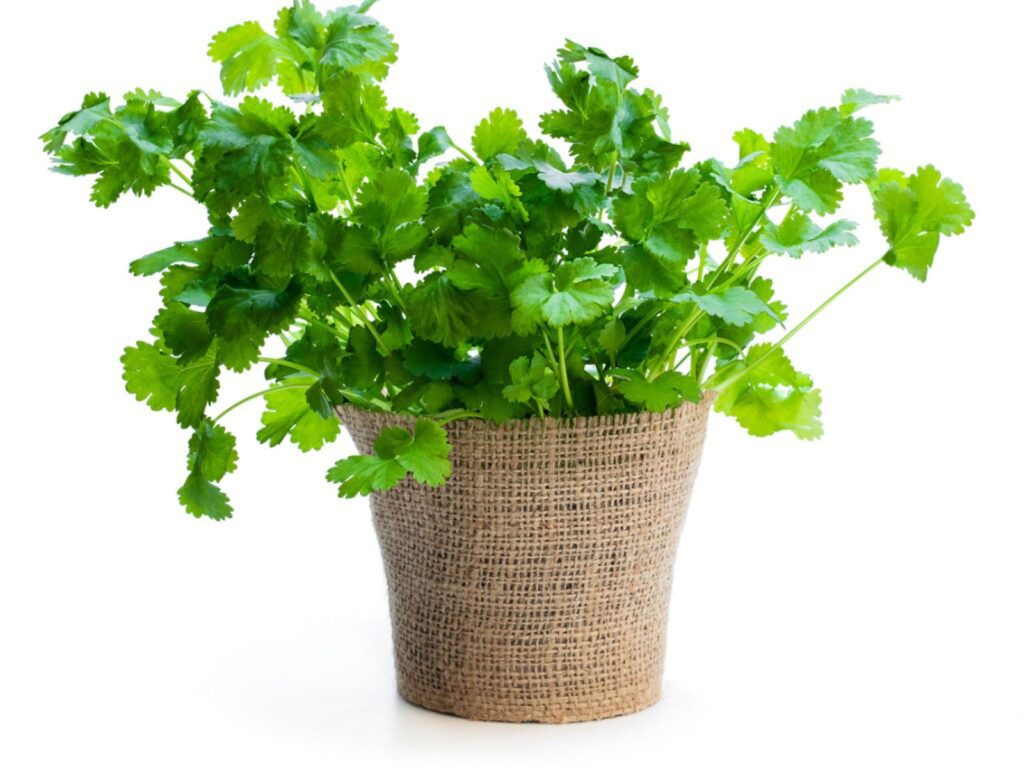
Cilantro can be harvested from 25–35 days after sowing.
How to harvest properly:
- Cut leaves from the outside first.
- Leave inner shoots to grow back.
- Never pull the entire plant unless you want a one-time harvest.
Frequent trimming encourages the plant to stay leafy for longer.
Pro Tip:
Sow new seeds every 2 weeks. This ensures a continuous, endless supply of fresh cilantro.
11. Regrowing Cilantro from Roots (Bonus Tip)
If you buy coriander from the market with roots attached, don’t throw the roots away!
Steps:
- Trim the tops and keep 2–3 cm of stem with roots.
- Plant the roots in soil.
- Water lightly.
- They begin growing again within a week.
This is the fastest way to get leaves, although not as long-lasting as growing from seed.
12. Growing Cilantro Indoors
You can grow cilantro indoors near a window if you have:
- 4–5 hours of sunlight, or
- A small grow light
Indoor cilantro stays tender and flavorful longer because it avoids heat stress.
Final Thoughts: Growing Cilantro at Home Is Simple and Rewarding
With the right soil, consistent moisture, and protection from harsh sun, cilantro grows beautifully at home. Whether you cook daily or want to enjoy fresh herbs straight from your balcony, this herb rewards you quickly and abundantly. By sowing seeds every few weeks, you can enjoy a constant supply all year long.