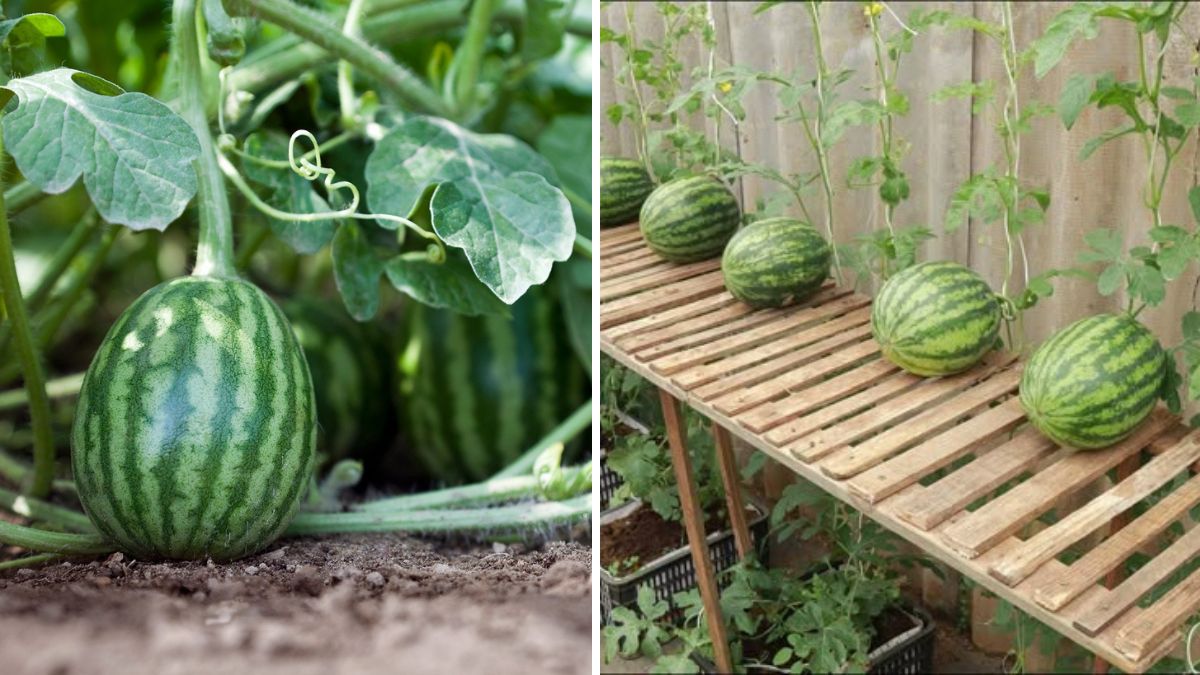
Growing large, sweet, and juicy fruits like pumpkins, melons, and watermelons is every gardener’s dream. These plants belong to the Cucurbitaceae family, loved for their rapid growth, sprawling vines, and delicious harvest. Yet many gardeners struggle with tiny fruits, yellowing leaves, flower drop, or slow growth. The truth is: these fruits are easy to grow, but only when you understand their specific needs and apply the right techniques.
In this comprehensive 1200-word guide, you’ll discover the most powerful secrets to growing pumpkins, muskmelons, and watermelons successfully—even in home gardens and small spaces. If you want bigger fruits, healthier vines, and a sweet, abundant harvest, get ready to take your gardening to the next level.
1. Know Your Cucurbits: How These Plants Grow
Pumpkins, melons, and watermelons share similar growth habits:
🌱 Fast-growing vines
🌞 Love full sun (6–8 hours minimum)
💧 High water needs
🍃 Require rich soil
🌼 Male and female flowers
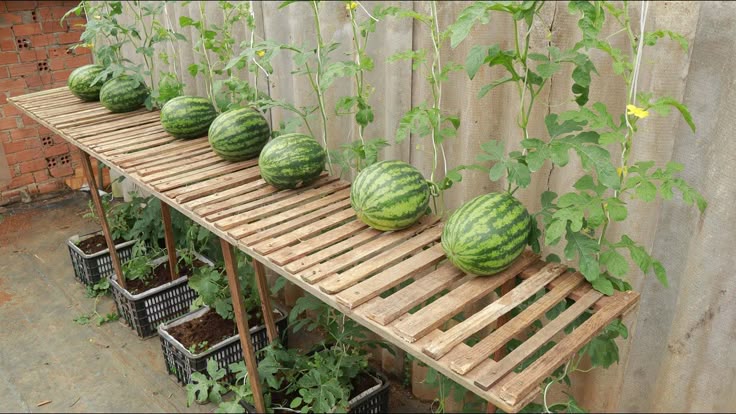
🧱 Need space to crawl or climb
Understanding their natural habits helps you create the right conditions for explosive growth and high yields.
2. Preparing the Perfect Soil – The Real Secret Behind Big Fruits
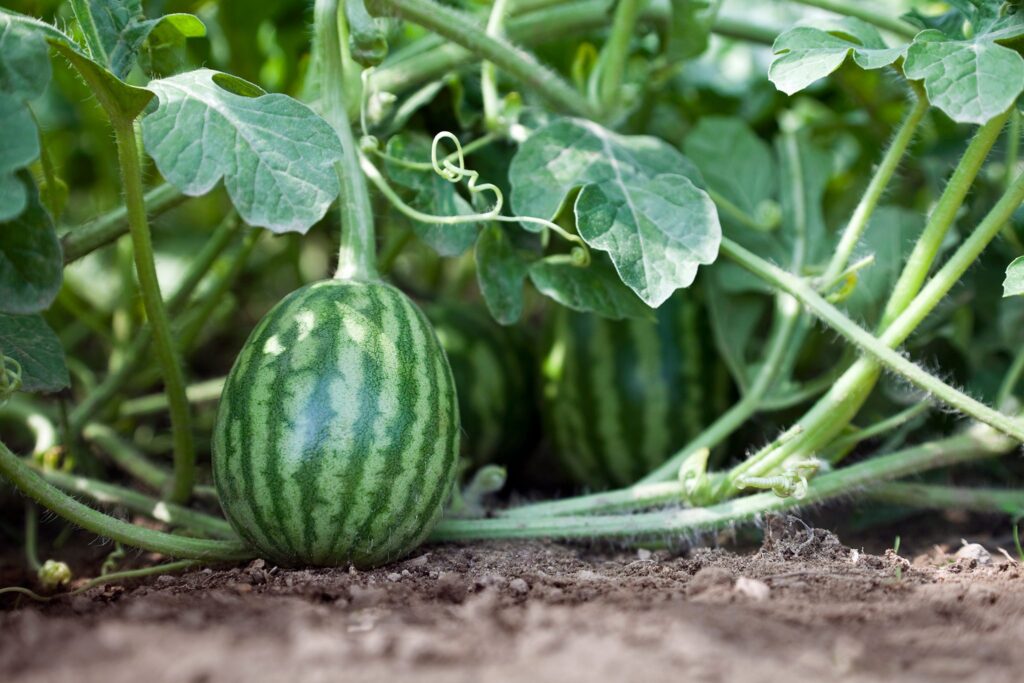
All cucurbits demand nutrient-rich, loose, and well-draining soil. This is where 80% of your success lies.
Ideal Soil Mix for Pumpkins, Melons & Watermelons
✔️ 40% garden soil
✔️ 30% compost or decomposed cow dung
✔️ 20% sand or cocopeat
✔️ 10% leaf mold or vermicompost
This blend gives:
- Strong root development
- Better aeration
- Excellent nutrient retention
- Minimal risk of waterlogging
Bonus Additives for MAX Growth
- Neem cake (prevents soil pests)
- Bone meal (boosts flowering)
- Wood ash (high in potassium for sweeter fruits)
- Eggshell powder (improves cell strength)
Pumpkins and melons are heavy feeders, so enriching the soil upfront sets the stage for a strong harvest.
3. Starting Seeds the Right Way
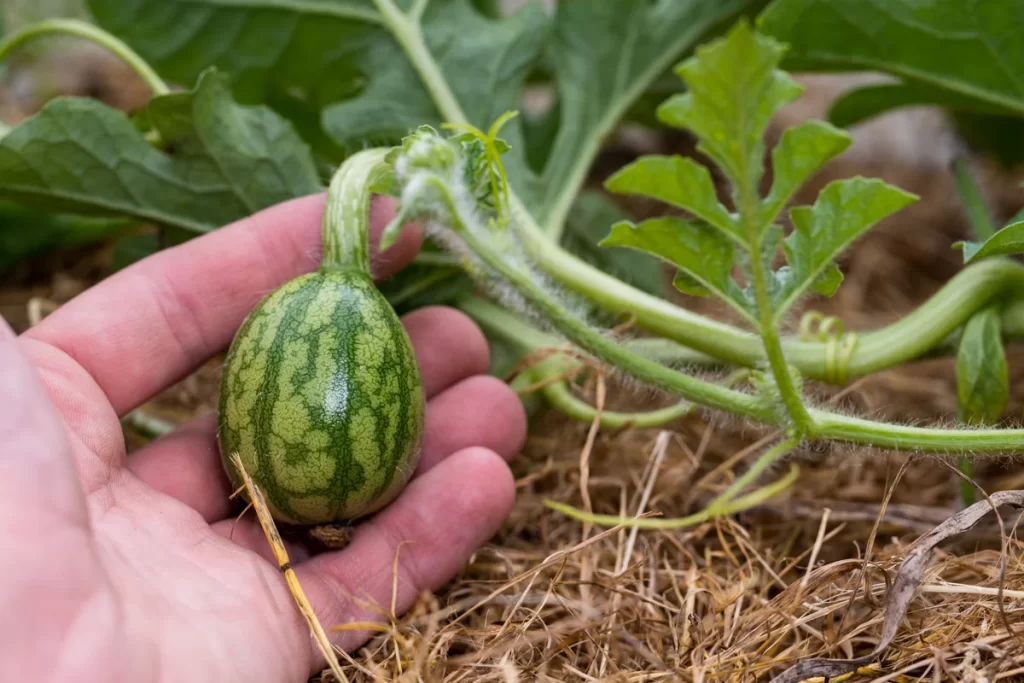
Cucurbit seeds germinate fast but need warmth.
Steps for Better Germination
- Soak seeds for 6–8 hours in lukewarm water
- Plant them 2–3 cm deep in seedling trays
- Keep the soil moist—not wet
- Provide sunlight after sprouting
Seedlings are ready for transplanting when they have 3–4 true leaves.
Direct Sowing vs. Transplanting
- Pumpkins: Prefer direct sowing
- Melons & watermelons: Can be transplanted carefully
If you’re short on space, grow them along fences, wires, or trellises.
4. Sunlight: The Energy Source for Sweet Fruits
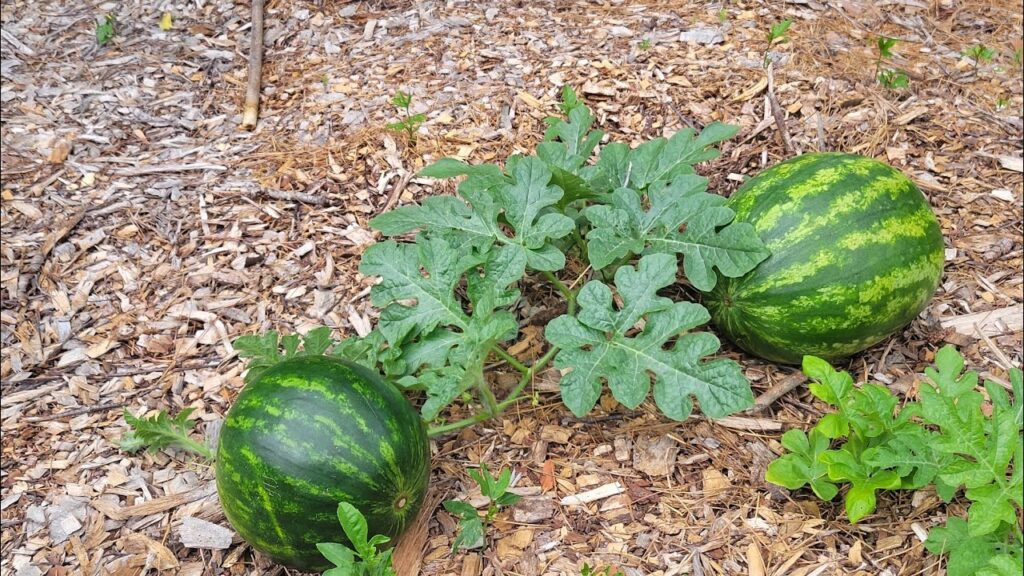
Pumpkins, melons, and watermelons must receive strong sunlight to develop sugar content.
Minimum Requirement:
☀️ 6–8 hours of direct sunlight daily
More sunlight = sweeter fruits and faster growth.
Insufficient sunlight leads to:
❌ Weak vines
❌ Flower drop
❌ Pale fruits
❌ Poor taste
If growing indoors or on balconies, always choose the sunniest spot possible.
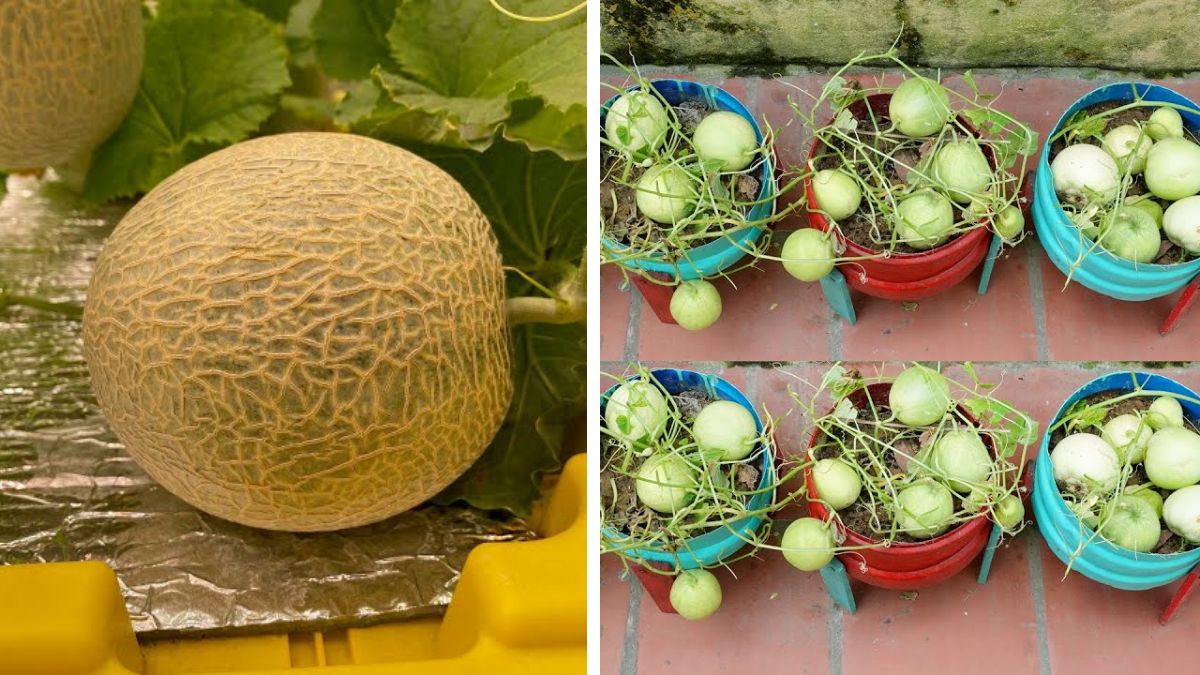
5. Watering Secrets: How to Water for Juicy, Sweet Fruits
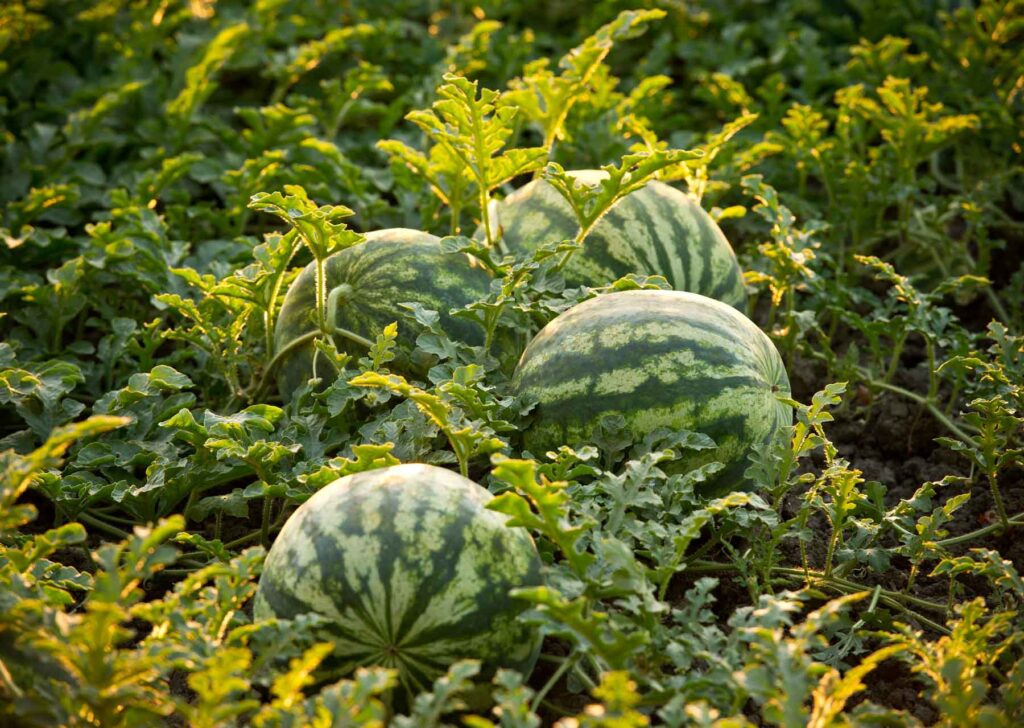
Cucurbits need plenty of water, especially during early growth.
Watering Guidelines
💧 Water deeply 2–4 times per week
💧 Keep soil slightly moist
💧 Reduce watering during fruit ripening
Avoid These Mistakes
❌ Frequent shallow watering
❌ Wetting leaves (causes fungal diseases)
❌ Watering during strong afternoon sun
Mulching with dried leaves or straw helps retain moisture and maintains cool roots.
6. Fertilizing for Mega Growth and Maximum Yield
To grow large, sweet fruits, cucurbits need consistent feeding.
Fertilization Schedule
Growth Stage (Weeks 1–4)
- Nitrogen-rich fertilizers
- Vermicompost
- Liquid compost tea
This promotes fast vine growth.
Flowering Stage (Weeks 4–7)
- Bone meal
- Seaweed extract
- Banana peel fertilizer
- NPK 5-10-10 or 8-24-24
More phosphorus and potassium help form strong flowers and early fruits.
Fruit Development Stage (Weeks 7 onwards)
- Wood ash (potassium)
- Epsom salt (magnesium)
- Molasses water (increase sweetness)
High potassium increases sugar content, leading to sweeter melons and watermelons.
7. Mastering Pollination: No Pollination = No Fruits
Pumpkins, melons, and watermelons produce separate male and female flowers.
Signs of Poor Pollination
❌ Fruits turn yellow and fall off
❌ Deformed fruits
❌ Small fruits that stop growing
How to Hand-Pollinate
- Pick a male flower (long, straight stem)
- Remove petals
- Gently rub the pollen onto a female flower (bulb-like base)
Do this early morning for best results.
Invite Natural Pollinators
🐝 Plant basil, sunflower, marigold, lavender nearby.
This increases pollination naturally and boosts yields dramatically.
8. Controlling Common Pests: Aphids, Leafminers & Beetles
Cucurbits attract common pests that drain plant energy.
Natural Pest Control Methods
✔️ Neem Oil Spray
5 ml neem oil + 1 ml soap + 1 liter water
Spray every 7–10 days.
✔️ Garlic-Chili Spray
Repels sucking insects like aphids.
✔️ Sticky Traps
Catch whiteflies and leafminers.
✔️ Companion Planting
Mint, lemongrass, marigold repel pests naturally.
Avoid chemical pesticides—they reduce pollinators and affect fruit sweetness.
9. Pruning Secrets for Bigger Fruits
Pruning keeps the plant manageable and directs energy to fruit growth.
Pumpkins
- Keep 1–2 main vines
- Remove weak side shoots
- Allow 2–3 fruits per vine for bigger size
Melons
- Pinch off the growing tip after 6–8 leaves
- Encourages side shoots, which produce more fruits
Watermelons
- Allow only 1–2 fruits per vine
- Snip off additional new fruits early
Pruning improves sunlight penetration, air circulation, and fruit quality.
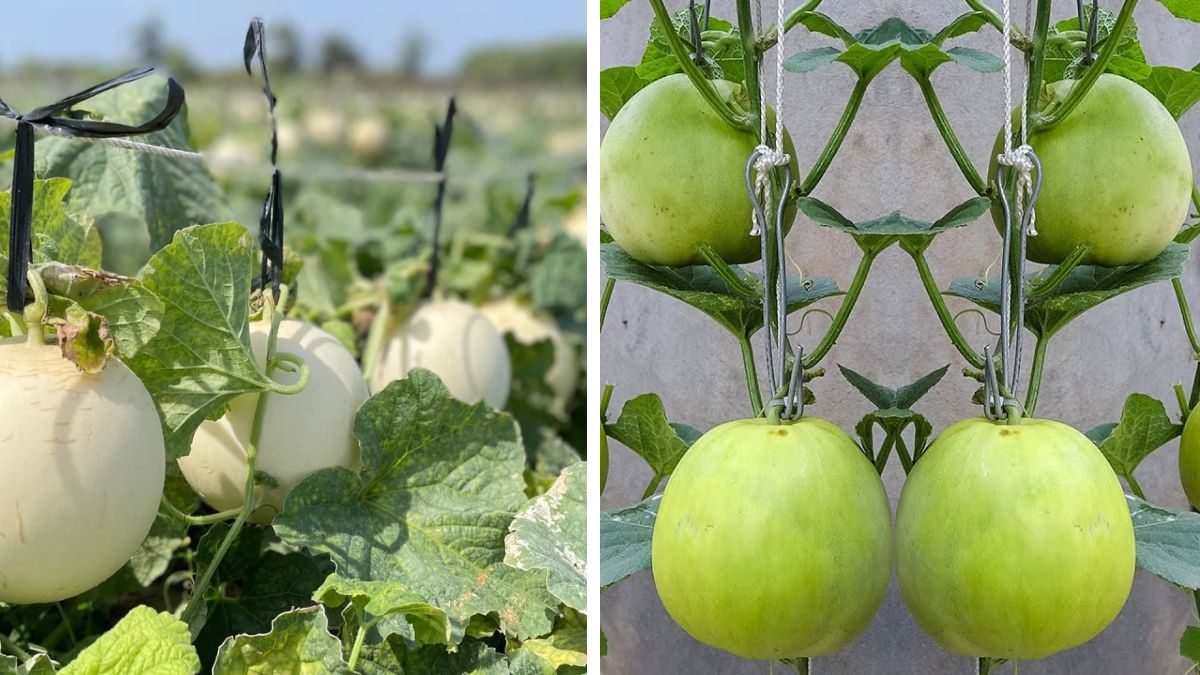
10. Supporting Vines: Trellis or Ground?
- Pumpkins: Best on ground (large fruits)
- Muskmelons: Can climb trellises
- Watermelons: Climbing possible with fruit hammocks
Benefits of Trellising
✔️ Saves space
✔️ Keeps fruits clean
✔️ Reduces fungal infections
✔️ Improves air circulation
For melons and watermelons, use cloth hammocks or net bags to hold heavy fruits securely.
11. Ripening: How to Know When Fruits Are Ready
Pumpkins
- Skin becomes hard
- Stem turns corky and dry
- Rich deep color
Melons
- Sweet aroma near stem
- Slight cracking around stem
- Netting pattern becomes clearer
Watermelons
- Bottom turns yellow
- Dry tendril near the fruit
- Hollow sound when tapped
Harvest at the right stage for maximum sweetness.
12. Bonus Tips for Extra Success
🌿 Rotate crops every season
🌿 Avoid planting cucurbits in the same soil every year
🌿 Use mulch for weed control
🌿 Remove diseased leaves quickly
🌿 Keep distance between plants for airflow
Following these small steps prevents diseases and keeps plants vigorous.
🌟 Conclusion: Grow Giant, Sweet & Healthy Fruits With Confidence
Pumpkins, melons, and watermelons may look demanding, but when you understand their needs—sunlight, nutrition, pollination, watering—they reward you with large, sweet, and juicy harvests. These secrets help you create the perfect environment for abundant fruiting and vigorous vines.