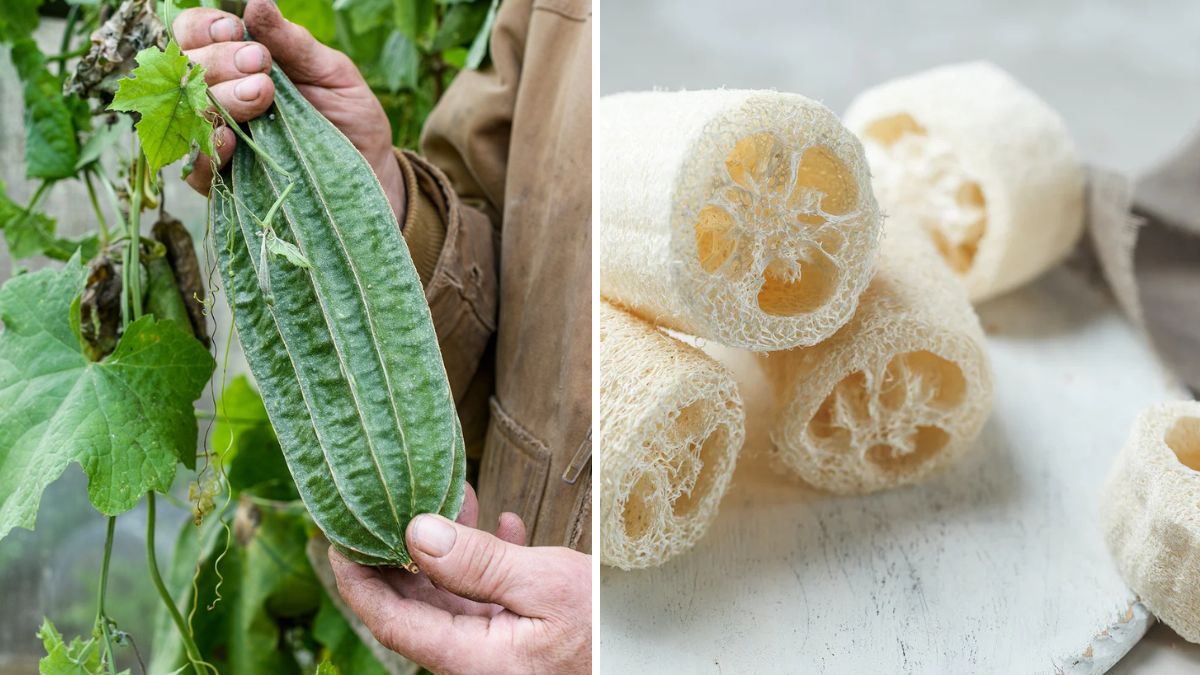
The loofah plant—also known as luffa, vegetable sponge, or “ghiya torai” in many regions—is one of the most rewarding climbing vegetables you can grow at home. Not only does it give fresh, delicious gourds for cooking, but when fully matured, it transforms into natural sponges used for bathing, scrubbing, and cleaning. But growing loofah successfully is not always easy. Gardeners often complain about ants farming aphids, flowers falling before fruiting, and tendrils not grabbing support properly.
If you’re dreaming of enjoying your own homegrown luffa, this guide gives you the complete 1200-word roadmap to grow strong, productive plants and overcome the most common problems—naturally and effectively.
1. Understanding the Loofah Plant
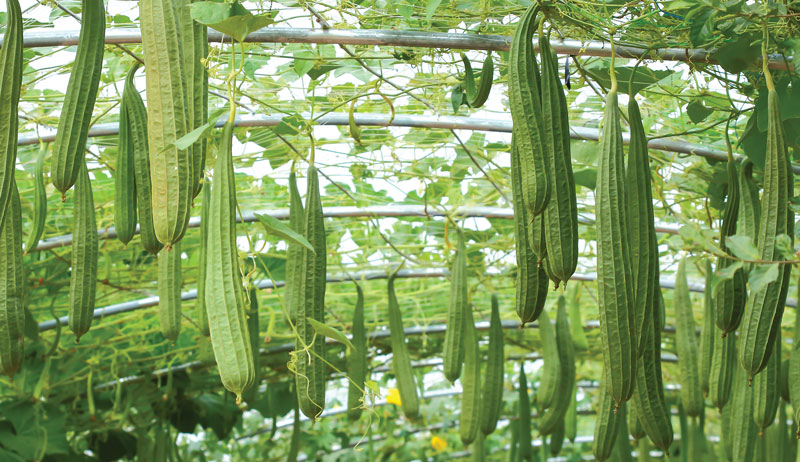
Before learning the solutions, it’s important to know the basics of loofah growth:
🌱 Type: Fast-growing annual vine
☀️ Sunlight: Minimum 6–8 hours direct sunlight
💧 Water: Moderate but consistent moisture
🌡️ Climate: Warm weather (25–35°C ideal)
🧱 Support: Needs vertical trellis or strong net
⏳ Harvest time: Edible young fruits in 45–60 days, sponges in 120–150 days
The loofah is a vigorous plant with high nutrient needs. When the growing environment is right, it rewards with dozens of fruits per plant.
2. Preparing the Soil – The Foundation of Success
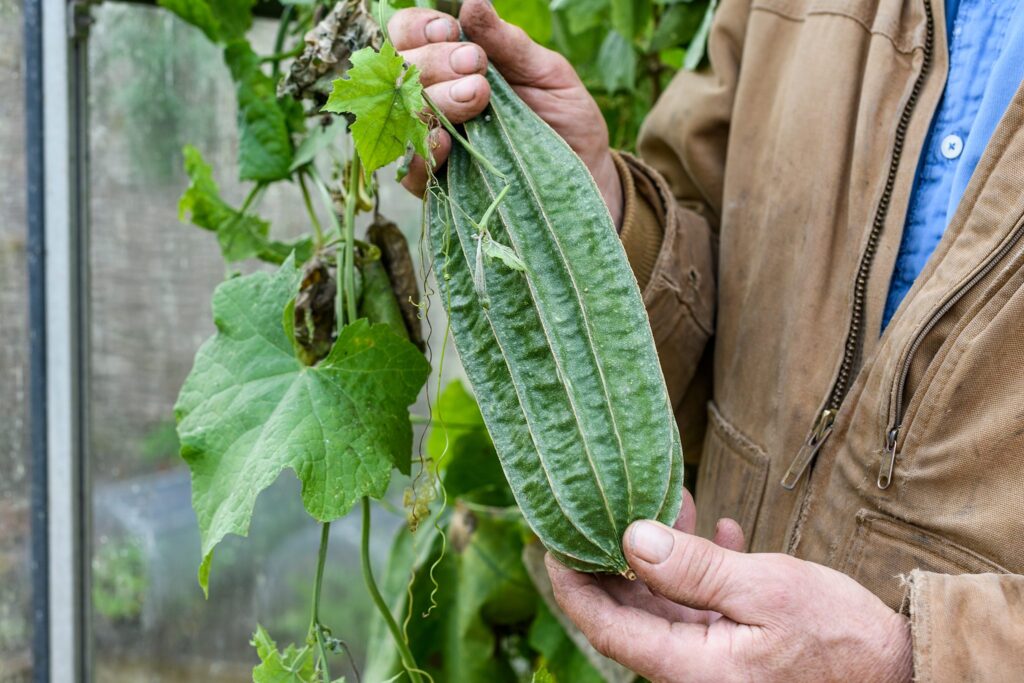
A strong loofah plant starts with the right substrate. This vegetable needs:
- Loose soil for deep roots
- High fertility
- Good drainage
Recommended Loofah Soil Mix
✔️ 40% garden soil
✔️ 30% compost or decomposed cow manure
✔️ 20% cocopeat
✔️ 10% sand or perlite
Mix well to achieve a light, aerated growing medium.
Optional Booster Additions
- Neem cake (prevents soil pests)
- Bone meal (boosts flowering)
- Vermicompost (slow-release nutrition)
This ensures the plant has all the nutrients needed for fast vegetative growth and abundant flowering later.
3. Sowing Loofah Seeds Correctly
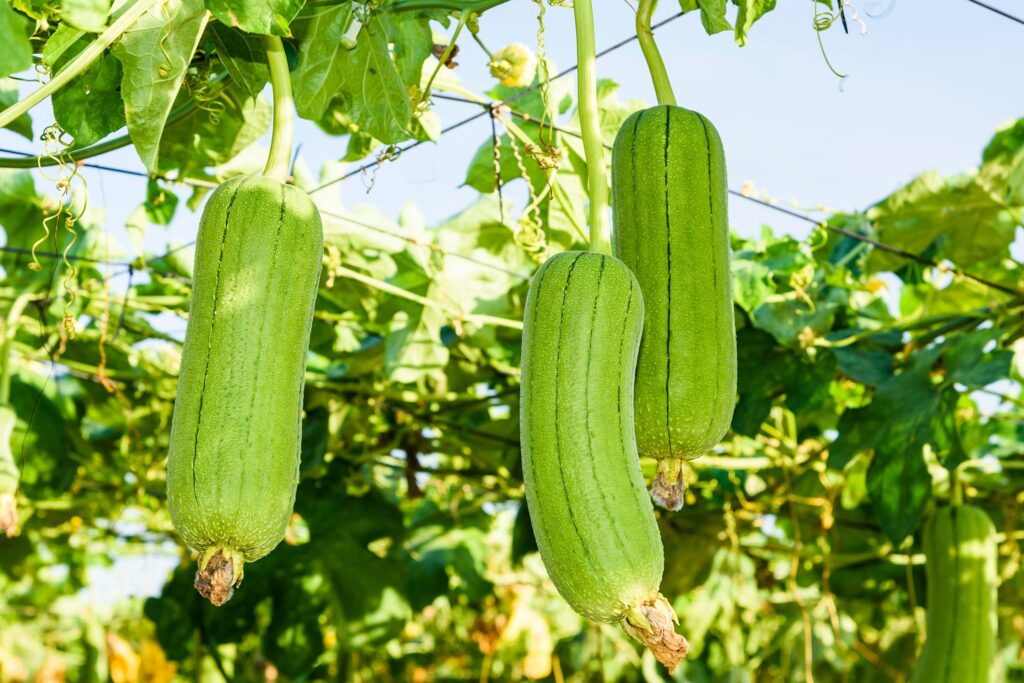
Loofah seeds have a hard shell, so germination can be slow.
For Better Germination:
- Soak seeds for 12 hours in warm water
- Slightly crack the edge with a nail cutter (optional)
- Start seeds in small pots or seedling trays
- Keep soil moist but never soggy
Seeds sprout in 5–10 days. Once the seedlings have 3–4 true leaves, transplant them into big pots (at least 20–25 liters) or directly into the ground.
4. The Biggest Challenge: Fallen Flowers (Especially Female Flowers)
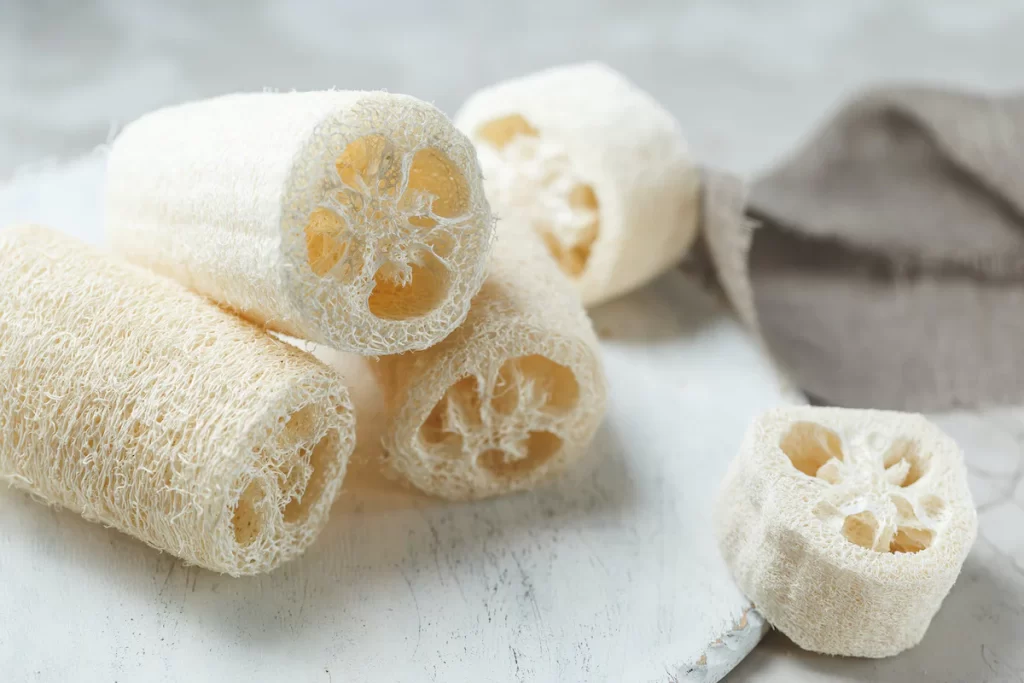
Loofah plants often drop female flowers before fruit begins. This is the most frustrating issue for gardeners.
Common Reasons for Flower Drop
❌ High temperatures
❌ Nutrient imbalance
❌ Lack of pollinators
❌ Overwatering or underwatering
❌ Too much nitrogen
Effective Solutions
1. Encourage Pollination
Hand-pollinate early in the morning:
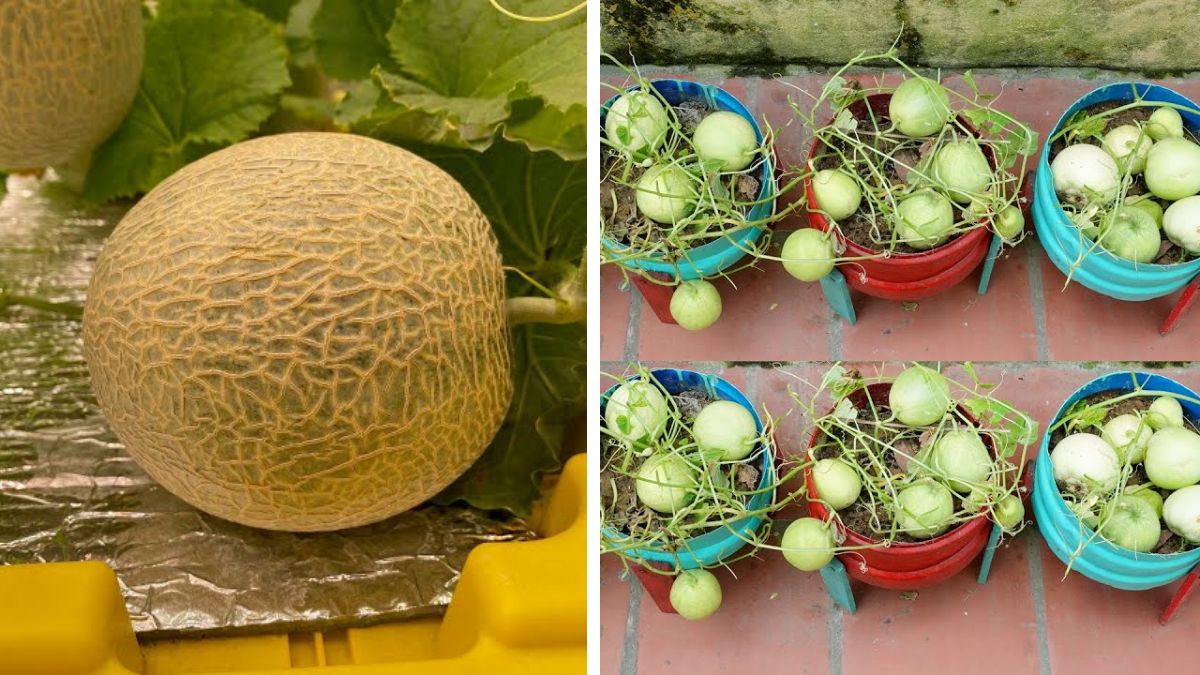
- Pick a male flower
- Touch it gently to the center of a female flower
OR
Plant pollinator-friendly flowers nearby (marigold, basil, sunflower).
2. Correct Fertilization
Avoid heavy nitrogen fertilizers.
Use bloom boosters:
- Banana peel fertilizer
- Bone meal
- Seaweed extract
- NPK 5-10-10 or 10-10-20 (light dose)
3. Stable Watering
Water only at the soil level, not on leaves.
Maintain moisture—not too wet, not dry.
4. Heat Protection
Extreme heat can cause flowers to abort. Use:
- Shade net (30%) during afternoon
- Mulching to cool roots
5. Ants on Loofah Plants: The Hidden Problem
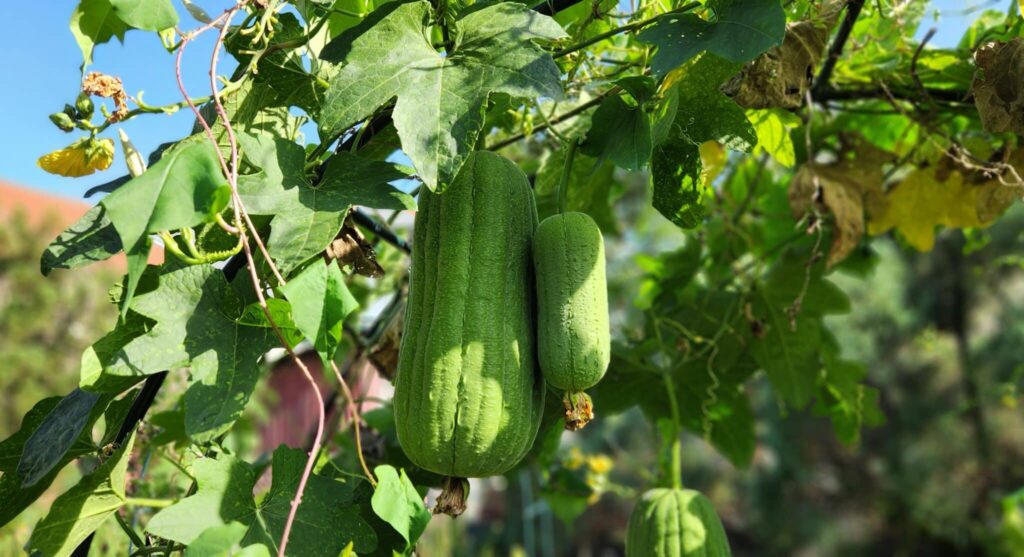
Ants are not actually the main enemy—but they farm aphids, which suck plant sap and stunt growth. If you see ants, aphids are already present.
How to Identify Aphids
- Sticky honeydew
- Curled leaves
- Small black/green insects clustered together
Home Remedies to Control Ants & Aphids
✔️ Soap Spray:
1 liter water + 1 tsp dish soap
Spray underside of leaves.
✔️ Neem Oil Spray:
5 ml neem oil + 1 ml soap + 1 liter water
Use every 5–7 days until solved.
✔️ Cinnamon Powder:
Sprinkle on soil to repel ants.
✔️ Vaseline Barrier:
Apply around the pot rim so ants cannot climb.
Long-Term Prevention
- Avoid excess sugar-based fertilizers
- Clean honeydew regularly
- Use neem cake in soil
Ant control alone can dramatically increase fruit formation.
6. Tendrils Not Grabbing Support? Here’s Why
Loofah vines produce tendrils that naturally wrap around supports. When they fail to attach:
Possible Causes
❌ Support is too thick
❌ The plant is too far from the trellis
❌ Wind damage
❌ Weak vine due to nutrient deficiency
Solutions
1. Provide Thin, Strong Supports
Tendrils wrap best around:
- Jute rope
- Nylon net
- Bamboo sticks
- Thin metal wires
Avoid thick wooden poles.
2. Guide the Vine
Gently tie the vine using soft cloth strips for the first 2–3 weeks until tendrils take over.
3. Strengthen the Plant
Use seaweed extract once every 15 days to boost vine strength and root growth.
7. Fertilization Schedule for Maximum Loofah Production
A proper feeding routine ensures non-stop flowering.
Week 1–4 (Vegetative Stage)
- Vermicompost
- Panchagavya
- Liquid compost tea
Week 5–10 (Flowering Stage)
- Seaweed extract
- Banana water
- Bone meal
- Light NPK with higher P & K
Week 10 onwards (Fruit Development)
- Potassium-rich fertilizer
- Wood ash (great natural source of K)
- Epsom salt once a month to prevent yellowing
8. Watering Technique for Healthy Vines
Overwatering leads to root rot and flower drop.
Best Practices
- Deep watering 2–3 times a week
- Early morning watering preferred
- Mulch with dried leaves or coco husk
Avoid
❌ Watering in the afternoon
❌ Constantly soggy soil
❌ Splashing water on stems or flowers
9. Harvesting Your Loofah
For Cooking:
Harvest when fruit is:
- 15–20 cm long
- Soft to touch
- Bright green
For Loofah Sponge:
Leave fruits on the vine until they:
- Turn yellow or brown
- Feel extremely light
- Make a rattling sound
Peel, wash, dry, and enjoy your natural homegrown sponge!
10. Final Tips for a Highly Productive Loofah Plant
✔️ Grow in full sunlight
✔️ Provide tall support (6–7 ft minimum)
✔️ Remove damaged leaves frequently
✔️ Control pests early
✔️ Feed regularly
✔️ Keep vines trained upwards
When the plant is happy, one loofah vine can produce 30–50 fruits in a season.
🌟 Conclusion: Your Path to Loofah Success
Growing loofah at home is both exciting and rewarding, especially when you understand how to avoid the problems most gardeners face. With the right soil, disciplined watering, smart fertilization, and control of ants and pests, your loofah vine will flourish with lush green growth, strong tendrils, abundant flowers, and plenty of fruits.
By following the secrets shared in this guide, you’ll enjoy a thriving garden full of fresh edible gourds—and later, beautifully natural bath sponges grown right at home.