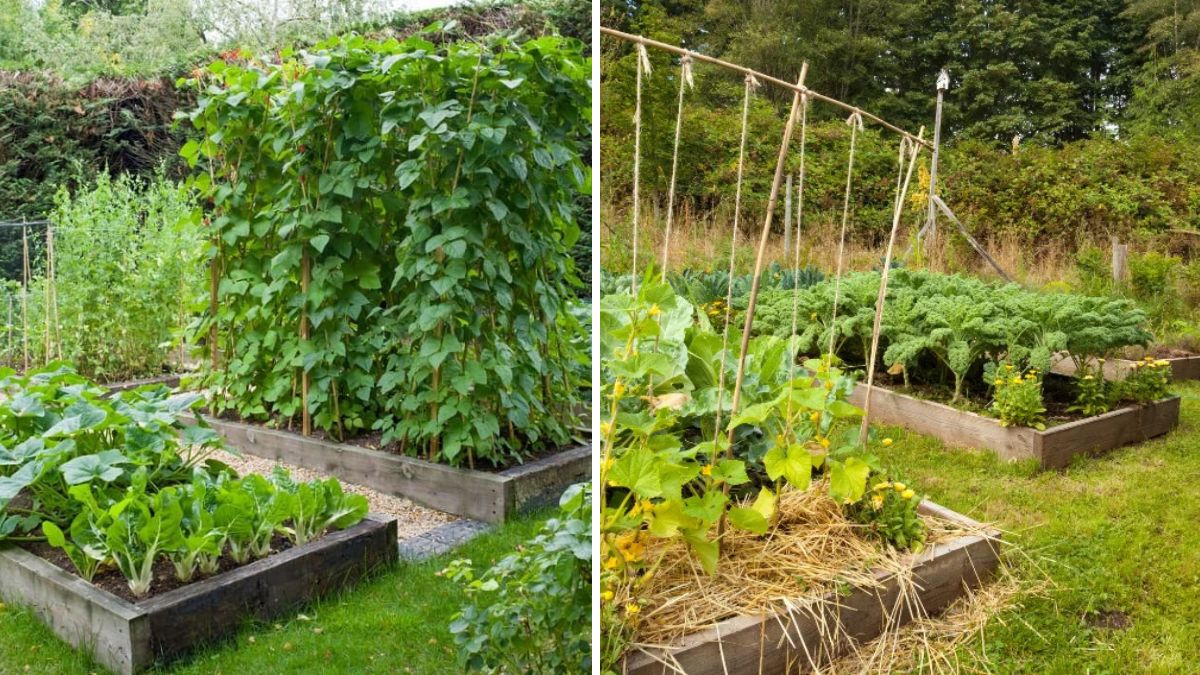
Gardening in boxes has become one of the most popular and effective methods for growing plants in small spaces, urban balconies, terraces, patios, and even rooftops. This compact, flexible approach allows gardeners to cultivate vegetables, fruits, herbs, and flowers without needing a traditional garden bed. But to create a truly successful box garden, you need to understand the essential techniques, maintenance steps, and strategic advances that make this method thrive.
In this guide, we reveal the secrets of success for gardening in boxes—how to set them up correctly, maintain healthy plants, fertilize efficiently, and avoid common mistakes. With the right knowledge, even beginners can turn a simple box into a productive green oasis.
Why Garden in Boxes? The Advantages
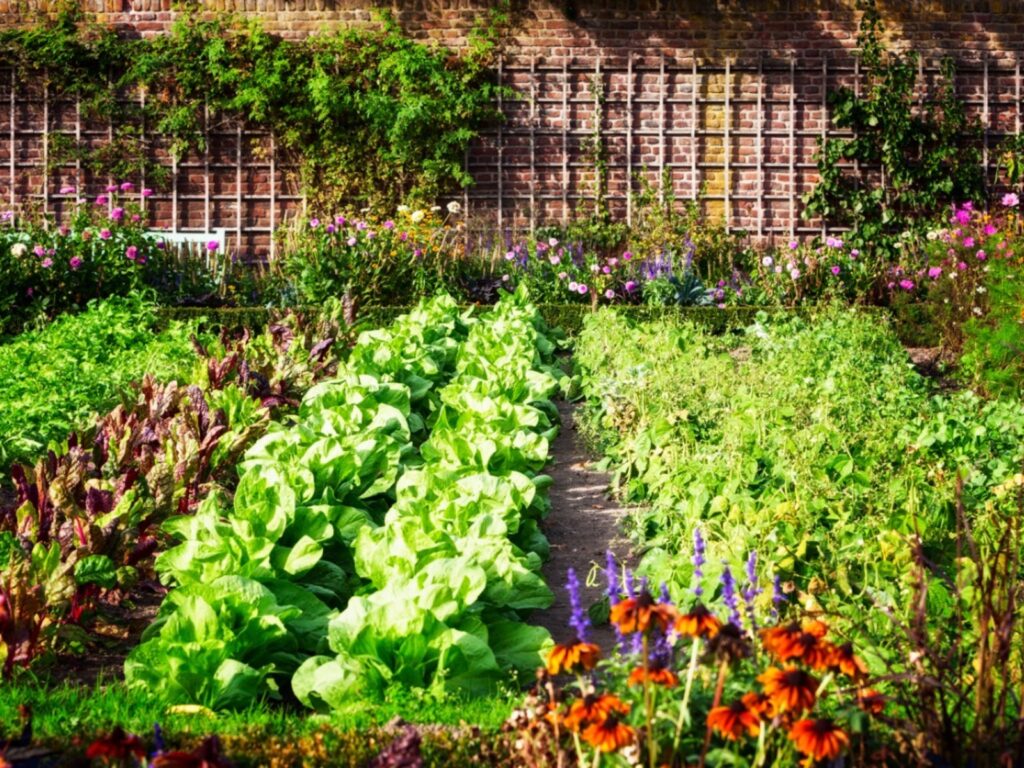
Gardening in boxes offers numerous benefits:
Perfect for Small Spaces
Even a balcony with limited sunlight can support a thriving garden. Boxes can be placed on shelves, hung on walls, or arranged vertically.
✔ Better Soil Control
You choose the soil quality, texture, and nutrients—ideal for areas with poor or contaminated ground soil.
✔ Mobility
Boxes can be moved seasonally to protect plants from frost, excessive rain, or extreme sunlight.
✔ Pest Reduction
Elevated positions reduce pest invasion and make plants easier to manage.

✔ Water Efficiency
Box gardens often use less water and can be adapted for self-watering systems.
These advantages make box gardening ideal for both beginners and experienced growers who want convenience and control.
Step 1: Choosing the Right Boxes—A Key to Success
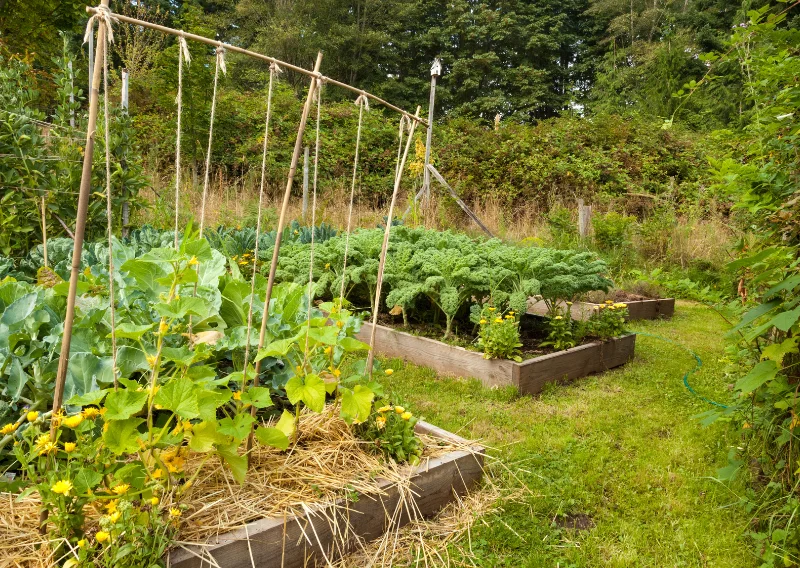
The type of box you use determines your garden’s overall productivity. Consider these essentials:
Material Choices
- Wooden Boxes: Breathable, natural, and ideal for vegetables. Make sure the wood is untreated.
- Plastic Boxes: Lightweight, durable, and good for retaining moisture.
- Fabric Grow Bags: Excellent aeration; roots grow stronger and avoid circling.
- Recycled Containers: Vegetable crates, buckets, and storage bins can be repurposed.
Size and Depth
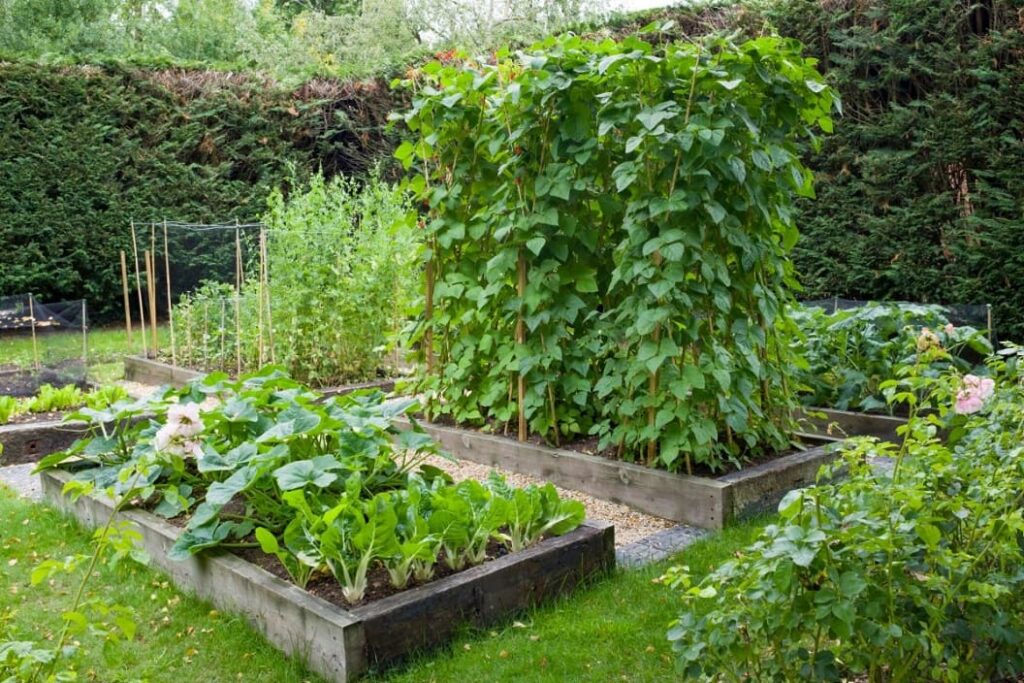
Different crops need different soil depths:
- Leafy greens: 15–20 cm
- Herbs: 20–25 cm
- Tomatoes, peppers, eggplants: 30–40 cm
- Potatoes, carrots, and root crops: 40–50 cm
A deeper box always gives better root expansion and higher yield.
Drainage
Proper drainage is essential. Make sure boxes have:
- Holes at the bottom
- Gravel, stones, or clay pellets under the soil
- A tray to collect excess water if placed indoors
Without drainage, your plants will suffer from root rot and poor growth.
Step 2: Creating the Perfect Substrate Mix
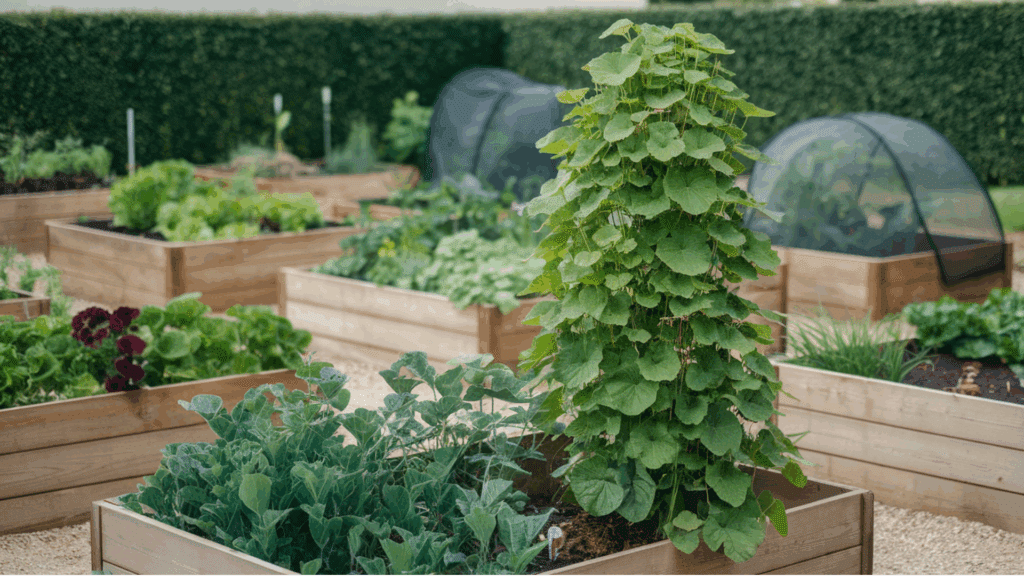
The substrate is the heart of your garden. Good soil equals healthy plants.
The Ideal Box-Garden Mix
A productive and well-balanced substrate should include:
- 40% compost
- 30% peat moss or cocopeat
- 20% garden soil
- 10% perlite or vermiculite
This mixture provides:
✔ Optimal drainage
✔ Fertile nutrients
✔ Moisture retention
✔ Root aeration
Add Organic Nutrients
Enhance the mix with:
- Worm castings
- Crushed eggshells
- Bone meal
- Fish emulsion
These natural fertilizers support long-term plant health.
Step 3: Planting Techniques for Maximum Growth
Spacing Matters
Overcrowding is a common box-gardening mistake. Give each plant room to expand:
- Tomatoes: 1 plant per box
- Peppers: 2 plants
- Strawberries: 3–4 plants
- Lettuce: 4–6 plants
- Herbs: group by size (basil with basil, mint alone, etc.)
Companion Planting
Pairing compatible plants boosts success:

- Tomatoes + basil → stronger flavor, fewer pests
- Carrots + onions → natural pest barrier
- Lettuce + radish → efficient use of surface area
Avoid planting aggressive herbs like mint with others—they spread too quickly.
Step 4: Watering Like a Professional
Proper watering is crucial in box gardening.
Signs of Correct Watering
- Soil feels moist but not muddy
- Leaves stay green and firm
- No yellowing from overwatering
Watering Tips
- Water early in the morning or late afternoon.
- Use drip irrigation or self-watering systems for large setups.
- Add mulch to reduce evaporation.
- Water deeply, ensuring moisture reaches the roots.
Boxes dry out faster than ground soil, so monitoring moisture is key.
Step 5: Fertilization for Strong Growth
Plants grown in boxes depend entirely on the nutrients you provide.
Fertilization Schedule
- Every 2 weeks → liquid fertilizer or compost tea
- Every 30–45 days → solid organic fertilizer (granules)
- Every 3 months → soil renewal on surface
Best Fertilizers for Box Gardens
- Vermicompost
- Seaweed extract
- Fish emulsion
- Banana peel tea
- Coffee grounds (sparingly)
Remember: Over-fertilizing can burn roots. Always follow recommended dosages.
Step 6: Pest and Disease Prevention
A box garden is easier to monitor, but pests still appear.
Common Pests
- Aphids
- Whiteflies
- Ants
- Spider mites
- Slugs
Natural Solutions
- Neem oil spray
- Garlic and chili repellent
- Sticky traps
- Soap water for soft-bodied insects
- Mulch barriers to prevent slugs
Keep plants clean and remove yellow leaves to prevent disease spread.

Step 7: Seasonal Care and Smart Advances
Spring
- Start new seedlings
- Add fresh compost
- Replace topsoil layer
- Increase watering gradually
Summer
- Provide shade for sensitive plants
- Water frequently
- Add mulch to retain moisture
- Harvest regularly to stimulate production
Autumn
- Prune old leaves
- Reduce watering
- Add slow-release fertilizers
- Prepare for cooler weather
Winter
- Move boxes indoors if possible
- Insulate containers
- Protect plants with fabric covers
- Water sparingly
Seasonal care ensures your box garden stays productive all year long.
Advanced Tips for Even Better Results
If you want to take your garden in boxes to the next level, consider these pro techniques:
✔ Vertical Gardening
Use trellises, grids, or hanging baskets to maximize space.
✔ Self-Watering Boxes
Create a reservoir system under the soil to reduce watering frequency.
✔ Hydroponic Integration
Combine soil boxes with small hydroponic setups for leafy greens.
✔ LED Grow Lights
Boost growth for indoor box gardens during winter.
✔ Crop Rotation
Avoid planting the same crop in the same box repeatedly to reduce disease.
Common Mistakes to Avoid
- Using heavy or clay soil
- Overcrowding plants
- Forgetting drainage holes
- Overwatering
- Ignoring pests
- Applying too much fertilizer
- Placing boxes in low-light areas
Avoiding these mistakes ensures a longer life for your plants and higher yields.
Final Thoughts
A garden in boxes is more than a space-saving technique—it is a smart, efficient, and rewarding way to grow your own food and plants. By choosing the right containers, preparing nutrient-rich substrate, mastering watering and fertilization, and applying seasonal care, you can transform any small area into a flourishing mini-garden.
With consistent care and the right strategies, your box garden will produce fresh vegetables, vibrant fruits, aromatic herbs, and beautiful flowers throughout the year. The secret of success lies in attention, creativity, and understanding your plants’ needs.