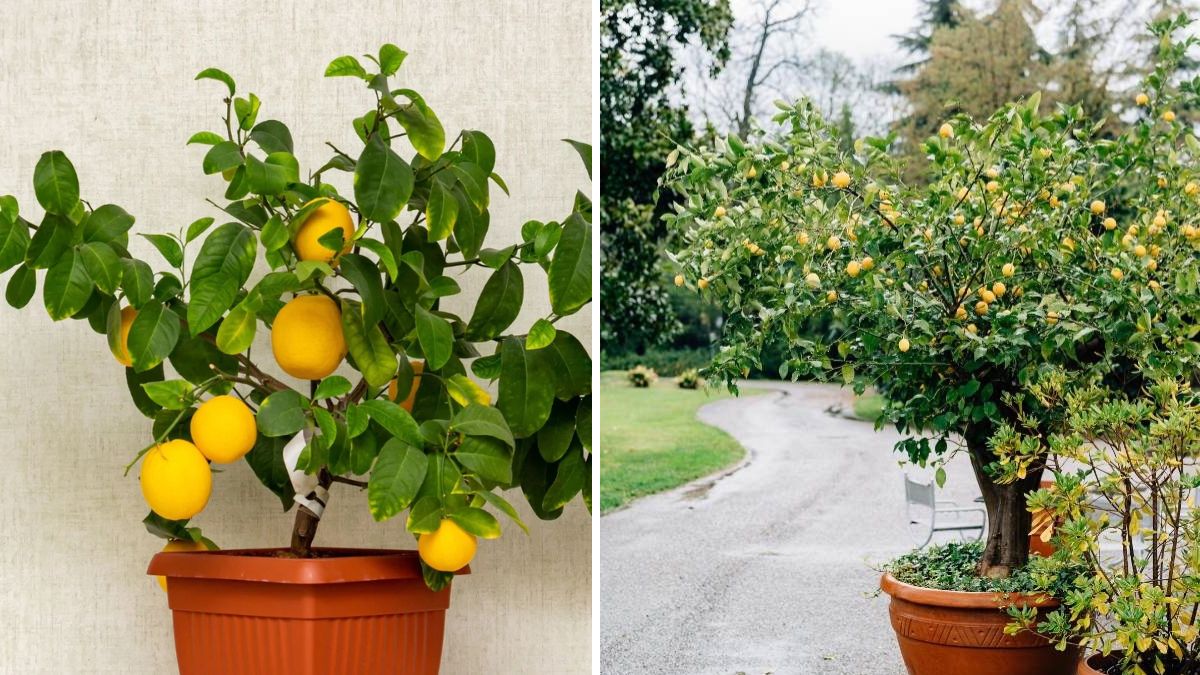
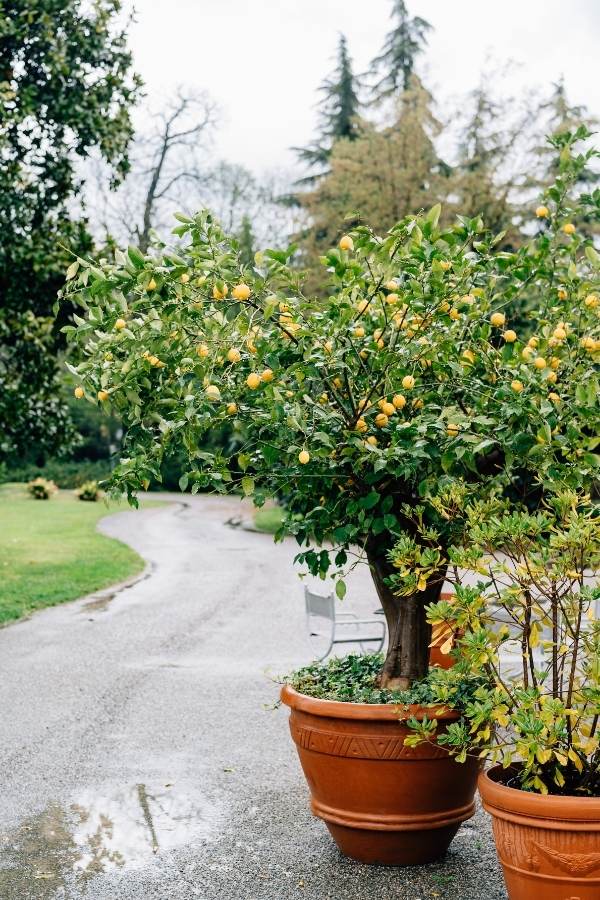
Watching a lemon tree bloom is a magical experience for any gardener, and it’s even more remarkable when it happens just one month after transplanting. Potted lemon trees are increasingly popular for home gardeners because they can thrive in limited spaces such as balconies, patios, or indoors. However, successful flowering soon after transplanting requires careful planning, proper care, and a little know-how about citrus cultivation. This guide will explore why your potted lemon tree bloomed so quickly, how to maintain its health, and how to encourage more flowers and fruits in future seasons.
Understanding Lemon Tree Blooming
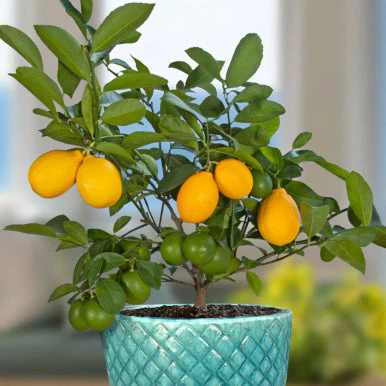
Lemon trees produce fragrant white flowers that eventually develop into fruit. Flowering is influenced by factors such as plant age, light, temperature, nutrition, and transplanting conditions. Potted lemon trees can bloom within a few weeks after being transplanted if they are mature, healthy, and given optimal care.
Blooming shortly after transplanting is often a sign that the tree was stressed slightly during the move, which can sometimes trigger early flowering. This phenomenon is nature’s way of ensuring the plant reproduces when it senses environmental changes.
Choosing the Right Potted Lemon Tree
Several factors contribute to successful blooming after transplanting:
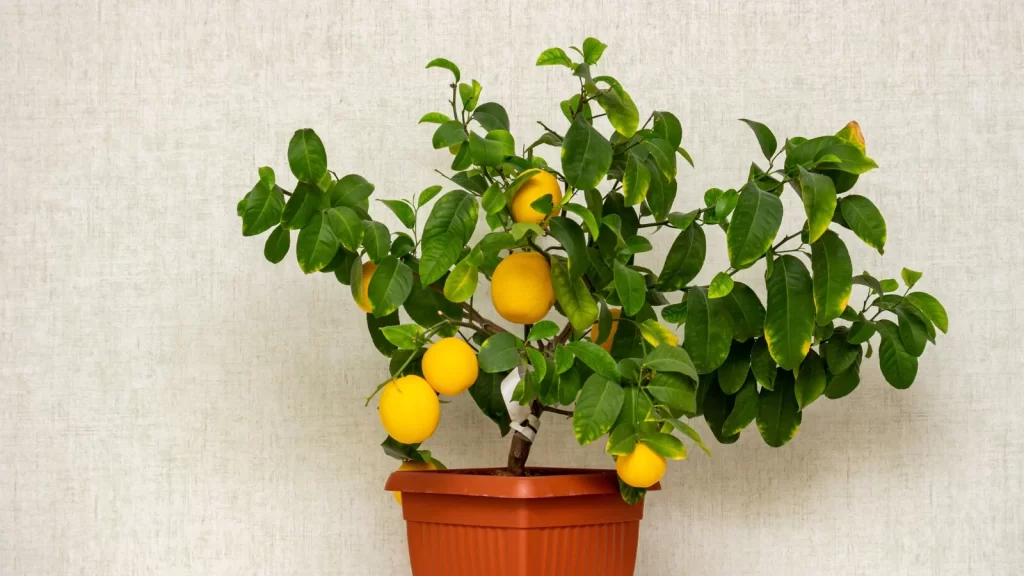
- Variety Selection: Meyer lemons are particularly suitable for container growth and early flowering. Eureka and Lisbon varieties also adapt well to pots.
- Tree Maturity: Young trees (1–3 years old) may bloom less vigorously, whereas mature trees with established root systems are more likely to flower quickly.
- Health: Disease-free, well-watered, and well-nourished trees respond better to transplanting and produce flowers sooner.
Preparing the Pot and Soil
The foundation for a potted lemon tree’s success begins with the right container and soil:
- Pot Size: Choose a pot at least 12–18 inches in diameter for small trees, larger for mature specimens. Ensure drainage holes to prevent waterlogging.
- Soil Mix: Use well-draining, fertile soil. A combination of garden soil, compost, and perlite or sand works well. Slightly acidic soil (pH 5.5–6.5) supports nutrient uptake and flowering.
- Mulching: Apply a layer of mulch to retain moisture and protect roots. Organic mulch also encourages beneficial microbial activity.
Transplanting Lemon Trees Successfully
Transplanting is a delicate process, but with proper care, potted lemon trees can adapt quickly and even bloom within weeks:
- Timing: Spring or early summer is ideal, avoiding extreme heat or cold.
- Preparation: Water the tree well a day before transplanting to reduce stress.
- Handling Roots: Gently remove the tree from its old pot, keeping the root ball intact. Trim only dead or damaged roots.
- Planting Depth: Place the tree at the same depth it was in its previous container. Avoid burying the crown, which can cause rot.
- Initial Watering: Water thoroughly after transplanting to help settle the soil around the roots.
Care After Transplanting
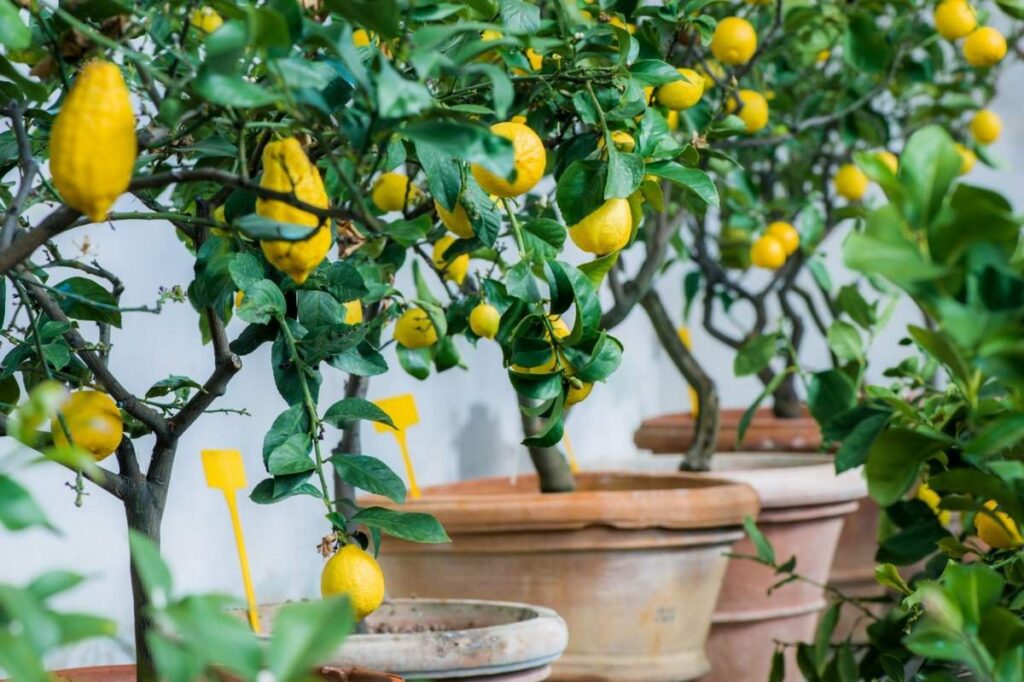
Immediate post-transplant care is crucial to encourage flowering and maintain tree health:
- Light: Lemon trees need at least 6–8 hours of direct sunlight daily. Bright, indirect light works for indoor trees.
- Temperature: Ideal daytime temperatures are 20–25°C (68–77°F). Avoid sudden drafts or cold exposure.
- Watering: Keep soil consistently moist but not waterlogged. Reduce watering slightly once the tree establishes.
- Humidity: Indoor trees benefit from occasional misting, especially in dry environments.
Fertilization for Flowering
Proper nutrition encourages healthy blooms and fruit set:
- Nitrogen: Promotes leaf and root growth. Use moderately to avoid excessive foliage at the expense of flowers.
- Phosphorus and Potassium: Essential for flower production and fruit development. Fertilizers labeled for citrus often have higher P and K content.
- Micronutrients: Calcium, magnesium, and iron prevent yellowing leaves and support flower growth.
- Application: Use a balanced citrus fertilizer once every 4–6 weeks during the growing season. Organic options like compost, fish emulsion, or seaweed extract are effective and safe for potted plants.
Pruning to Encourage Blooming
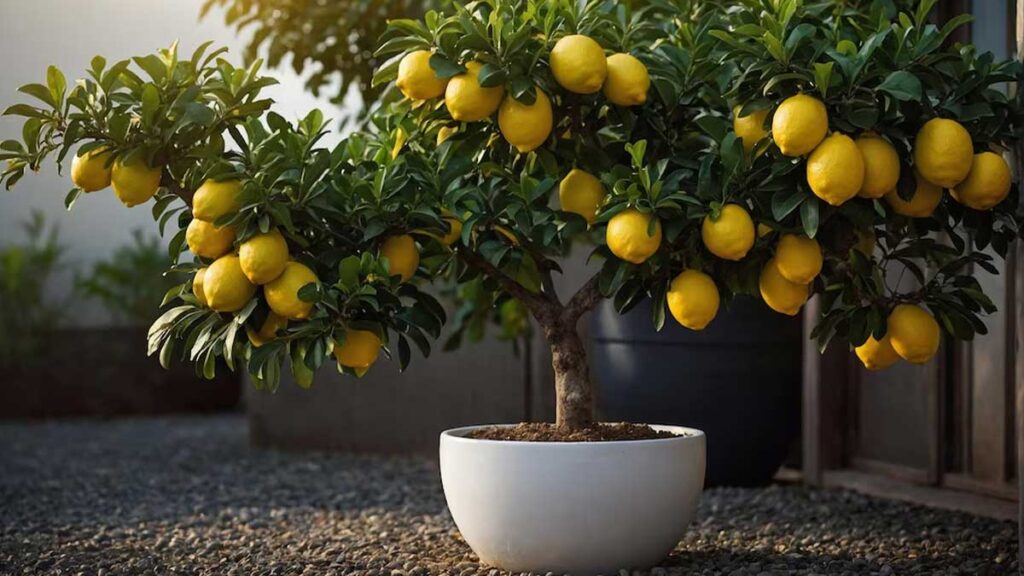
Pruning is essential for maintaining shape, improving airflow, and stimulating flower production:
- Timing: Late winter or early spring before the main growth phase.
- Technique: Remove dead, diseased, or crossing branches. Thin crowded areas to allow sunlight penetration.
- Flower Spurs: Retain short shoots where flowers develop, especially in mature trees.
Pollination for Fruit Set
While lemon trees are self-pollinating, effective pollination improves fruit yield:
- Indoor Trees: Hand-pollinate flowers using a small brush or cotton swab to transfer pollen between blossoms.
- Outdoor Trees: Encourage pollinators like bees, butterflies, and hoverflies by planting companion flowers nearby.
Managing Ants and Pests
Ants are attracted to lemon tree nectar and honeydew produced by aphids, which can interfere with flowering and fruit set. Here’s how to manage them:
- Remove Aphids: Spray affected leaves with mild soap or neem oil to eliminate aphids.
- Natural Barriers: Sprinkle cinnamon, chili powder, or diatomaceous earth around the pot to repel ants.
- Vinegar Spray: A water-vinegar mixture disrupts ant trails near the tree.
- Regular Inspection: Check for other pests like scale, spider mites, and leaf miners, and treat promptly with organic solutions.
Encouraging Future Flowering
To ensure consistent blooming in subsequent seasons:
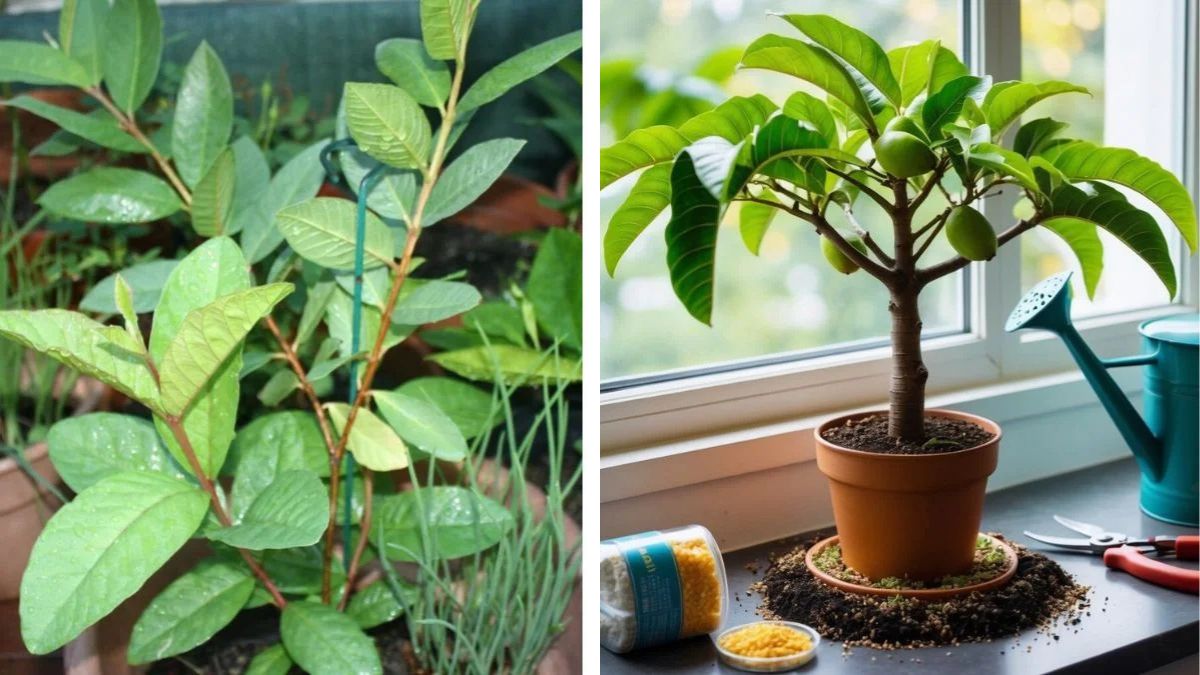
- Consistent Care: Maintain regular watering, fertilization, and pruning schedules.
- Stress Management: Avoid overwatering or sudden environmental changes, which can disrupt flowering cycles.
- Repotting: Every 2–3 years, repot the lemon tree into a slightly larger container with fresh soil to promote healthy root growth.
- Monitoring Flower Buds: Remove excess flower buds in the first bloom if the tree is young, allowing energy to go into root and foliage development for stronger future blooms.
Harvesting Lemons
- Timing: Fruits are ready when fully yellow, firm, and glossy.
- Method: Use pruning shears or gently twist fruits off to avoid branch damage.
- Frequency: Harvest regularly to encourage continuous flowering and fruiting.
Benefits of Potted Lemon Trees
- Space Efficiency: Ideal for balconies, terraces, and indoor gardening.
- Mobility: Can be moved to optimize sunlight exposure or protect from extreme weather.
- Aesthetic Appeal: Adds greenery and fragrance to any space.
- Fresh Produce: Enjoy homegrown, chemical-free lemons year-round.
Expert Tips and Consultations
Many home gardeners consult experts for advice on transplanting, blooming, and fruiting:
- Personalized Guidance: Experts provide tailored recommendations for fertilization, pruning, and pot selection.
- Pest and Disease Management: Professional advice ensures early detection and treatment of pests or diseases.
- Advanced Techniques: Learn about grafting, soil amendments, and container optimization for maximum yield.
- Ongoing Support: Regular consultations help monitor tree health and plan care throughout the year.
Final Thoughts
A potted lemon tree blooming just one month after transplanting is a testament to proper care, good soil, and favorable environmental conditions. By providing optimal light, water, nutrients, and pest management, home gardeners can enjoy a beautiful display of flowers and a fruitful harvest.
Maintaining the tree after its initial bloom is key to long-term health and productivity. With regular attention, pruning, fertilization, and occasional expert guidance, potted lemon trees can thrive for years, providing abundant lemons and a touch of citrus fragrance to your home.
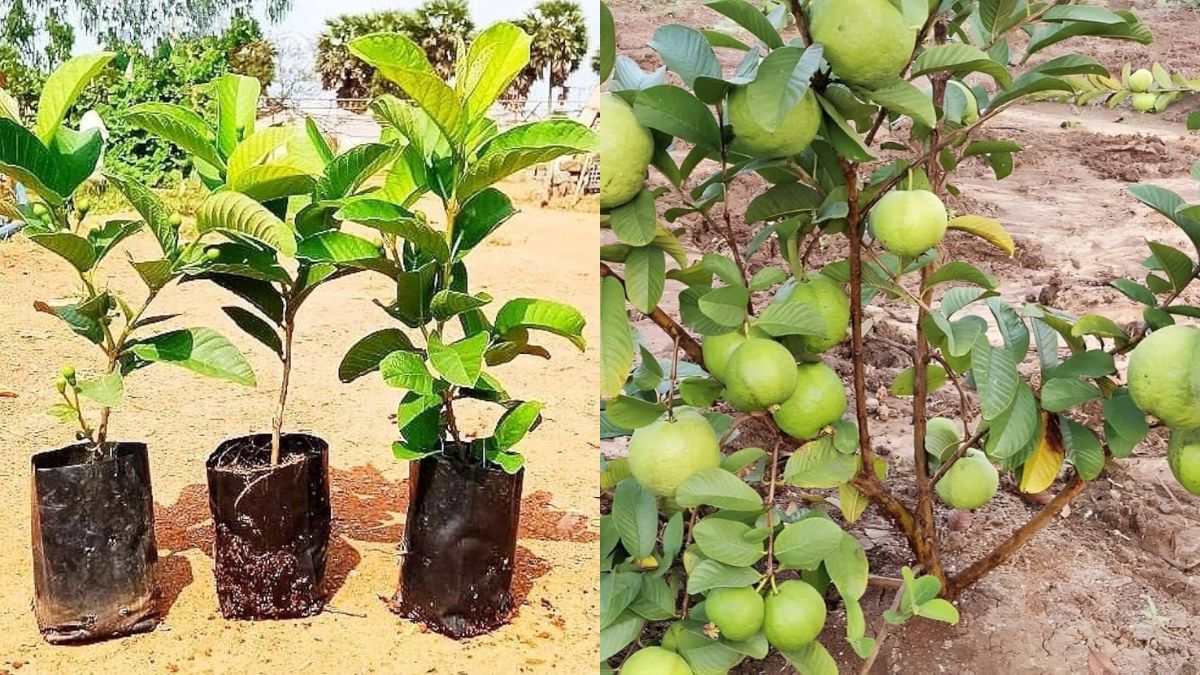
Start nurturing your potted lemon tree today and experience the joy of watching it bloom, fruit, and flourish—right on your balcony or patio.