Every gardener dreams of healthy, thriving plants with lush foliage and vibrant blooms. While commercial fertilizers are widely available, many gardeners are now turning to homemade fertilizer tablets as a natural, cost-effective, and eco-friendly alternative. These tablets deliver essential nutrients directly to the plant roots, promote stronger growth, and reduce the risk of over-fertilization.
In this guide, we’ll explore how to make homemade fertilizer tablets, why they are beneficial, and how to use them to grow healthy, strong plants at home or in your garden.
Why Choose Homemade Fertilizer Tablets?
Fertilizer tablets offer several advantages over traditional liquid or granular fertilizers:
- Convenience: Tablets are easy to use, store, and apply, reducing the hassle of measuring and mixing liquid fertilizers.
- Slow Release: Nutrients are gradually released into the soil, ensuring consistent feeding for your plants.
- Eco-Friendly: Homemade tablets often use natural ingredients, reducing chemical runoff and environmental impact.
- Cost-Effective: Use common kitchen scraps, compost, and minerals to make tablets instead of purchasing expensive commercial fertilizers.
- Targeted Nutrition: Place tablets directly near the plant roots for maximum absorption and efficiency.
By using fertilizer tablets, gardeners can provide plants with the nutrients they need without overfeeding or harming the environment.
Step 1: Understanding Plant Nutrients
Before making fertilizer tablets, it’s important to understand the key nutrients plants need:
- Nitrogen (N): Promotes leafy growth and strong stems. Sources: composted kitchen scraps, blood meal, or fish meal.
- Phosphorus (P): Supports root development and flowering. Sources: bone meal, rock phosphate.
- Potassium (K): Improves overall plant health and disease resistance. Sources: wood ash, banana peels, kelp powder.
- Calcium, Magnesium, and Trace Minerals: Strengthen cell walls and support photosynthesis. Sources: eggshells, Epsom salt, powdered greensand.
A well-balanced tablet combines these nutrients to provide complete nourishment for plants.
Step 2: Gathering Ingredients for Fertilizer Tablets
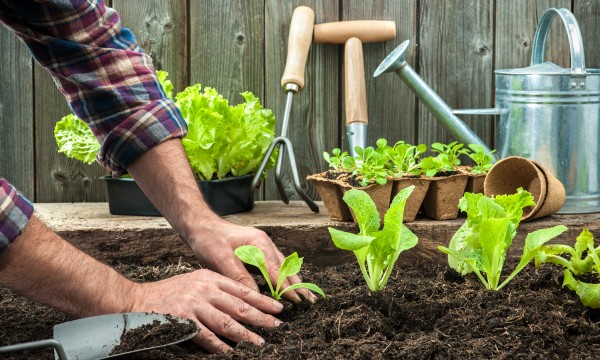
Homemade fertilizer tablets can be made from simple, readily available ingredients:
Essential Ingredients:
- Compost or well-rotted manure
- Bone meal or crushed eggshells
- Wood ash or banana peel powder
- Kelp powder or seaweed extract
- Bentonite clay or powdered clay (for binding)
- Water
Optional Additives:
- Epsom salt (magnesium and sulfur)
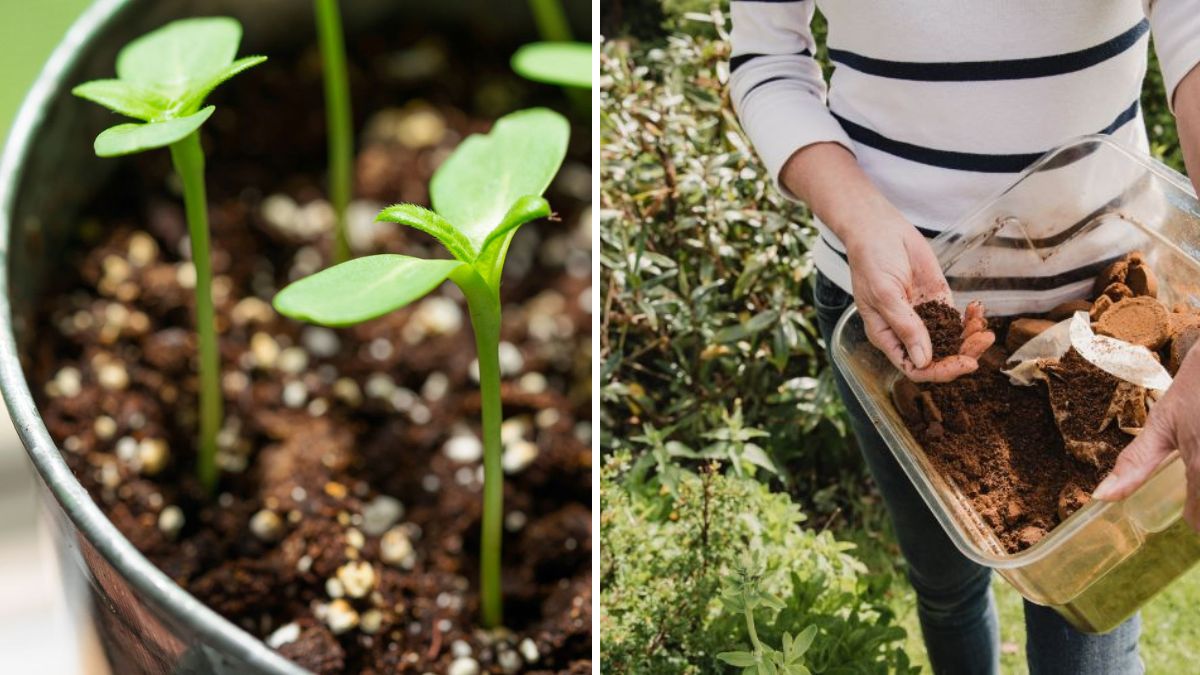
- Coffee grounds (nitrogen boost)
- Crushed rock phosphate (slow-release phosphorus)
These ingredients provide a mix of macronutrients and micronutrients needed for healthy plant growth.
Step 3: Preparing the Ingredients
- Dry Ingredients: Grind dry components like bone meal, eggshells, and wood ash into a fine powder for better binding and absorption.
- Compost: Ensure compost is fully decomposed to prevent introducing pathogens into the tablet.
- Mix Thoroughly: Combine all powdered ingredients in a clean bowl. A balanced mixture ensures each tablet contains uniform nutrients.
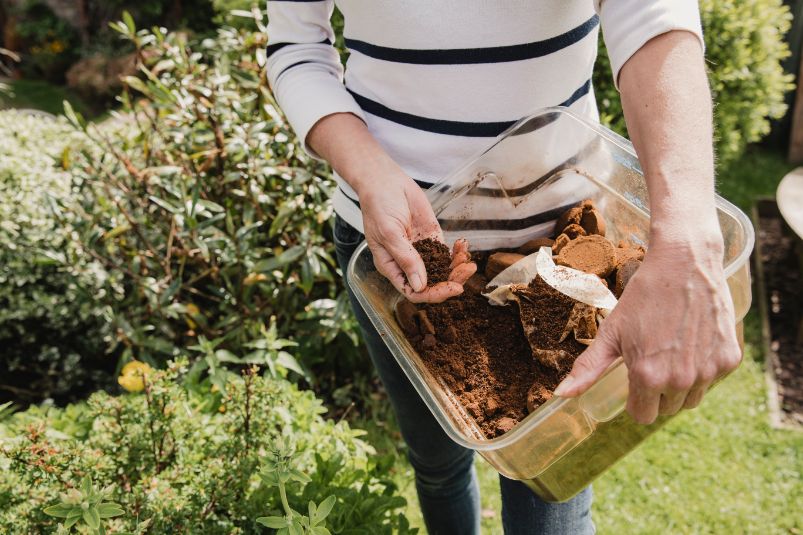
Proper preparation ensures the tablets are effective, easy to handle, and break down gradually in the soil.
Step 4: Forming the Fertilizer Tablets
There are several methods to make tablets at home:
- Manual Molding:
- Mix the powdered ingredients with a small amount of water until the mixture sticks together.
- Press the mixture into molds, ice cube trays, or shape into small balls or discs with your hands.
- Let the tablets dry for 24–48 hours until firm.
- Using a Pill Press (Optional):
- For larger batches, a simple tablet press can create uniform tablets.
- Press mixture into tablets, then air dry or sun dry until hardened.
- Consistency:
- Tablets should be firm enough to hold together but not too hard, so they slowly dissolve in soil.
Homemade tablets are portable, long-lasting, and easy to store for later use.
Step 5: Applying Fertilizer Tablets to Plants
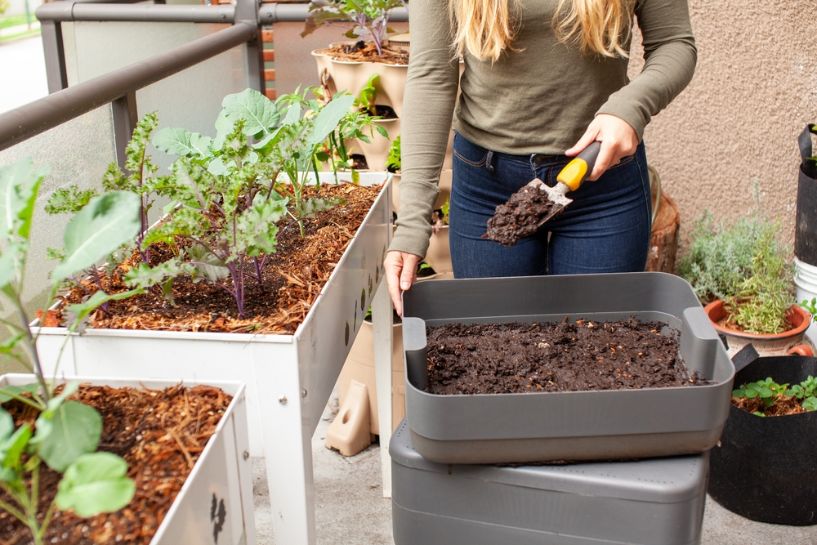
Fertilizer tablets are easy to use for indoor and outdoor plants:
- Indoor Potted Plants:
- Place 1–2 tablets near the base of each plant, slightly below the soil surface.
- Water the soil lightly to help dissolve the tablet and release nutrients.
- Garden Beds:
- Insert tablets 2–3 inches deep around the root zone of vegetables, flowers, or shrubs.
- Space tablets according to plant size, generally 6–12 inches apart.
- Hydroponic or Container Gardening:
- Tablets can be placed directly into soil-filled containers or mixed lightly into the potting medium.
By targeting the root zone, fertilizer tablets ensure that plants absorb nutrients efficiently, reducing waste and promoting healthy growth.
Step 6: Benefits of Using Fertilizer Tablets
- Slow Nutrient Release: Prevents nutrient burn and provides a steady supply for weeks.
- Reduced Watering Frequency: Tablets retain moisture and gradually release nutrients with water.
- Cleaner Application: No spills, mess, or need for liquid fertilizers.
- Customizable Formula: Adjust ingredients to suit specific plants like roses, tomatoes, or herbs.
- Safe for Children and Pets: Natural ingredients make tablets safer than chemical fertilizers.
These advantages make fertilizer tablets an ideal solution for home gardeners and sustainable farming.
Step 7: Tips for Maximizing Effectiveness
- Store tablets in a cool, dry place to prevent them from dissolving prematurely.
- Use freshly prepared tablets for maximum nutrient potency.
- Avoid overloading soil with too many tablets; follow spacing guidelines.
- Water plants after applying tablets to help nutrients reach the roots.
- Combine tablets with compost or mulch for additional long-term benefits.
- Rotate nutrients seasonally to meet the changing needs of plants.
Proper use and storage ensure that fertilizer tablets provide consistent results over time.
Step 8: Ideal Plants for Fertilizer Tablets
Fertilizer tablets work for a wide variety of plants:
- Vegetables: Tomatoes, peppers, cucumbers, and leafy greens.
- Flowers: Roses, marigolds, petunias, and geraniums.
- Herbs: Basil, mint, rosemary, and parsley.
- Indoor Plants: Money plants, pothos, ferns, and orchids.
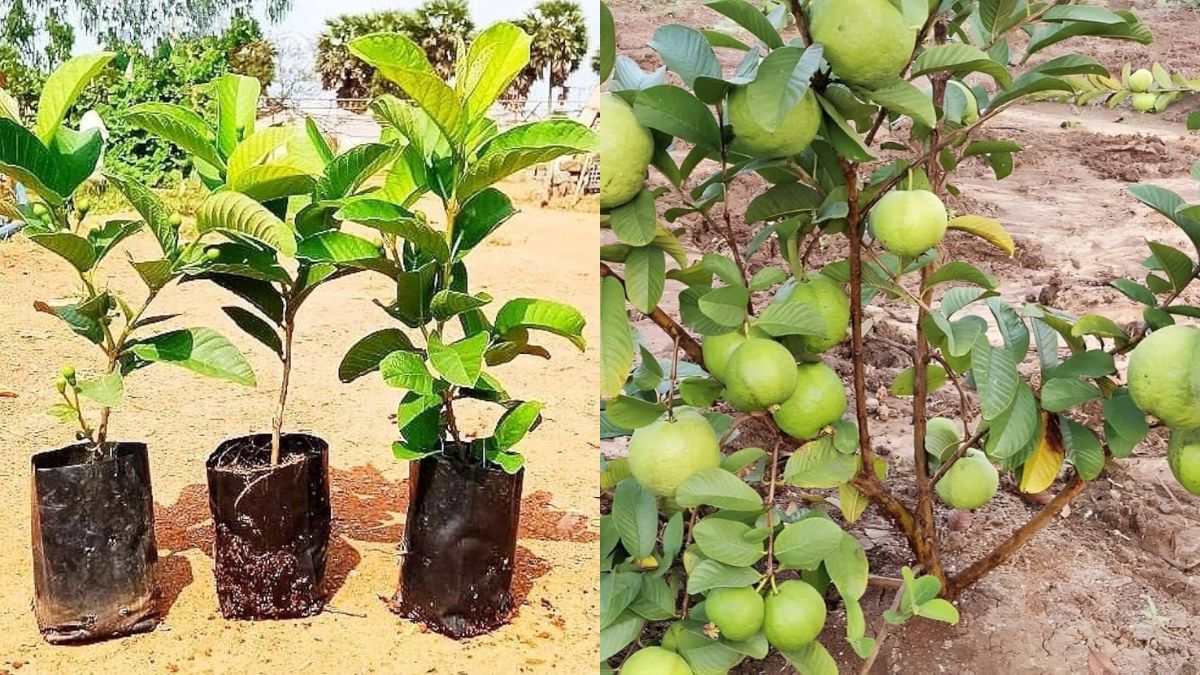
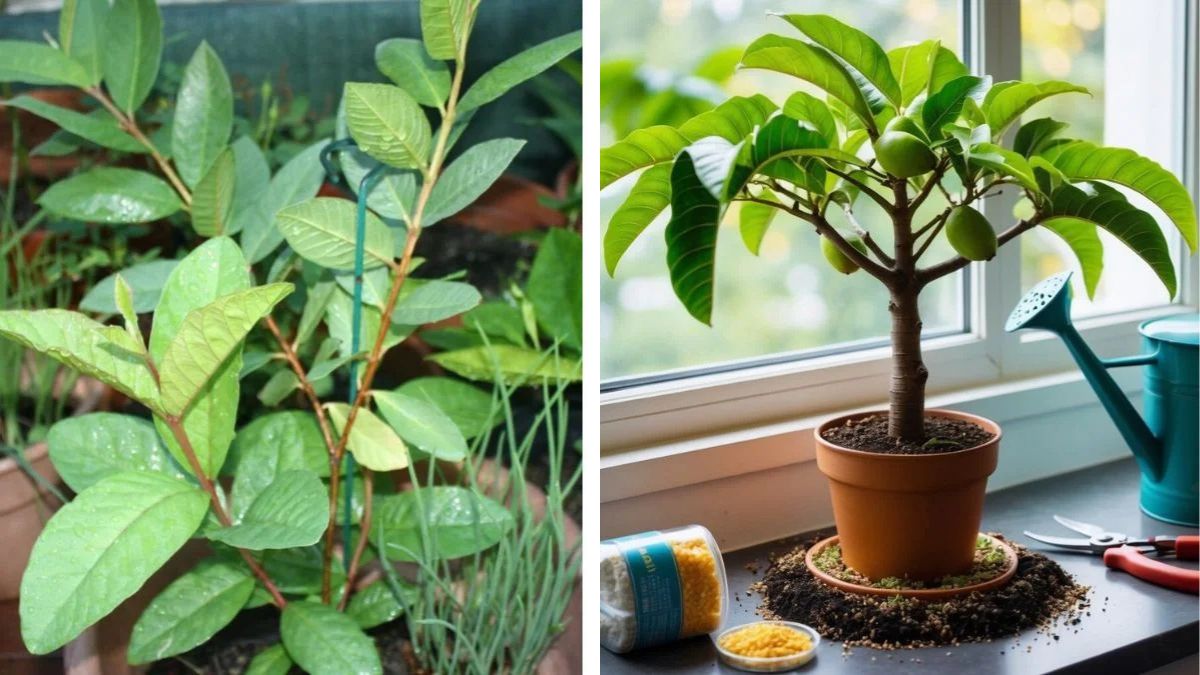
- Fruit Trees: Citrus, mango, and guava (apply tablets near young tree roots).
Almost any plant can benefit from slow-release, nutrient-rich homemade tablets.
Step 9: Eco-Friendly Gardening with Homemade Tablets
Using homemade fertilizer tablets supports sustainable gardening:
- Recycles Waste: Ingredients like banana peels, eggshells, and coffee grounds are repurposed.
- Reduces Chemical Use: Natural tablets minimize synthetic fertilizer runoff, protecting soil and water.
- Saves Money: Homemade tablets cost far less than commercial fertilizers.
- Promotes Soil Health: Adds organic matter and improves soil structure over time.
Eco-friendly gardening practices improve plant health while protecting the environment.
Step 10: Conclusion
Homemade fertilizer tablets are an easy, effective, and eco-friendly way to grow healthy, strong plants. By combining nutrient-rich ingredients such as compost, bone meal, wood ash, and natural binders into convenient tablets, gardeners can provide a slow-release source of nutrition directly to the plant roots.
From indoor potted plants to garden beds and fruit trees, fertilizer tablets are versatile, mess-free, and highly beneficial. They save time, reduce water usage, and support sustainable gardening practices. By making your own fertilizer tablets at home, you can ensure that your plants thrive with lush foliage, vibrant blooms, and strong roots—without relying on chemical fertilizers.
Start today, and transform your garden with homemade fertilizer tablets for happy, healthy, and flourishing plants!