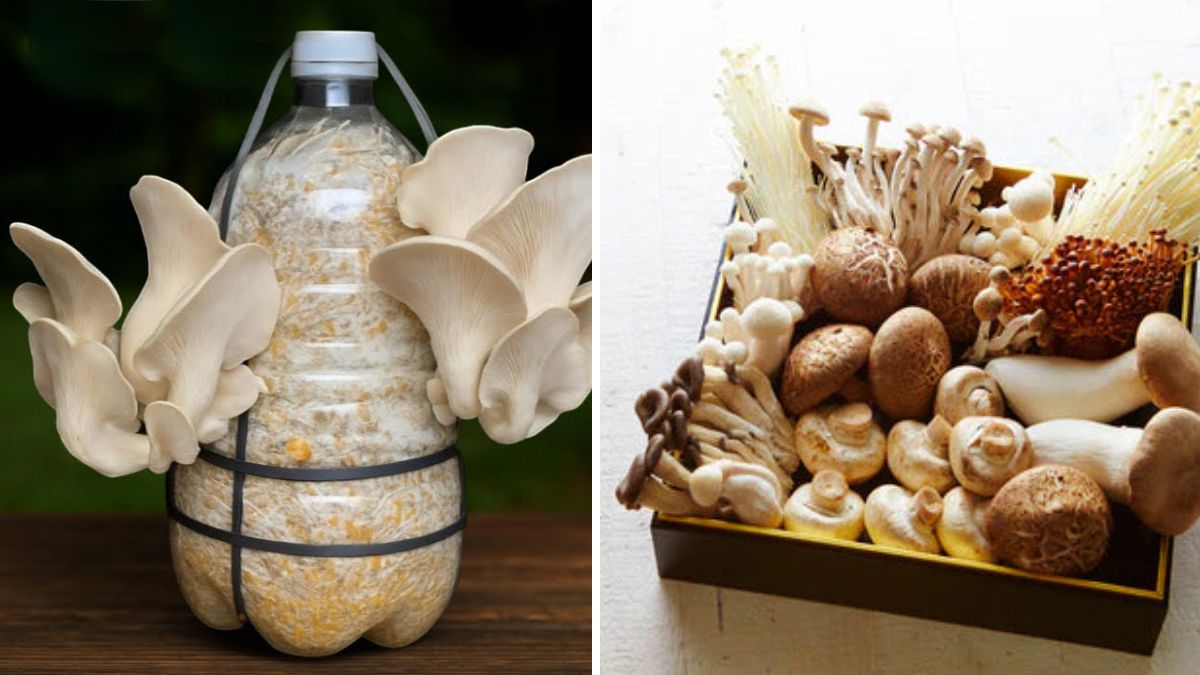
Mushrooms are a versatile, nutrient-rich ingredient found in countless dishes around the world. While supermarket mushrooms are convenient, growing them at home is both satisfying and cost-effective, allowing you to enjoy fresh, organic mushrooms anytime. Whether you want to cultivate button mushrooms, oyster mushrooms, or cremini mushrooms, home cultivation is easier than many think.
This guide will take you step-by-step from start to harvest, covering the materials, techniques, and care needed to grow mushrooms successfully at home.
1. Why Grow Mushrooms at Home?
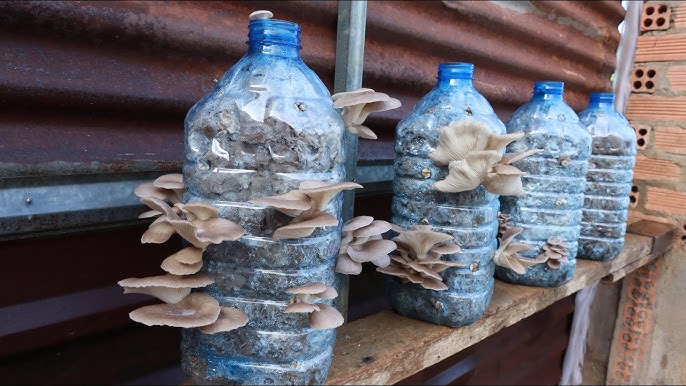
Growing your own mushrooms comes with many advantages:
- Freshness: Homegrown mushrooms are fresher and more flavorful than store-bought ones.
- Cost-effective: One small batch can produce multiple harvests.
- Nutritional benefits: Mushrooms are rich in vitamins, minerals, and antioxidants.
- Sustainability: You can reuse substrates and reduce packaging waste.
- Fun and educational: Cultivating mushrooms teaches about fungi biology and indoor gardening.
Whether you have a backyard, balcony, or just a kitchen corner, you can cultivate mushrooms efficiently with minimal space.
2. Choosing the Right Mushroom Variety
The first step is selecting a variety suited for home cultivation:
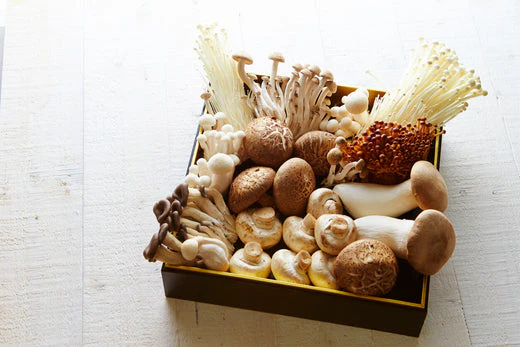
- Button Mushrooms (Agaricus bisporus): Most common, mild flavor, grows well on composted substrates.
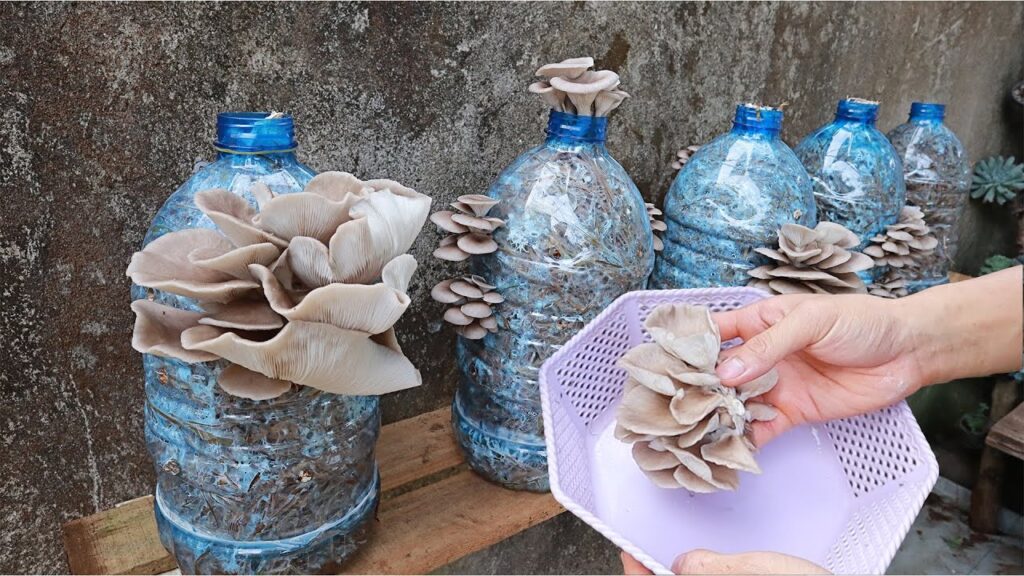
- Oyster Mushrooms (Pleurotus ostreatus): Fast-growing, suitable for beginners, grows on straw or sawdust.
- Cremini Mushrooms (Agaricus bisporus): Slightly stronger flavor, similar cultivation to button mushrooms.
- Shiitake Mushrooms (Lentinula edodes): Requires hardwood logs or sawdust blocks, more advanced cultivation.
For beginners, oyster mushrooms are highly recommended because they grow quickly and require less precise conditions.
3. Understanding Mushroom Growth Requirements
Mushrooms differ from plants—they do not require sunlight but thrive in a controlled environment:
- Substrate: The material on which mushrooms grow (straw, compost, sawdust, coffee grounds).
- Moisture: High humidity (80–95%) is crucial for mycelium development and fruiting.
- Temperature: Varies by species (Oyster: 20–25°C, Button: 18–24°C).
- Air circulation: Proper ventilation prevents mold growth and promotes healthy fruiting.
- Dark or dim light: Mushrooms do not need direct sunlight but require some light for proper formation.
Understanding these factors helps ensure successful mushroom cultivation.
4. Preparing the Substrate
The substrate provides nutrients for the mushroom mycelium:
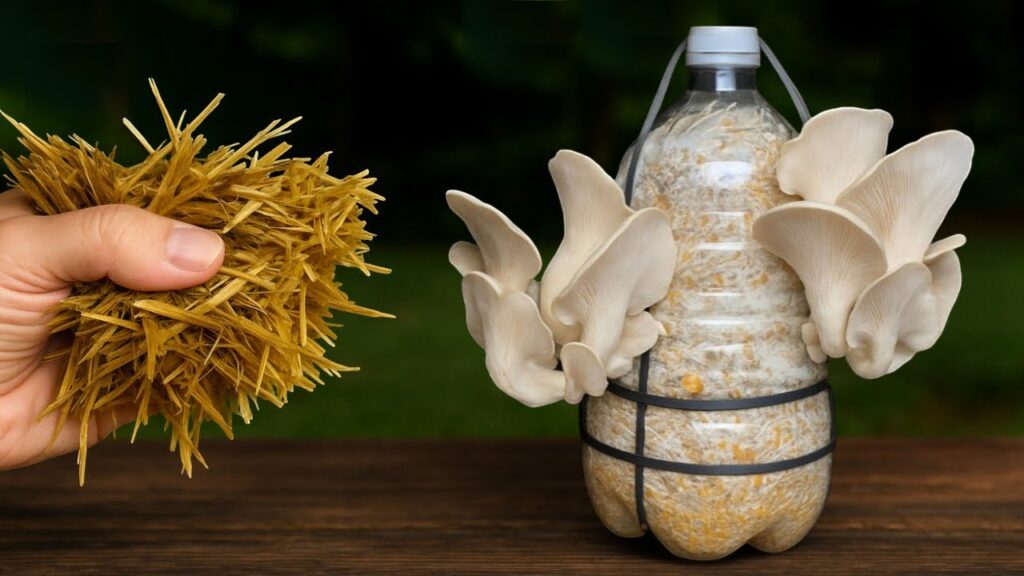
Common substrates include:
- Oyster mushrooms: Straw, sawdust, cardboard, coffee grounds.
- Button and cremini mushrooms: Composted horse manure or pre-purchased compost.
- Shiitake mushrooms: Hardwood logs or sawdust blocks.
Steps to prepare straw substrate (for Oyster mushrooms):
- Chop straw into small pieces (2–4 inches).
- Soak in water for 12–24 hours to hydrate.
- Pasteurize by heating in hot water (65–75°C) for 1–2 hours to kill unwanted organisms.
- Drain excess water before inoculation with mushroom spawn.
Proper substrate preparation ensures the mushroom mycelium can colonize quickly and reduce contamination risks.
5. Inoculating with Mushroom Spawn
Mushroom spawn is the “seed” of your mushrooms and can be purchased online or at garden stores.
Steps to inoculate:
- Clean your hands and workspace to prevent contamination.
- Break the spawn into small pieces and mix thoroughly with the substrate.
- Place the inoculated substrate into clean containers—plastic bags, trays, or jars.
- Seal the containers with holes or breathable tape to allow air exchange while retaining humidity.
The mycelium will begin colonizing the substrate, forming a white, web-like growth. Colonization time varies:
- Oyster mushrooms: 10–14 days
- Button mushrooms: 2–3 weeks
- Shiitake mushrooms: Several weeks to months
6. Creating the Ideal Growing Environment
Mushrooms require high humidity and proper temperature for healthy growth:
- Humidity: Mist regularly or place the containers in a humid space. A humidity level of 85–95% is ideal.
- Temperature: Keep containers in a room or greenhouse within the species-specific temperature range.
- Light: Provide indirect light or a dimly lit area; avoid direct sunlight.
- Ventilation: Fresh air prevents carbon dioxide buildup and encourages proper mushroom shape.
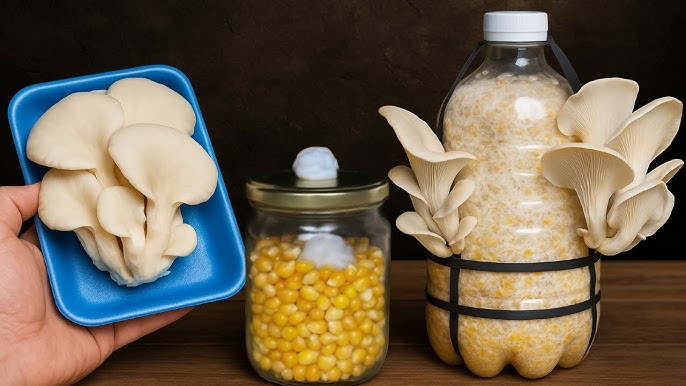
Simple techniques like a humidity tent, spray bottle, or small fan can help maintain optimal conditions.
7. Fruiting Stage: From Mycelium to Mushrooms
Once the substrate is fully colonized with mycelium:
- Lower temperature slightly (depending on species) to trigger fruiting.
- Increase humidity if necessary.
- Expose the substrate to indirect light for a few hours per day.
- Keep air circulating gently to prevent mold and encourage healthy cap formation.
Mushroom pins (tiny fruiting bodies) will start appearing, eventually developing into full-sized mushrooms ready for harvest.
8. Harvesting Mushrooms
Harvest at the right time to ensure freshness and flavor:
- Button mushrooms: When caps are fully formed but not flattened.
- Oyster mushrooms: When edges of the caps begin to curl slightly.
- Shiitake mushrooms: When caps are fully expanded and firm.
Harvesting tips:
- Twist and pull gently or cut at the base of the stem.
- Avoid damaging surrounding mycelium to allow multiple flushes (subsequent harvests from the same substrate).
- After the first harvest, maintain humidity and care to encourage 2–3 additional flushes.
9. Maintaining Hygiene and Preventing Contamination
Contamination can ruin mushroom cultivation:
- Work in a clean environment and wash hands thoroughly.
- Use clean tools and containers.
- Discard substrates showing mold or foul odors.
Maintaining hygiene ensures healthy mushrooms and reduces the risk of failed batches.
10. Tips for Maximizing Yield
- Use fresh, high-quality spawn.
- Maintain consistent humidity and temperature throughout colonization and fruiting.
- Ensure good air circulation to produce thick, healthy caps.
- Harvest promptly to prevent over-mature mushrooms that reduce flavor.
With these tips, you can achieve high-yield mushroom crops in limited space.
Conclusion
Cultivating supermarket mushrooms at home is not only cost-effective but also fun, educational, and rewarding. With careful substrate preparation, proper inoculation, and controlled growing conditions, you can enjoy fresh, organic mushrooms year-round.
From selecting the right mushroom variety to harvesting multiple flushes, home cultivation allows you to control quality, flavor, and hygiene while learning about the fascinating world of fungi. Whether you grow mushrooms in trays, jars, or bags, following these steps ensures a successful mushroom harvest from start to finish.
With patience, attention to detail, and proper care, you can enjoy fresh, homegrown mushrooms without ever relying solely on the supermarket again.