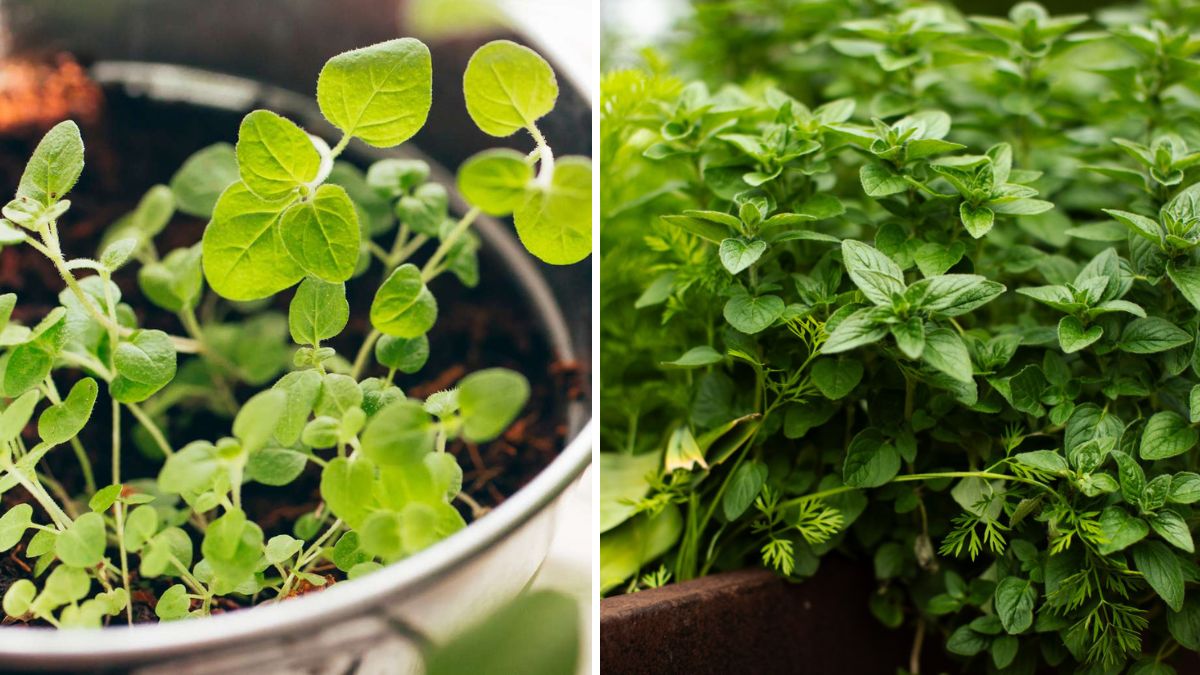
Oregano is a fragrant, flavorful herb widely used in Italian, Mediterranean, and Mexican cuisine. Its earthy aroma and robust flavor make it a kitchen essential, whether you’re sprinkling it on pizza, pasta, or roasted vegetables. However, buying fresh oregano regularly can be expensive, and dried oregano often lacks the intensity of homegrown leaves.
The solution? Grow your own oregano at home, either in a garden bed, pots, or even small containers, so you never have to buy it again. With the right care and techniques, oregano is easy to grow, highly productive, and thrives almost anywhere.
This guide will show you how to plant, care for, and harvest oregano to enjoy fresh leaves year-round.
1. Why Grow Oregano at Home
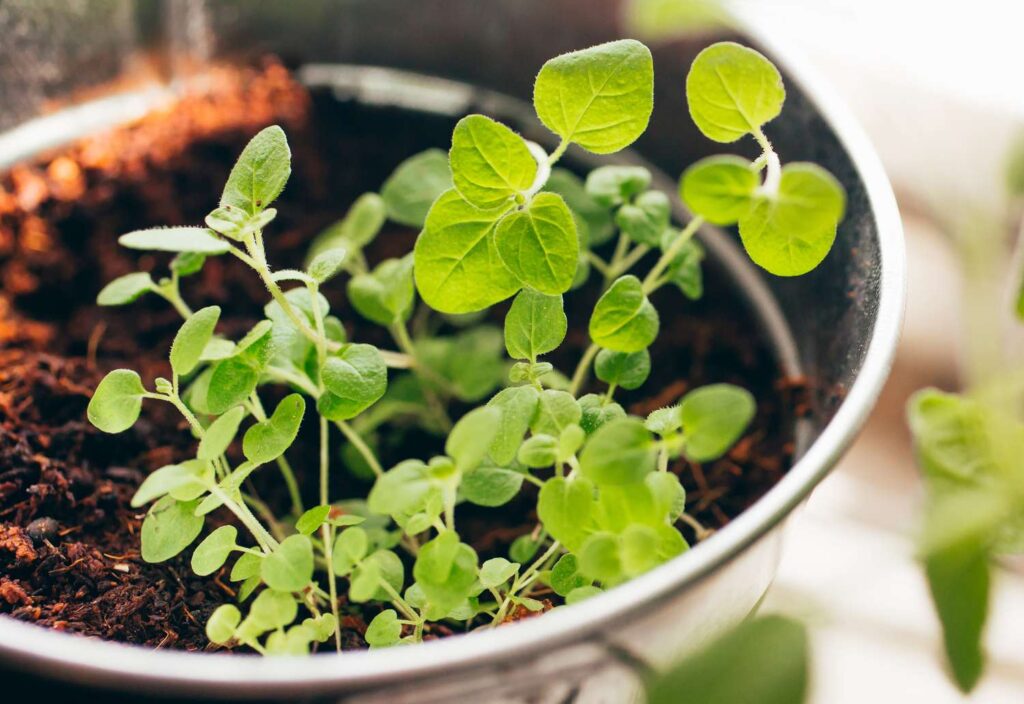
There are several benefits to growing oregano at home:
- Cost-effective: A small plant can provide fresh leaves for months, saving you money.
- Freshness: Homegrown oregano has a stronger flavor and aroma than store-bought herbs.
- Sustainability: Growing your own herbs reduces packaging waste and transportation impact.
- Health benefits: Oregano is rich in antioxidants, vitamins, and antimicrobial compounds.
With these benefits in mind, cultivating oregano becomes an enjoyable and practical choice for every kitchen gardener.
2. Choosing the Right Oregano Variety
There are multiple types of oregano, but some are better suited for home cultivation:
- Greek Oregano (Origanum heracleoticum): Strong flavor, ideal for cooking and drying.
- Italian Oregano (Origanum x majoricum): Mild taste, great for fresh salads and pizzas.
- Mexican Oregano (Lippia graveolens): Slightly citrusy, best for Mexican cuisine.
Select a variety based on your culinary needs and available growing conditions. Greek and Italian oregano are the most common for home gardens.
3. Choosing the Right Growing Medium
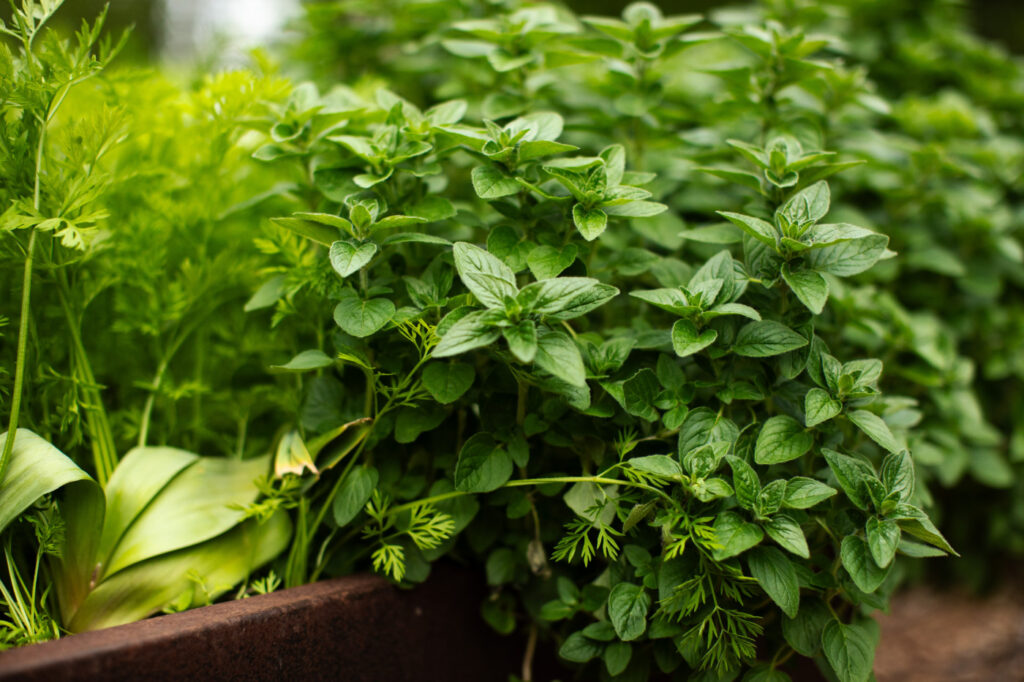
Oregano thrives in well-draining soil with moderate fertility:
- Mix garden soil with compost for nutrients and organic matter.
- Ensure the soil is slightly alkaline to neutral (pH 6.5–7.5).
- Avoid waterlogged or heavy clay soils, as oregano roots may rot in soggy conditions.
For container growing, choose a pot with drainage holes and use a high-quality potting mix with sand or perlite for aeration.
4. Planting Oregano from Seeds, Cuttings, or Transplants
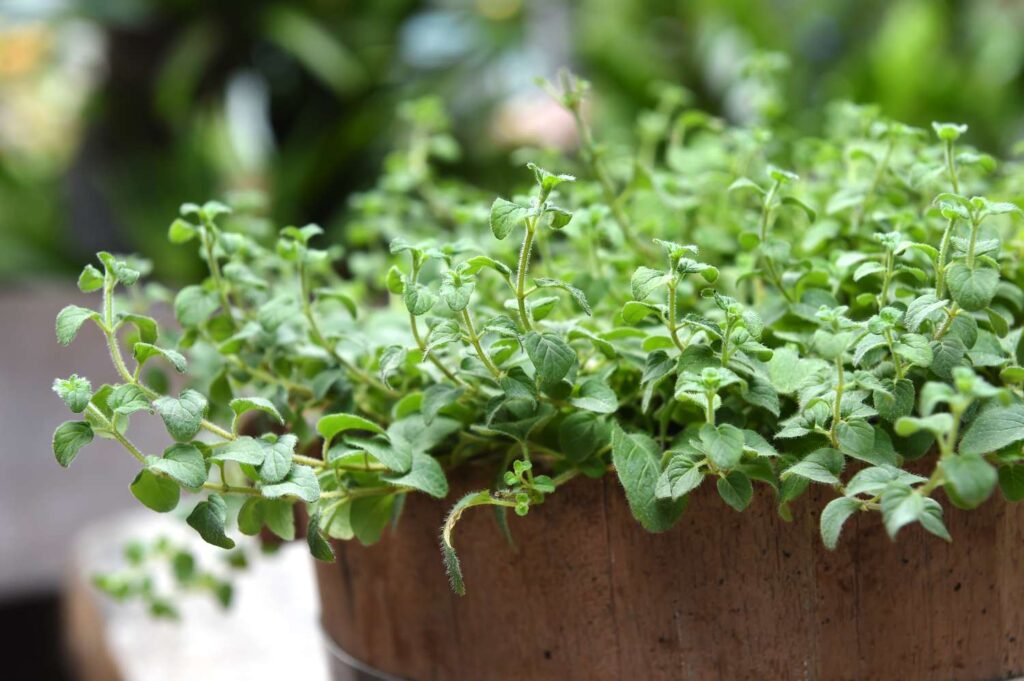
There are three ways to start oregano:
A. From Seeds
- Sow seeds indoors 6–8 weeks before the last frost.
- Cover lightly with soil and keep warm (65–70°F) and moist.
- Germination takes 7–14 days.
- Transplant seedlings outdoors after frost danger passes.
B. From Cuttings
- Take 3–4 inch cuttings from a healthy oregano plant.
- Remove lower leaves and place the cuttings in water or moist soil.
- Roots develop in 2–3 weeks.
C. From Transplants
- Buy small oregano plants from a nursery and transplant them into your garden or containers.
- Space plants about 8–12 inches apart to allow airflow.
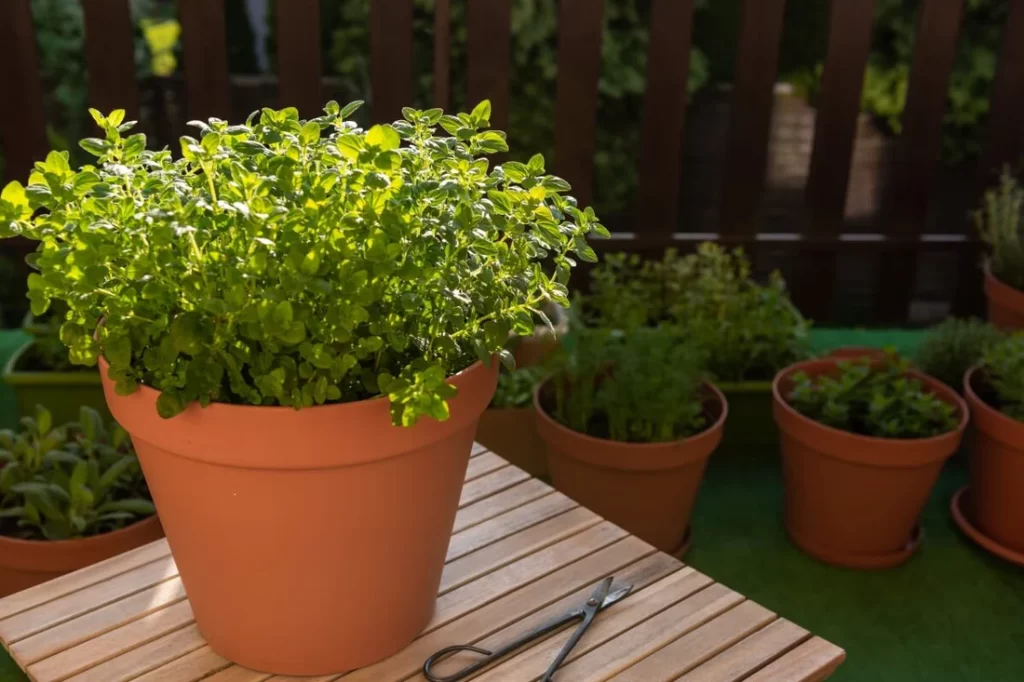
Starting from cuttings or transplants is faster and ensures plants establish more quickly.
5. Choosing the Right Location
Oregano prefers:
- Full sunlight: At least 6–8 hours of direct sunlight daily.
- Warm temperatures: Thrives between 65–80°F (18–27°C).
- Good air circulation: Prevents fungal diseases and keeps leaves healthy.
If growing indoors, place oregano in a south-facing window or under grow lights. For small spaces, containers can be moved to maximize sunlight exposure.
6. Watering and Care
Oregano is drought-tolerant, but consistent care ensures faster growth:
- Water newly planted oregano regularly until established.
- Once mature, water only when soil feels dry to the touch.
- Avoid overwatering; soggy soil encourages root rot.
Tip: Mulch around plants to conserve moisture and reduce weed competition.
7. Fertilization for Maximum Growth
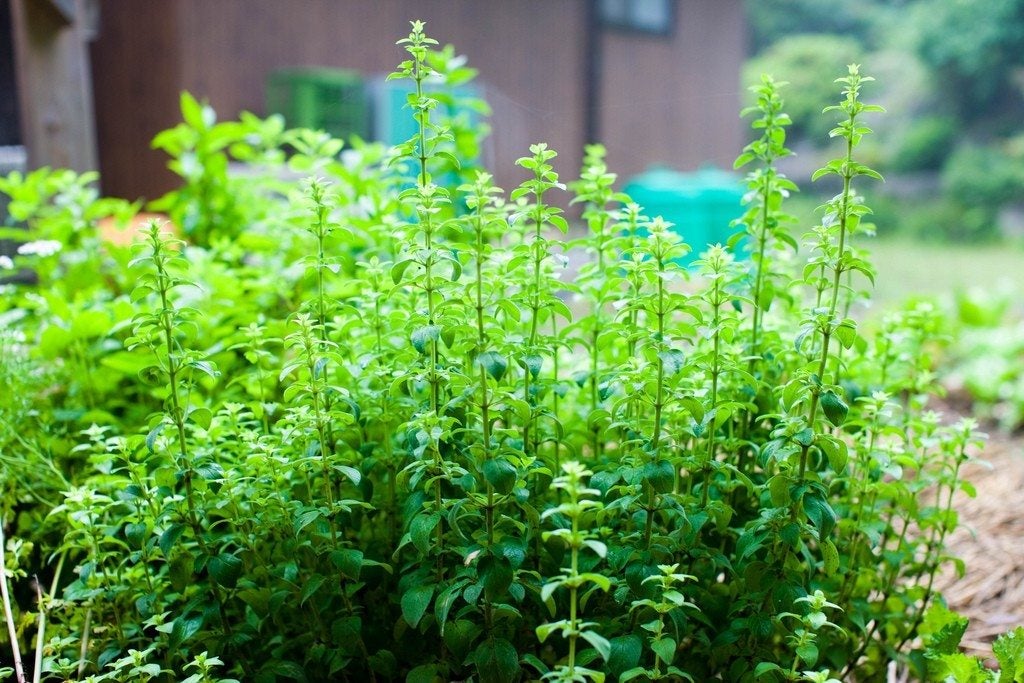
Oregano grows well in low-fertility soil, but occasional feeding boosts leaf production:
- Use organic compost or worm castings once a month.
- Apply a balanced liquid fertilizer every 4–6 weeks during the growing season.
- Avoid excessive nitrogen, which promotes leafy growth but reduces flavor intensity.
Healthy, well-fed plants produce abundant leaves for cooking and drying.
8. Pruning and Harvesting
Pruning oregano is essential for stimulating growth and preventing plants from becoming woody:
- Trim the plant regularly to encourage bushy growth.
- Harvest leaves as needed, ideally in the morning for the best flavor.
- Remove flowers if you want to focus on leaf production. Flowering is fine, but leaf growth slows when the plant produces blooms.
Harvesting tips:
- Cut stems with scissors, leaving at least 1–2 inches of growth.
- Regular harvesting encourages new leaves and prolongs the plant’s productive life.
9. Overwintering Oregano
Oregano is a perennial in warm climates and can survive mild winters:
- In colder climates, grow oregano in pots and bring indoors during frost.
- Place in a sunny window and reduce watering in winter.
- Trim back woody stems to encourage fresh spring growth.
Proper care ensures you have fresh oregano year-round, eliminating the need to buy it.
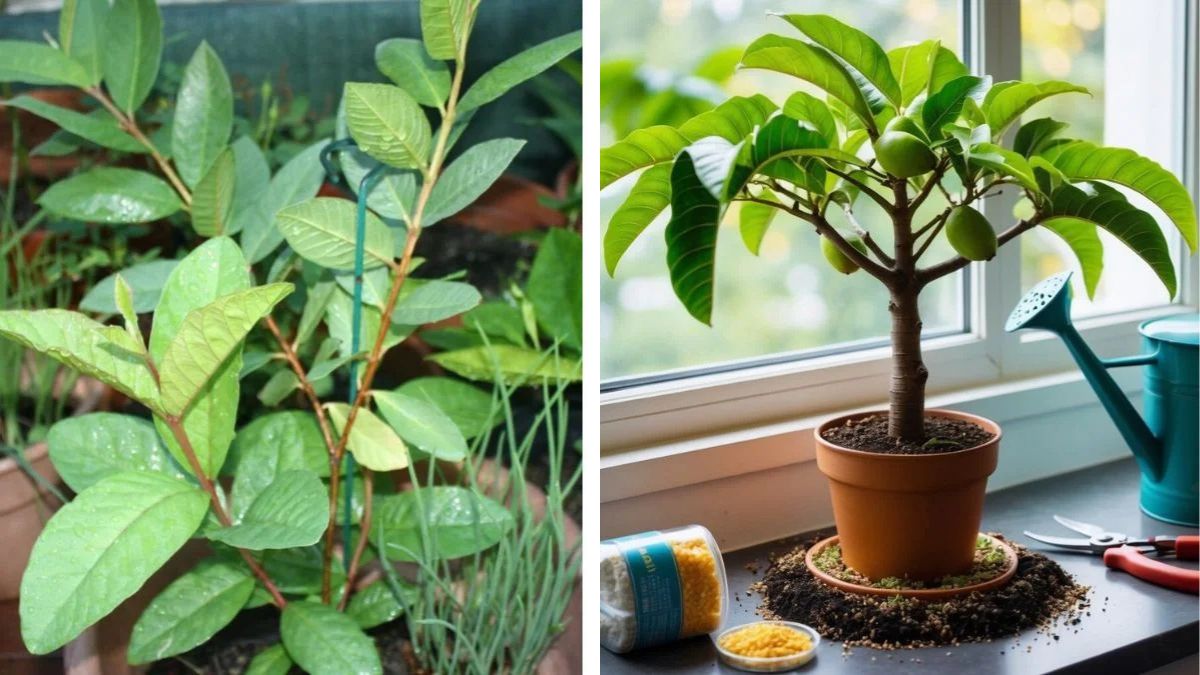
10. Propagating More Oregano
Once your oregano plants are established, propagation is simple:
- Take cuttings from mature plants and root them in soil or water.
- Divide older plants to create new clumps for expansion.
- Use runners (if your variety produces them) to grow additional plants easily.
Propagation ensures a continuous supply of oregano for cooking and sharing.
11. Preventing Pests and Diseases Naturally
Oregano is generally pest-resistant, but some care is still needed:
- Aphids: Spray with a mild solution of water and neem oil.
- Fungal diseases: Ensure good air circulation and avoid overhead watering.
- Slugs and snails: Use barriers like crushed eggshells or diatomaceous earth around pots.
By monitoring plants regularly and using natural methods, you can maintain healthy, chemical-free oregano.
12. Drying and Storing Oregano
One of the best ways to make oregano last is drying and storing it:
- Harvest stems before flowering for the strongest flavor.
- Tie stems together and hang them upside down in a warm, dark, dry place.
- Once dried, strip leaves from stems and store in airtight jars away from sunlight.
Dried oregano retains its flavor for months, giving you a ready supply for cooking.
Conclusion
Growing oregano at home is easy, rewarding, and sustainable. By planting in garden beds or containers, providing sunlight, water, and proper care, you can enjoy fresh, aromatic oregano year-round.
Pruning, harvesting, and occasional fertilization ensure a continuous supply, while propagation allows you to expand your oregano garden without buying new plants. Overwintering potted oregano or drying leaves extends the benefits even further.
With these techniques, you can say goodbye to store-bought oregano and enjoy the freshest, most flavorful herbs straight from your garden, making your kitchen truly self-sufficient.