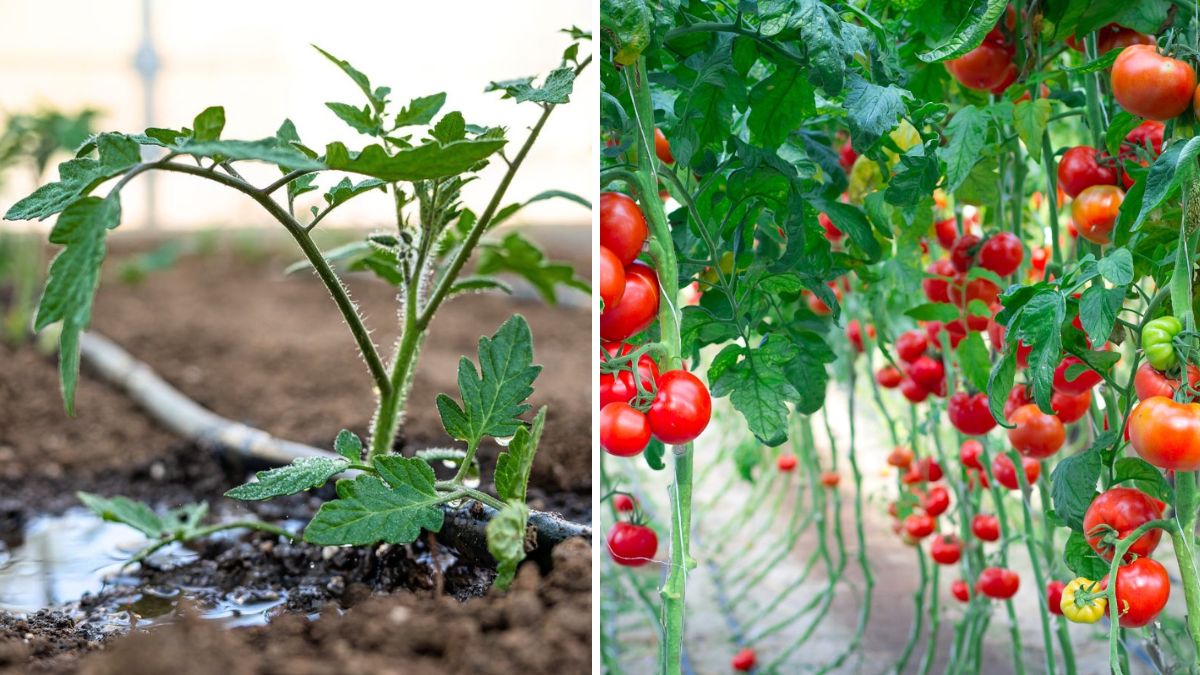
Tomatoes are one of the most popular and rewarding vegetables to grow at home. Their sweet, juicy flavor and versatility in cooking make them a garden favorite. However, many gardeners face challenges in getting tomato plants to grow quickly and produce an abundant harvest. By implementing a few proven techniques, you can accelerate growth, strengthen your plants, and enjoy an earlier and more productive tomato season.
This guide will provide step-by-step strategies to help your tomato plants grow faster, from selecting the right variety to proper care, fertilization, and pruning.
1. Choose Fast-Growing Tomato Varieties
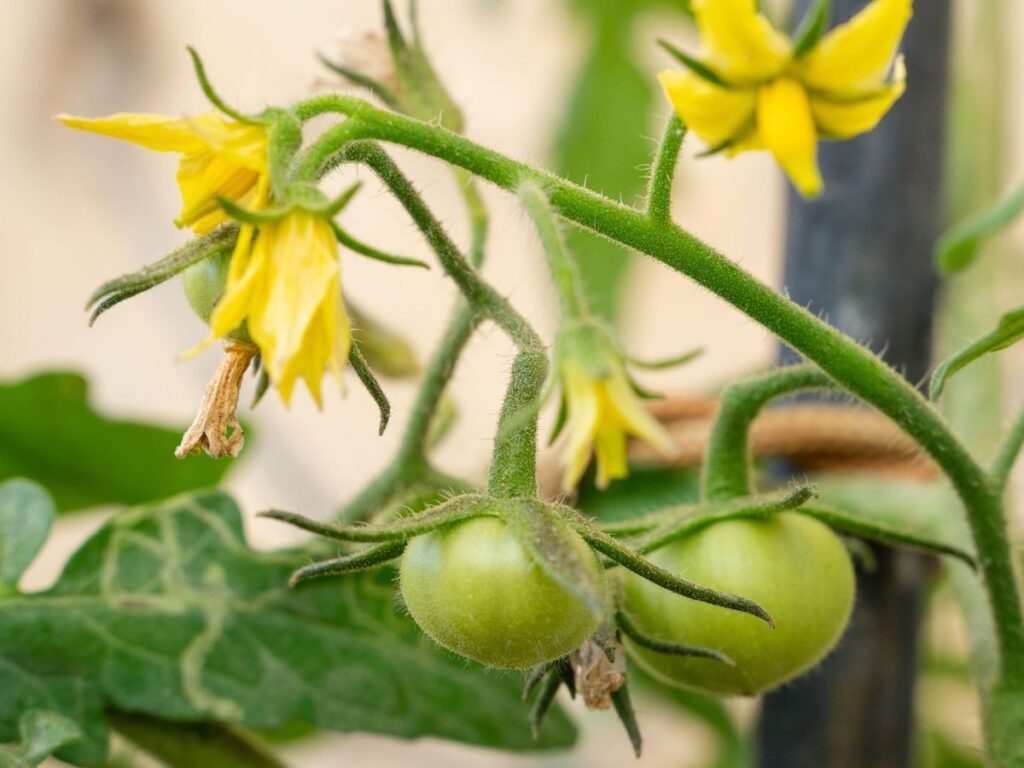
The first step to faster growth is selecting the right variety. Some tomato plants naturally grow faster and produce fruit earlier.
- Determinate (bush) varieties: Grow to a compact size and produce fruit in a short period. Examples: ‘Roma,’ ‘Bush Early Girl.’
- Indeterminate (vining) varieties: Produce fruit throughout the season but may take longer to start bearing. Examples: ‘Cherry,’ ‘Beefsteak.’
- Early-maturing varieties: Look for varieties labeled as “early” or “fast-growing” on seed packets.
Choosing varieties suited to your climate and growing conditions gives you a head start on growth and harvest.
2. Start Seeds Indoors Early
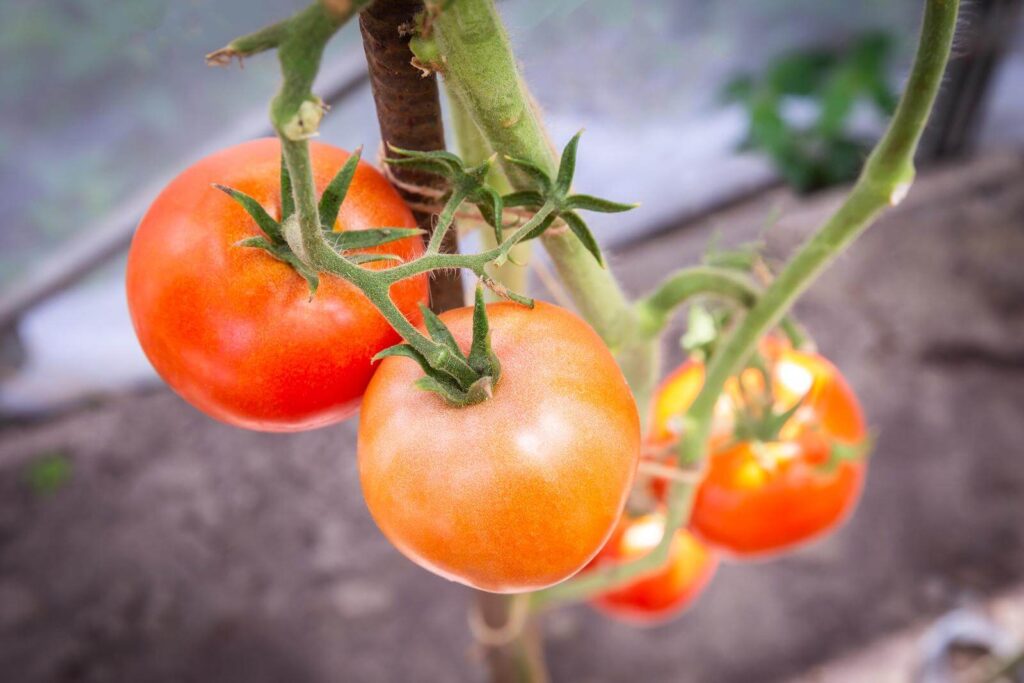
Starting tomato seeds indoors before the last frost accelerates growth and gives your plants a head start on the season:

- Use seed trays or small pots with well-draining seed-starting mix.
- Plant seeds about ¼ inch deep and water lightly.
- Provide consistent warmth (70–75°F) and bright light for 12–16 hours daily.
- Maintain moist soil, but avoid waterlogging.
By the time outdoor conditions are favorable, your seedlings will be strong and ready for transplanting, reducing the time to first harvest.
3. Transplant Carefully for Healthy Growth
Transplanting seedlings correctly ensures rapid establishment and faster growth:
- Harden off seedlings by gradually exposing them to outdoor conditions over 7–10 days.
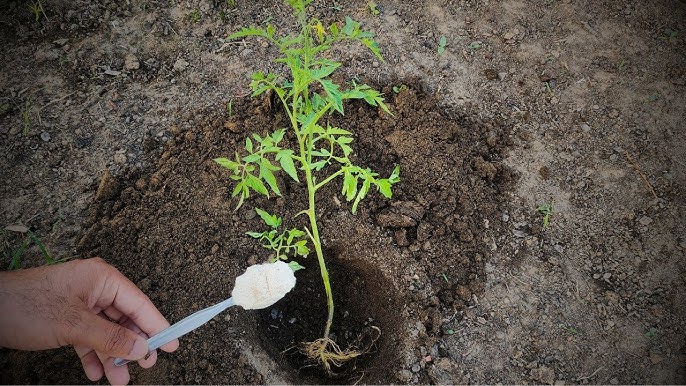
- Dig a hole slightly deeper than the seedling’s root ball.
- Plant seedlings up to the first set of true leaves, as buried stems develop additional roots.
- Water immediately to reduce transplant shock.
Healthy roots from proper transplanting allow the plant to absorb nutrients efficiently, accelerating growth.
4. Prepare Soil for Maximum Growth
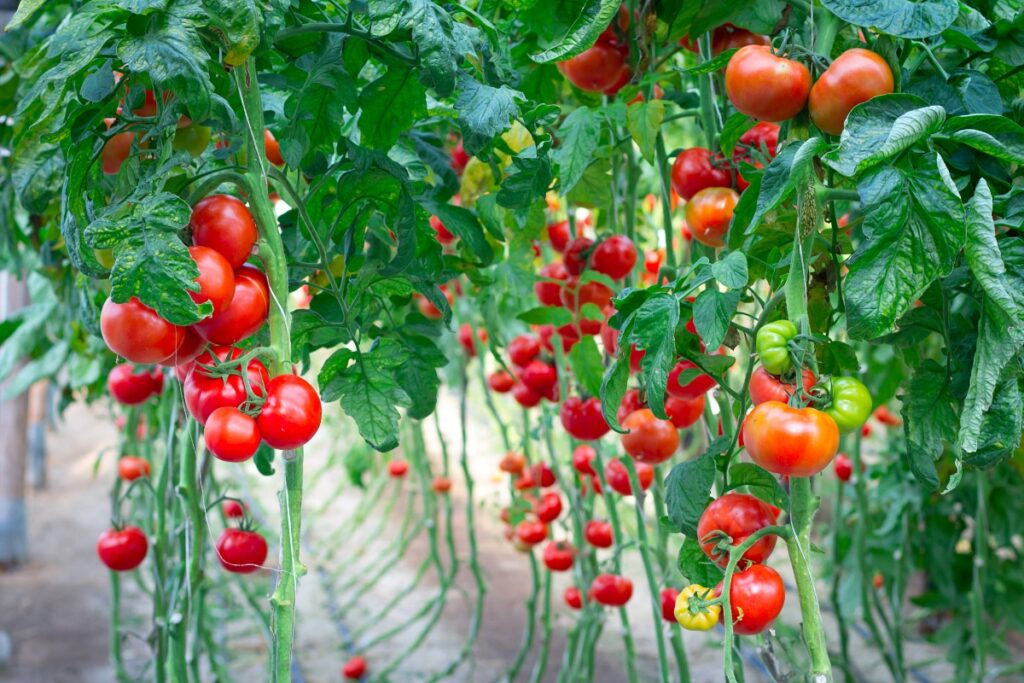
Tomatoes grow fastest in nutrient-rich, well-draining soil:
- Use garden soil amended with organic compost or well-rotted manure.
- Ensure the soil pH is slightly acidic (6.0–6.8) for optimal nutrient uptake.
- Loosen compacted soil to improve aeration and drainage.
A fertile, well-prepared soil base supports rapid root development, strong stems, and abundant fruit production.
5. Provide Adequate Sunlight
Tomatoes require 6–8 hours of direct sunlight daily for faster growth. Sunlight fuels photosynthesis, providing energy for stems, leaves, and fruit:
- Position plants in a south-facing location for maximum light exposure.
- For container-grown tomatoes, move pots to areas that receive full sun.
- Reflective surfaces or white walls can help maximize available light for faster growth.
Plants that receive sufficient sunlight grow faster, develop stronger stems, and produce fruit earlier.
6. Watering Correctly
Consistent and proper watering is key to faster tomato growth:
- Water deeply and regularly, especially during hot or dry periods.
- Keep soil evenly moist, but avoid waterlogging, which can lead to root rot.
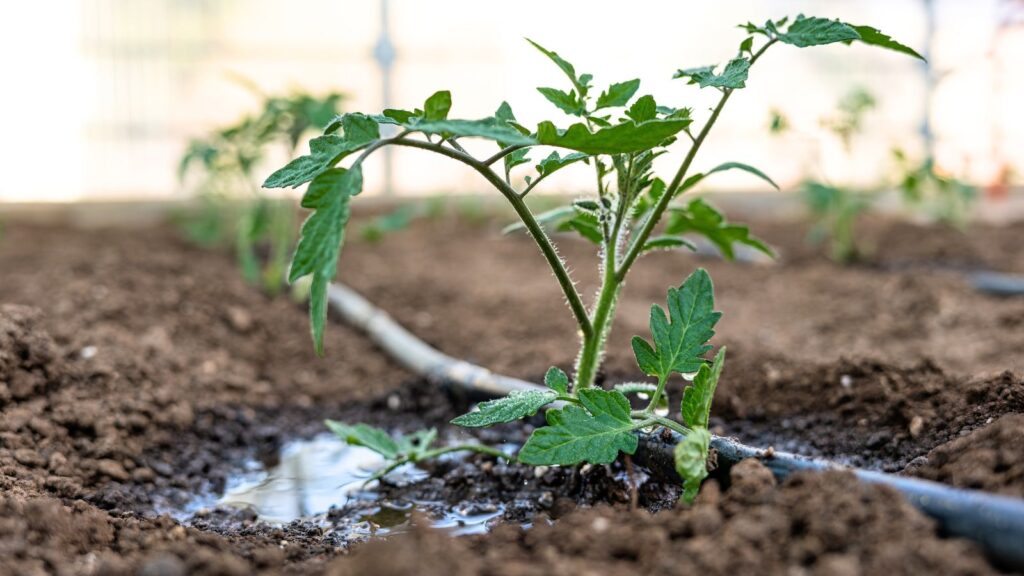
- Use drip irrigation or soaker hoses to water at the base and keep foliage dry.
Tip: Mulching with straw or leaves helps retain moisture, regulate soil temperature, and reduce weed competition.
7. Fertilize Strategically
Fertilization provides essential nutrients that support rapid growth and fruiting:
- Apply a balanced fertilizer (NPK 10:10:10) during early growth for strong roots and leaves.
- Switch to a phosphorus-rich fertilizer during flowering to encourage fruit set.
- Use liquid fertilizers or compost tea for quick nutrient absorption.
Avoid over-fertilizing with nitrogen, which encourages leafy growth at the expense of flowers and fruit.
8. Pruning for Faster Growth and Productivity
Pruning helps tomato plants focus energy on fruit production rather than excessive foliage:
- Remove lower leaves and suckers (small shoots between main stem and branches) to improve air circulation.
- Pinch off damaged or yellowing leaves to prevent disease.
- Support tall plants with stakes or cages to keep branches upright.
Proper pruning reduces stress on the plant and channels energy into faster growth and better fruiting.
9. Use Mulch and Weed Control
Mulching accelerates growth by maintaining consistent soil conditions:
- Apply a 2–3 inch layer of straw, grass clippings, or leaves around the base of each plant.
- Mulch helps retain moisture, regulate soil temperature, and reduce weed competition.
- Weeds compete for nutrients and water, slowing tomato growth, so remove them promptly.
Healthy, weed-free soil allows tomato plants to grow faster and produce larger fruit.
10. Protect Against Pests and Diseases
Pests and diseases can slow down growth and reduce yield. Use natural techniques to protect your tomatoes:
- Companion planting: Marigolds, basil, and garlic repel pests and improve growth.
- Neem oil or insecticidal soap: Safe for preventing aphids, whiteflies, and mites.
- Row covers: Protect young plants from insects without chemicals.
- Regular inspection: Catch pest or disease problems early to prevent spread.
Healthy, stress-free plants grow faster and are more productive.
11. Use Plant Growth Boosters
Natural boosters can stimulate tomato growth and accelerate development:
- Seaweed extract or kelp spray: Provides micronutrients and growth hormones.
- Willow water: Contains natural rooting hormones that enhance root development.
- Compost tea: Improves soil biology and nutrient availability.
Applying these boosters occasionally can give tomato plants a significant growth advantage.
12. Support Pollination for Faster Fruit Development
Tomatoes need pollination to produce fruit. Improved pollination accelerates fruiting:
- Shake flowers gently to help pollen transfer.
- Grow pollinator-friendly flowers nearby to attract bees.
- Use a small electric toothbrush or fan to simulate pollination indoors.
Efficient pollination ensures early fruit set and faster harvests.
Conclusion
Accelerating tomato growth is possible with a combination of smart variety selection, early seed starting, proper soil preparation, adequate sunlight, strategic watering and fertilization, pruning, pest protection, and natural growth boosters.
By following these techniques, you can enjoy stronger plants, faster growth, earlier fruiting, and a more abundant harvest. Whether you grow tomatoes in containers, raised beds, or garden plots, applying these strategies will transform your tomato garden into a thriving, productive oasis.
With consistent care, attention to plant needs, and natural growth accelerators, your tomato plants can reach their full potential faster than ever, giving you delicious, homegrown tomatoes throughout the growing season.