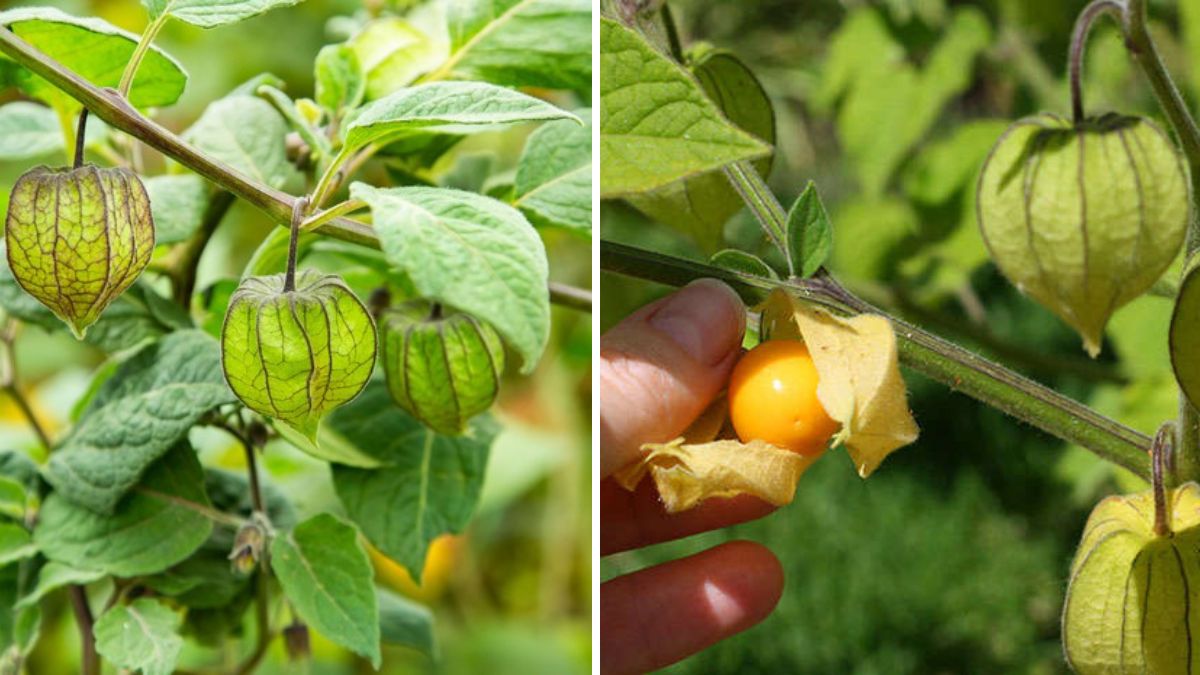
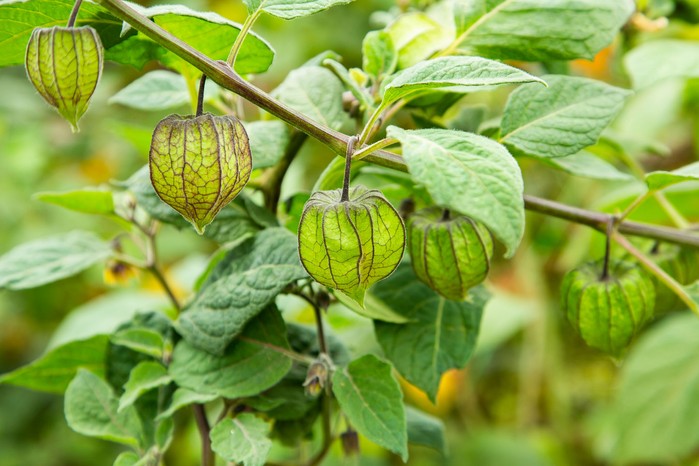
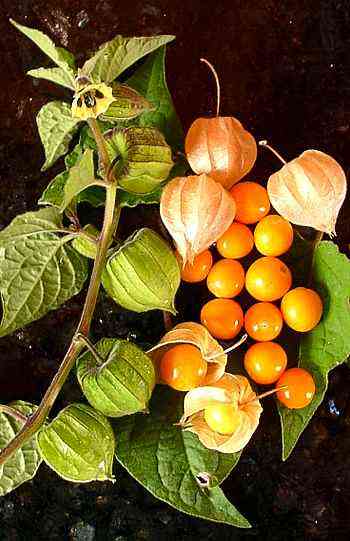
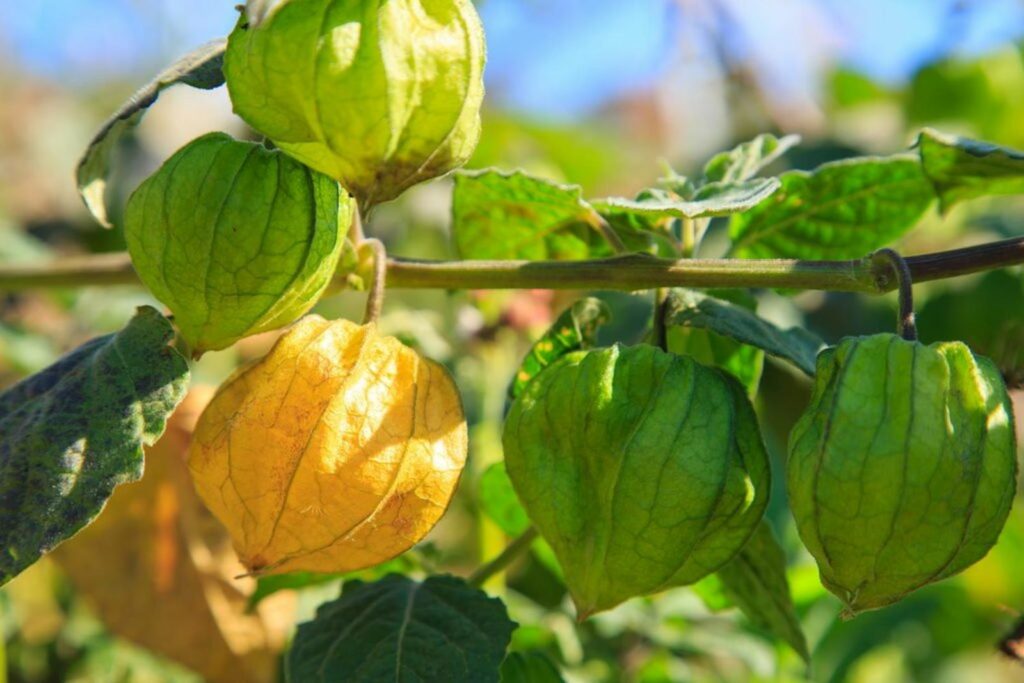
Cape gooseberry, also known as Rhasbari in some regions or Physalis scientifically, is a unique and nutritious fruit that is gaining popularity among home gardeners. With its golden-orange berries encased in a papery husk, Cape gooseberry is not only visually appealing but also rich in vitamins, antioxidants, and dietary fiber. The sweet-tart flavor makes it ideal for fresh eating, jams, desserts, or even salads. Growing Cape gooseberry at home is surprisingly easy, and with the right care, you can enjoy fresh, juicy fruits right from your garden.
Why Grow Cape Gooseberry at Home?
There are several compelling reasons to cultivate Cape gooseberry:
- Nutritional Benefits: Loaded with vitamin C, vitamin A, and antioxidants, Cape gooseberries support immunity and overall health.
- Easy to Grow: They thrive in a variety of soils and climates, making them suitable for home gardens or pots.
- Pest Resistance: Cape gooseberry plants are generally hardy and less prone to pest infestations compared to other fruit plants.
- Unique Appearance: The husked fruits are visually striking and can add aesthetic value to your garden.
- Extended Harvest: With proper care, Cape gooseberries can produce fruits for several months.
Best Conditions for Growing Cape Gooseberry
To ensure healthy growth and a bountiful harvest, it’s important to provide optimal conditions:
- Climate: Cape gooseberry prefers warm, tropical, or subtropical climates but can adapt to cooler areas with protection. Ideal temperature: 18°C–28°C (64°F–82°F).
- Sunlight: Full sun exposure (6–8 hours/day) promotes vigorous growth and fruiting.
- Soil: Well-draining, fertile soil with a pH of 5.5–7.0 works best. Sandy loam enriched with compost is ideal.
- Watering: Keep the soil consistently moist, but avoid waterlogging. Drip irrigation or careful hand watering works well.
Materials Needed
Before planting, gather the following:
- Cape gooseberry seeds or seedlings
- Garden soil or potting mix
- Compost or well-rotted manure
- Pots, raised beds, or garden space
- Stakes or supports (plants can grow tall)
- Mulch (optional)
Step-by-Step Guide to Growing Cape Gooseberry
Step 1: Seed Selection and Preparation
You can start from seeds or seedlings. If using seeds:
- Soak seeds in water for 24 hours to improve germination.
- Sow seeds in seed trays or small pots filled with seed-starting mix.
- Cover lightly with soil (about 0.5 cm deep).
- Keep the soil moist and warm for germination. Seeds usually sprout in 10–14 days.
Step 2: Transplanting Seedlings
Once seedlings have 4–6 true leaves and are strong enough (usually 4–6 weeks after germination):
- Prepare the planting area or large pots with fertile, well-draining soil.
- Dig holes spaced 2–3 feet apart for proper air circulation.
- Transplant seedlings carefully to avoid damaging roots.
- Water immediately after transplanting.
Step 3: Providing Support
Cape gooseberry plants can grow 3–4 feet tall and may become bushy. Use stakes or cages to support plants and prevent branches from breaking under the weight of fruits.
Step 4: Watering and Fertilization
- Water regularly to keep the soil consistently moist, especially during flowering and fruiting.
- Apply organic fertilizer or compost every 3–4 weeks to encourage healthy growth.
- Avoid excessive nitrogen, which promotes leafy growth but reduces fruiting.
Step 5: Pruning and Maintenance
- Prune side shoots to improve airflow and reduce disease risk.
- Remove dead or yellowing leaves to maintain plant health.
- Mulch around the base of plants to retain soil moisture and prevent weed growth.
Step 6: Flowering and Pollination
- Cape gooseberry produces small, yellow flowers with purple centers.
- These flowers are usually self-pollinating, but gentle shaking or attracting bees can improve fruit set.
- Flowering occurs around 60–90 days after transplanting, depending on climate and care.
Step 7: Harvesting
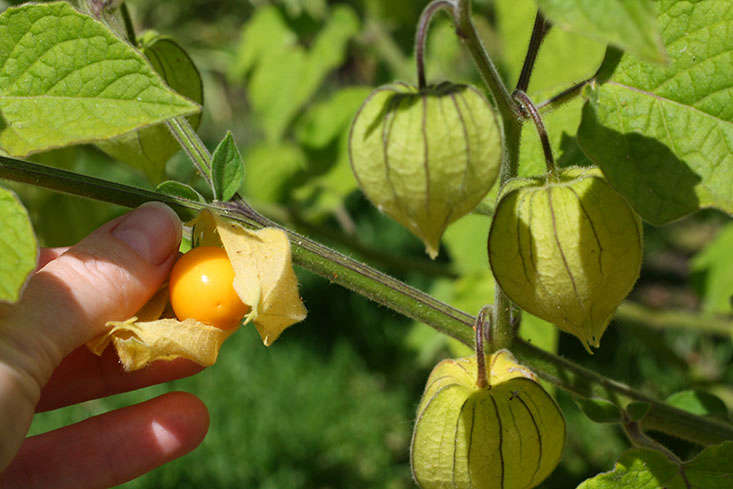
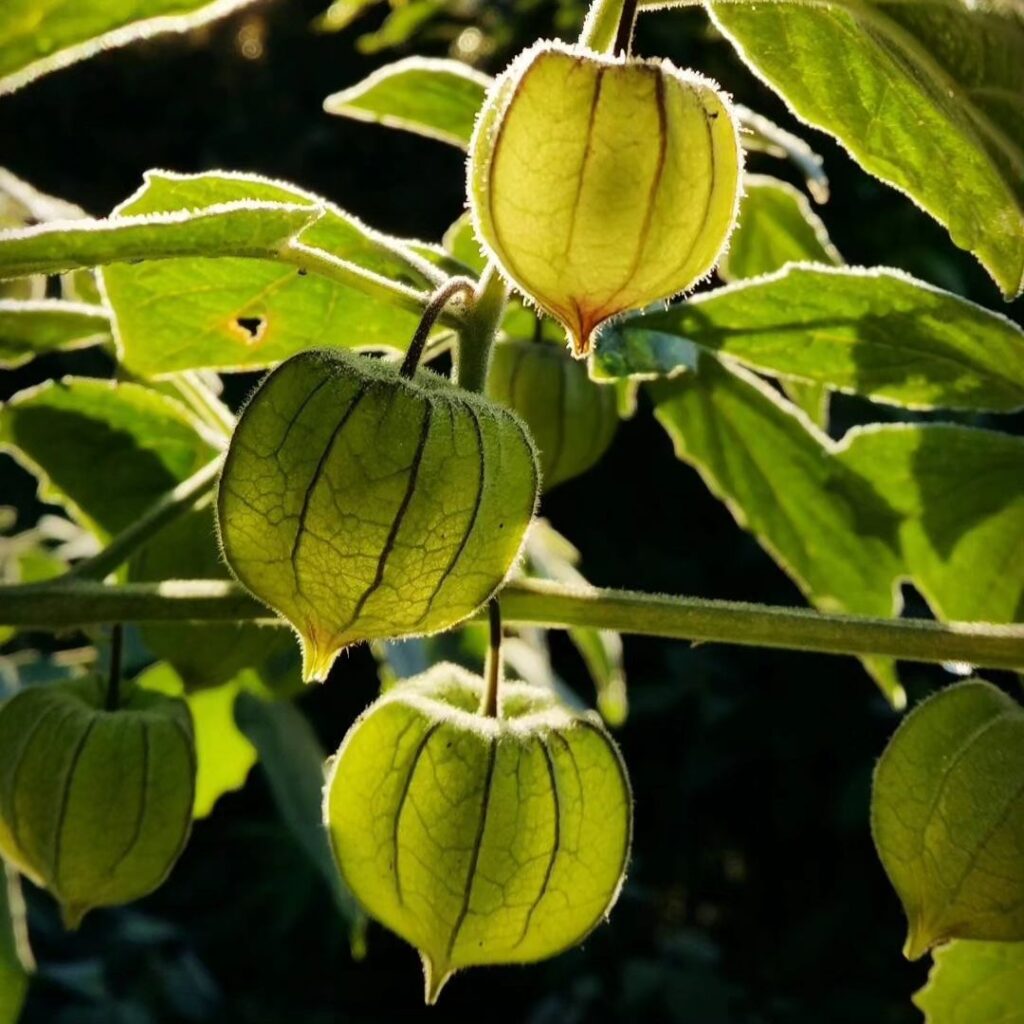
- Fruits develop inside a papery husk. The husk turns light brown as the fruit ripens.
- The fruit itself should be bright orange or golden yellow and slightly soft to touch.
- Harvest by gently plucking the husked fruits from the plant.
- Avoid leaving overripe fruits on the plant, as they can attract pests or fall off.
Tips for a Better Yield
- Succession Planting: Sow seeds every few weeks for a continuous harvest.
- Pest Management: Watch for aphids, whiteflies, or leaf miners. Neem oil or insecticidal soap can help.
- Disease Control: Powdery mildew can occur in humid conditions. Ensure good spacing and airflow.
- Container Growth: Cape gooseberries grow well in large pots or containers, making them suitable for balconies or terraces.
- Mulching: Helps conserve soil moisture and keeps roots cool.
Nutritional and Culinary Uses
Cape gooseberry is a powerhouse of nutrients:
- Rich in vitamin C, supporting immune health.
- Contains antioxidants that help fight free radicals.
- Good source of dietary fiber for digestive health.
Culinary uses include:
- Fresh eating as a tangy, sweet snack.
- Making jams, jellies, and preserves.
- Adding to salads, desserts, or fruit bowls.
- Creating sauces or chutneys for savory dishes.
Common Challenges and Solutions
- Slow Growth: Ensure seedlings receive enough sunlight and fertile soil.
- Pests: Regularly inspect leaves and fruits; remove affected areas and use organic treatments.
- Fruit Drop: Avoid overwatering, as excess water can cause premature fruit drop.
- Bolting: In extremely hot climates, plants may flower early. Provide partial shade during peak heat if necessary.
Conclusion
Growing Cape gooseberry (Rhasbari/Physalis) at home is a rewarding experience. From selecting seeds to harvesting golden fruits, each step brings satisfaction and joy. With proper care – including optimal sunlight, well-draining soil, consistent watering, and occasional fertilization – you can enjoy a bountiful harvest of this delicious and nutritious fruit. Whether you have a garden, terrace, or balcony, Cape gooseberry can thrive in your home, providing a unique addition to your kitchen and a delightful treat for your family.
Start today and discover the joy of homegrown Cape gooseberries – your taste buds and your health will thank you!