Succulents are among the most beloved plants for indoor and outdoor gardening. Their low-maintenance nature, unique textures, and vibrant colors make them a favorite for both beginners and seasoned gardeners. One of the most satisfying aspects of succulent gardening is propagation – creating new plants from existing ones. Propagating succulents is not only cost-effective but also allows you to expand your collection effortlessly. In this comprehensive guide, we’ll show you how to propagate succulents like a pro, ensuring healthy, thriving plants every time.
Why Propagate Succulents?
Propagating succulents has many advantages:
- Cost-effective: No need to buy new plants – grow them from cuttings, leaves, or offsets.
- Sustainable: Reuse old or overgrown plants rather than discarding them.
- Creative gardening: Experiment with new arrangements and unique plant displays.
- Gift-friendly: Give your friends or family beautiful, home-grown succulents.
By mastering propagation, you can multiply your succulent collection without spending extra money and enjoy the rewarding process of nurturing plants from scratch.
Understanding Succulent Propagation
Succulents can be propagated through several methods:

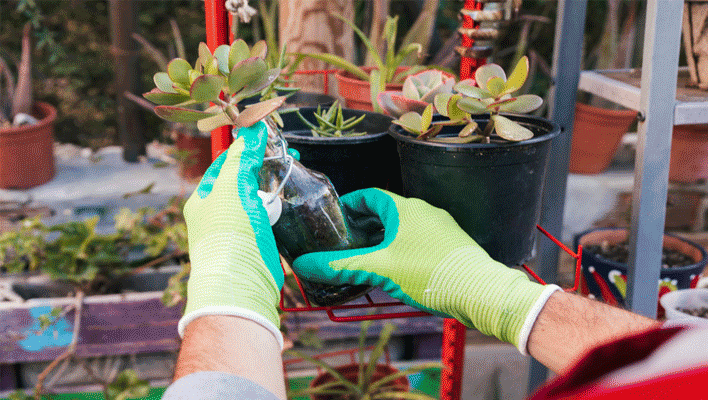
- Leaf Cuttings – Gently remove a healthy leaf and allow it to root.
- Stem Cuttings – Use a portion of a succulent stem to grow a new plant.
- Offsets or Pups – Small baby plants growing from the parent plant can be separated and replanted.
- Seeds – More advanced and time-consuming but great for unique varieties.
For beginners and most home gardeners, leaf and stem cuttings are the fastest and most reliable methods.
Materials You’ll Need
Before starting, gather the following tools and materials:
- Healthy succulent plants
- A clean, sharp knife or scissors
- Well-draining succulent or cactus soil
- Small pots or containers
- Rooting hormone (optional but helpful)
- Spray bottle for watering
- A bright, indirect sunlight spot
Having the right materials will make the process smoother and improve your success rate.
Step-by-Step Guide to Propagating Succulents
Step 1: Choose Healthy Leaves or Stems
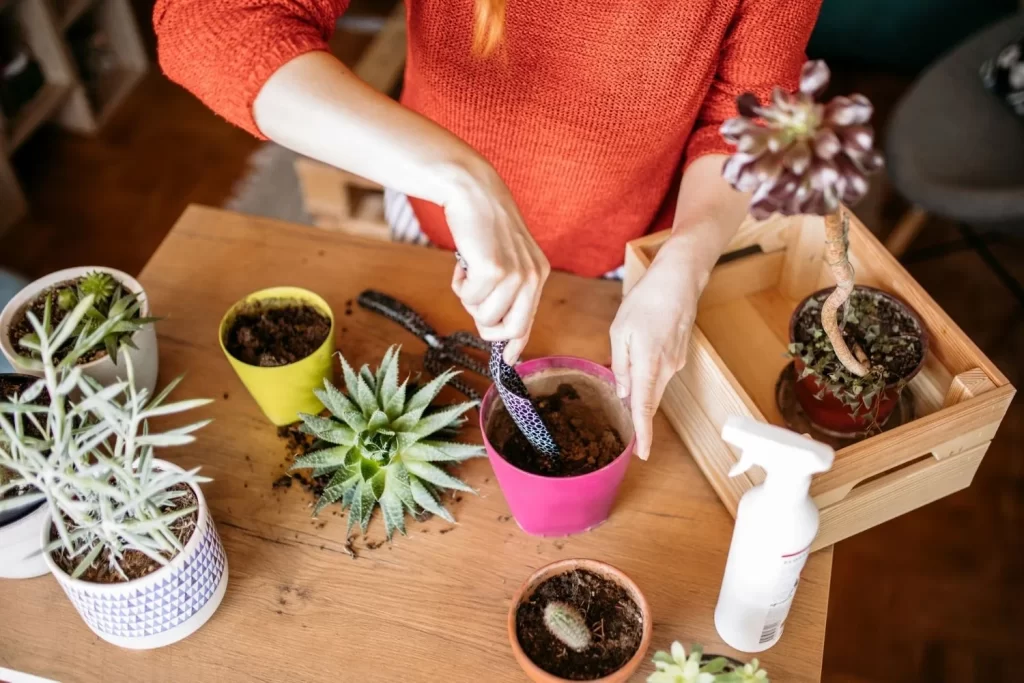
Select plump, healthy leaves or stems from your succulent. Avoid damaged or diseased parts, as these are less likely to root successfully. When using leaves, gently twist them off at the base, ensuring a clean break without tearing.
Step 2: Let Cuttings Callus
Callusing is the process of allowing cut ends to dry and form a protective layer. Place your leaf or stem cuttings in a dry, shaded area for 2–7 days depending on the thickness of the cutting. This step is crucial to prevent rotting once the cuttings are planted.
Step 3: Prepare the Soil
Use a well-draining succulent or cactus soil mix. You can also make your own by combining potting soil with sand, perlite, or pumice. Fill small pots or trays with this mix, making sure there’s adequate drainage to avoid waterlogging.
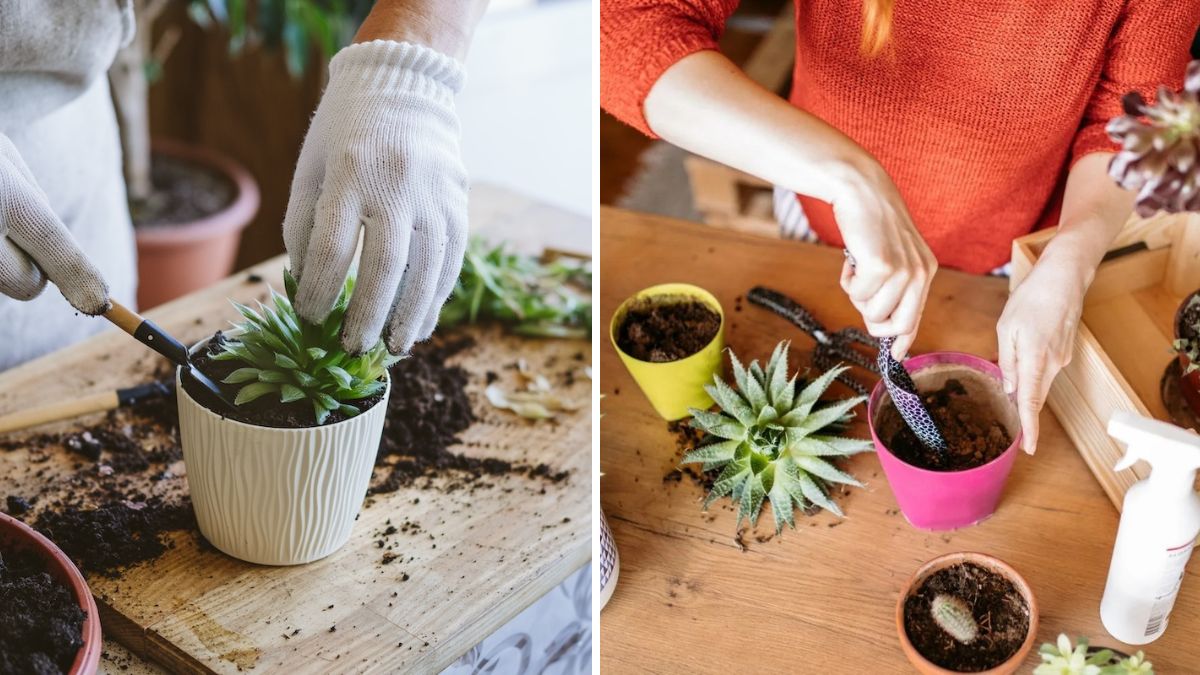
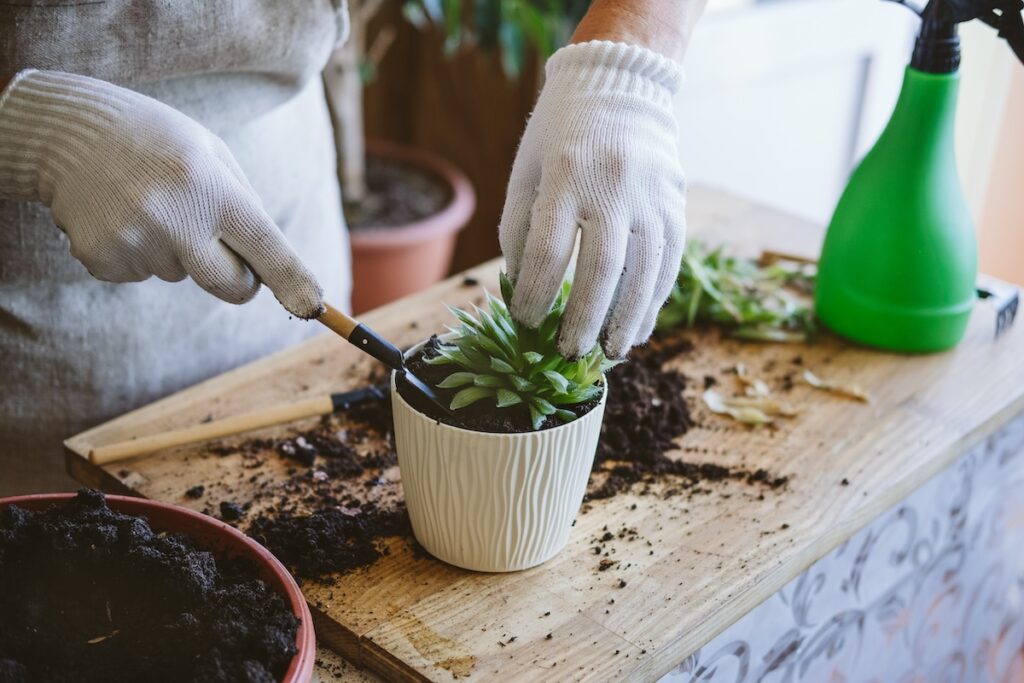
Step 4: Plant the Cuttings
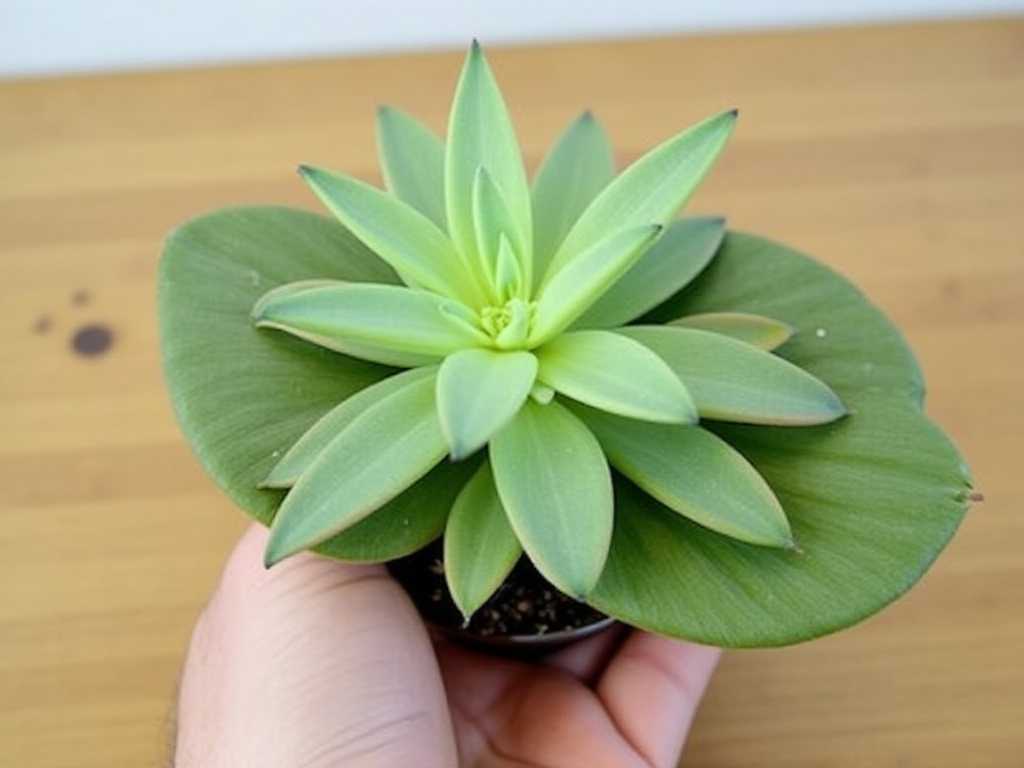
Once callused, place the leaf cuttings on top of the soil or insert stem cuttings slightly into the soil. If using rooting hormone, dip the cut end into the powder before planting. Avoid burying leaf cuttings too deep – they only need to rest on the surface to develop roots.
Step 5: Provide the Right Environment
Succulent cuttings need bright, indirect sunlight. Direct sun can scorch the young leaves or stems. Maintain a warm, airy environment with temperatures around 20–25°C (68–77°F). Avoid excessive humidity, which can cause rot.
Step 6: Watering the Cuttings
Watering is one of the most common mistakes when propagating succulents. Mist the soil lightly with a spray bottle once a week or when the soil is dry. Avoid overwatering; succulent cuttings need minimal moisture until roots form. Leaf cuttings, in particular, rely on stored water in the leaf to grow roots.
Step 7: Monitor Growth
Roots typically begin to form within 2–4 weeks. You’ll notice tiny white roots emerging from leaf cuttings and small new leaves at the base. Stem cuttings may show growth even sooner. Be patient – forcing water or sunlight can harm the developing plants.
Step 8: Transplanting
Once the new plants have established roots and a few sets of leaves, they can be transplanted into individual pots. Use fresh succulent soil to give them the best chance to thrive. Gradually introduce them to more sunlight over a few days to harden them off.
Tips for Propagating Succulents Like a Pro
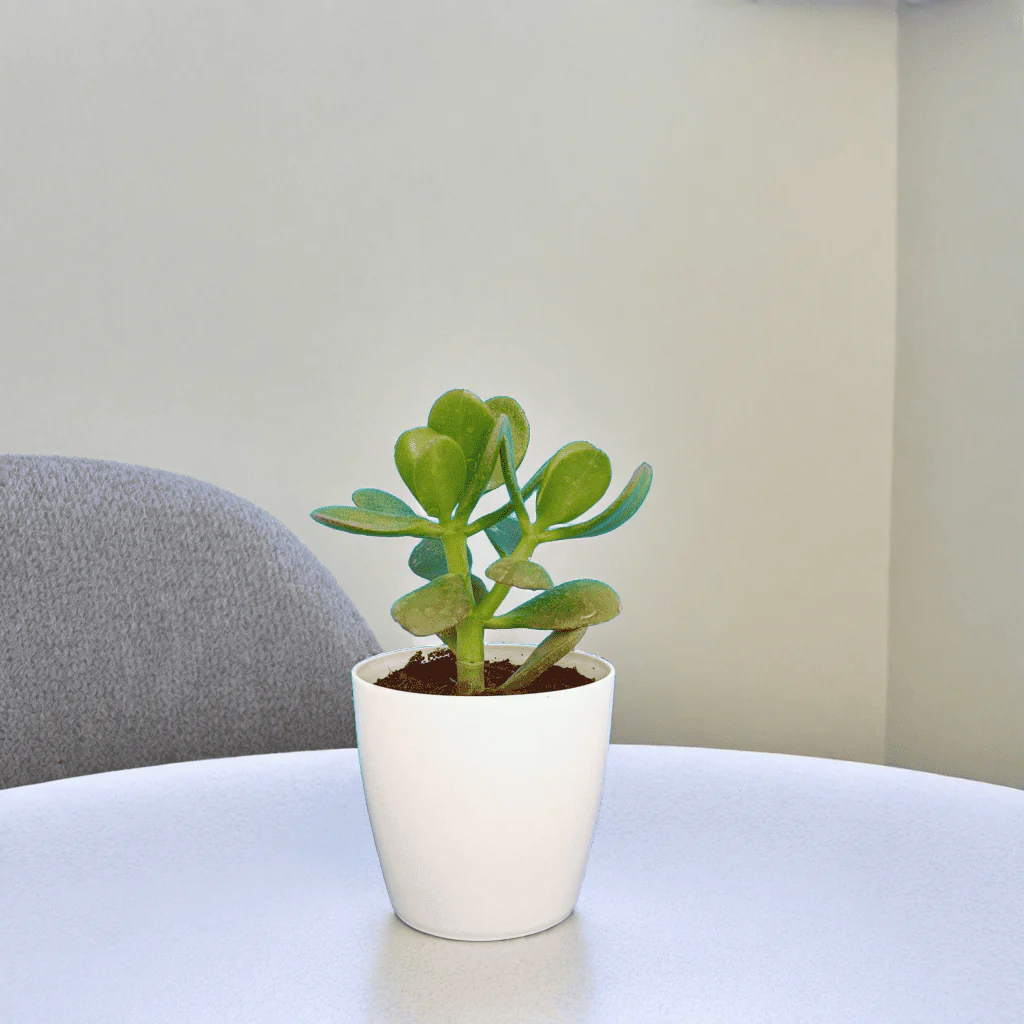
- Use Healthy Parent Plants: Only propagate from strong, disease-free plants to ensure success.
- Avoid Overwatering: Succulent cuttings are prone to rot if soil is too wet.
- Be Patient: Propagation takes time. Leaf cuttings may take a month or longer to form mature plants.
- Succession Planting: Propagate multiple cuttings at once to increase your chances of success.
- Rotate Cuttings: If some cuttings fail, don’t worry – keep trying with others. Success improves with practice.
Common Mistakes to Avoid
- Planting leaves in wet soil: Leaves should only touch dry soil initially.
- Exposing cuttings to harsh sunlight: This can cause sunburn and stunt growth.
- Skipping callusing: Planting fresh cuttings immediately increases the risk of rot.
- Using poor-quality soil: Heavy or compact soil retains water and can kill young roots.
Why Propagation is Rewarding
There’s something magical about watching a tiny leaf transform into a full, thriving succulent. Propagation not only saves money but also deepens your connection with your plants. Each new succulent you grow is a testament to your patience, care, and dedication. Whether you want to fill your garden, decorate your home, or create gifts for friends, propagation allows you to do all of this sustainably.
Using Video Tutorials for Success
Many gardeners find it helpful to follow updated video tutorials when learning propagation techniques. Watching each step in action can clarify tricky parts, like callusing, cutting, and planting. Updated videos often show new tips for faster rooting, preventing rot, and creating lush, healthy plants. Combining written guides with visual demonstrations is the ultimate way to master succulent propagation.
Conclusion
Propagating succulents is a fun, rewarding, and cost-effective way to grow your plant collection. By following these steps – choosing healthy cuttings, callusing, planting properly, and providing the right environment – you can propagate succulents like a professional gardener. With patience, care, and a little practice, you’ll have a thriving assortment of vibrant succulents ready to beautify your home, garden, or office.
Start with a few cuttings today, and soon you’ll be amazed at how easily your succulent garden can grow!