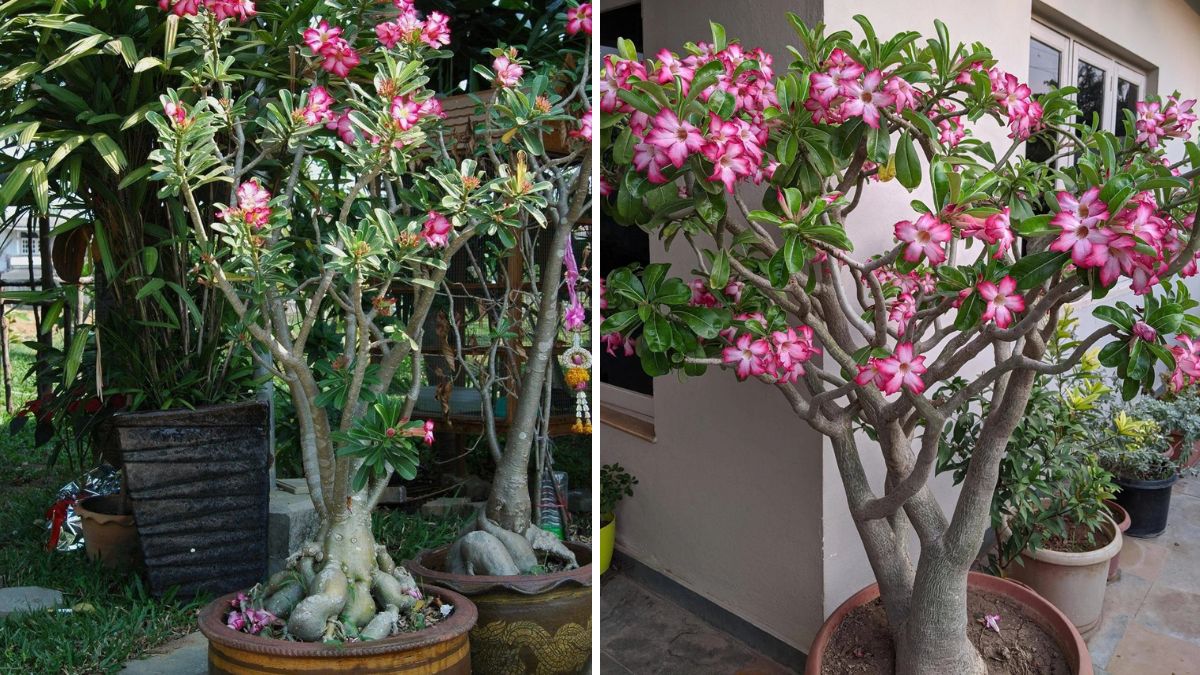
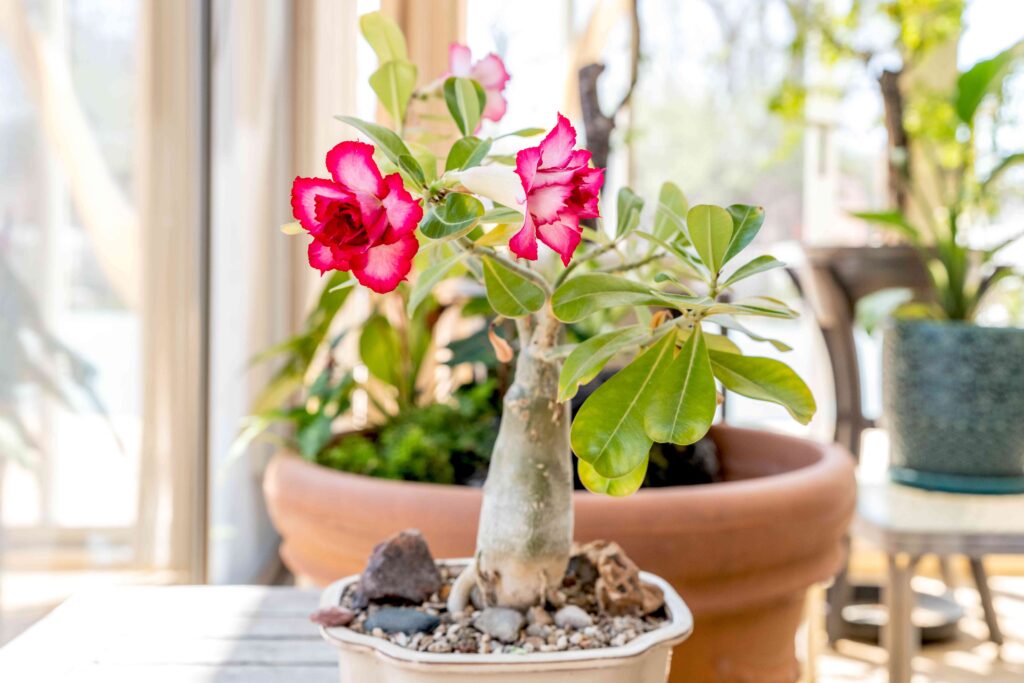
Adenium, commonly known as Desert Rose, is a striking succulent prized for its thick caudex, glossy leaves, and vibrant trumpet-shaped flowers. Popular among succulent lovers and bonsai enthusiasts, Adenium adds a dramatic touch to home gardens and balconies. While it can be propagated through cuttings, growing Adenium from seeds is both cost-effective and rewarding, allowing you to cultivate a variety of colors and forms. In this guide, we will cover everything you need to know to grow Adenium from seeds, including updated techniques for faster and healthier growth.
Why Grow Adenium from Seeds?
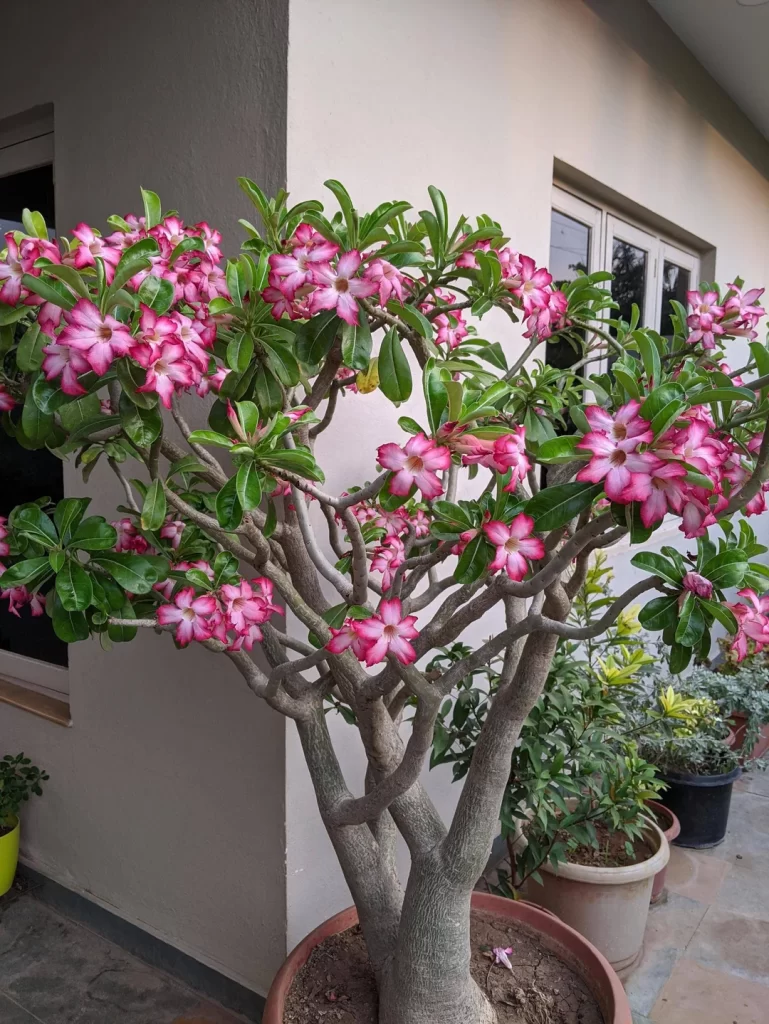
- Variety of Colors and Shapes – Seed-grown Adeniums may produce unique flowers and caudex shapes.
- Cost-Effective – Seeds are cheaper than buying mature plants or grafted varieties.
- Faster Root Development – Seedlings establish strong root systems early on.
- Fun and Educational – Watching seeds germinate and grow into beautiful plants is rewarding.
Materials Needed to Grow Adenium from Seeds
Before starting, gather these essentials:
- Fresh Adenium Seeds – Purchase from a trusted nursery or online supplier. Fresh seeds have higher germination rates.
- Seedling Tray or Small Pots – Shallow containers with good drainage.
- Well-Draining Soil Mix – A mixture of cactus soil, perlite, and sand in a 2:1:1 ratio works best.
- Water Spray Bottle – For gentle watering without displacing seeds.
- Plastic Cover or Clear Lid – To maintain humidity during germination.
- Fertilizer – Mild liquid fertilizer for young seedlings.
- Sunlight or Grow Light – Bright, indirect sunlight or artificial light for optimal growth.
Step-by-Step Guide to Growing Adenium from Seeds
Step 1: Preparing the Seeds
Fresh seeds are vital for successful germination:
- Inspect seeds for freshness—healthy seeds are plump, firm, and dark brown. Avoid cracked or shriveled seeds.
- Optional: Soak seeds in warm water for 2–4 hours to soften the seed coat. This accelerates germination.
- Handle seeds gently to avoid damage.
Update Tip: Fresh seeds germinate faster (within 3–10 days), while older seeds may take longer.
Step 2: Preparing the Soil and Containers
Adenium seeds need well-draining soil to prevent rot:
- Mix cactus soil, perlite, and sand to create a light, airy medium.
- Fill seed trays or small pots with this mixture, leaving 0.5–1 inch space at the top.
- Moisten the soil lightly before sowing seeds. Avoid waterlogging.
Step 3: Sowing the Seeds
- Place seeds on the soil surface, spacing them at least 1–2 inches apart.
- Cover lightly with a thin layer of sand or soil (about 0.25 inch).
- Mist gently with a spray bottle to settle the seeds.
Update Tip: Avoid burying seeds too deep, as shallow sowing ensures better sprouting.
Step 4: Providing Optimal Germination Conditions
- Cover the tray with a plastic lid or clear wrap to maintain humidity.
- Place in a bright area with indirect sunlight or under a grow light.
- Maintain temperature between 25–30°C (77–86°F) for best germination.
- Keep the soil lightly moist—never soggy. Mist daily if needed.
Update Tip: Germination usually occurs within 3–10 days, depending on seed freshness and temperature.
Step 5: Caring for Seedlings
Once seedlings emerge:
- Remove the cover gradually to acclimate them to normal humidity.
- Provide 4–6 hours of indirect sunlight daily. Too much direct sunlight can scorch young seedlings.
- Water moderately. Allow the top layer of soil to dry between watering.
- After 2–3 weeks, begin applying a diluted liquid fertilizer (quarter strength) every 2–3 weeks.
Update Tip: Rotate seedlings regularly to prevent leaning and promote straight growth.
Step 6: Transplanting Seedlings
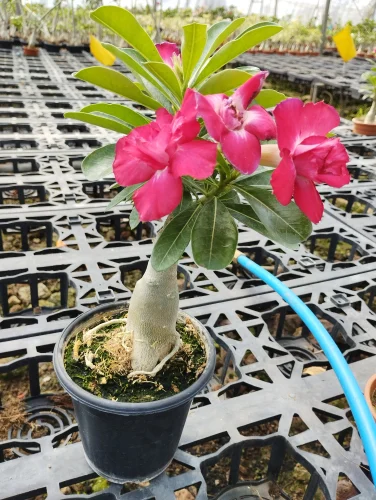
When seedlings are 2–3 inches tall and have developed a strong root system:
- Prepare small pots with well-draining soil.
- Gently remove seedlings from the tray, handling roots carefully.
- Plant each seedling in its own pot, ensuring the root base is slightly buried.
- Water lightly and place in partial shade for a few days to reduce transplant shock.
Update Tip: Avoid transplanting during extreme heat or cold. Early morning or late afternoon is best.
Tips for Healthy Adenium Growth
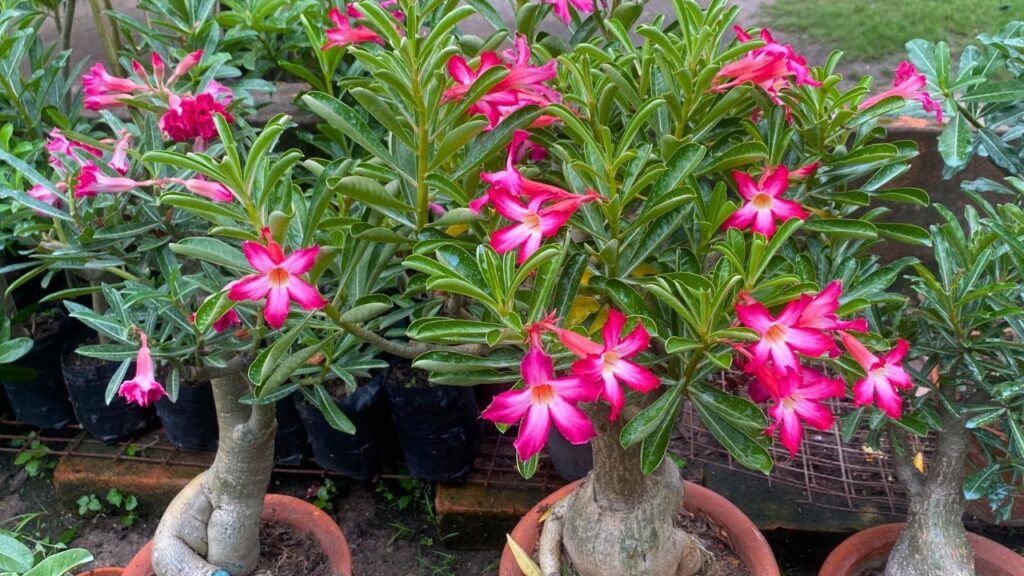
- Sunlight – Young seedlings require bright, indirect light. Mature plants thrive in full sun for vibrant flowers.
- Watering – Allow the soil to dry between watering. Overwatering can cause root rot, especially in seedlings.
- Fertilization – Use a balanced fertilizer during the growing season (spring to summer). Avoid fertilizing dormant plants.
- Pruning – Trim weak or leggy growth to encourage bushier shapes.
- Pest Management – Watch for mealybugs, aphids, and spider mites. Treat with neem oil or mild insecticidal soap if needed.
Common Challenges and Solutions
- Slow Germination – Usually due to old seeds or cold temperatures. Use fresh seeds and maintain warmth.
- Seedling Rot – Caused by overwatering or poor drainage. Ensure soil drains well and water sparingly.
- Leggy Seedlings – Often due to insufficient light. Provide more sunlight or supplemental grow light.
- Leaf Yellowing – Indicates nutrient deficiency or overwatering. Adjust watering and use diluted fertilizer.
Accelerating Flowering in Seed-Grown Adenium
- Patience is key—seed-grown Adeniums may take 2–3 years to bloom.
- To encourage early flowering:
- Ensure full sunlight exposure once mature.
- Use phosphorus-rich fertilizer during the blooming season.
- Maintain slightly dry soil during dormant periods to mimic desert conditions.
Creative Ways to Display Your Adenium
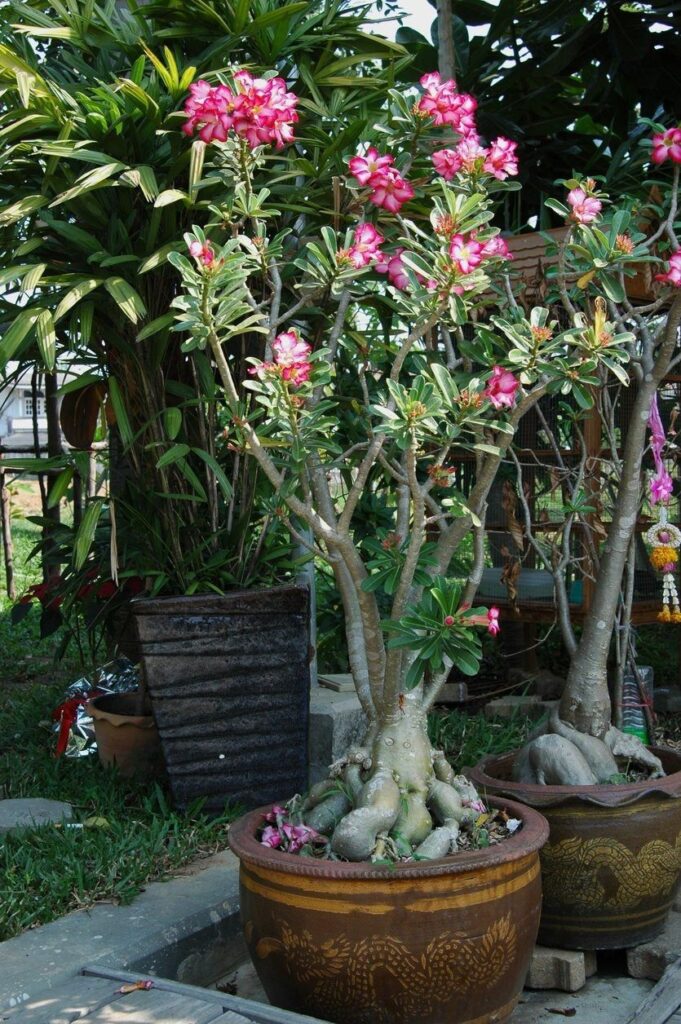
- Container Gardening – Use decorative pots to showcase unique caudex shapes.
- Rock Gardens – Combine with stones and pebbles for a desert-themed aesthetic.
- Bonsai Training – Train seedlings over years to develop thick, bonsai-style trunks.
Update Tip: Document each stage with photos to track growth and flowering patterns. This also helps identify issues early.
Conclusion
Growing Adenium from seeds is a rewarding process that allows gardeners to cultivate unique and beautiful plants at home. By using fresh seeds, providing well-draining soil, maintaining proper light, water, and temperature conditions, and applying careful fertilization, even beginners can succeed in growing healthy seedlings. With patience and care, these seedlings will develop into stunning Desert Roses, enhancing your garden, balcony, or indoor space with their thick caudex, glossy leaves, and brilliant flowers.
Start today, follow this updated guide, and watch your Adenium seedlings transform into thriving Desert Roses that bloom year after year.