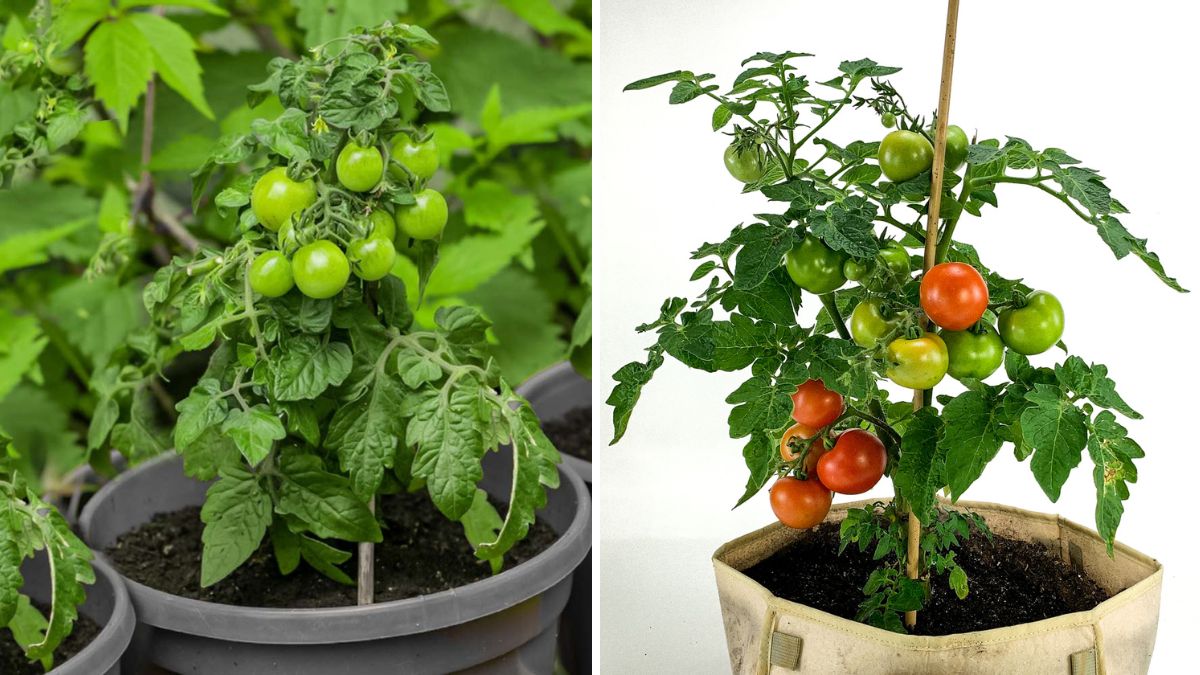
Tomatoes are one of the most popular and versatile vegetables grown at home. From fresh salads and sandwiches to sauces and curries, nothing beats the flavor of home-grown tomatoes. The best part? Tomatoes are easy to grow, even in small spaces, pots, or garden beds. With the right care, your plants will reward you with juicy, healthy fruits in just a few weeks.
This complete guide explains how to grow tomatoes at home using the easiest method, including seed selection, planting, care, pest management, and updates for each stage—ensuring a successful harvest.
Why Grow Tomatoes at Home?
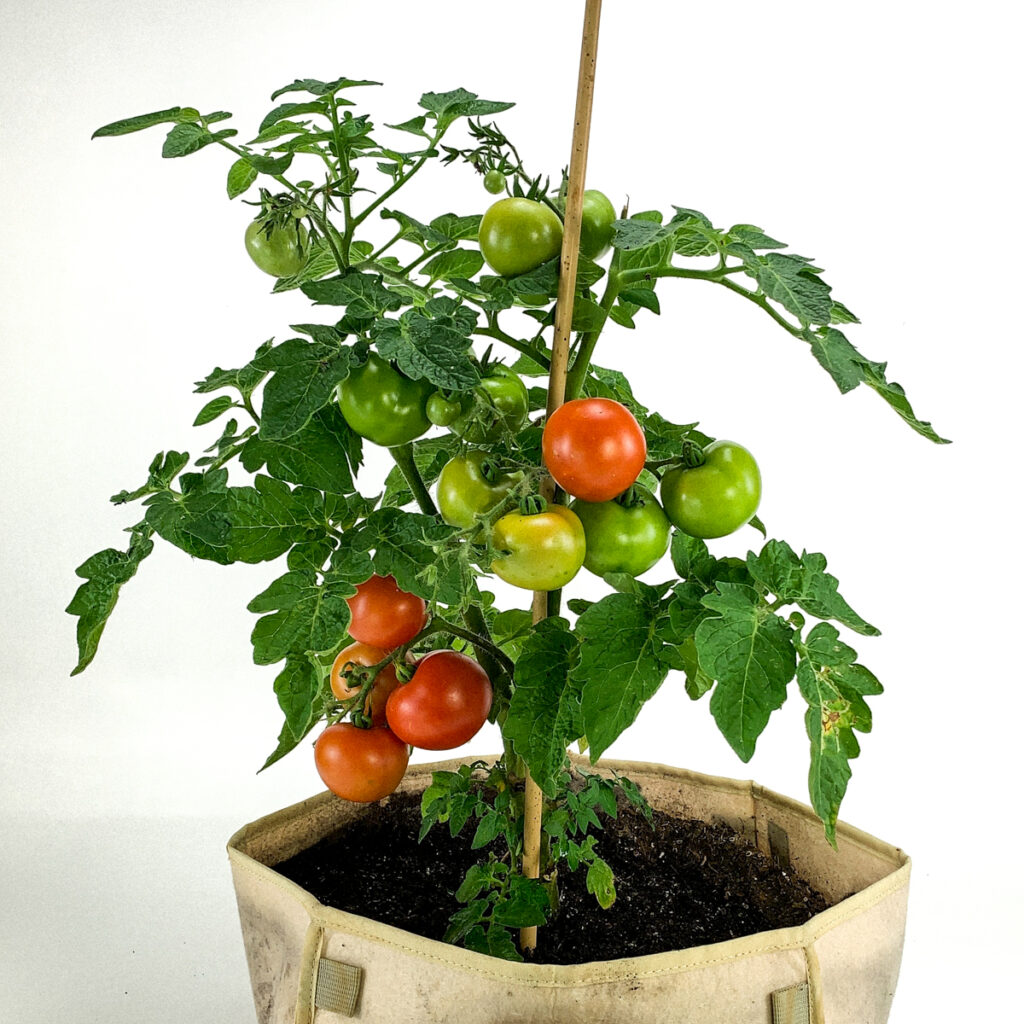
Home-grown tomatoes offer several benefits:
- Fresh and Healthy: Free from harmful pesticides and chemicals.
- Cost-Effective: Save money by growing your own produce.
- Variety Choice: Grow your favorite varieties—cherry, beefsteak, or heirloom.
- Continuous Harvest: With proper care, enjoy tomatoes throughout the season.
- Satisfaction: Gardening is rewarding and encourages healthy eating habits.
Whether you have a backyard, balcony, or small patio, growing tomatoes at home is achievable for beginners and experienced gardeners alike.
Materials Needed
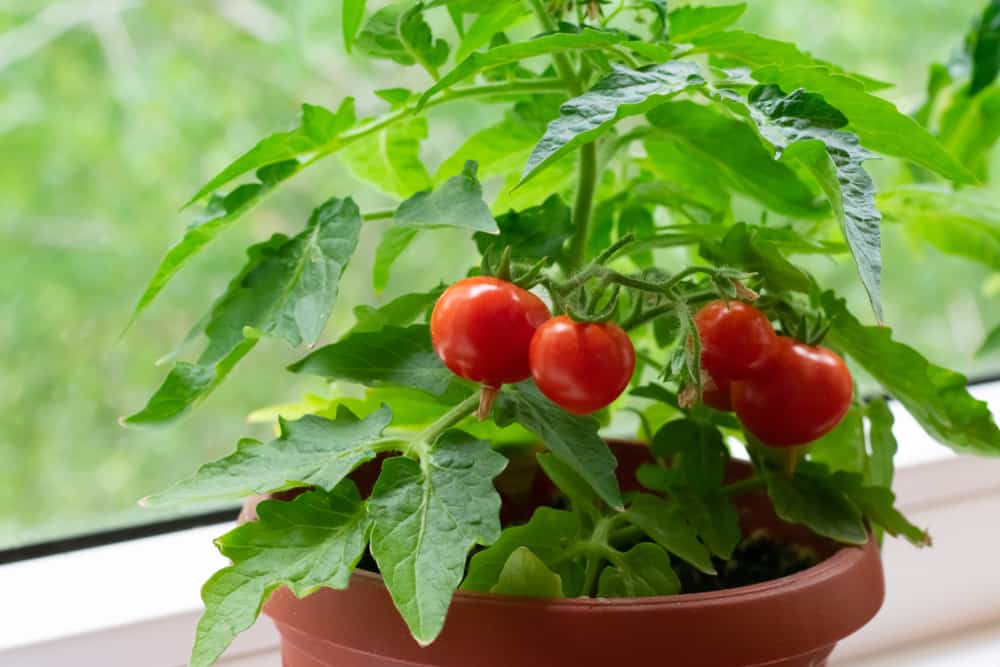
Before you start, gather these materials:
- Tomato seeds or seedlings
- Containers, pots, or garden beds with drainage holes
- Well-draining soil (garden soil mixed with compost works best)
- Organic or balanced fertilizer (NPK 10:10:10)
- Mulch (optional, to retain soil moisture)
- Watering can or gentle hose
- Stakes, cages, or trellises for support
- Neem oil or insecticidal soap for pest management
Having everything ready ensures a smooth and successful planting process.
Step 1: Choosing the Right Seeds or Seedlings
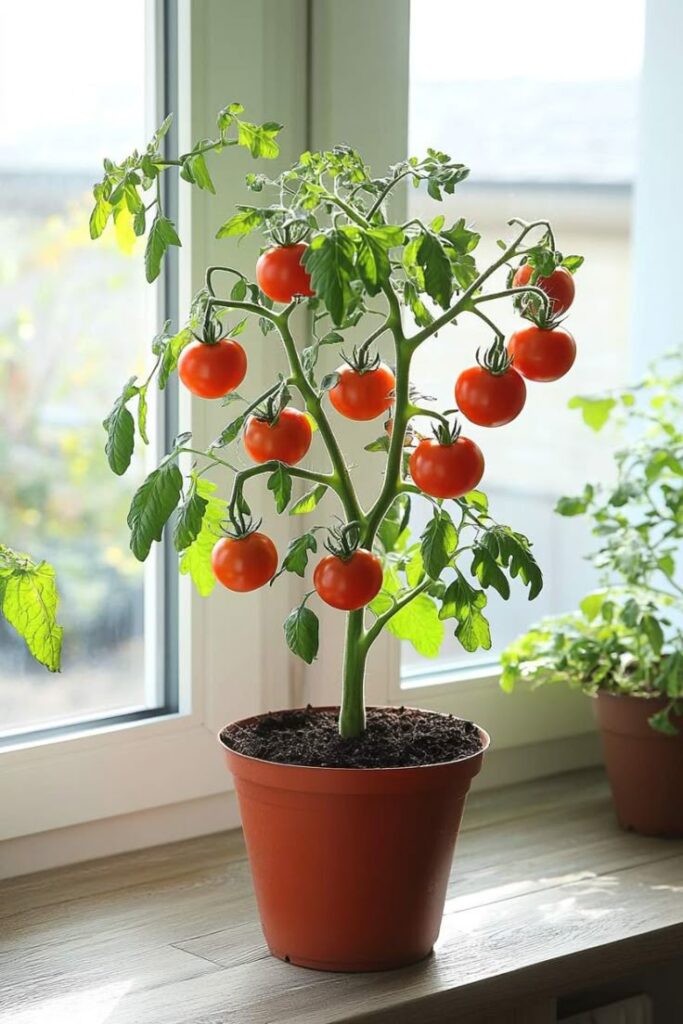
Select healthy seeds or seedlings for best results:
- Seeds: Look for disease-resistant tomato varieties suitable for your climate. Cherry, Roma, and beefsteak are popular choices.
- Seedlings: Choose strong, healthy plants with vibrant green leaves and no signs of disease or pests.
Starting with quality seeds or seedlings ensures faster growth and higher yield.
Step 2: Preparing the Soil
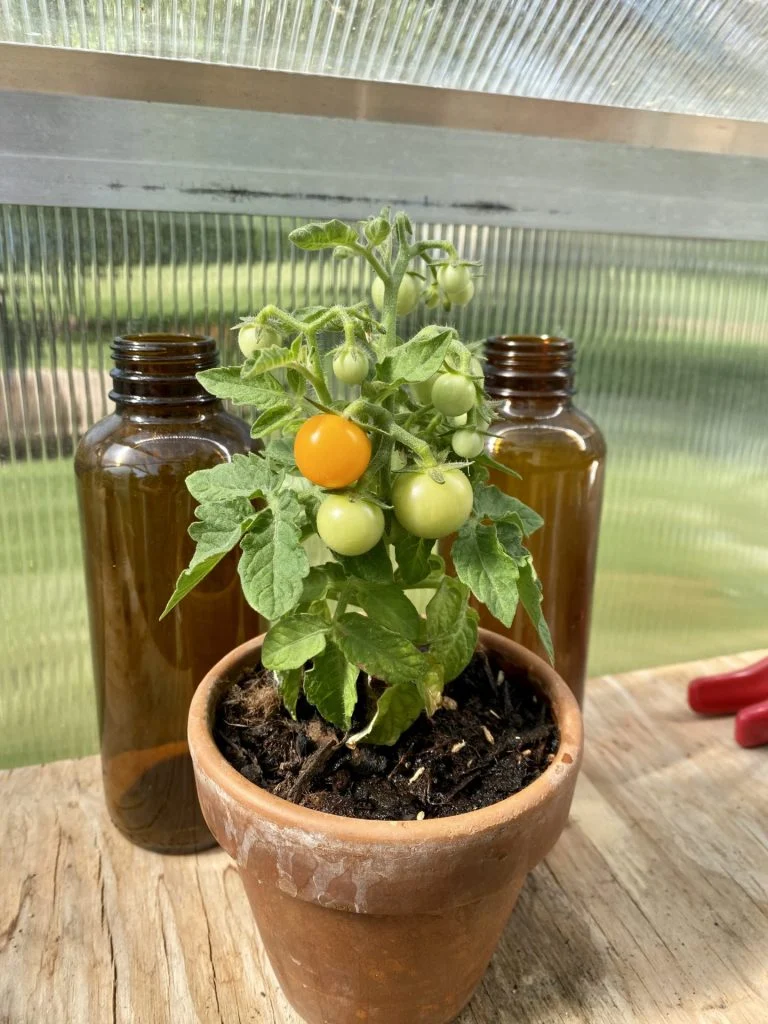
Tomatoes need nutrient-rich, well-draining soil to thrive:
- Soil Mix: Mix garden soil, compost, and sand or perlite in a 2:1:1 ratio.
- pH Level: Slightly acidic soil (6.0–6.8) works best.
- Soil Preparation: Loosen soil to a depth of 8–10 inches. Add compost or well-rotted manure for fertility.
- Optional Mulch: Mulch retains moisture, reduces weeds, and protects roots from temperature fluctuations.
Well-prepared soil promotes strong root development and healthy plant growth.
Step 3: Sowing Seeds or Transplanting Seedlings
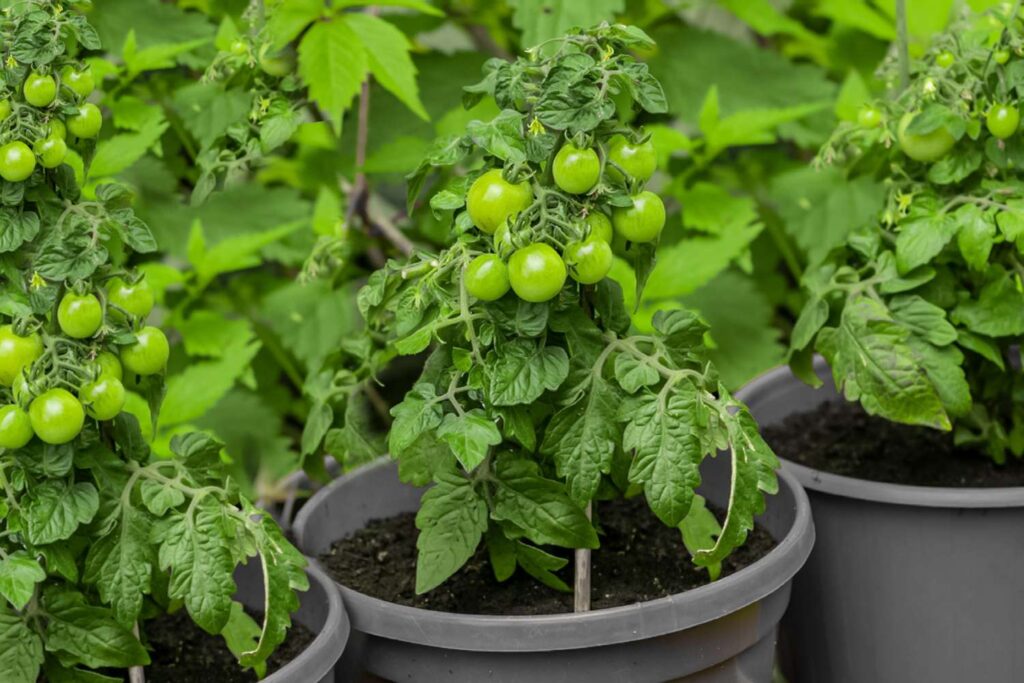
For seeds:
- Sow seeds in seed trays or small pots about 0.5 inch deep.
- Keep soil moist but not soggy.
- Place in a warm, sunny location or under grow lights.
- Seeds typically germinate in 7–14 days.
For seedlings:
- Transplant seedlings into larger pots or garden beds after 4–6 weeks.
- Space plants 18–24 inches apart for proper airflow.
- Plant seedlings slightly deeper than they were in the nursery pot; tomato stems develop roots along buried sections.
- Water immediately after transplanting.
Proper planting ensures faster establishment and stronger plants.
Step 4: Watering and Care
Consistent watering is essential for tomato plants:
- Watering Frequency: Water deeply 2–3 times per week, depending on weather and soil type.
- Moisture: Keep the soil evenly moist; avoid waterlogging or drought.
- Mulching: Apply straw or dry leaves around plants to retain moisture and suppress weeds.
- Pruning: Remove lower leaves and suckers (side shoots) to encourage airflow and strong stem growth.
Proper care prevents diseases and encourages bigger, healthier fruits.
Step 5: Fertilization for Maximum Yield
Tomatoes are heavy feeders and benefit from regular fertilization:
- Vegetative Stage: Use balanced fertilizer (NPK 10:10:10) to promote leaf and stem growth.
- Flowering and Fruit Setting: Switch to high-phosphorus fertilizer (e.g., 5:10:10) to encourage blooms and fruit development.
- Organic Options: Compost tea, fish emulsion, or well-rotted manure provide natural nutrients.
- Frequency: Fertilize every 2–3 weeks during the growing season.
Fertilization ensures robust plants, abundant flowers, and large fruits.
Step 6: Supporting Tomato Plants
Most tomato varieties need support as they grow tall:
- Stakes or Trellises: Insert near the plant and tie stems gently.
- Cages: Use wire cages for bush or determinate varieties.
- Airflow: Proper spacing prevents fungal infections and strengthens stems.
Supporting plants reduces breakage and allows better light penetration.
Step 7: Flowering and Fruit Development
Tomato plants produce yellow flowers that turn into fruits:
- Pollination: Outdoors, insects like bees handle pollination. Indoors, gently shake flowers or use a soft brush to transfer pollen.
- Fruit Formation: Small green tomatoes develop after successful pollination and gradually grow larger.
- Fruit Growth: Maintain consistent watering and fertilization during this stage for best results.
Healthy care at this stage ensures juicy, flavorful fruits.
Step 8: Pest and Disease Management
Common pests and diseases can affect tomato plants:
- Aphids, Whiteflies, and Spider Mites: Spray neem oil or insecticidal soap.
- Fungal Issues: Avoid overhead watering, ensure proper spacing, and remove infected leaves.
- Bacterial Wilt or Leaf Spot: Use clean tools and remove affected parts immediately.
Regular inspection and preventive care keep plants healthy and productive.
Step 9: Harvesting Tomatoes
Tomatoes can be harvested at different stages depending on preference:
- Green Tomatoes: Harvest when fully grown but still green.
- Red or Ripe Tomatoes: Allow fruit to ripen on the plant for maximum flavor.
- Harvesting Technique: Use scissors or gently twist the fruit off, leaving a small stem attached.
Frequent harvesting encourages continuous fruit production.
Step 10: Seasonal Updates and Care Tips
- Spring: Start seeds indoors or directly sow after last frost.
- Summer: Water regularly, fertilize, and support growing plants.
- Autumn: Continue harvesting; prune old leaves and remove debris.
- Winter: In colder climates, grow indoors or start seeds for the next season.
Seasonal updates help maintain healthy plants and a continuous tomato supply.
Tips for Easiest Tomato Growth at Home
- Use Quality Seeds or Seedlings: Strong starting material ensures higher success.
- Well-Draining Soil: Prevents root rot and supports strong root growth.
- Full Sunlight: At least 6 hours of direct sunlight daily.
- Regular Watering: Avoid drought stress and waterlogging.
- Proper Fertilization: Supports leaves, flowers, and fruit development.
- Staking and Pruning: Reduces stress and increases yield.
- Monitor Pests Early: Neem oil and organic sprays prevent damage.
By following these simple steps, even beginners can grow juicy, home-grown tomatoes successfully.
Conclusion
Growing tomatoes at home is easy, rewarding, and highly productive. By choosing quality seeds or seedlings, preparing soil, planting correctly, maintaining proper watering and fertilization, and managing pests, you can enjoy a continuous supply of fresh, juicy tomatoes right in your backyard, balcony, or kitchen garden.
Whether for fresh salads, cooking, or preserving, home-grown tomatoes taste far superior to store-bought ones. Start today, follow this easiest method ever, and enjoy the satisfaction of harvesting your very own healthy, flavorful tomatoes at home.