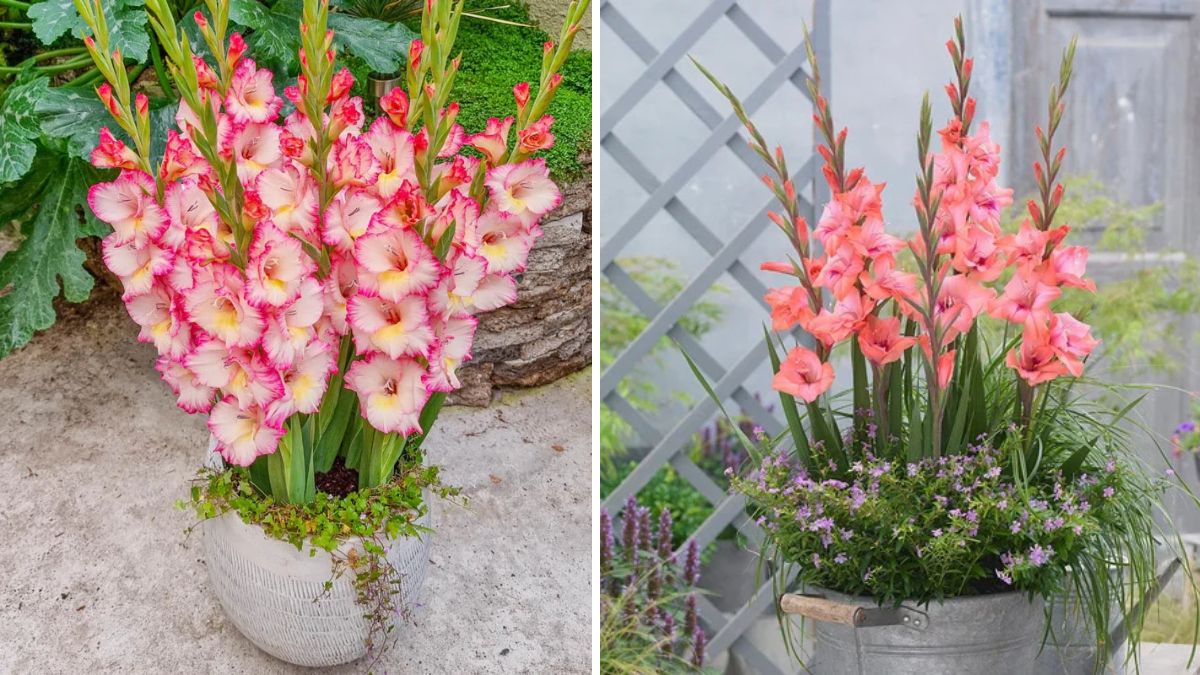
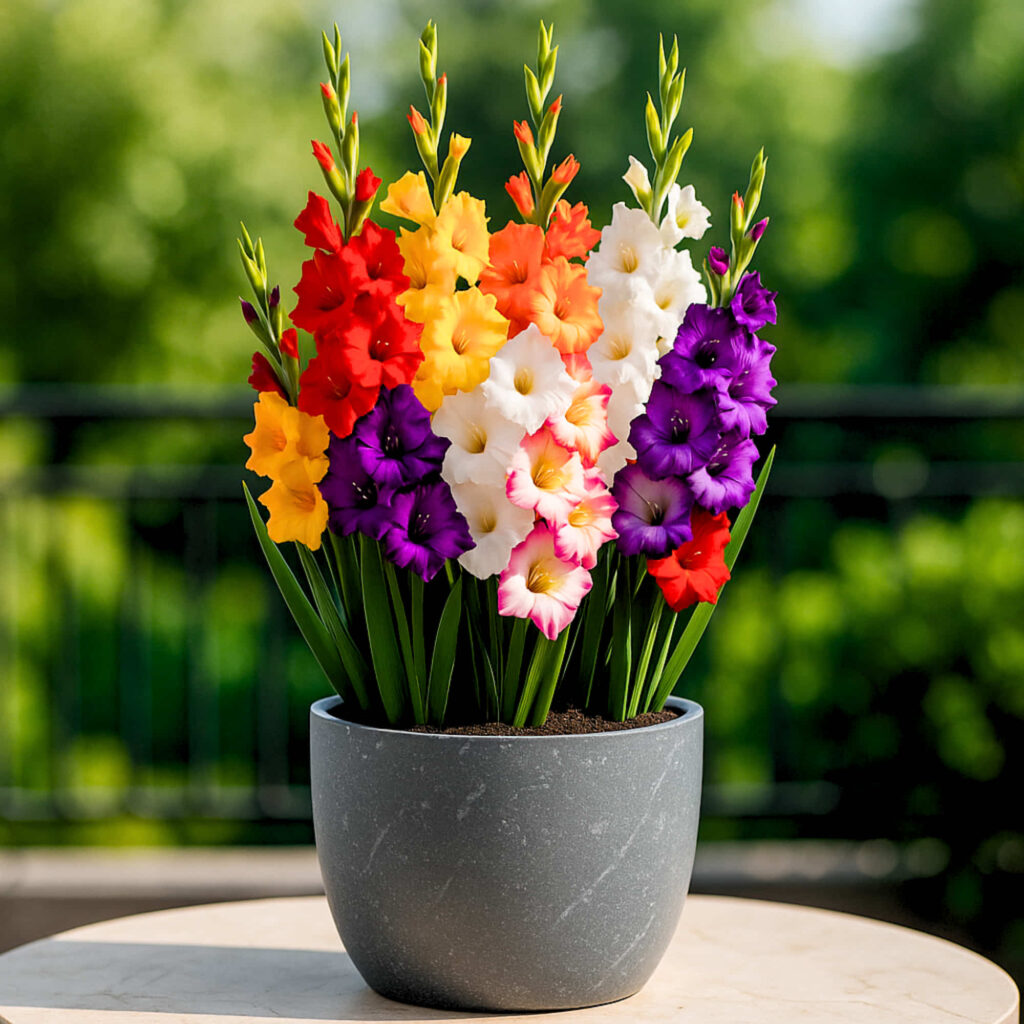
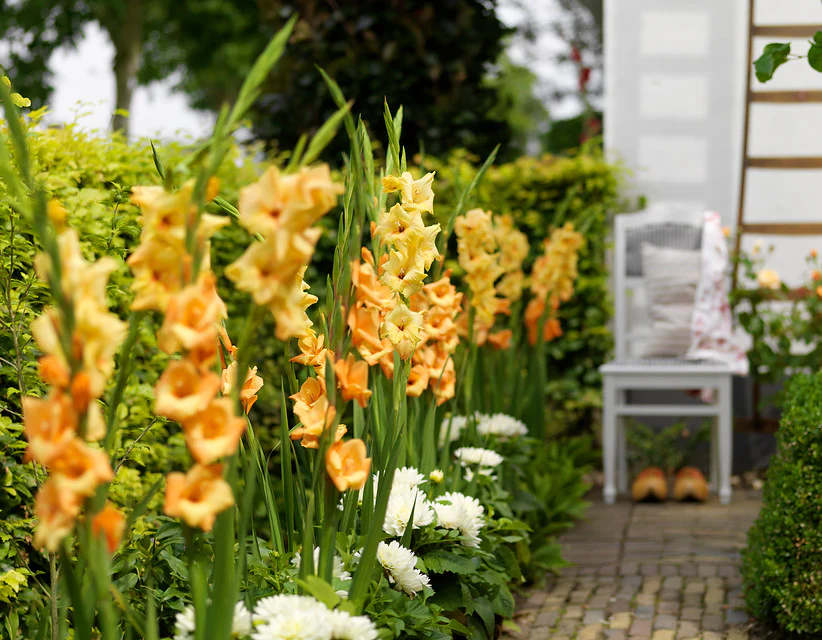
Gladiolus, often called the “sword lily,” is a spectacular flowering plant admired for its tall, elegant spikes and vibrant, trumpet-shaped blooms. These flowers are popular for gardens, floral arrangements, and special occasions, offering a wide range of colors from red, pink, and white to yellow and purple. Growing gladiolus from bulbs is not only fast and easy but also highly rewarding, making it a favorite among home gardeners.
This comprehensive guide will walk you through how to grow gladiolus from bulbs step-by-step, including soil preparation, planting techniques, care tips, and flowering strategies—ensuring a successful and vibrant bloom every season.
Why Grow Gladiolus from Bulbs?
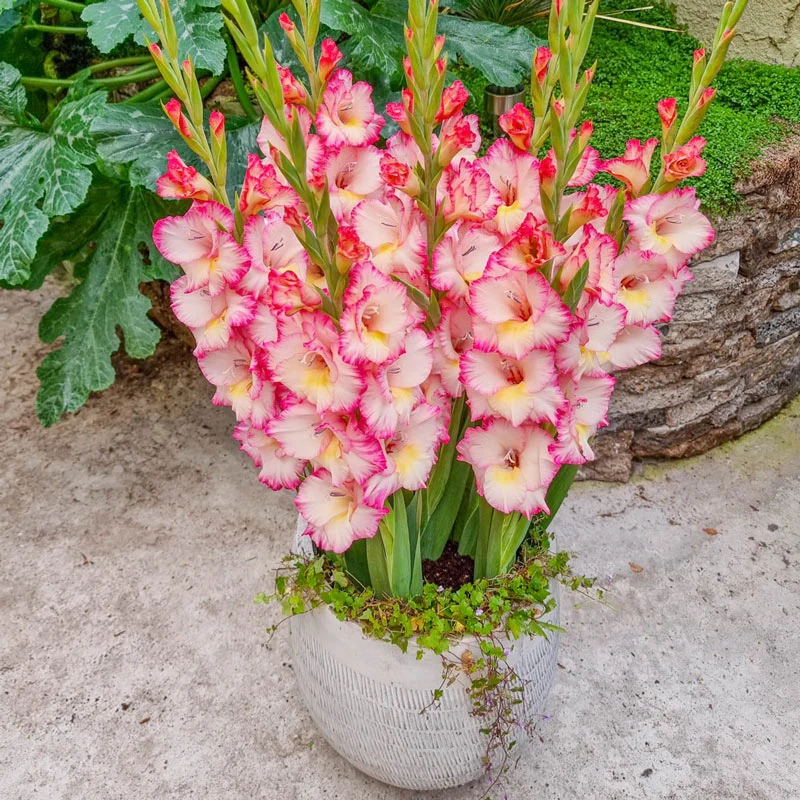
Growing gladiolus from bulbs offers several advantages:
- Faster Growth: Bulbs sprout quickly and bloom faster than seeds.
- Vibrant Blooms: Bulbs produce strong, colorful flowers that are perfect for gardens and cut arrangements.
- Easy Propagation: Bulbs are easy to handle and require minimal effort to plant.
- Long-Lasting: Properly cared-for bulbs can bloom year after year.
- Space Efficient: Suitable for pots, beds, borders, or flower arrangements.
Gladiolus bulbs provide gardeners with a simple and reliable way to enjoy stunning flowers throughout the season.
Materials Needed
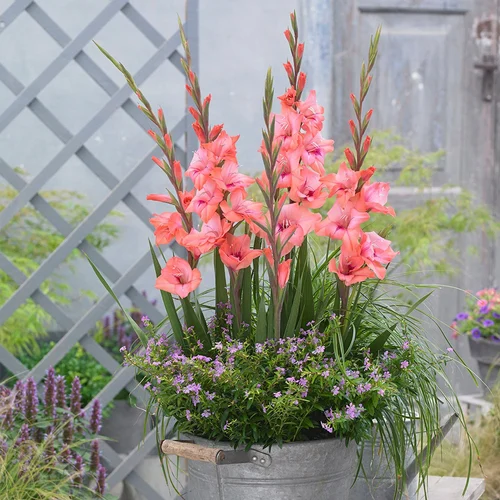
Before planting, gather the following materials:

- Healthy gladiolus bulbs (preferably firm and disease-free)
- Well-draining soil or garden bed
- Compost or organic fertilizer
- Garden trowel or small shovel
- Mulch (optional, for moisture retention)
- Watering can or hose with a gentle spray
Having all materials ready will make planting and growing your gladiolus bulbs quick and hassle-free.
Step 1: Choosing the Right Bulbs
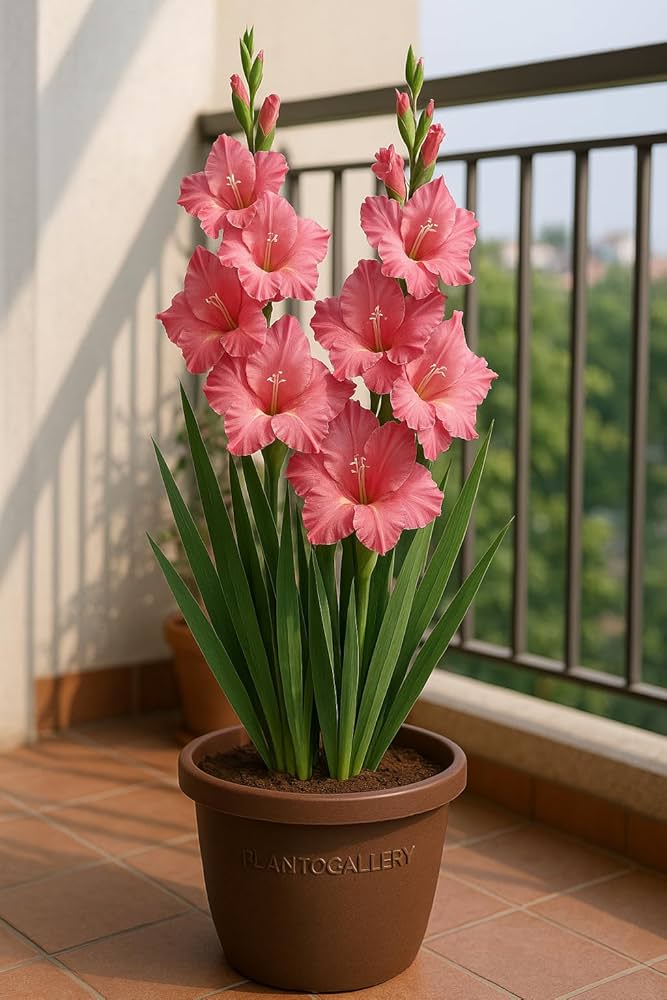
Selecting healthy bulbs is essential for strong growth and vibrant blooms:
- Firm and Plump: Avoid soft, shriveled, or damaged bulbs.
- Disease-Free: Check for mold, rot, or insect damage.
- Size Matters: Larger bulbs produce taller spikes and more flowers.
- Variety Selection: Choose colors and varieties suited for your garden or climate.
Healthy bulbs are the foundation of fast-growing, beautiful gladiolus plants.
Step 2: Preparing the Soil
Gladiolus thrives in well-draining, fertile soil:
- Soil Type: Sandy loam or loamy soil is ideal. Avoid heavy clay or waterlogged soil.
- pH Level: Neutral to slightly acidic soil (6.0–7.0) works best.
- Soil Preparation:
- Loosen the soil to a depth of 8–10 inches.
- Mix in compost or well-rotted organic matter to improve fertility and drainage.
- Optional Mulch: Apply mulch after planting to retain moisture and suppress weeds.
Well-prepared soil ensures rapid growth and strong root development for your bulbs.

Step 3: Planting Gladiolus Bulbs
Planting correctly is crucial for fast and healthy flowering:
- Depth: Plant bulbs 4–6 inches deep, with the pointed end facing up.
- Spacing: Leave 6–8 inches between bulbs to allow room for growth and airflow.
- Orientation: Pointed end should always face upward.
- Watering: Water lightly after planting to settle the soil around the bulbs.
Pro Tip: For continuous blooms, plant bulbs in staggered intervals every 2–3 weeks. This ensures flowers appear sequentially throughout the season.
Step 4: Watering and Care
Proper care ensures healthy growth and maximum flowering:
- Watering: Keep soil evenly moist during growth but avoid overwatering. Gladiolus bulbs rot in soggy soil.
- Mulching: Retain soil moisture and prevent weeds.
- Support: Tall varieties may need stakes to prevent the flower spikes from bending or breaking.
- Sunlight: Gladiolus thrives in full sun—at least 6–8 hours daily.
Consistent care results in strong spikes and vibrant blooms.
Step 5: Fertilization for Maximum Blooms
Feeding your gladiolus promotes taller stems and abundant flowers:

- Balanced Fertilizer: Apply a general-purpose fertilizer (NPK 10:10:10) when shoots appear.
- Bloom Booster: Once buds appear, use a high-phosphorus fertilizer (e.g., 10:30:10) to stimulate flowering.
- Frequency: Feed every 2–3 weeks during active growth.
Healthy fertilization ensures your gladiolus spikes are strong, and the flowers are large and colorful.
Step 6: Staking and Supporting
Many gladiolus varieties grow tall and need support:
- Stakes or Bamboo Canes: Insert stakes next to each plant as it grows.
- Tie Gently: Use soft twine or plant ties to support the spikes without damaging stems.
- Spacing: Ensure stakes do not crowd neighboring plants.
Proper support prevents bending or snapping during windy or rainy weather.
Step 7: Flowering and Deadheading
Caring for gladiolus flowers ensures prolonged bloom and plant health:
- Deadheading: Remove faded blooms to redirect energy to remaining flowers.
- Flower Care: Cut spikes for vases when buds are half-open for longer vase life.
- Continuous Bloom: Planting bulbs in succession ensures a steady display of flowers over weeks.
With careful flower management, your garden will remain vibrant throughout the season.

Step 8: Pest and Disease Management
Gladiolus plants can face some common issues:
- Aphids and Thrips: Spray with neem oil or insecticidal soap.
- Fungal Infections: Avoid overhead watering and ensure good airflow.
- Rotting Bulbs: Ensure well-draining soil and avoid overwatering.
- Cultural Care: Remove dead leaves and debris to prevent pests and disease.
Timely management prevents damage and ensures healthy blooms.
Step 9: Lifting and Storing Bulbs
In colder climates, gladiolus bulbs need to be lifted and stored during winter:
- Dig Carefully: Lift bulbs after foliage turns yellow.
- Drying: Allow bulbs to dry for a few days in a shaded, ventilated area.
- Storage: Store in paper bags or mesh baskets in a cool, dry place.
- Replanting: Plant in spring once the soil is warm.
Proper storage ensures your bulbs remain healthy for the next season.
Step 10: Tips for Fast and Easy Gladiolus Success
- Choose Healthy Bulbs: Larger, disease-free bulbs give faster and stronger blooms.
- Stagger Planting: Plant in intervals to enjoy continuous blooms.
- Well-Draining Soil: Prevents rot and supports root growth.
- Full Sun Exposure: Essential for tall spikes and vibrant flowers.
- Regular Fertilization: Supports growth and increases flower size and quantity.
By following these tips, even beginners can grow gladiolus fast, easy, and successfully.
Conclusion
Growing gladiolus from bulbs is simple, rewarding, and visually stunning. With proper selection, soil preparation, planting, and care, you can enjoy tall, vibrant flower spikes in your garden or home. Gladiolus bulbs are hardy, easy to handle, and perfect for continuous blooms with staggered planting.
Whether you want to create a colorful garden border, fill vases with elegant flowers, or grow in containers, this fast and easy method ensures success. By following this step-by-step guide, you can enjoy beautiful gladiolus flowers season after season with minimal effort.
Start planting today, and watch your garden come alive with the elegance and color of gladiolus flowers!