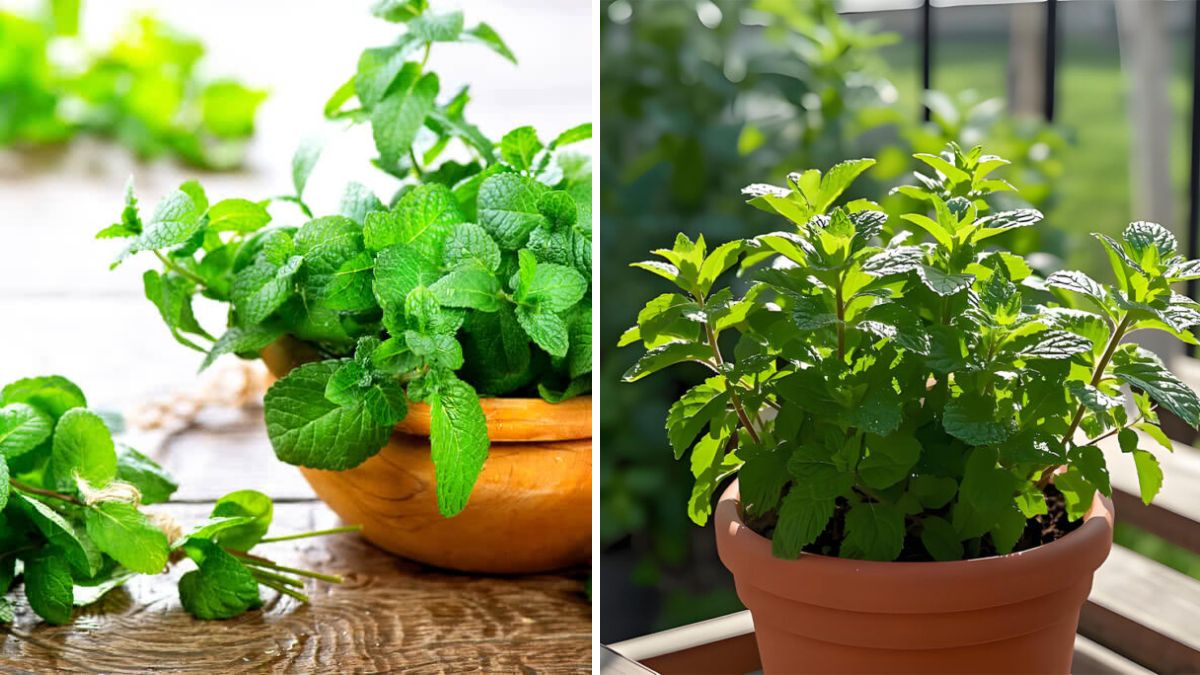
Mint is one of the most versatile and popular herbs to grow at home. Its refreshing aroma, vibrant green leaves, and culinary uses make it a kitchen favorite. But like any plant, mint can sometimes lose its vigor—leaves may yellow, stems may wilt, and growth may slow down. Don’t worry! With the right care, you can revive your mint quickly and easily. In this guide, we’ll show you step-by-step how to make your mint plant healthy again, so it thrives in your garden or balcony.
Why Your Mint May Be Unhealthy
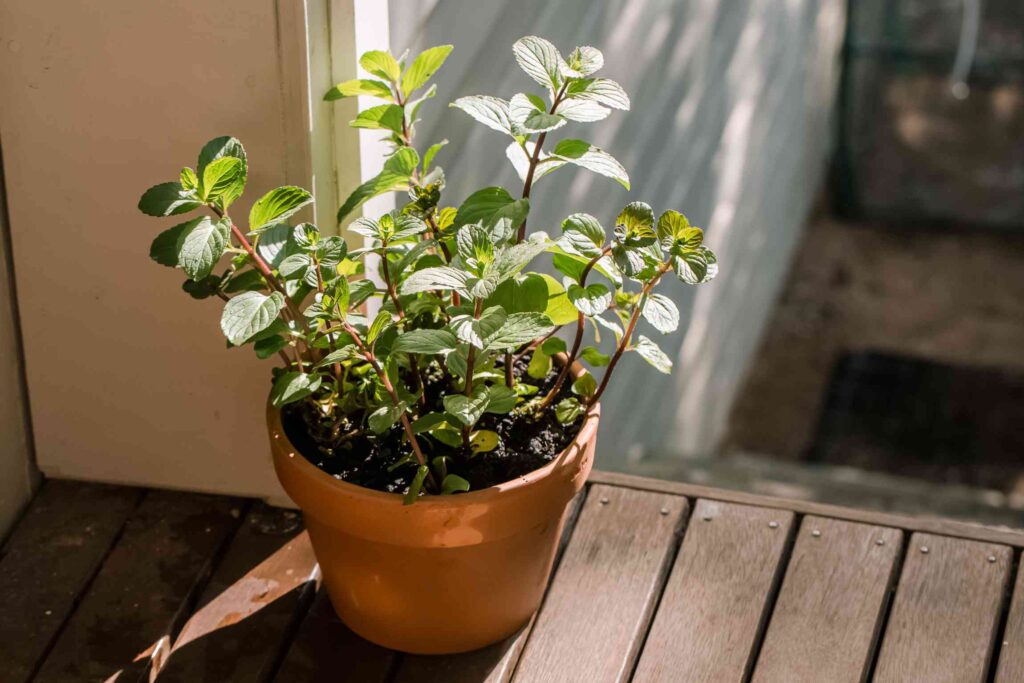
Before we dive into solutions, it’s important to understand why mint plants can become unhealthy:
- Overwatering or Poor Drainage: Mint doesn’t like soggy soil. Waterlogged roots can rot, causing leaves to yellow and wilt.
- Underwatering: On the other hand, dry soil can stress the plant, making it weak and slow-growing.
- Nutrient Deficiency: Lack of essential nutrients like nitrogen, phosphorus, and potassium can stunt growth and cause pale leaves.
- Pests and Diseases: Aphids, spider mites, and fungal infections can damage leaves and roots.
- Overcrowding: Mint spreads quickly, and crowded roots can reduce its vigor.
- Poor Sunlight: Mint prefers partial to full sunlight; too little light can weaken the plant.
By identifying the cause, you can target the right solution to bring your mint back to life.
Step 1: Assess Your Mint Plant
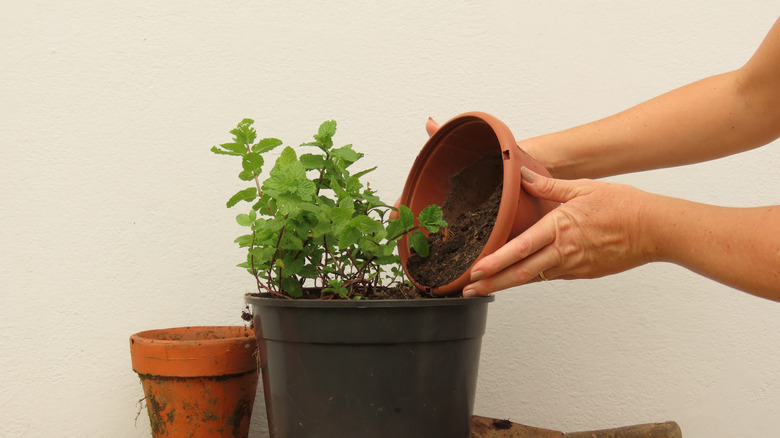
Start by examining your mint carefully:
- Check for yellow, brown, or wilted leaves.
- Look for pests like tiny insects, webs, or sticky residue.
- Inspect roots if possible; healthy roots are white and firm, while rotting roots are brown and mushy.
This step helps you understand the severity of the problem and choose the right revival techniques.

Step 2: Prune and Remove Damaged Parts
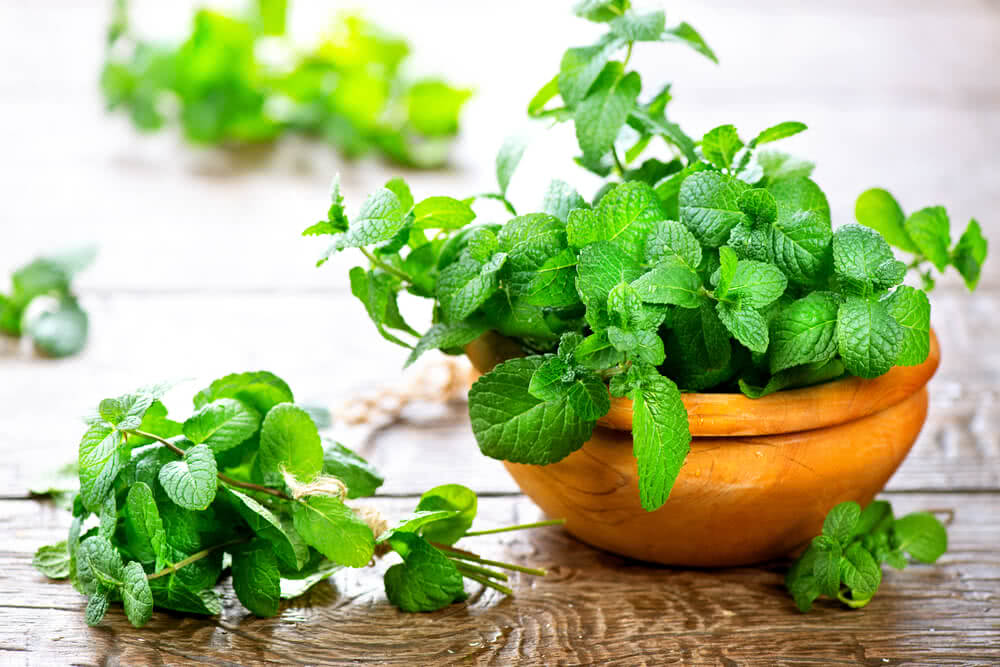
Pruning is a crucial first step to help your mint recover:
- Cut off yellow, brown, or wilted leaves.
- Trim weak or leggy stems to encourage new growth.
- Remove any dead roots if you are repotting.
Pruning allows the plant to redirect energy to healthy stems and leaves, promoting vigorous regrowth.
Step 3: Repotting for a Fresh Start
Sometimes, the soil or pot may be the problem:
- Choose a clean pot with good drainage holes.
- Use fresh, nutrient-rich soil—preferably a mix of garden soil, compost, and sand for drainage.
- Gently loosen the roots of your mint and plant it in the new soil.
- Water lightly to help the plant settle.
Tip: Repotting rejuvenates the plant and reduces the risk of root rot, especially if the old soil was compacted or waterlogged.
Step 4: Correct Watering Practices
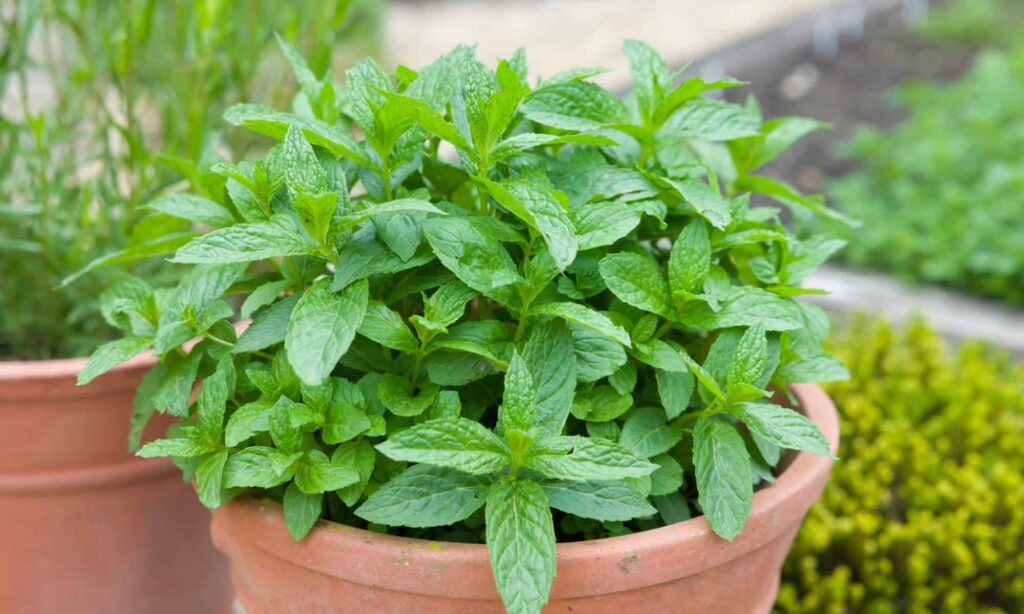
Mint thrives on consistent moisture but doesn’t like soggy roots:
- Water the plant when the top inch of soil feels dry.
- Ensure water drains freely from the pot to avoid root rot.
- During hot weather, water more frequently but avoid puddles.
Pro tip: Mulching around the base of the plant can help retain moisture and keep roots cool.
Step 5: Provide Adequate Sunlight
Mint grows best in partial to full sunlight, ideally 4–6 hours per day:
- Indoors: Place the pot near a sunny window.
- Outdoors: Ensure it’s in a spot that gets morning sunlight and afternoon shade.
Sunlight improves photosynthesis, strengthens stems, and enhances the aroma and flavor of the leaves.
Step 6: Fertilize for Fast Recovery
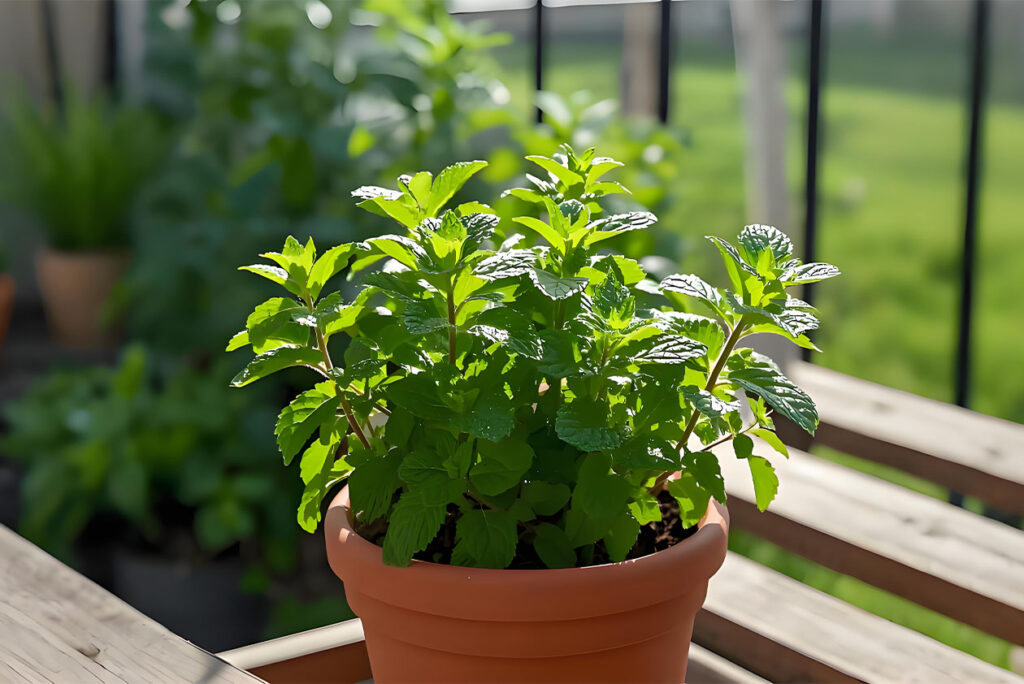
Healthy soil is essential for a thriving mint plant. Use organic fertilizers to promote growth:
- Nitrogen-rich fertilizer: Encourages leafy growth. Compost or liquid organic fertilizers work well.
- Balanced fertilizer: A small dose of NPK (10-10-10) every 3–4 weeks can revive struggling plants.
- Homemade options: Diluted fish emulsion or compost tea provides natural nutrients.
Tip: Avoid over-fertilizing, as excess nitrogen can cause weak, leggy growth.
Step 7: Control Pests and Diseases Naturally
Pests and diseases can slow recovery or kill your mint if ignored:
- Aphids: Spray a mixture of water and a few drops of neem oil.
- Spider mites: Use a gentle spray of water to remove webs and insects.
- Fungal infections: Ensure proper spacing, good airflow, and avoid overhead watering. Remove infected leaves promptly.
Regular inspection helps detect problems early, allowing your mint to recover faster.
Step 8: Encourage New Growth
Once your mint is pruned, repotted, and watered correctly, it’s time to stimulate growth:
- Pinch back the tips of stems regularly. This encourages branching and fuller foliage.
- Harvest leaves frequently—this may seem counterintuitive, but it promotes new growth and prevents the plant from becoming leggy.
- Keep the plant in consistent conditions—avoid sudden changes in sunlight, temperature, or watering.
Tip: Healthy mint grows quickly, often producing new leaves within a week or two after care adjustments.
Step 9: Maintain Long-Term Health
After reviving your mint, maintain its health for continuous growth:
- Prune regularly to prevent overgrowth and maintain shape.
- Replenish soil nutrients every few months with compost or organic fertilizer.
- Control spreading: Mint can become invasive; plant it in pots or contained areas.
- Rotate indoor plants occasionally for even sunlight exposure.
Healthy mint can last for years with proper care, giving you a continuous supply of fresh, aromatic leaves.
Extra Tips for a Lush Mint Plant
- Propagation: Mint roots easily from cuttings—trim a healthy stem and plant in soil or water to grow a new plant.
- Companion planting: Plant mint near tomatoes or cabbage to repel pests naturally.
- Winter care: Reduce watering and keep the plant in a slightly cooler but sunny spot during dormant months.
- Aromatherapy boost: Crushing a few leaves near the plant can stimulate growth by enhancing plant aroma.
Conclusion
Reviving a struggling mint plant is simpler than it seems. By identifying the problem, pruning damaged parts, improving soil and watering practices, providing sunlight, and using natural fertilizers, you can bring your mint back to life quickly. Healthy mint not only brightens your garden or balcony but also adds fresh flavor to your cooking, teas, and drinks.
With patience, attention, and consistent care, your mint plant will soon flourish with lush green leaves, aromatic stems, and vigorous growth. Fast, easy, and rewarding—reviving your mint is an experience every gardener can enjoy.
Start today, follow these steps, and watch your mint plant transform from weak and droopy to vibrant and healthy—ready to enhance every meal and refresh your space with its wonderful aroma!