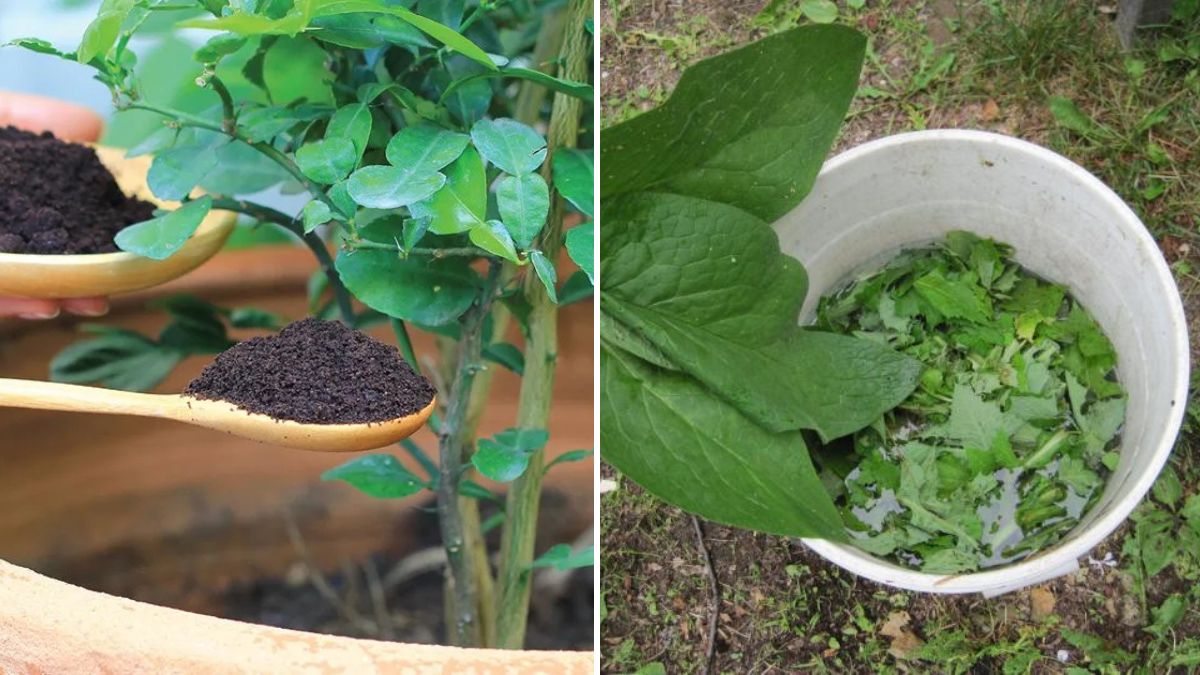
A healthy, thriving garden doesn’t require expensive chemical fertilizers or synthetic products. In fact, nature offers some of the most effective plant nutrients—many of which you can make at home using simple, eco-friendly ingredients. These natural fertilizers not only nourish your plants but also improve soil health, reduce waste, and protect the environment from chemical runoff.
Whether you’re a beginner gardener or someone looking to switch to greener gardening methods, this guide will introduce you to five powerful, eco-friendly fertilizers that deliver impressive results. Each option is safe, natural, budget-friendly, and easy to use—all while helping you build healthier soil and stronger plants.
Why Choose Eco-Friendly Fertilizers?
Before diving into the list, it helps to understand why natural fertilization is better for your plants, soil, and the planet.
Benefits of Eco-Friendly Fertilizers
- Safe for the environment – No harsh chemicals or toxins.
- Improve soil structure – Add organic matter, enhance aeration, and support microorganisms.
- Low-cost or free – Most homemade fertilizers use everyday kitchen waste.
- Reduce landfill waste – Reuse scraps that would otherwise be thrown away.
- Long-lasting impact – Release nutrients slowly, leading to healthier long-term growth.
- Safe for pets, pollinators, and children – No harmful residues left behind.
Now, let’s explore five natural fertilizers that can work wonders in your garden.
1. Compost: The Ultimate Soil Superfood
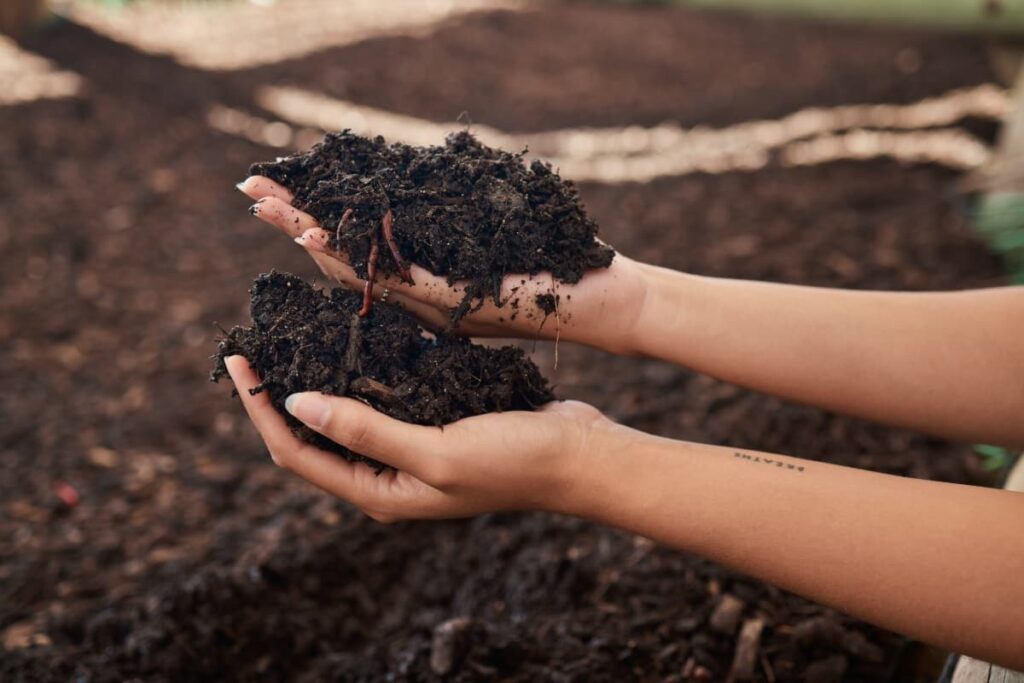
If there’s one eco-friendly fertilizer every gardener should rely on, it’s compost. Rich in nutrients and beneficial microorganisms, compost is often called “black gold” for its ability to transform soil and dramatically boost plant growth.

Why Compost Works So Well
- Adds organic matter that improves soil structure
- Enhances water retention in sandy soils
- Increases drainage in clay soils
- Feeds beneficial microorganisms
- Provides a balanced mix of nutrients
Whether you make compost at home or collect natural compost from fallen leaves, it is one of the most sustainable ways to enrich your garden.
How to Use Compost
- Mix it into the top 6–8 inches of garden soil.
- Add a handful when transplanting seedlings.
- Apply as a mulch layer around plants.
- Brew into compost tea for liquid feeding.
How to Make Simple Home Compost
All you need is:
- Kitchen scraps (vegetable peels, fruit waste, coffee grounds, tea leaves)
- Dry carbon-rich materials (dried leaves, paper, cardboard)
- A container with ventilation
Within 6–8 weeks, you’ll have nutrient-rich compost to feed your plants naturally.
2. Banana Peel Fertilizer: A Potassium Boost for Blooming Plants
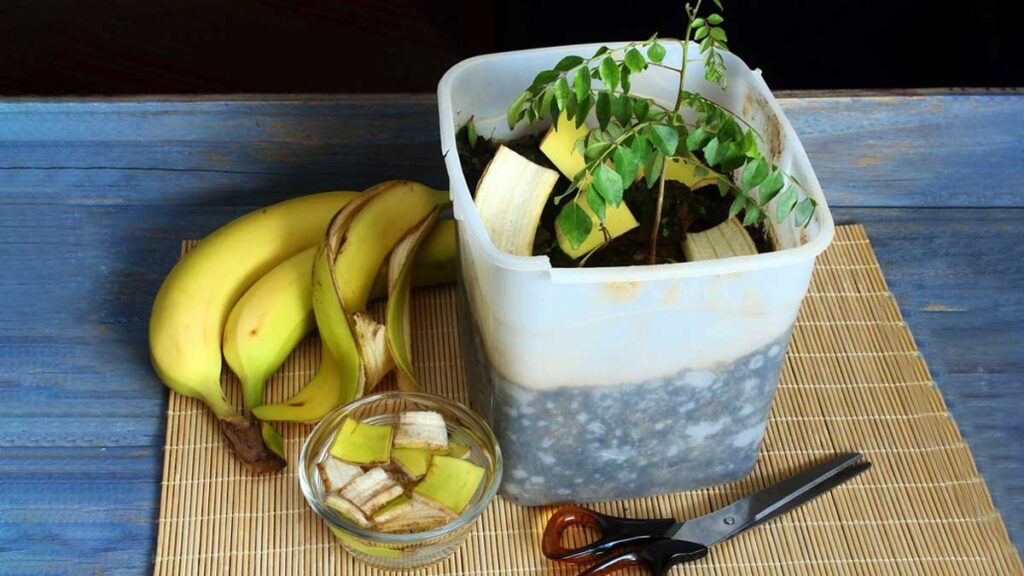
Banana peels are one of the easiest and most powerful eco-friendly fertilizers you can use. They’re rich in:
- Potassium – Strengthens stems and boosts flowering
- Phosphorus – Supports root growth
- Calcium and magnesium – Improve overall plant health
This homemade fertilizer is especially great for roses, tomatoes, peppers, pothos, hibiscus, and other blooming plants.
Ways to Use Banana Peels
1. Banana Peel Water
- Soak banana peels in a jar of water for 2–3 days.
- Strain and dilute the liquid (1:2 ratio).
- Water your plants once every 10–14 days.
2. Banana Peel Powder
- Sun-dry or oven-dry peels until crisp.
- Grind into fine powder.
- Sprinkle one teaspoon into soil during planting.
3. Chop-and-Drop Method
- Cut peels into small pieces.
- Mix into potting soil or bury near plant roots.
Banana peel fertilizer increases flowering, promotes bigger fruits, and enhances nutrient uptake—all naturally and at zero cost.
3. Eggshell Fertilizer: A Natural Source of Calcium
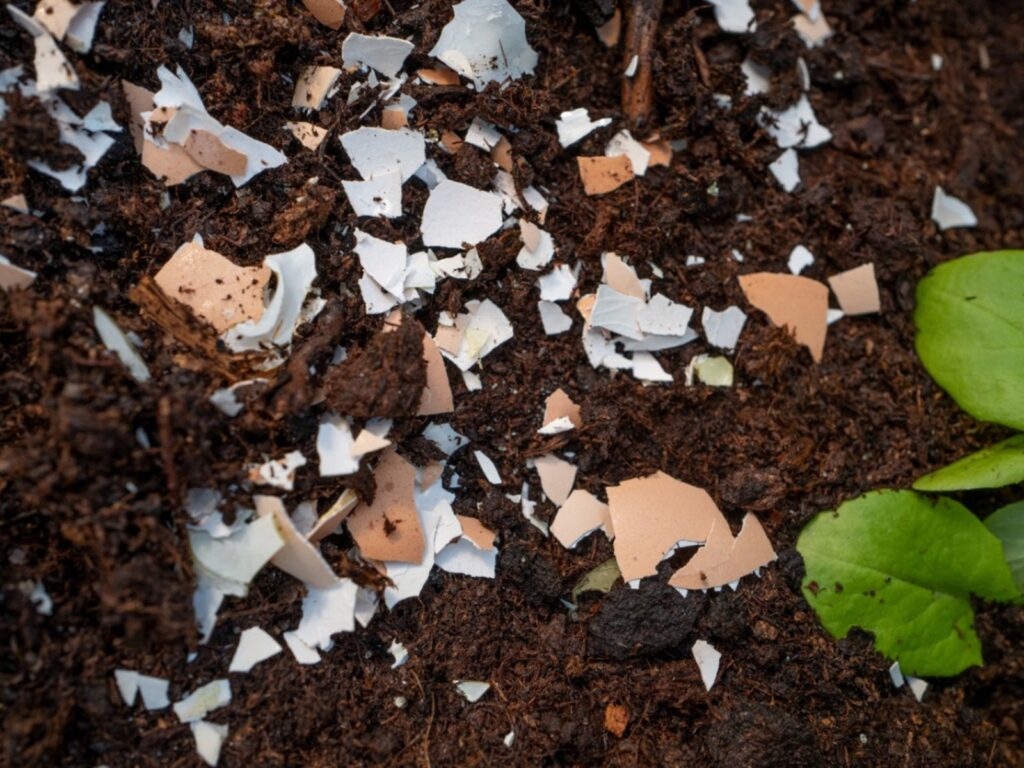
If your plants show signs of yellowing leaves, blossom end rot, or weak stems, they may need a calcium boost. Eggshells are a perfect eco-friendly solution.
Why Eggshells Are Beneficial
Eggshells contain:
- 95% calcium carbonate
- Trace minerals such as potassium and magnesium
Calcium is vital for:
- Strong cell structure
- Better root development
- Healthy fruit formation
How to Use Eggshells in Your Garden
1. Eggshell Powder
- Wash shells thoroughly.
- Let them dry completely.
- Crush or grind into fine powder.
- Add one tablespoon to each pot monthly.
2. Eggshell Water
- Boil shells in water for 10 minutes.
- Let cool, strain, and use to water plants.
3. Shells as Pest Deterrent
Crushed eggshells scattered around the base of plants help deter:

- Slugs
- Snails
- Caterpillars
This fertilizer is especially helpful for tomatoes, chilies, peppers, eggplants, and flowering plants.
4. Coffee Grounds: A Nitrogen-Rich Powerhouse
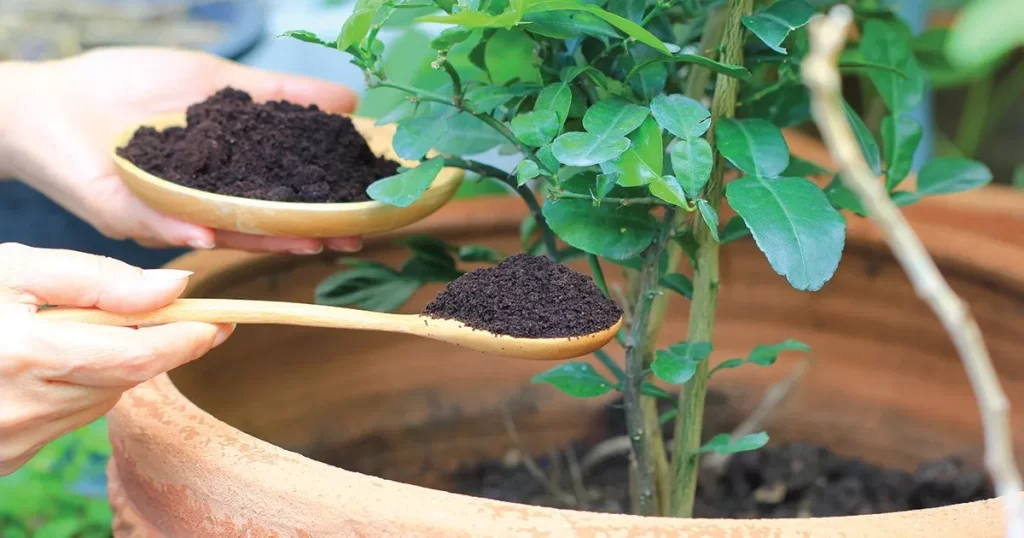
Used coffee grounds may seem like waste, but they’re actually an excellent eco-friendly fertilizer full of nutrients like:
- Nitrogen
- Potassium
- Phosphorus
- Micronutrients
Coffee grounds also improve soil texture and boost microbial activity.
Benefits of Coffee Grounds
- Enhance leafy growth
- Improve soil aeration
- Help maintain slight acidity—ideal for acid-loving plants
- Attract beneficial earthworms
- Repel certain pests
How to Use Coffee Grounds
1. Direct Application
Sprinkle a thin layer on top of soil, but avoid piling it up to prevent mold.
2. Composting
Add grounds to compost bins to increase nitrogen content.

3. Coffee Ground Tea
- Soak grounds in water overnight.
- Dilute and use as liquid fertilizer.
Best Plants for Coffee Grounds
- Azalea
- Hydrangea
- Rose
- Blueberry
- Ferns
- Tomatoes
- Spinach
This nutrient-rich fertilizer is especially good for promoting leafy, lush growth.
5. Grass Clipping Tea: A Free, Fast-Acting Liquid Fertilizer
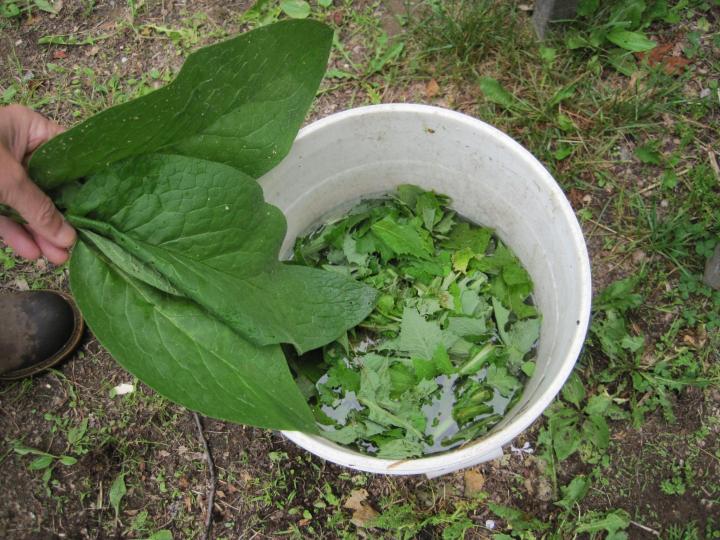
If you have access to fresh grass clippings from mowing, you have an incredible natural fertilizer at your disposal.
Grass clippings contain:
- Nitrogen (high levels)
- Potassium
- Phosphorus
- Essential micronutrients
When turned into a “tea,” they create a nutrient-rich liquid fertilizer similar to compost tea—only faster.
How to Make Grass Clipping Tea
- Fill a bucket with fresh grass.
- Add water until fully submerged.
- Cover loosely and let steep for 3–5 days.
- Strain and dilute the mixture (1:5 ratio).
- Use to water plants once every two weeks.
Benefits of Grass Tea
- Promotes rapid vegetative growth
- Strengthens plant cells
- Improves soil microbial activity
- Adds organic nutrients directly to roots
Best Plants for Grass Tea
- Leafy greens
- Herbs
- Fast-growing vegetables (okra, cucumbers, beans)
- Lawns and ornamental plants
This fertilizer is easy, free, and very effective for boosting growth naturally.

Final Thoughts: Natural Fertilizers Can Transform Your Garden
Switching to eco-friendly fertilizers is one of the best decisions you can make—for your garden’s health, the environment, and your wallet. Each natural fertilizer discussed here is:
- Safe
- Inexpensive
- Easy to make
- Highly effective
Whether you compost kitchen scraps, brew banana peel water, sprinkle eggshell powder, or use coffee grounds and grass teas, these natural solutions build healthier soil and support long-term plant growth.
Gardening becomes more rewarding when you know you’re nurturing nature in the most sustainable way possible.