If you’ve ever wanted to grow your own food or enjoy lush greenery but worry about waste, limited space, or environmental impact, a zero-waste balcony garden might be exactly what you need. This style of gardening focuses on reusing, recycling, composting, and making the most of your resources while still producing a thriving, beautiful mini-garden.
Whether you live in an apartment, a small house, or simply want to reduce your ecological footprint, starting a zero-waste balcony garden is easier than you think. This 1200-word guide walks you through the principles, setups, DIY ideas, and practical tips to help you build your own sustainable balcony oasis—right from scratch.
What Is a Zero-Waste Balcony Garden?
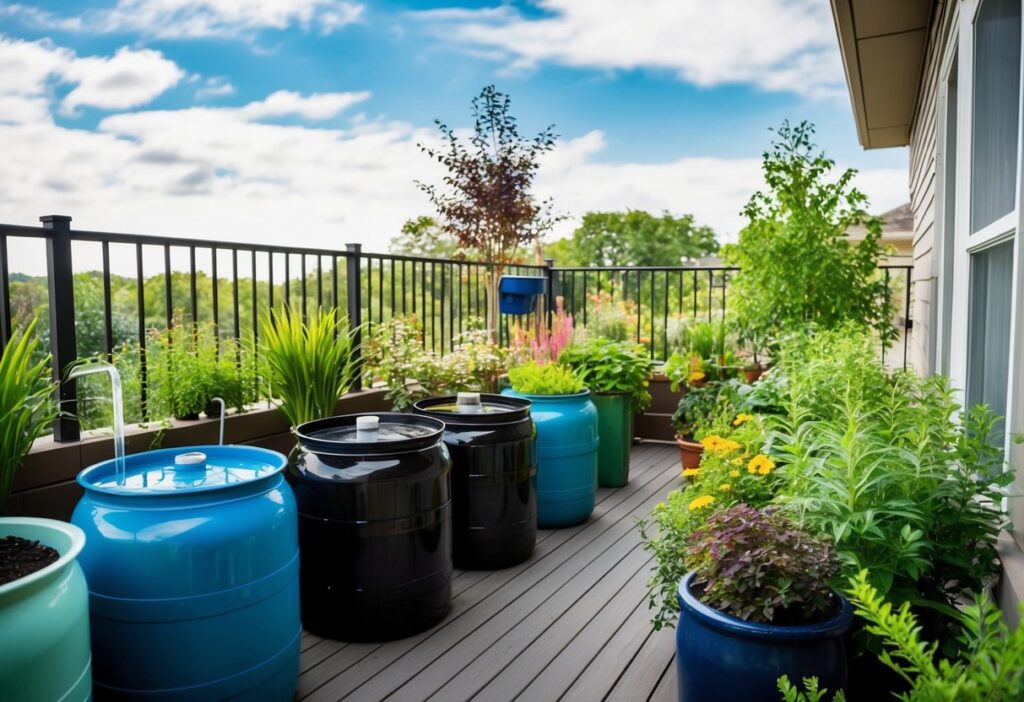
A zero-waste balcony garden is designed to minimize waste by reusing containers, composting organic scraps, reducing water waste, and using natural products instead of chemicals. Every element—pots, soil, fertilizer, water, and even plant choices—is selected with sustainability in mind. Instead of buying new materials, you repurpose what you already have.
This not only saves money, but it also reduces landfill waste and lowers your garden’s environmental impact. Plus, it gives your balcony a creative, eco-friendly, and personal touch.
1. Start With Reused or Upcycled Containers
You don’t need fancy pots to begin your zero-waste journey. Your home is full of items that can turn into plant containers with little to no effort.
Great Reusable Pot Ideas
- Tin cans — Perfect for herbs and small flowers; just poke a few drainage holes.
- Plastic bottles — Cut them in half to create mini planters or self-watering pots.
- Old buckets and paint cans — Sturdy and spacious for vegetables or ornamentals.
- Worn-out kitchen strainers — Already ventilated, making excellent planters for trailing plants.
- Broken ceramic cups or bowls — Lovely for succulents.
Why Upcycled Containers Work
Reusing containers reduces plastic waste and gives discarded items new purpose. You also avoid buying new pots, making your balcony garden both economical and eco-friendly.

2. Choose Low-Waste, High-Yield Plants
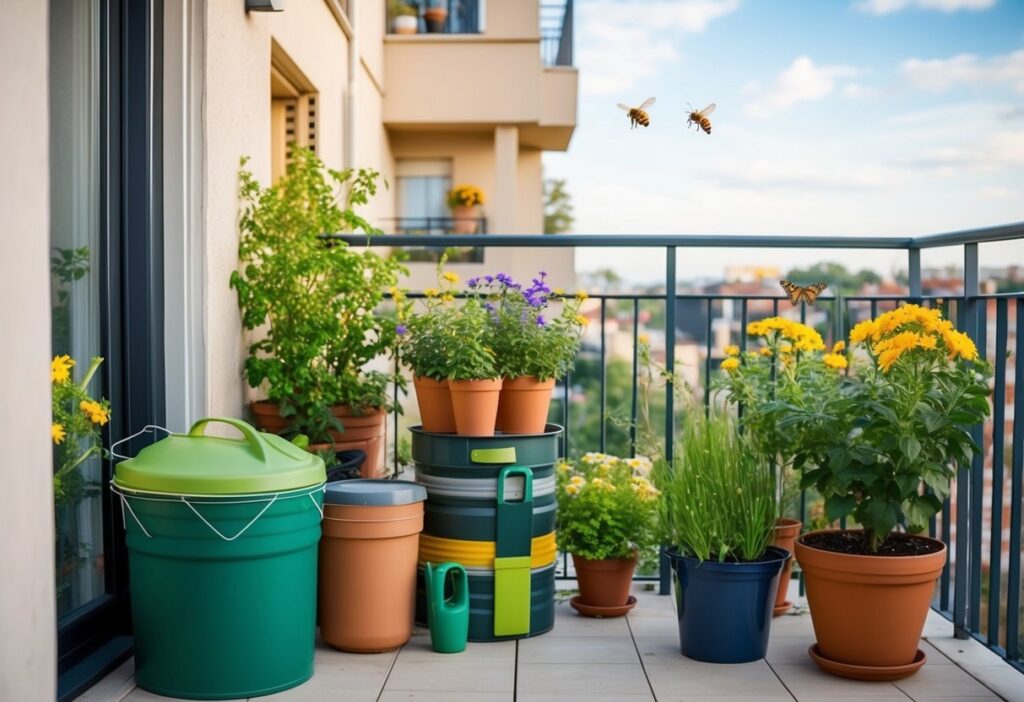
Not all plants are equal when it comes to sustainability. Some plants grow quickly, produce abundantly, and regenerate easily, allowing you to harvest without replanting.
Best Plants for a Zero-Waste Balcony Garden
- Herbs like mint, basil, coriander, parsley, and oregano
- Leafy greens such as spinach, kale, lettuce, and amaranth
- Tomatoes and chilies which thrive in containers and give continuous harvests
- Root vegetables like radish, carrots, and beetroot
- Perennials such as aloe vera, lemongrass, rosemary, and curry leaf
These plants require minimal resources and offer high yields with proper care. Many of them also grow from kitchen scraps, making them perfect for a zero-waste lifestyle.
3. Make Your Own Potting Mix Without Buying Soil
Instead of purchasing fertilizer bags or potting mix, you can create rich, nutrient-filled soil at home using a few simple ingredients.
Homemade Soil Mix Recipe
Combine:
- 40% compost (made from kitchen scraps)
- 40% cocopeat or dried leaf mulch
- 20% sand for drainage
This lightweight, well-aerated mix works beautifully for most balcony plants and costs almost nothing.
Why Homemade Soil Is Zero-Waste
You replace synthetic fertilizers with organic matter and give new life to kitchen scraps and dried leaves. Over time, your soil becomes richer and healthier, reducing the need for store-bought amendments.
4. Compost Your Kitchen Waste—Even on a Balcony
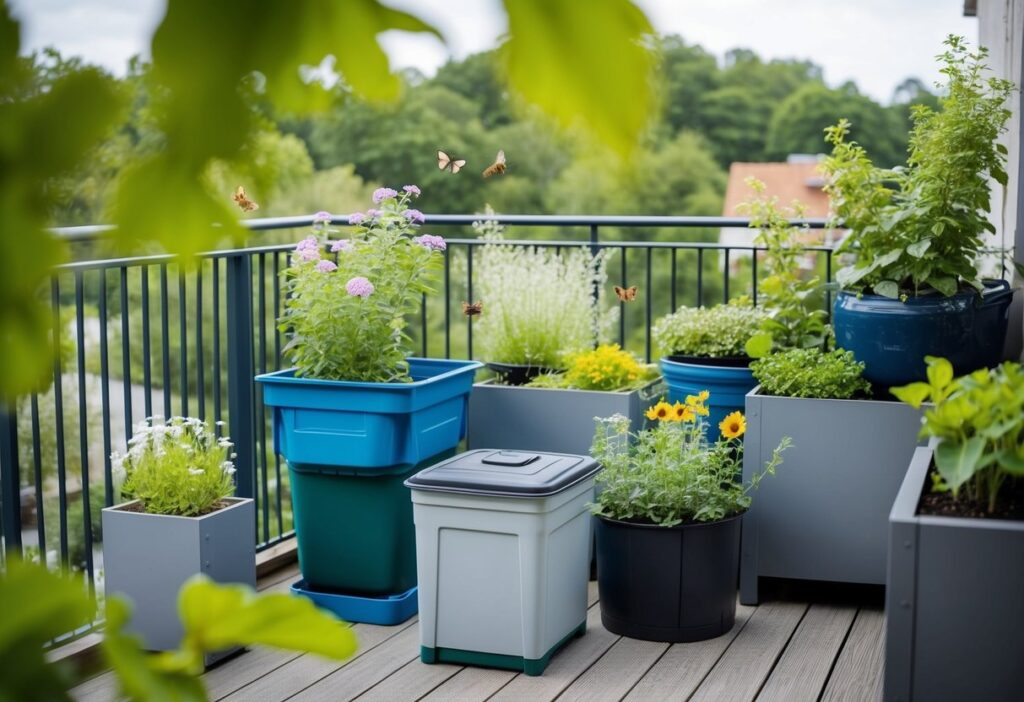
Composting is the heart of zero-waste gardening. Even if you have limited space, you can make compost easily using small bins, buckets, or clay pots.
Simple Balcony Composting Method
- Use a bucket or terracotta pot with holes for aeration.
- Add dry matter—shredded paper, dried leaves, sawdust.
- Add wet waste—vegetable peels, fruit scraps, tea leaves, used coffee grounds, eggshells.
- Maintain a balance: 60% dry waste + 40% wet waste.
- Keep turning the pile every few days.
- Compost will be ready in 6–8 weeks.
Zero-Waste Benefits
Composting diverts waste from landfills, reduces methane emissions, and gives you free fertilizer to feed your balcony plants.
5. Use Greywater to Reduce Water Waste
Water conservation is a major part of zero-waste gardening. Instead of using fresh tap water daily, you can recycle household greywater—water from washing vegetables, unused drinking water, or cleaning rice and pulses.
Safe Ways to Use Greywater for Plants
- Use only mild, unsalted, and soap-free water.
- Water your plants immediately after collecting the liquid.
- Avoid using water that contains oil or harsh detergents.
- Filter the water through a cloth to remove solids.
Bonus Tip
Store rainwater during monsoons to reduce your water needs even further.
6. Propagate Plants Instead of Buying New Ones
Zero-waste gardening encourages you to multiply your plants through cuttings, seeds, and division rather than buying new ones.
Easy Plants to Propagate
- Pothos
- Money plant
- Snake plant
- Mint and basil
- Rose
- Succulents
- Ajwain (oregano)
Propagation reduces cost, eliminates plastic waste from nursery pots, and helps you grow a bigger garden with minimal resources.

7. Make Natural Fertilizers from Kitchen Scraps
Instead of chemical fertilizers, nourish your plants using household waste products.
Popular DIY Natural Fertilizers
- Banana peel fertilizer for potassium
- Rice water for micronutrients
- Eggshell powder for calcium
- Diluted coffee grounds for nitrogen
- Vegetable scrap fermented water for overall growth
These fertilizers are gentle, free, and much safer for your soil’s long-term health.
8. Use Natural Pest Control Methods
Avoid synthetic pesticides and go for chemical-free solutions instead.
Eco-Friendly Pest Control Options
- Soap water spray for aphids
- Neem oil for mites and fungal issues
- Garlic-ginger-chili spray for pests
- Turmeric powder around soil to repel ants
- Coffee grounds to deter snails
Using natural pest control aligns perfectly with the zero-waste lifestyle and keeps your produce chemical-free.
9. Reuse Old Household Items as Garden Tools
You don’t need new gardening accessories. With creativity, many household items become useful garden tools.
Ideas for DIY Tools
- Old spoon → soil scoop
- Toothpicks → seed spacers
- Plastic trays → drip trays
- Cloth bags → grow bags
- Broken mugs → succulent planters
- Jars → mini greenhouses
This helps reduce plastic consumption and encourages sustainable living.

10. Grow Vertically to Maximize Space
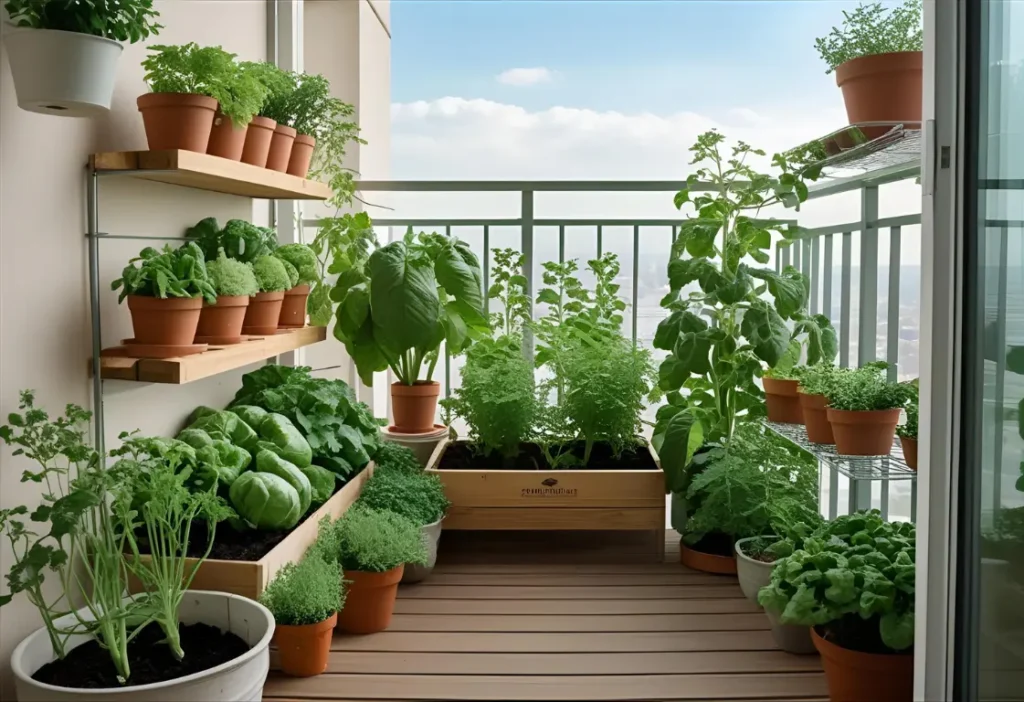
Most balconies have limited floor area, but vertical gardening lets you grow more using less space.
Vertical Options
- Wall-mounted planters
- Hanging baskets
- Ladder shelves
- Recycled shoe organizers
- DIY plastic-bottle towers
Vertical gardening is perfect for herbs, leafy vegetables, strawberries, and decorative plants.
Final Thoughts: Build a Greener Future from Your Balcony
Starting a zero-waste balcony garden is more than a hobby—it’s a sustainable lifestyle choice. By reducing waste, recycling materials, saving water, and growing your own food, you contribute to a healthier planet while enjoying the beauty and freshness of plants every day.
What’s even better? You don’t need a big space, fancy tools, or expensive materials. Everything can be created from what you already have at home.
With patience, creativity, and consistency, your balcony can transform into a thriving green ecosystem that produces herbs, vegetables, and joy—all with zero waste.
If you’d like, I can create a downloadable checklist or a step-by-step beginner plan next!