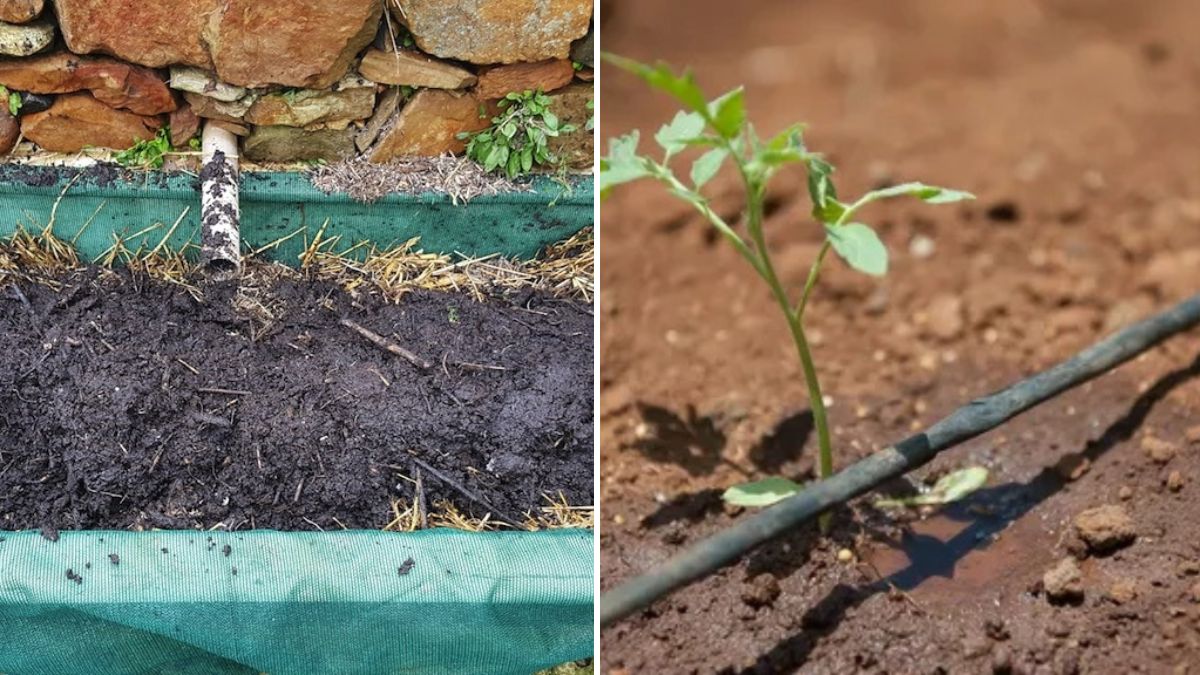
Water is one of our most precious resources, yet we use—and waste—more of it than we realize. Every time we wash vegetables, rinse dishes, or take a shower, gallons of water flow down the drain. But what if you could capture some of that water and reuse it to keep your garden thriving? This is where greywater comes in.
Greywater is lightly used water from sinks, showers, bathtubs, and laundry (excluding toilet and kitchen wastewater that contains grease and harmful pathogens). With the right methods, you can reuse greywater safely in your garden, reduce your water bill, and adopt a more sustainable lifestyle.
In this 1200-word guide, we’ll explore five creative and practical ways to reuse greywater in gardening, along with safety tips, do’s and don’ts, and ideas suited for homes of all sizes.
What Exactly Is Greywater?
Greywater refers to wastewater that doesn’t contain fecal matter or harmful contaminants. It includes:
- Water from handwashing
- Laundry rinse water
- Bath and shower water
- Water used to wash fruits and vegetables
- Water used in mopping floors
This type of water still contains useful nutrients like nitrogen and phosphorus, which can be beneficial for plants when used properly.
Not Greywater:
Kitchen sink water, dishwasher water, and toilet wastewater—these are “blackwater” and should never be used in gardening without specialized treatment.

Why Reuse Greywater?
Reusing greywater offers several benefits:
1. Reduces Freshwater Consumption
Garden irrigation typically consumes large amounts of potable water. Greywater helps cut this down significantly.
2. Saves Money
Reusing household wastewater lowers your monthly water bill, especially in hot climates or during dry seasons.
3. Eco-friendly and Sustainable
Reusing greywater reduces the load on sewage systems and helps recycle nutrients back into the soil.
4. Helps Plants Grow Better
Greywater often contains small traces of soap and organic matter that, in reasonable amounts, can act as mild fertilizers.
Now, let’s explore five creative ways to reuse greywater to improve your garden and reduce waste.

1. Greywater Drip Irrigation System
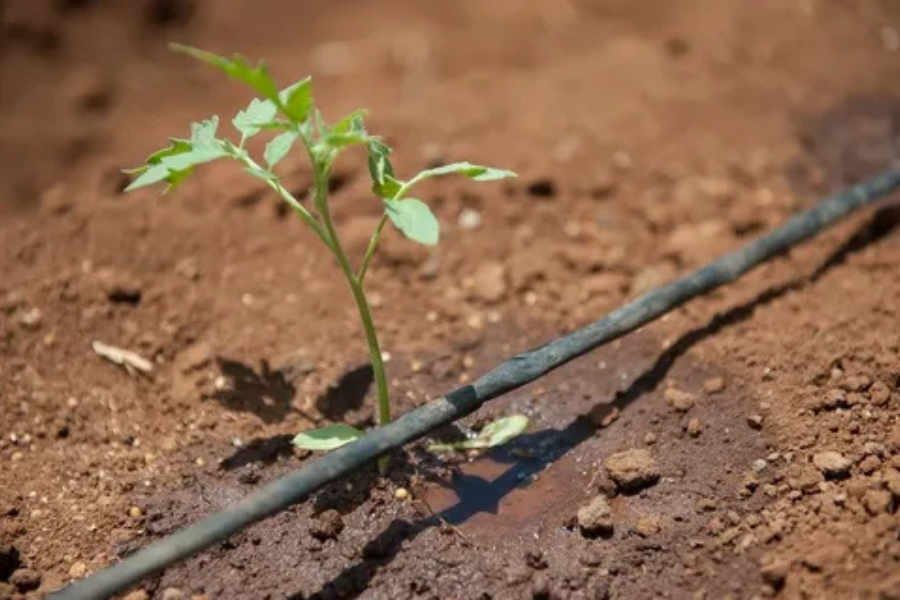
A simple greywater drip irrigation system can deliver recycled water directly to your plants’ roots—where they need it most.
How It Works
- Collect greywater from your bathroom sink, shower, or washing machine.
- Channel it through a filter (even a simple mesh screen).
- Connect the outflow to a drip hose that runs through your garden beds.
Benefits
- Saves time and water
- Ensures deep watering
- Prevents runoff
- Keeps foliage dry, reducing fungal diseases
Best For:
Vegetables, shrubs, raised beds, and fruit trees.
Tip: Use unscented, biodegradable soaps if your greywater comes from showers or laundry.
2. Bucket and Basin Collection (Low-Cost Method)
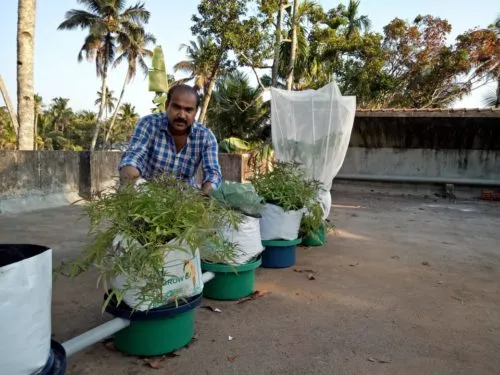
If you want a beginner-friendly, cost-free method to reuse greywater, nothing beats the traditional bucket method.
Simple Ways to Collect Greywater
- Place a bucket in the shower while waiting for water to warm.
- Rinse vegetables in a basin instead of under running water.
- Use the water used for washing rice or lentils.
- Collect final rinse water from laundry.
How to Use It in the Garden
- Directly pour greywater around the base of plants.
- Use it for watering compost piles.
- Use it to moisten soil before planting seeds.
Advantages
- No installation needed
- Helps you reuse water daily
- Great for balconies and small urban gardens
This method is extremely effective for those who want to start immediately without spending money.
3. Laundry-to-Landscape System
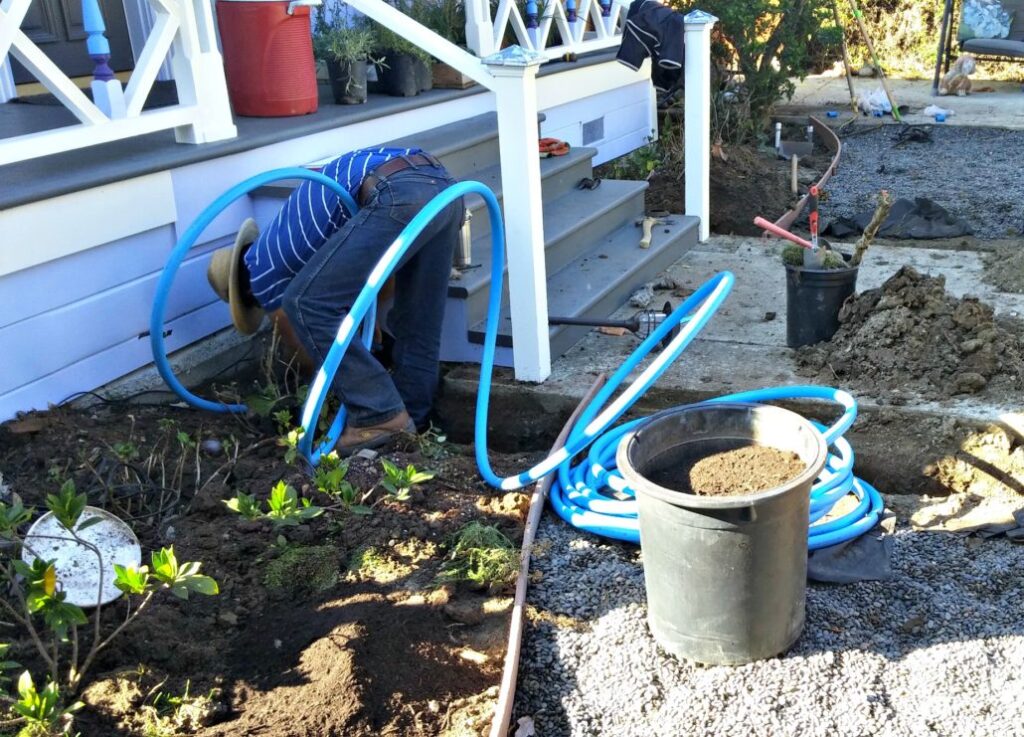
Laundry is one of the biggest sources of reusable greywater in a home. A laundry-to-landscape system diverts rinse water from your washing machine and uses it to irrigate outdoor plants.

How It Works
- Attach a diverter valve to the washing machine’s outflow pipe.
- Redirect the water into a garden hose or underground pipe.
- Distribute it to plants using mulch basins or drip lines.
Benefits
- Provides large volumes of greywater
- Deeply hydrates trees and shrubs
- Reduces soil erosion
- Non-electric and gravity-based options available
Best For
Fruit trees, ornamental plants, bushes, and large garden patches.
Important Note:
Avoid using greywater from loads washed with bleach, fabric softener, or detergents containing boron or chlorine—these chemicals can harm plants.
4. Greywater Plant Filtration Bed
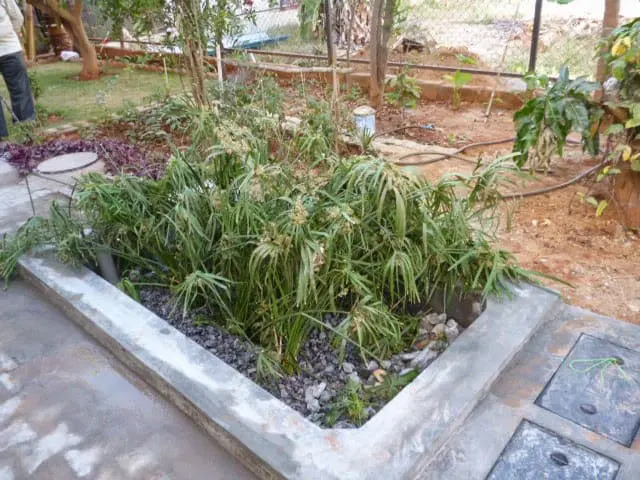
A greywater filtration bed is a creative and eco-friendly way to clean and reuse wastewater naturally.
How It Works
- Greywater flows into a shallow bed filled with gravel, sand, and water-loving plants.
- Plants such as canna lilies, reeds, taro, and papyrus act as natural filters.
- Cleaned water percolates through the soil and becomes usable for irrigation.
Why It’s Creative
It’s both functional and decorative—a mini constructed wetland in your yard.
Benefits
- Naturally filters chemicals and soap residues
- Attracts pollinators and beneficial insects
- Provides aesthetic beauty
Best For
Large gardens, homes with space for landscaping, eco-conscious gardeners.
Tip: Choose non-invasive, water-loving plants for the filtration bed to prevent root overgrowth.

5. Use Greywater for Compost Moistening
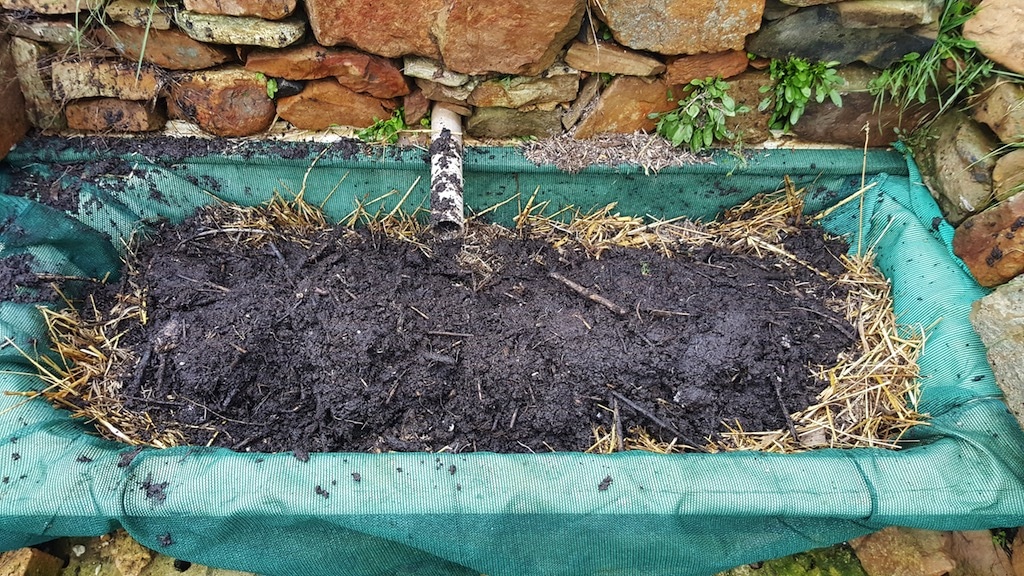
Compost needs moisture for microbial activity, but using clean water for composting can feel wasteful. Greywater is a perfect substitute.
How It Helps
- Keeps compost piles moist and active
- Adds mild nutrients from soap residue
- Speeds up decomposition
- Reduces overall water usage
What Kind of Greywater to Use
- Vegetable wash water
- Bathroom sink water
- Rice water or pulse wash water
Avoid Using:
Laundry greywater with detergent—this can harm compost microbes.
How to Apply
- Sprinkle greywater evenly using a watering can.
- Avoid soaking—moist, not soggy, compost decomposes faster.
This method makes composting more efficient while reducing water waste.
Safety Tips for Using Greywater in Gardening
To protect both your plants and soil, follow these important guidelines:
Do
- Use biodegradable soap
- Apply greywater to the soil, not foliage
- Water deeply to dilute soap residues
- Rotate which plants receive greywater
- Filter lint and debris before use
Don’t
- Use greywater on leafy vegetables you eat raw (like spinach or lettuce)
- Store greywater longer than 24 hours (it begins to smell and grow bacteria)
- Use greywater containing strong detergents, bleach, or disinfectants
- Let greywater pool on the surface—this attracts pests
- Use kitchen wastewater with grease or oil
When used carefully, greywater can nourish your garden safely and sustainably.
Best Plants for Greywater Irrigation
Certain plants thrive particularly well with greywater:

Fruit Trees
- Banana
- Papaya
- Lemon
- Guava
Shrubs
- Hibiscus
- Bougainvillea
- Jasmine
- Oleander
Vegetables (rooted, not leafy)
- Okra
- Eggplant
- Tomatoes (soil-only application)
Flowers and Ornamentals
- Marigold
- Sunflower
- Rose
- Canna lilies
Most deep-rooted plants handle greywater well because the soil naturally filters impurities before they reach roots.
Final Thoughts: Turn Everyday Water into Garden Gold
Reusing greywater is one of the simplest and most impactful ways to practice sustainable gardening. Not only does it help conserve a precious resource, but it also reduces your household waste and keeps your plants hydrated naturally.
Whether you build a creative filtration bed, set up a laundry-to-landscape system, or simply collect water in a bucket, each action contributes to a more eco-friendly lifestyle.