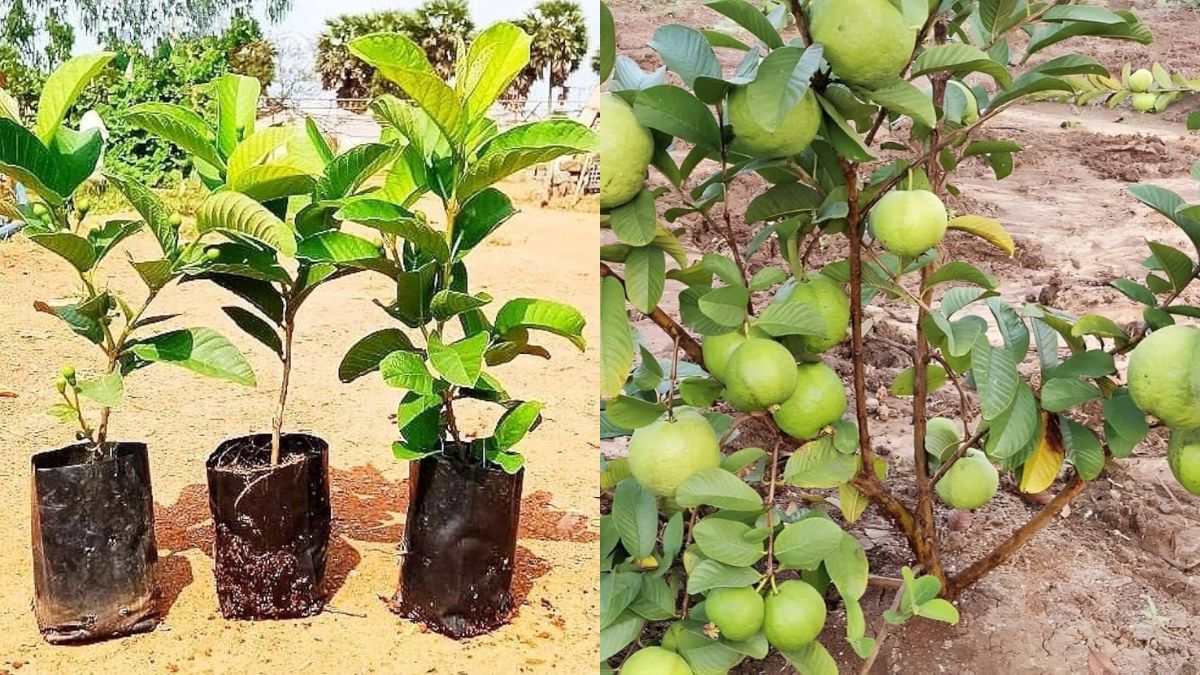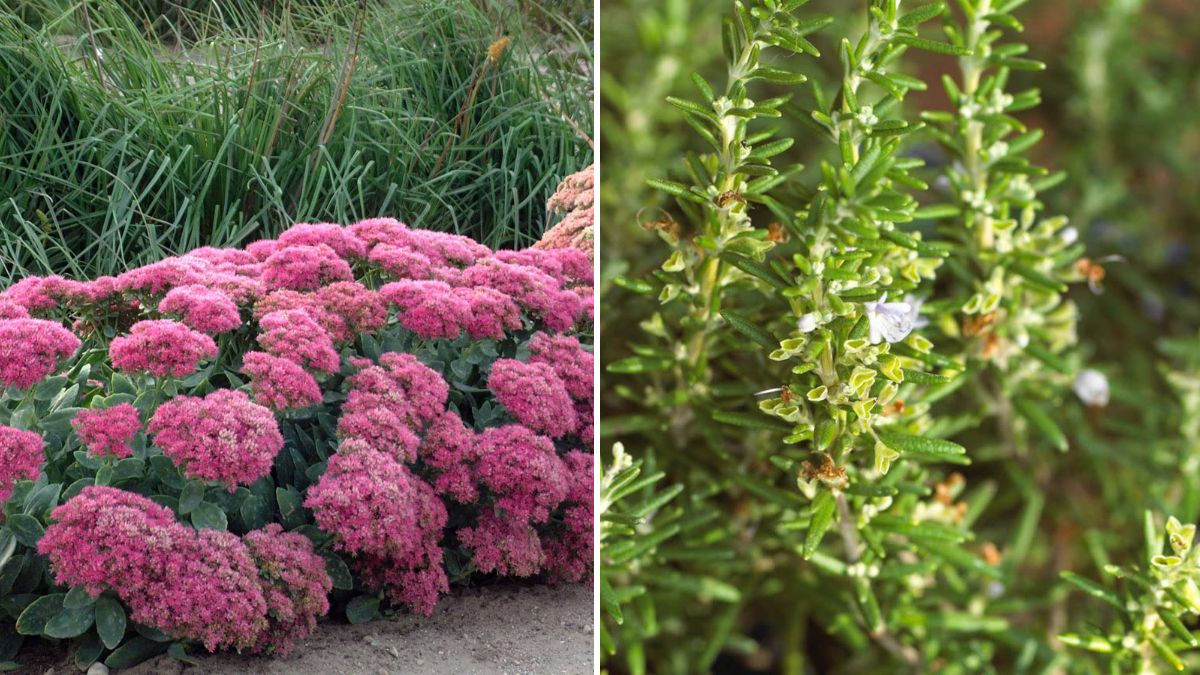
Winter can feel like a challenging season for home gardeners, especially when temperatures drop, frost sets in, and many plants slow down—or die back altogether. But not all plants fear the cold. In fact, some hardy varieties not only survive but thrive in chilly conditions, delivering color, texture, and even fresh produce during the coldest months of the year. These resilient plants have adapted over centuries to withstand freezing temperatures, poor sunlight, strong winds, and frosty mornings.
In this comprehensive 1200-word guide, we’ll explore six incredibly hardy plants that flourish in cold weather. Whether you have a backyard garden, balcony pots, or raised beds, these winter champions will keep your garden alive, beautiful, and thriving through the coldest months.
1. Kale — The Cold-Loving Superfood
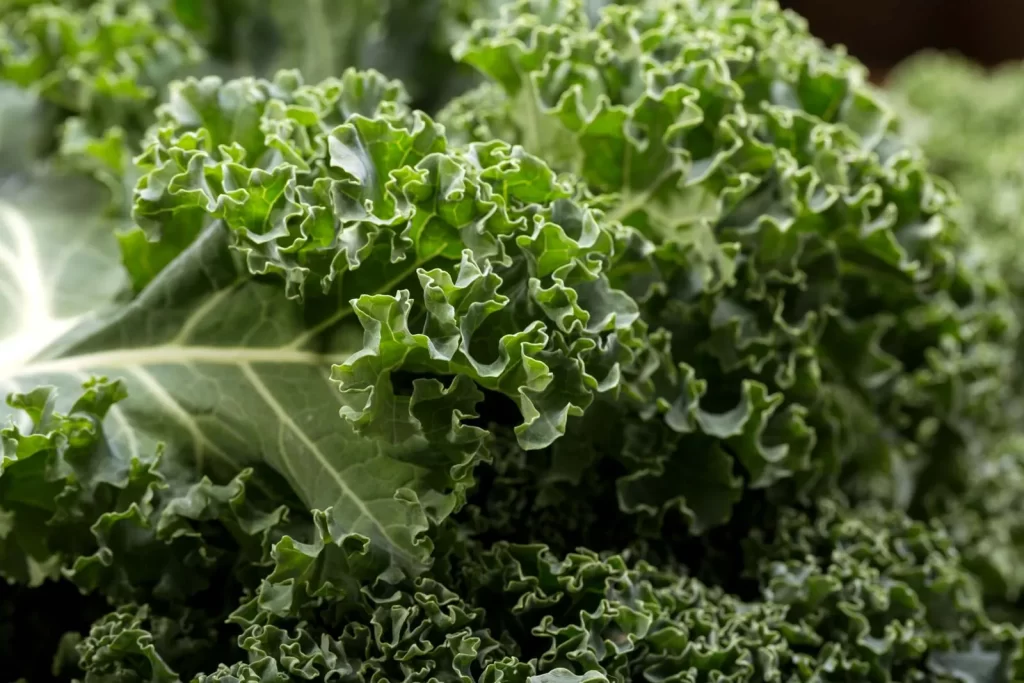
Kale is one of the toughest winter vegetables you can grow. It not only survives freezing temperatures but actually becomes sweeter after frost. This leafy green is highly nutritious, rich in vitamins A, C, K, and packed with antioxidants.
Why Kale Thrives in Cold Weather
- Frost triggers a natural sugar release in leaves
- Deep root system stabilizes the plant in windy conditions
- Curled or flat varieties withstand ice and snow
Best Varieties for Winter
- Siberian Kale
- Winterbor Kale
- Red Russian
- Curly Green Kale
How to Grow Kale in Winter
- Plant in late fall or early winter
- Choose a sunny spot—maximum light helps in cold months
- Keep soil well-drained to avoid root rot
- Add compost before planting for steady growth
Uses
Use kale in soups, smoothies, salads, stir-fries, and chips. Winter-grown kale is milder and tastier than summer varieties.
2. Winter Pansies — Pops of Color in Frosty Gardens
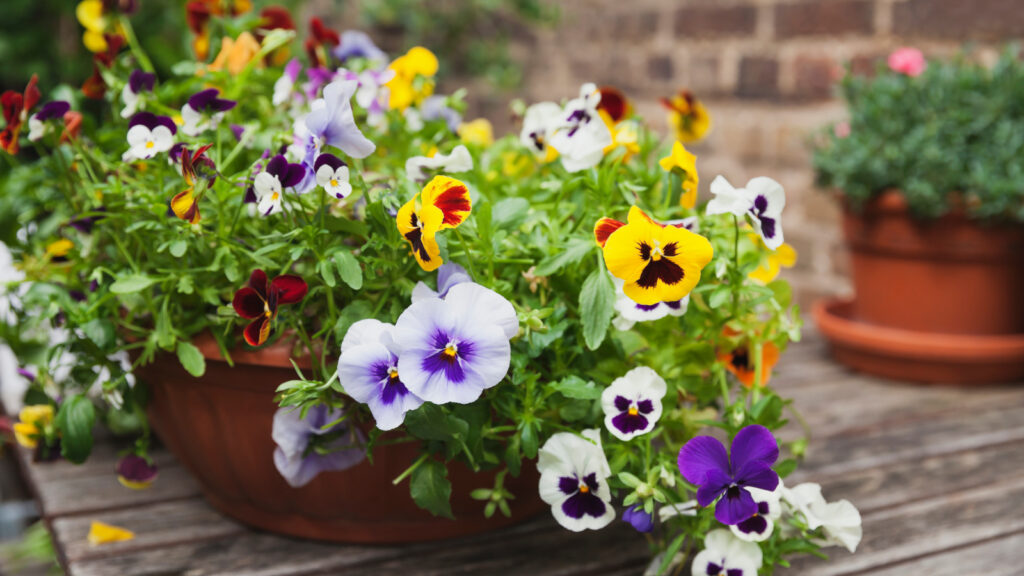
Most flowering plants retreat during winter, but pansies brighten cold gardens with vivid blooms. These cheerful flowers display shades of purple, yellow, blue, orange, and white—perfect for winter borders, containers, or balcony boxes.
Why Pansies Survive Cold Weather
- Compact, low-growing habit protects them from frost
- Thick petals and sturdy stems withstand wind and chill
- Some varieties bloom even under light snow
Best Varieties
- Cool Wave Pansies
- Matrix Series
- Winter Flowering Pansies
How to Grow Pansies in Winter
- Plant in well-draining potting soil
- Water sparingly during cold days
- Give them 4–5 hours of sunlight daily
- Deadhead regularly to promote new blooms
Uses
Perfect for decorative winter gardens, front entrances, windowsills, or mixed winter planters.
3. Rosemary — Evergreen Strength in Winter Chill
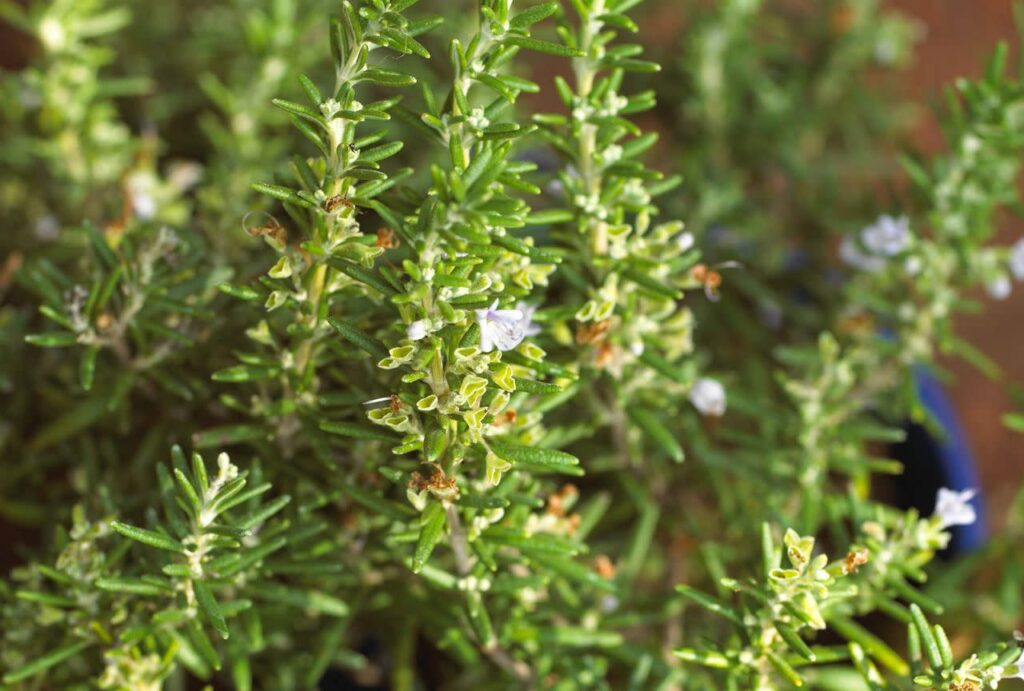
Rosemary is a woody, evergreen herb that remains green and vibrant throughout winter. It tolerates frosty nights and low temperatures, especially if you choose cold-hardy varieties.
Why Rosemary Thrives in Cold
- Needle-like leaves reduce water loss
- Thick essential oils protect tissues
- Woody stems endure cold winds
Hardy Winter Varieties
- Arp
- Hill Hardy
- Salem
Growing Tips
- Place in a sunny spot
- Ensure excellent drainage—wet roots kill rosemary faster than cold
- Avoid heavy pruning right before frost
Uses
Rosemary adds aroma to roasted vegetables, breads, soups, and teas. Its evergreen structure adds visual appeal even in the bleakest winter days.
4. Hellebores — Winter Blooms That Defy Frost
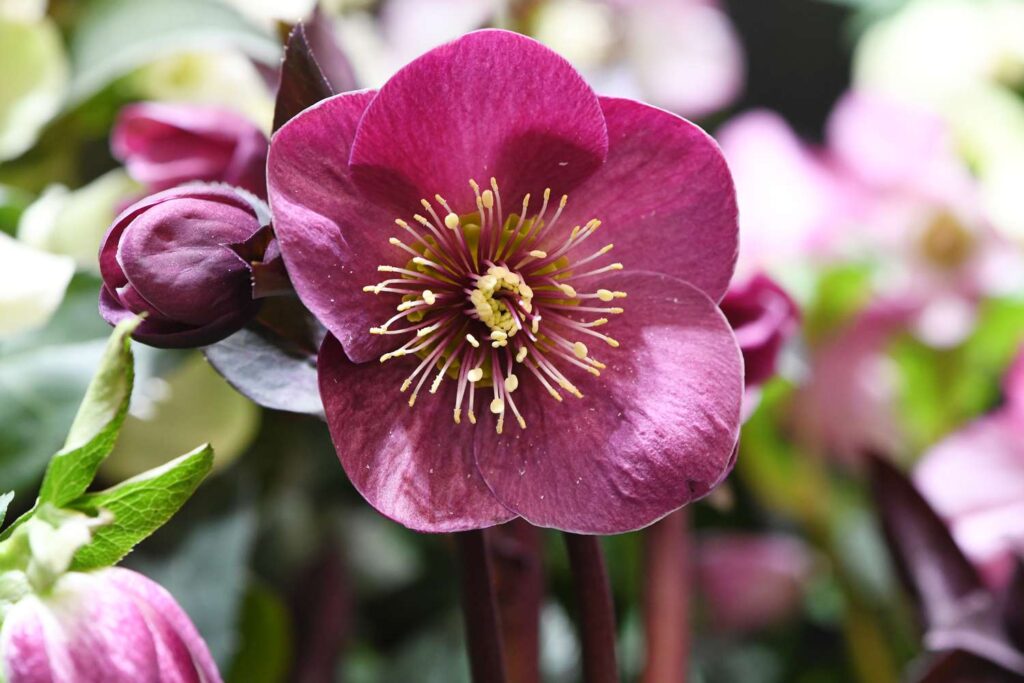
Hellebores, often called “Christmas Roses” or “Lenten Roses,” are known for flowering in late winter when almost nothing else grows. Their leathery leaves and nodding blooms withstand frost, snow, and prolonged cold.
Why Hellebores Thrive in Cold
- Thick petals stay intact even in freezing temperatures
- Deep roots stabilize the plant and retain warmth
- Evergreen foliage maintains structure year-round
Popular Varieties
- Helleborus niger
- Helleborus orientalis
- Double-flowered hybrids
How to Grow Hellebores
- Plant in partial shade
- Use well-draining, rich soil
- Add mulch to protect roots
- Don’t overwater—these plants prefer dryness
Uses
Perfect for winter landscaping, woodland gardens, shaded borders, or decorative planters. Their unique flowers add elegance during cold months.
5. Brussels Sprouts — Frost-Resistant Winter Vegetables
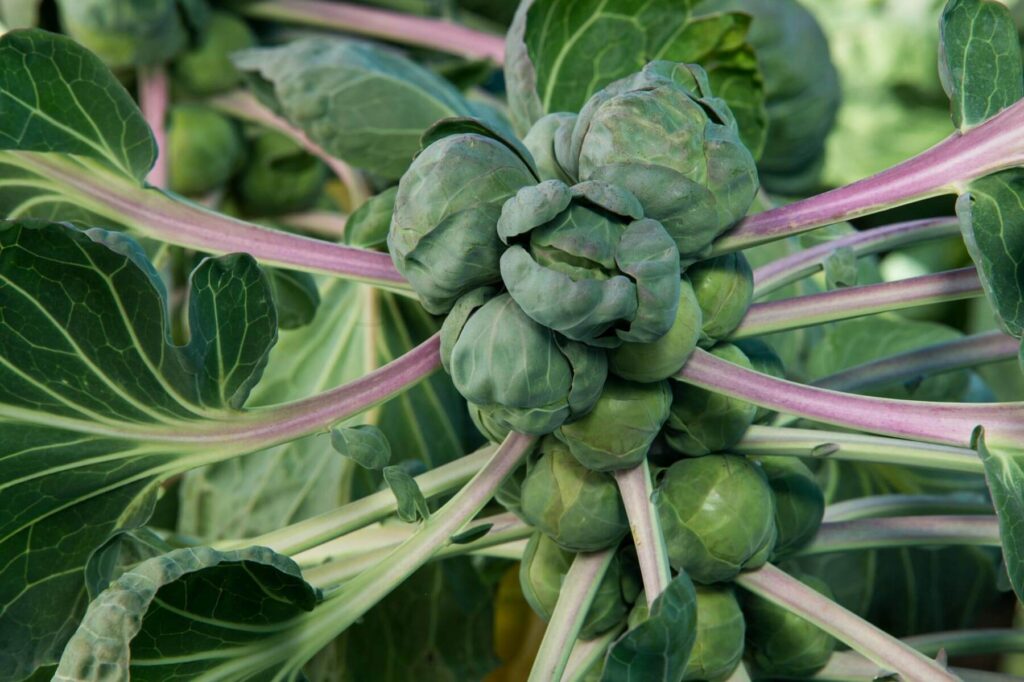
Brussels sprouts are among the strongest winter vegetables. The colder it gets, the better they taste. Frost converts starches into sugars, producing sweeter sprouts.
Why Brussels Sprouts Survive the Cold
- Vertical stem structure withstands snow
- Sprouts nestle tightly along the stalk, protected from frost
- Cold weather improves flavor and texture
Best Varieties
- Long Island Improved
- Jade Cross
- Diablo
- Catskill
How to Grow
- Plant in late summer for a winter harvest
- Give full sun to maximize growth
- Support tall varieties with stakes
- Remove lower leaves as the plant grows for better airflow
Uses
Steam, roast, or sauté sprouts. They pair well with garlic, butter, lemon, and herbs. Winter-grown Brussels sprouts are incredibly tender and flavorful.
6. Sedum (Stonecrop) — The Toughest Cold-Hardy Succulent
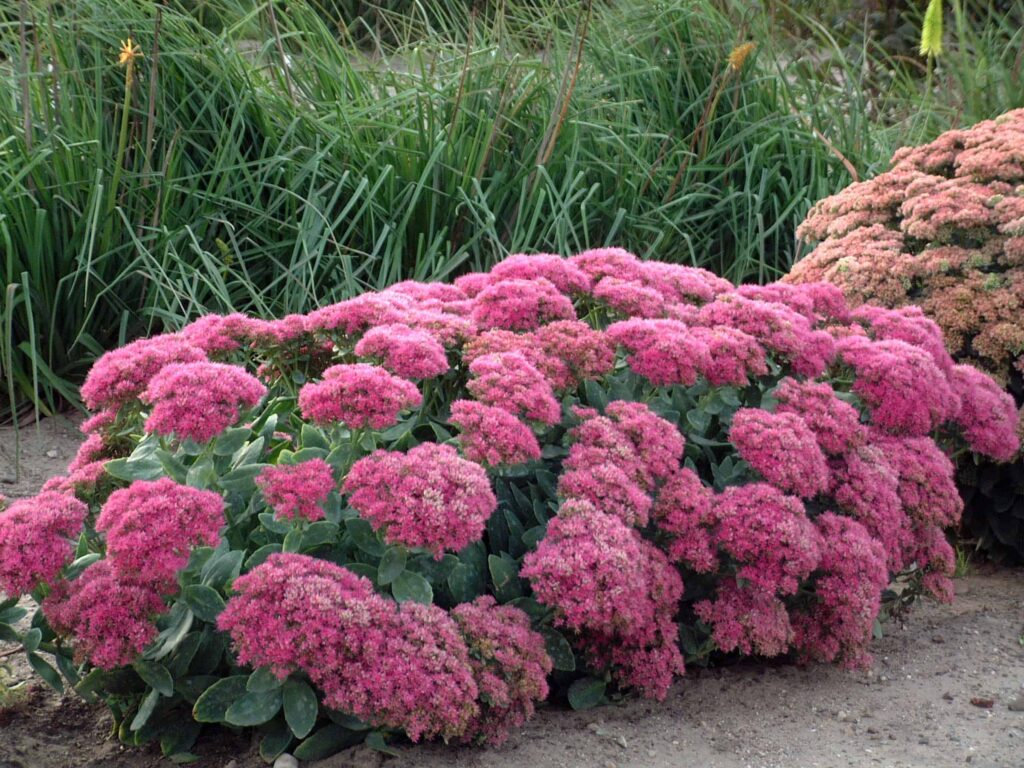
Sedums are rugged, drought-tolerant succulents that survive both scorching summers and freezing winters. Their fleshy leaves store water, while their roots and stems withstand frost remarkably well.
Why Sedum Thrives in Winter
- Thick leaves prevent freezing damage
- Stores moisture for cold, dry months
- Can grow in poor, rocky, or shallow soils
Best Varieties
- Autumn Joy
- Dragon’s Blood
- Purple Emperor
- Sedum Spectabile
How to Grow Sedum in Winter
- Plant in containers or rock gardens
- Provide full sunlight
- Use sandy, well-draining soil
- Water sparingly
Uses
Sedum looks gorgeous in rock landscapes, walkway edges, balcony containers, and mixed planters. Its winter structure remains attractive even after the flowers fade.
General Winter Gardening Tips for Hardy Plants
Even hardy plants need a bit of help during extremely cold or wet weather. Follow these winter care tips to keep your garden healthy:
1. Mulch Strategically
Mulch helps protect roots but must be used properly.
- Use dry leaves, bark chips, or straw
- Keep mulch away from stems to prevent rot
2. Water Less Frequently
Plants need less water in winter.
- Only water when the topsoil dries out
- Water early in the day to prevent freezing
3. Maximize Sunlight
Shorter days mean less light.
- Place pots in the sunniest spots
- Clean dust from leaves for better photosynthesis
4. Avoid Heavy Fertilization
Winter slows plant metabolism.
- Use mild organic compost
- Avoid chemical fertilizers during frost
5. Protect Young Plants
Seedlings and new transplants are more vulnerable.
- Use cloches, covers, or garden fleece
- Keep them sheltered during night frost
Why Choose Hardy Plants for Cold-Season Gardening?
Hardy, cold-tolerant plants offer multiple advantages:
- They reduce maintenance efforts
- Keep your garden alive year-round
- Provide fresh herbs and vegetables in winter
- Add color during the dull, cold season
- Are more resistant to pests and diseases
They make winter gardening both enjoyable and productive.
Final Thoughts
Winter doesn’t have to be a quiet, lifeless season in your garden. With hardy plants like kale, rosemary, sedum, winter pansies, Brussels sprouts, and hellebores, you can enjoy greenery, beauty, and even fresh harvests despite the cold. These plants have evolved to thrive in low temperatures, making them ideal for beginners and seasoned gardeners alike.
By choosing the right varieties and following simple winter-care tips, your garden can stay vibrant and resilient all through the chilly months. Embrace winter gardening and let these tough plants show you how strong and beautiful nature can be—even in the coldest weather.