
The monsoon season brings relief from scorching summer heat, but it also introduces challenges for home gardeners. Excess moisture, fungal infections, soil erosion, nutrient runoff, and pest attacks can affect plant growth if you’re unprepared. With the right steps, however, the monsoon can actually become one of the most productive periods for your garden. Moist soil, cooler temperatures, and abundant humidity help many plants grow faster—if you manage the conditions smartly.
In this complete guide, you’ll learn how to prepare your garden before the first rains arrive, how to protect your plants during heavy showers, and what essential maintenance practices will keep your home garden thriving all monsoon long.
1. Improve Soil Drainage Before the Rains Begin
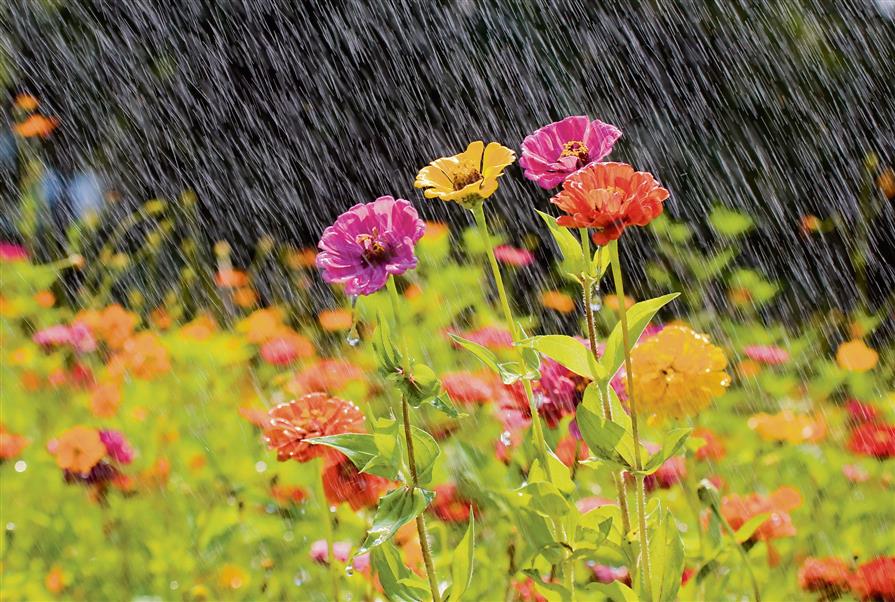
Poor drainage is the number one enemy of plants during monsoon. Waterlogged soil suffocates roots, causes rot, and attracts fungus.
Steps to Improve Drainage
- Loosen the topsoil: Break compacted soil using a fork or hand tool to improve aeration.
- Add sand or perlite: Mix coarse sand, perlite, or small gravel into heavy clay soil to promote better runoff.
- Use raised beds: If your garden floods easily, elevated beds or mound gardening keep roots above standing water.
- Ensure pot drainage holes: Clean and widen drainage holes in pots for free flow of water.
A well-draining foundation is key to healthy plants throughout monsoon.
2. Prune and Trim Plants Before Heavy Rains
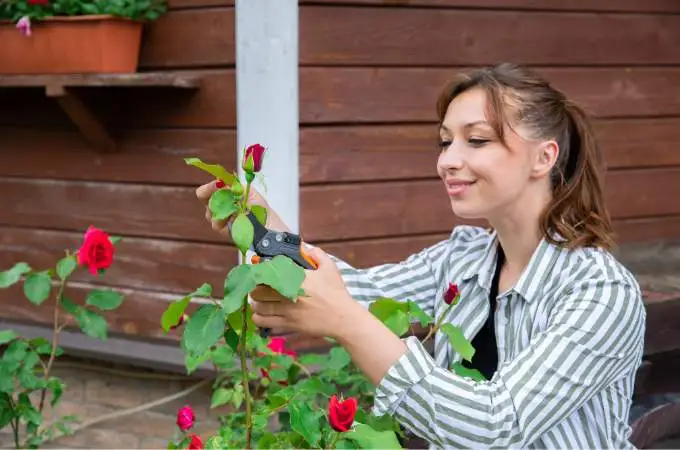
Excess foliage traps moisture, causing fungal infections and attracting pests. A well-timed pruning encourages stronger growth and reduces damage from wind or storms.
What to Prune
- Dead or diseased branches
- Long, weak stems that may break
- Overlapping branches
- Dense inner foliage to improve airflow
Avoid pruning once heavy rains start, as fresh cuts can get infected easily.

3. Check Plant Supports, Stakes, and Trellises
Strong winds and heavy rains can topple fragile plants. Monsoon-proof your garden by reinforcing structural support.
Support Ideas
- Bamboo stakes for tomatoes, peppers, and climbers
- Strong trellises for beans, cucumbers, and gourds
- Metal or wooden frames for tall flowering plants
- Plant ties or jute strings to secure stems
Reinforcing before the rain prevents breakage and saves you from emergency fixes later.
4. Apply Mulch to Protect Soil and Roots
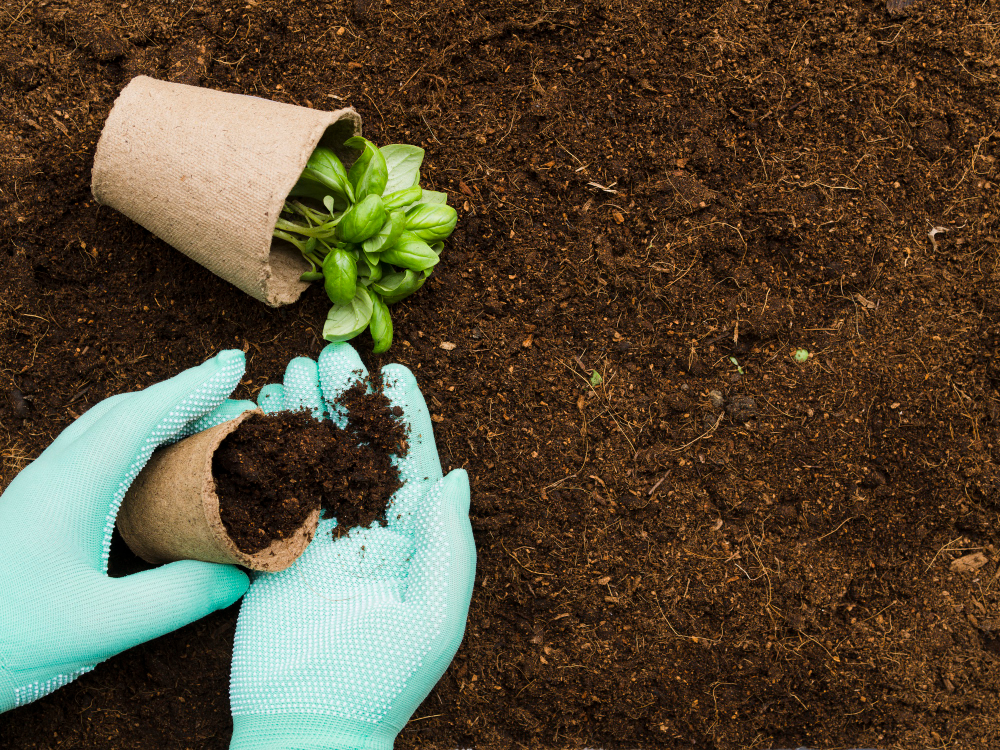
Mulching is incredibly valuable during monsoon. It helps reduce erosion, prevents soil compaction, and keeps nutrients from washing away.
Best Mulching Materials
- Dry leaves
- Wood chips
- Straw
- Coco husk chips
- Sugarcane mulch
Avoid fresh grass clippings, as they may rot quickly in monsoon.
Mulching also suppresses weeds that tend to surge with moisture.
5. Use Disease-Resistant Varieties and Preventative Sprays
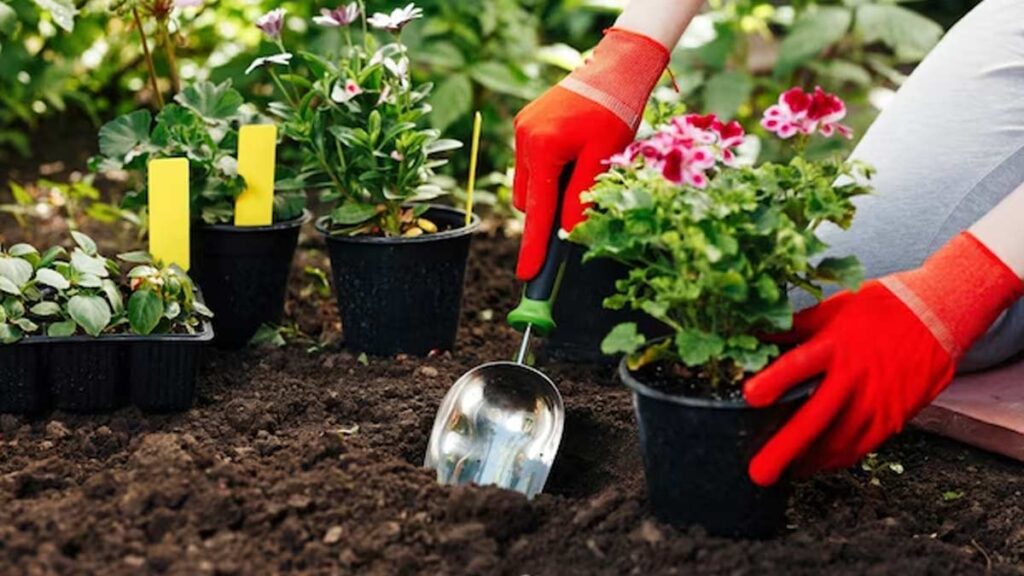
Fungal infections like powdery mildew, root rot, and black spot thrive during rainy weather. Preparing early reduces the chances of outbreaks.
Mild Preventive Sprays (Use Before Rain)
- Neem oil
- Baking soda solution (for fungal prevention)
- Cow dung solution (traditional bio-fungicide)
- Trichoderma-enriched compost
Apply in early morning or evening when temperatures are low.
6. Shift Sensitive Plants Under Shelter
Some plants are intolerant to excess moisture and need protection during rains.
Plants That Need Shelter
- Succulents
- Cacti
- Aloe vera
- Snake plant
- Certain indoor ornamentals
- Herbs like rosemary and oregano
Move these to:
- Covered balconies
- Porches
- Polyhouse or mini greenhouse
- Under a shade net
Protecting them from continuous rain prevents rot.
7. Clean and Disinfect Pots, Tools, and Garden Area
Monsoon encourages bacterial and fungal growth on surfaces, which can spread to plants.
Pre-Monsoon Hygiene Checklist
- Wash pots with mild soap and water
- Disinfect garden tools with diluted bleach or vinegar solution
- Remove fallen leaves and debris
- Check for pests hiding under pots
A clean garden is far less vulnerable to infections.

8. Replenish Soil Nutrients
Heavy rains can leach nutrients from the soil. Prepare by adding organic matter before the monsoon starts.
Best Soil Additions
- Compost
- Vermicompost
- Cow manure (well-rotted)
- Bone meal
- Rock phosphate
- Earthworm castings
Avoid chemical fertilizers right before rains, as they may wash away quickly.
9. Avoid Overwatering — Let the Rains Do the Job
Once monsoon begins, reduce or stop watering. Excess moisture can drown delicate plants.
Watering Guidelines
- Only water if the topsoil feels dry
- Use finger test to check moisture
- Avoid watering late evening during monsoon
- Ensure overflow trays under pots don’t hold water
Proper adjustment prevents fungal infections and root rot.
10. Choose the Right Plants for Monsoon Gardening
Some plants actually thrive in the monsoon and can be planted right before or during the rainy season.
Monsoon-Friendly Vegetables
- Spinach
- Malabar spinach
- Amaranth
- Radish
- Cucumber
- Okra
Monsoon-Friendly Flowers
- Hibiscus
- Jasmine
- Rain lily
- Portulaca
- Cosmos
Monsoon-Friendly Herbs
- Mint
- Lemongrass
- Curry leaves
Choosing seasonal plants ensures maximum growth with minimal effort.

11. Ensure Proper Air Circulation
High humidity encourages fungal diseases. Improve airflow by:
- Spacing plants correctly
- Avoiding overcrowded containers
- Using pruning to open up plant centers
Good airflow = fewer diseases.
12. Use Organic Pest Control Methods
Monsoon attracts snails, slugs, aphids, and mealybugs. Natural solutions work best in wet weather.
Organic Pest Control Options
- Beer traps for slugs
- Eggshell barriers
- Neem oil spray
- Homemade chili–garlic spray
- Sticky traps for flying pests
Monitor plants regularly and act early.
13. Check Drainage Paths and Gutters
Ensure water flows away from your garden and doesn’t cause flooding.
Checklist
- Clear fallen leaves from gutters
- Unclog soil beds
- Maintain slight slopes for water runoff
- Add perforated pipes where needed
Good drainage protects plant roots and prevents stagnation.
14. Protect Seedlings and Young Plants
Newly planted seedlings can be easily damaged by strong rains.
Protective Measures
- Use cloches or plastic domes
- Keep them under shade nets
- Grow them in trays indoors until rains reduce
Once established, they handle rain better.
Final Thoughts
Preparing your garden for the monsoon season is all about prevention, protection, and smart planning. With improved drainage, sturdy supports, nutrient-rich soil, and disease-free conditions, your plants will not only survive but thrive during rainy weather. A little preparation goes a long way toward ensuring healthy growth, vibrant foliage, and abundant harvests.