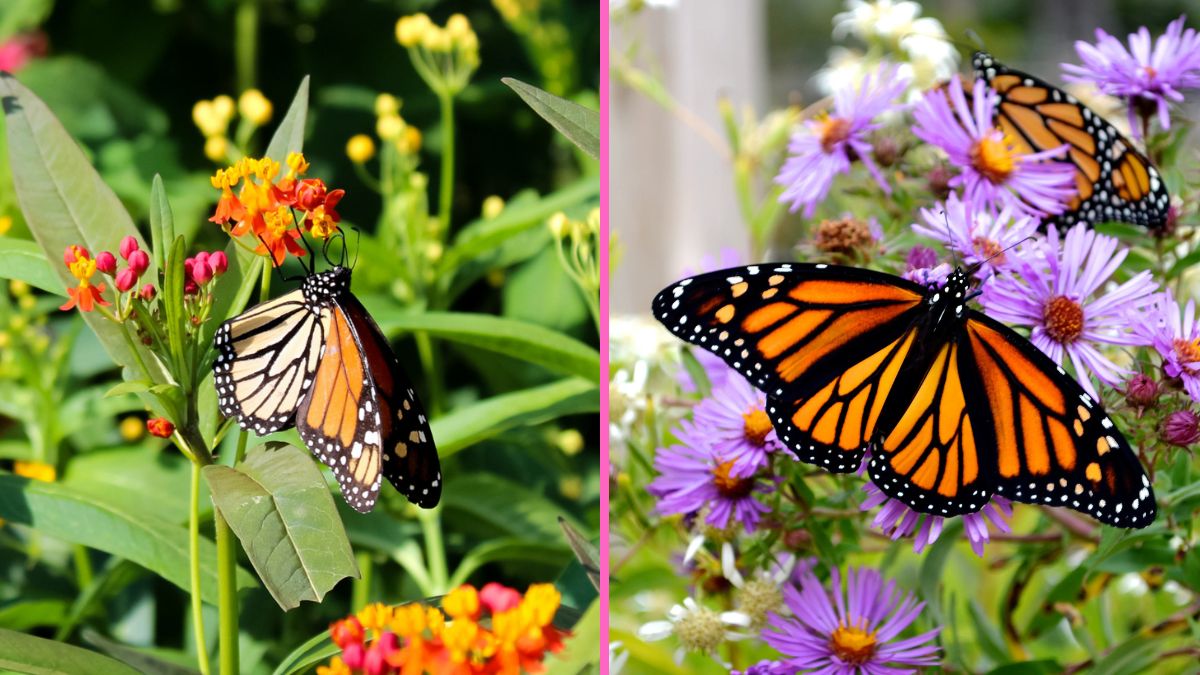
You don’t need a sprawling backyard or acres of wildflowers to attract butterflies. With the right plants, layout, and a few thoughtful additions, even the smallest balcony, patio, terrace, or corner garden can become a thriving haven for these delicate pollinators. Butterflies are naturally drawn to color, fragrance, and warmth—all elements that can be recreated beautifully in compact spaces.
Whether you want to enjoy the sight of monarchs drifting past your window or help protect local butterfly populations, this guide will show you how to create a butterfly-friendly garden anywhere, no matter how small.
Why Attract Butterflies?
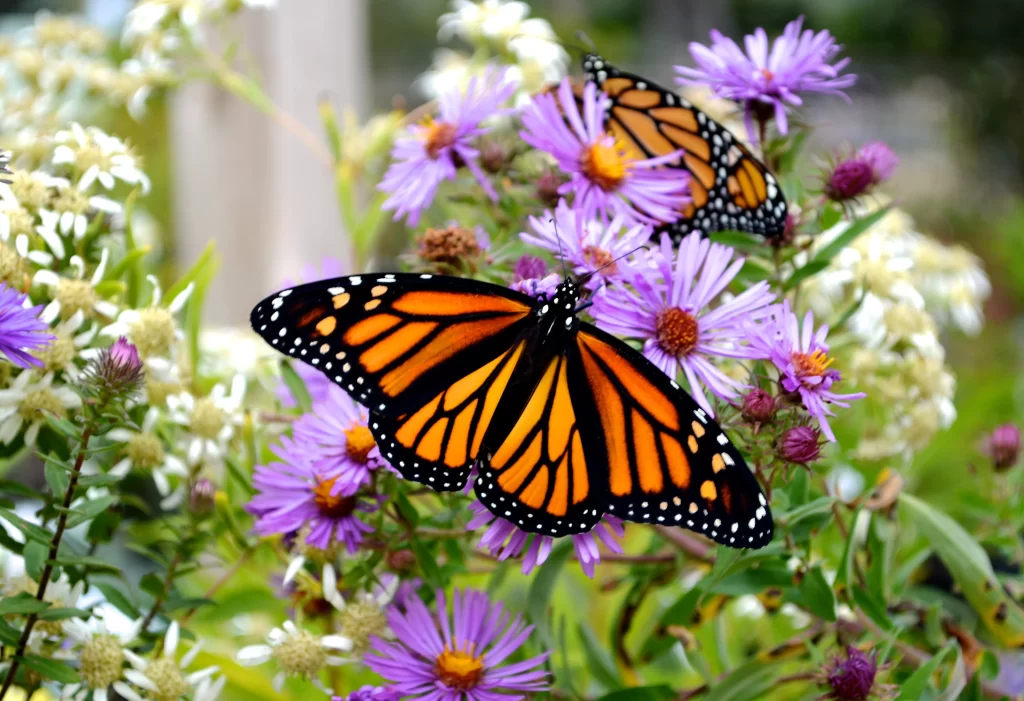
Butterflies are more than just pretty creatures fluttering among blooms. They play a crucial role in the ecosystem and bring numerous benefits to your garden:
1. Natural Pollinators
Butterflies carry pollen from flower to flower, helping plants fruit, seed, and reproduce.
2. Indicators of a Healthy Environment
Where butterflies thrive, biodiversity thrives. Their presence often reflects a clean, chemical-free environment.
3. Beauty and Relaxation
Watching butterflies glide and sip nectar adds peace, movement, and joy to your daily routine—even in tiny outdoor spaces.

4. Education and Awareness
A butterfly garden promotes awareness of pollinator conservation, which is more important than ever due to habitat loss.
Step-by-Step Guide to Creating a Butterfly-Friendly Garden in Small Spaces
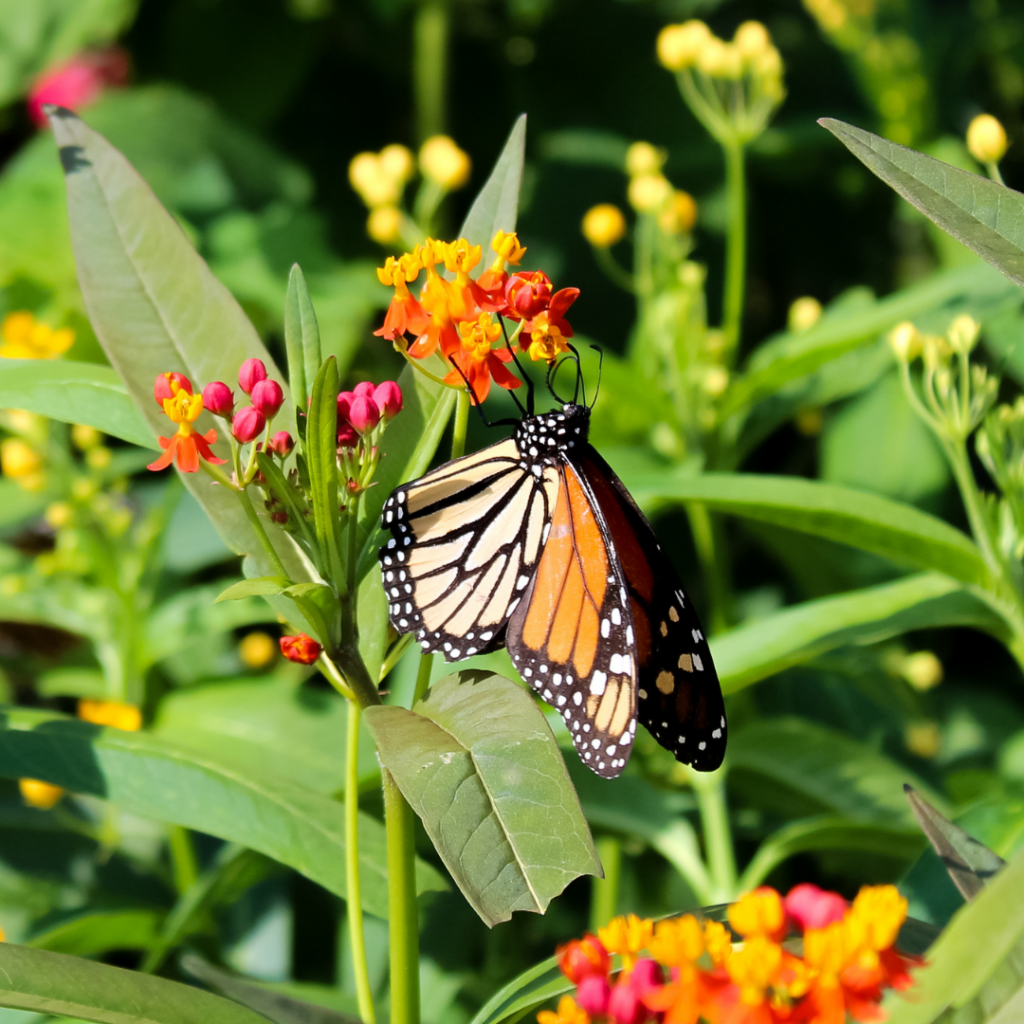
Even if you’re working with just a narrow balcony or a small patio, these simple steps will help you build a thriving butterfly oasis.
1. Choose Nectar-Rich Flowers That Butterflies Love
Butterflies feed primarily on nectar. To attract them, your garden must include bright, nectar-rich flowers.
Best Nectar Plants for Small Spaces
These compact plants grow well in containers and attract common butterfly species:
- Lantana – Vibrant clusters of blooms that produce abundant nectar
- Zinnias – Fast-growing, colorful flowers perfect for pots
- Marigolds – Bright, fragrant, and low-maintenance
- Verbena – Excellent for hanging baskets and window boxes
- Cosmos – Lightweight flowers that sway and attract pollinators
- Butterfly Bush (Dwarf Varieties) – Compact forms ideal for tiny gardens
- Pentagon – Star-shaped blooms butterflies love
Tips for Choosing Flowers
- Select bright colors like red, orange, yellow, purple, and pink.
- Choose single-head flowers, not double or overly ruffled varieties.
- Pick tall, short, and trailing plants to create layers butterflies easily navigate.
The key is diversity: more plant types mean more nectar sources and a wider variety of butterflies.
2. Add Host Plants for Caterpillars
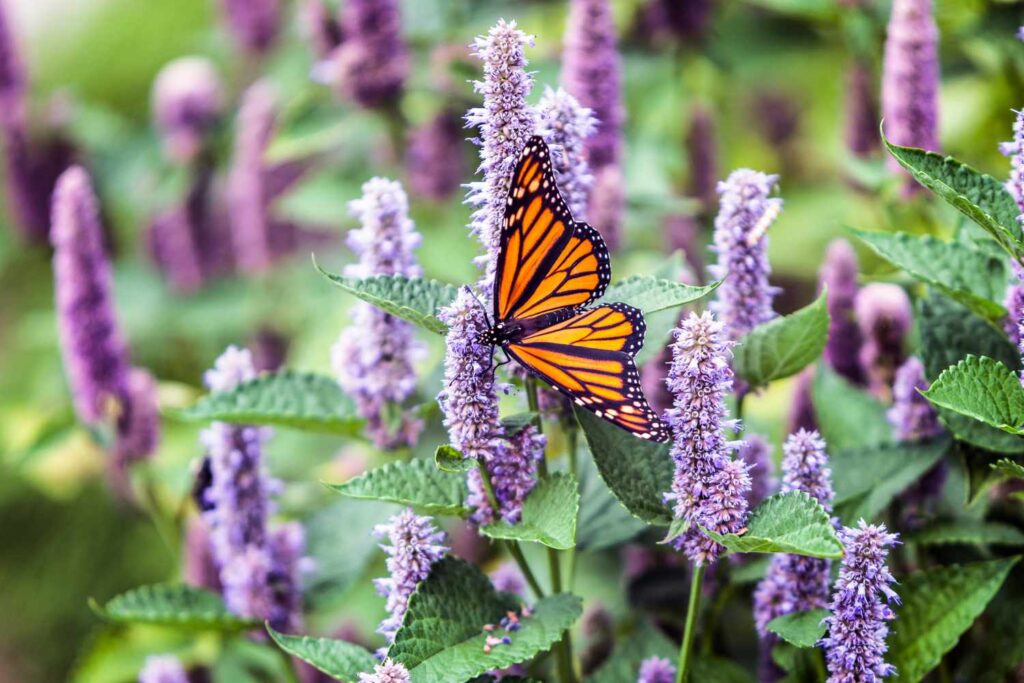
A butterfly-friendly garden doesn’t just feed adult butterflies—it also provides food for their babies (caterpillars). Without host plants, butterflies won’t stay long or return to your garden to lay eggs.

Popular Host Plants (Small-Space Friendly)
- Milkweed (Asclepias spp.) – Essential for monarch butterflies
- Parsley, Dill, and Fennel – Loved by swallowtail caterpillars
- Passionflower Vine – Attracts Gulf Fritillary butterflies
- Nasturtium – Great for both foliage and flowers
- Violets – Hosts for the fritillary species
- Sunflowers (Dwarf) – Provide food and shade
Host plants can be grown in:
- Pots
- Window boxes
- Vertical planters
- Hanging baskets
A Simple Rule:
Nectar plants attract butterflies; host plants keep them.
3. Use Container Gardening to Maximize Your Space
In small spaces, containers are your best friend. They allow you to grow multiple plants in a limited area.
Container Ideas That Work Well
- Terracotta or clay pots
- Ceramic planters
- Fabric grow bags
- Balcony railing planters
- Vertical garden towers
- Hanging pots or baskets
- Tiered plant stands
Mixing container sizes helps create layers, making your space visually appealing and easier for butterflies to access.
Arrange Containers for Function and Flow
- Tall plants in the back
- Medium plants in the middle
- Trailing or ground-cover plants near edges
- Leave open areas for butterflies to land and move freely
Butterflies are sensitive to wind, so placing pots near walls or railings helps create a sheltered micro-environment.
4. Provide Sunlight and Warmth
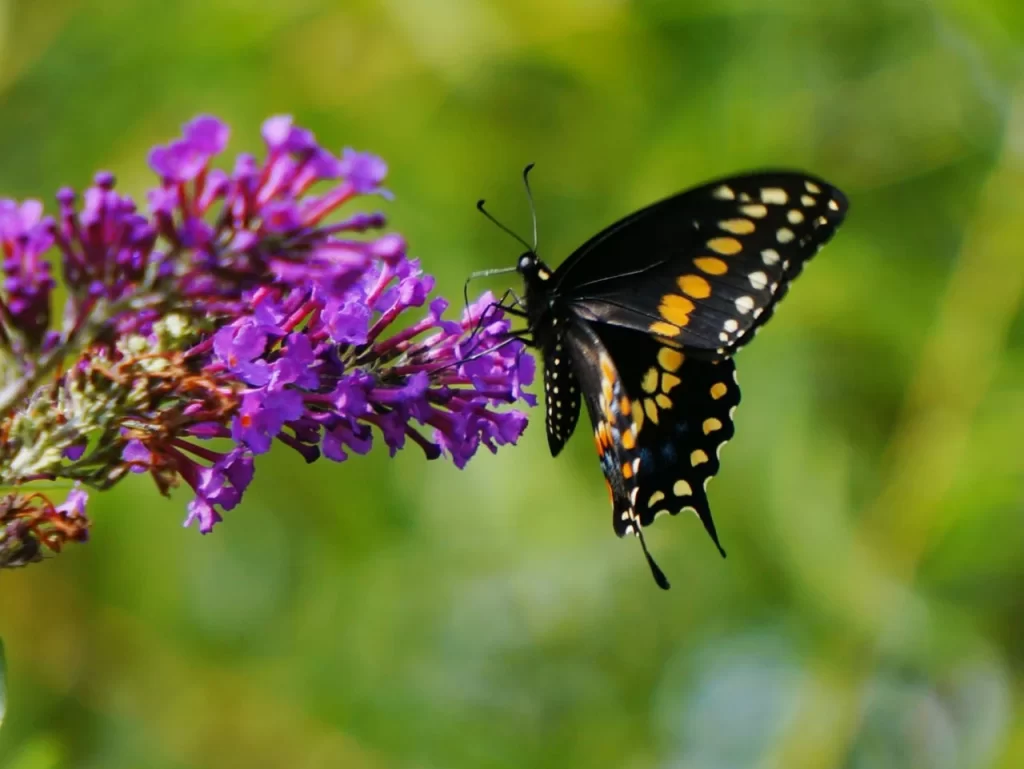
Butterflies are cold-blooded and need warmth to fly. Even small gardens can support them if you maximize sunny spots.

Tips for Sun-Loving Butterflies
- Arrange pots in the sunniest part of your balcony or patio.
- Avoid overcrowding plants, which creates shade.
- Use light-colored containers to reflect heat if you live in a hot climate.
A minimum of 4–6 hours of sunlight each day is ideal for both flowers and butterflies.
5. Add Water Sources—Without Attracting Mosquitoes
Butterflies don’t drink from deep birdbaths. Instead, they prefer shallow puddles, a behavior called “puddling.” In small spaces, you can create a butterfly puddling station that fits easily on a balcony shelf.
How to Make a Puddling Station
- Take a shallow dish or saucer.
- Fill with sand or small pebbles.
- Add water until the surface is just moist.
- Sprinkle a pinch of salt or mineral powder (for nutrients).
This simple setup helps butterflies stay hydrated and nourished.
6. Use Vertical Gardening for More Space
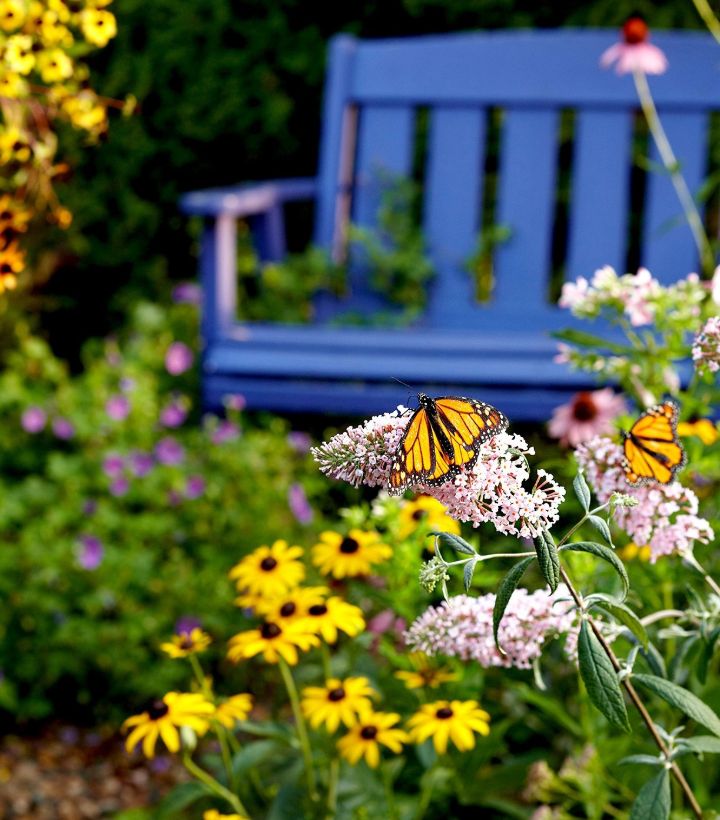
Vertical gardening lets you grow more plants without taking up valuable floor area.
Easy Vertical Options
- Wall-mounted shelves
- Trellises for climbing plants
- Hanging planters
- Pocket planters
- Stackable pots
Climbing host plants like Passionflower or nectar plants like Black-Eyed Susan Vine grow beautifully upward, providing both food and visual interest.
7. Avoid Pesticides at All Costs
Even small amounts of pesticides—chemical sprays, powders, or treated soil—can harm butterflies, caterpillars, and beneficial insects.

Safe, Natural Alternatives
- Neem oil (use sparingly and only at night)
- Insecticidal soap
- Companion planting with marigolds, mint, or basil
- Hand-picking pests like aphids
A truly butterfly-friendly garden is chemical-free.
8. Add Butterfly-Friendly Accessories
Even in tiny spaces, small additions make a big difference.
Accessories to Consider
- Flat stones for basking
- Small logs for shelter
- Butterfly feeders (sponge soaked in sugar water)
- Bright garden décor that mimics flower colors
These elements create micro-habitats that encourage butterflies to visit regularly.
9. Keep Blooms Coming Year-Round
Butterflies will only visit if there is always something blooming.
Plan for Seasonal Blooms
- Spring: Lantana, violets, zinnias
- Summer: Marigolds, cosmos, verbena
- Fall: Sunflowers, asters, salvias
- Winter (mild winters): Pansies, violas, snapdragons
Mix perennial and annual flowers to ensure continuous food sources.
10. Maintain a Natural, Relaxed Look
Butterfly gardens don’t need rigid lines or overly manicured designs. A natural, cottage-style look often works best—even in small spaces.
Let Your Garden Be Slightly Wild
- Allow plants to spill over edges
- Avoid over-pruning
- Leave a few leaves or stems as organic matter
The more “natural” your space feels, the more butterflies it will attract.
Final Thoughts: A Small Space Can Create a Big Impact
Creating a butterfly-friendly garden in a small space is not only possible—it’s incredibly rewarding. With the right plants, thoughtful layout, and natural approach, you can attract colorful butterflies right to your window, balcony, or patio.
Remember:
- Use nectar plants for adult butterflies
- Add host plants for caterpillars
- Use containers creatively
- Provide water and warmth
- Avoid chemicals
- Let your space feel natural and inviting
Even a tiny balcony can become a thriving ecosystem full of life, color, and movement. When butterflies arrive, you’ll know your garden is doing exactly what it should: supporting nature, beautifying your home, and giving you a peaceful retreat every day.