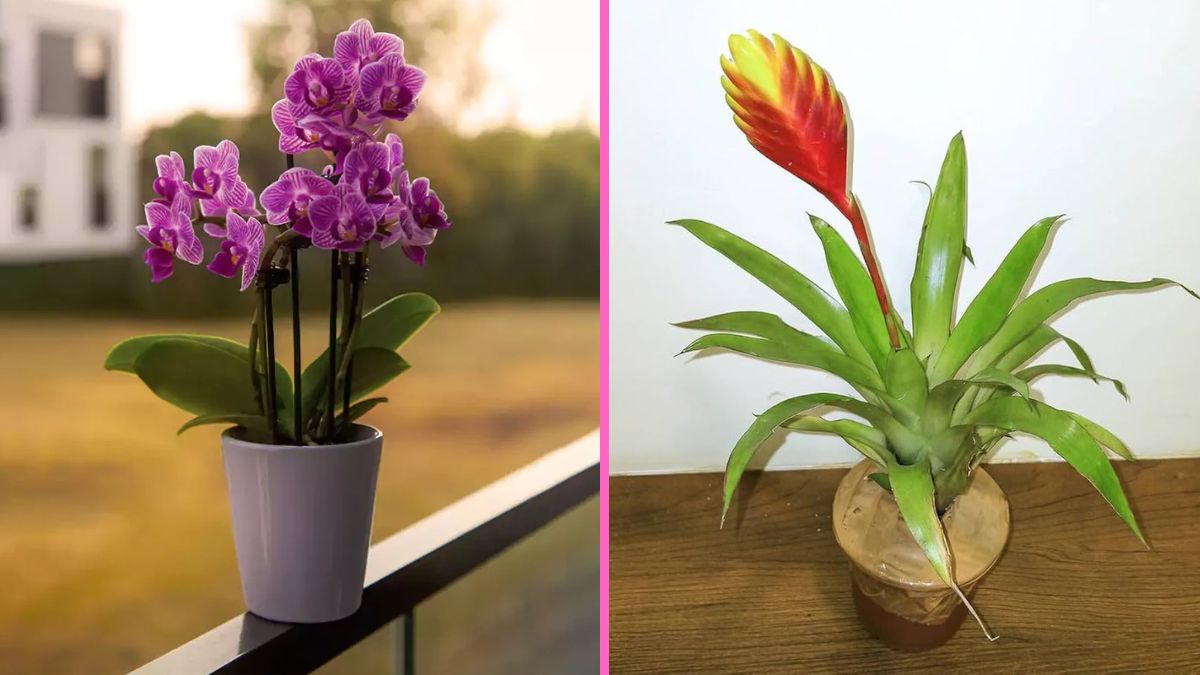
While many flowering plants crave bright, direct sunlight, not every home offers those ideal conditions. Apartments with shaded balconies, living rooms with limited natural light, or homes facing in less sun-filled directions often struggle to support blooming plants. But that doesn’t mean you have to give up on indoor flowers. Numerous beautiful, shade-loving flowering plants thrive indoors—bringing color, fragrance, and life even into low-light spaces.
If your home lacks strong sunlight, you’re in luck. The seven indoor-friendly flowers below are specially suited for low to moderate light conditions. With proper care, these resilient plants can brighten the darkest corners of your home.
1. Peace Lily (Spathiphyllum)
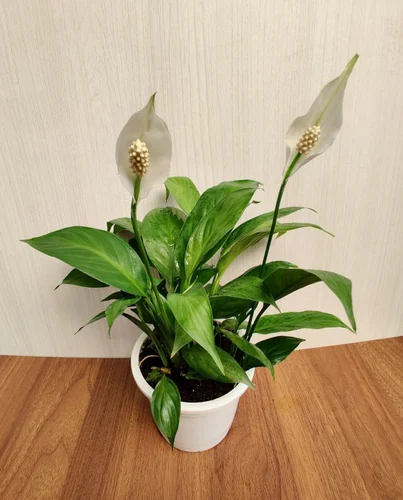
Best for: Low-light spaces, offices, hallways, bedrooms
The peace lily is one of the most popular indoor flowering plants for good reason—it effortlessly adapts to shade and continues to produce its iconic white blooms even without direct sunlight.
Why It Thrives Indoors
Peace lilies evolved on the floors of tropical rainforests, where dense canopies filter sunlight. As a result, they perform exceptionally well in indirect or soft light.
Care Requirements
- Light: Low to moderate indirect sunlight
- Water: Keep soil lightly moist
- Humidity: High; mist occasionally
- Soil: Well-draining peat-based mix
Bonus Benefit
Peace lilies are excellent natural air purifiers, removing toxins such as benzene and formaldehyde from indoor air.
2. African Violet (Saintpaulia)
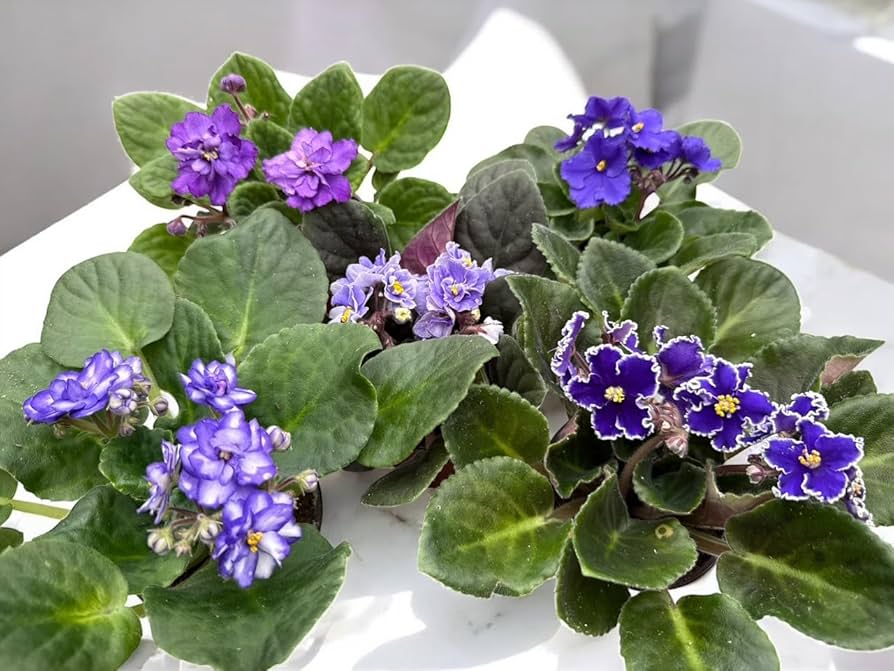
Best for: Windowsills with gentle filtered light, small spaces
African violets are cherished for their charming velvety leaves and vibrant blooms that come in purple, pink, blue, white, and bi-colors. Contrary to popular belief, they do not require intense sunlight to thrive indoors.

Why It Thrives Indoors
These flowers prefer consistent temperatures and indirect light—exactly what many indoor environments provide.
Care Requirements
- Light: Medium indirect light
- Water: Use room-temperature water; water from the base to avoid leaf spots
- Soil: Loose, airy African violet mix
- Humidity: Moderate to high
Flowering Tip
Feed African violets with a phosphorus-rich fertilizer to encourage frequent blooming.
3. Bromeliad
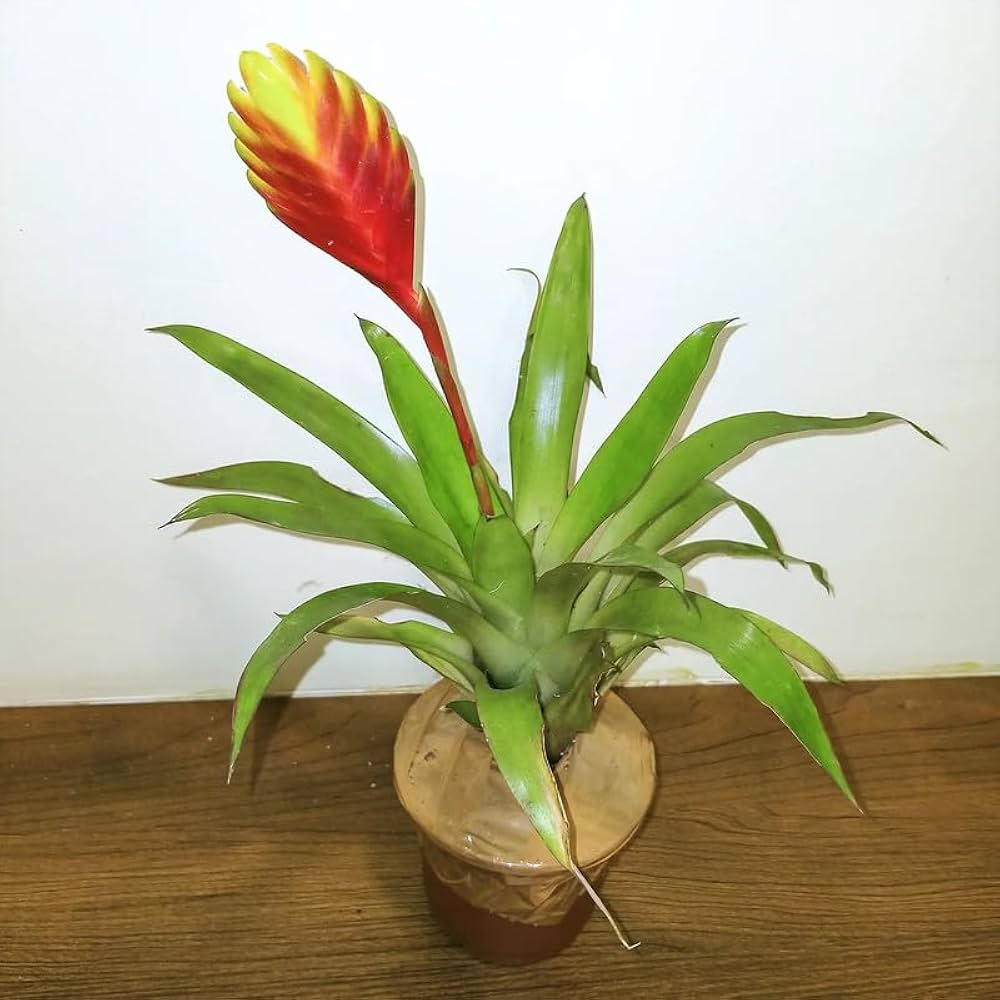
Best for: Modern interiors, shaded rooms needing a tropical touch
Bromeliads add a bold pop of color to indoor spaces and are surprisingly shade tolerant. Their exotic look often makes them appear high-maintenance, but they’re actually among the easiest flowering plants to grow indoors.
Why It Thrives Indoors
Many bromeliads naturally grow under tree canopies, meaning they prefer subdued light. Their thick leaves store moisture, allowing them to adapt well to indoor humidity levels.
Care Requirements
- Light: Low to bright indirect light
- Water: Keep the central “cup” filled with water; refresh weekly
- Humidity: Moderate
- Soil: Well-draining orchid or bromeliad mix
Unique Feature
Bromeliads bloom only once, but the mother plant produces offsets (“pups”) that will later bloom again.
4. Begonias
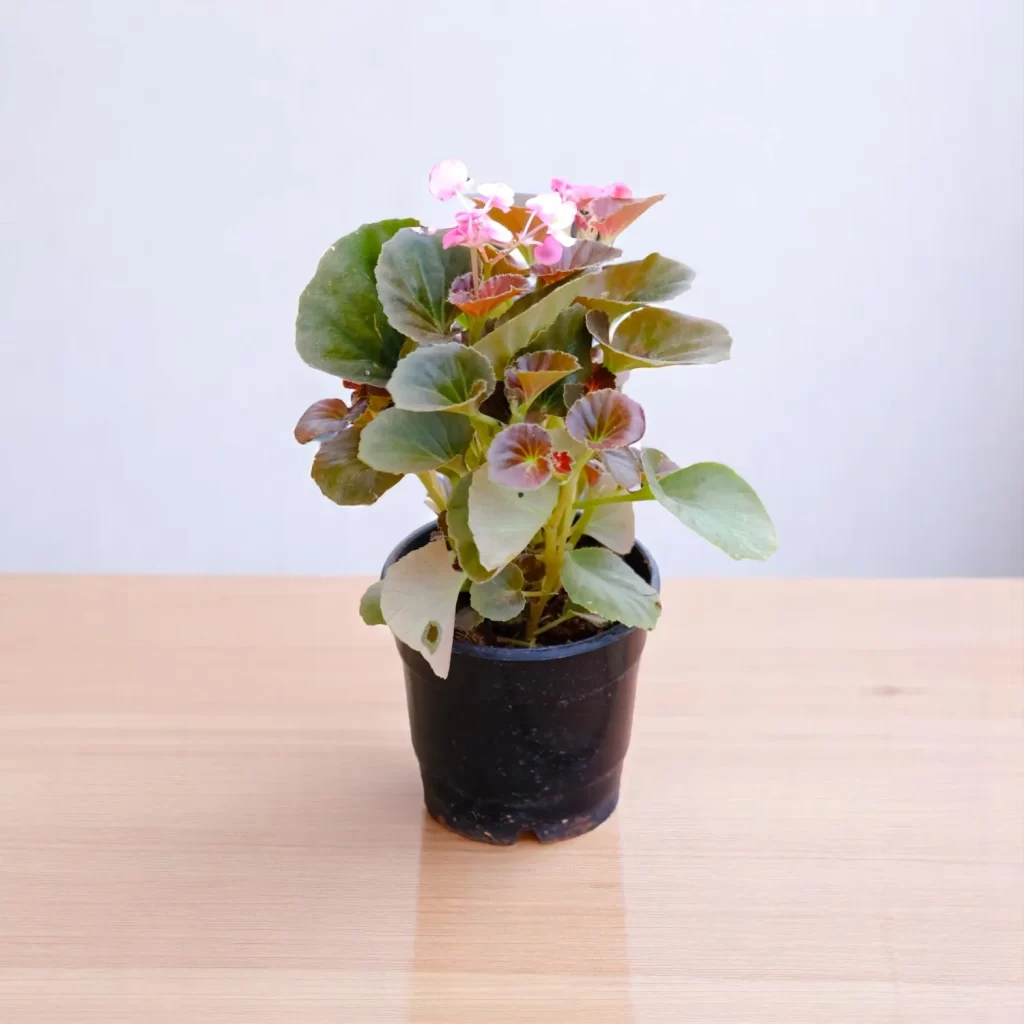
Best for: Indoor hanging baskets, tabletops, shaded balconies
Begonias are versatile, colorful, and delicate-looking—but tougher than they appear. Many begonias, including angel-wing and rex varieties, produce beautiful flowers in low-light indoor conditions.

Why It Thrives Indoors
Begonias naturally grow in the understory of forests where light is filtered. Indoors, they flourish in diffused light, making them perfect for shaded corners.
Care Requirements
- Light: Bright to medium indirect light
- Water: Let soil dry slightly between watering
- Humidity: Moderate; avoid misting leaves to prevent mildew
- Soil: Well-draining potting mix with added perlite
Flowering Tip
Pinch back leggy stems to encourage bushier growth and more blossoms.
5. Orchid (Phalaenopsis or Moth Orchid)
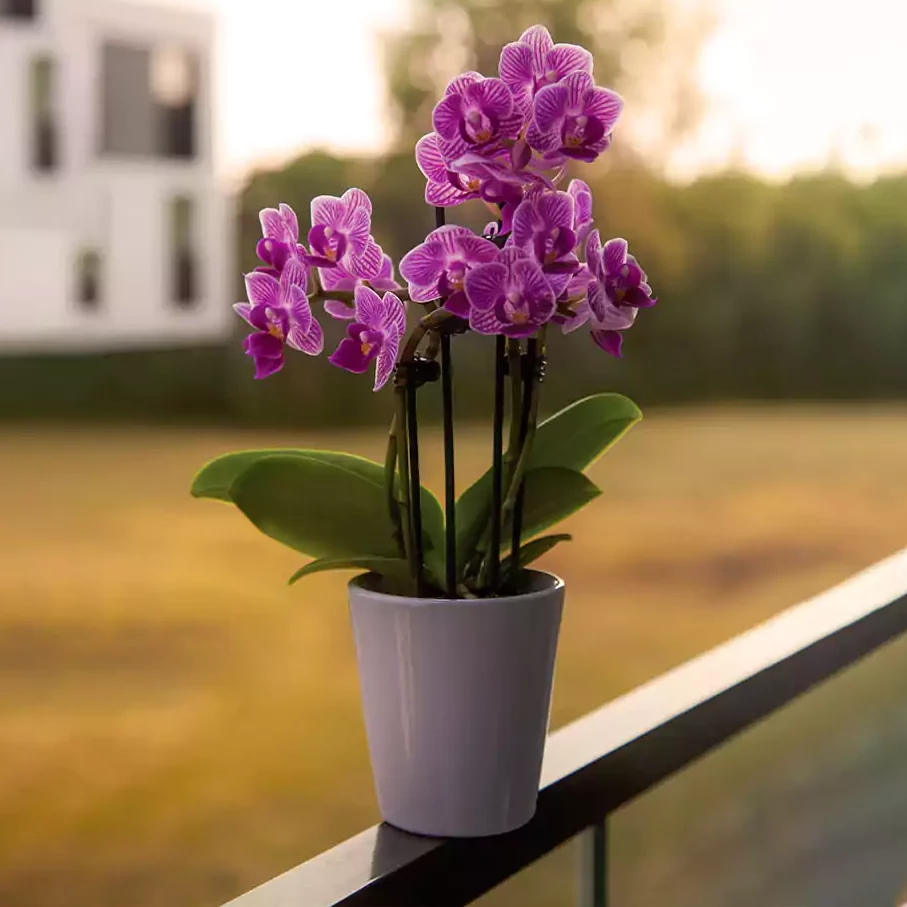
Best for: Bathrooms, kitchen counters, softly lit windows
Orchids often seem intimidating to beginners, but moth orchids, in particular, are far easier to care for than their reputation suggests. These elegant plants bloom stunningly in low to medium light.
Why It Thrives Indoors
Phalaenopsis orchids prefer the warm, humid conditions often found in bathrooms and kitchens. Soft filtered light replicates the shade of their native tropical environments.
Care Requirements
- Light: Medium to low indirect light
- Water: Weekly soaking; let roots dry out between waterings
- Humidity: High (use trays with pebbles and water)
- Soil: Orchid bark or moss
Flowering Tip
After blooms fade, cut the flower spike slightly above the lowest node to encourage reblooming.
6. Cyclamen
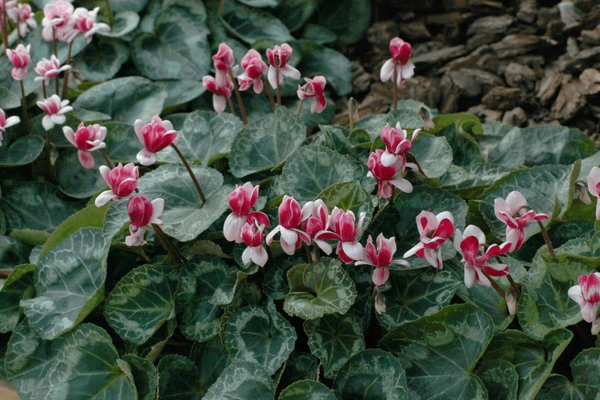
Best for: Cool indoor spaces, winter color
Cyclamen is a beautiful indoor plant known for its heart-shaped leaves and delicate blossoms that appear to dance above the foliage. These flowers thrive during cooler months and handle low lighting conditions very well.

Why It Thrives Indoors
Cyclamen is naturally a winter-blooming plant that prefers low light and cool temperatures—conditions that often challenge other indoor flowers.
Care Requirements
- Light: Low to moderate indirect light
- Water: Water from below to avoid crown rot
- Humidity: Moderate
- Soil: Rich, well-drained potting soil
Flowering Tip
Keep cyclamen away from heaters or radiators. Cooler temperatures encourage longer flowering cycles.
7. Kalanchoe
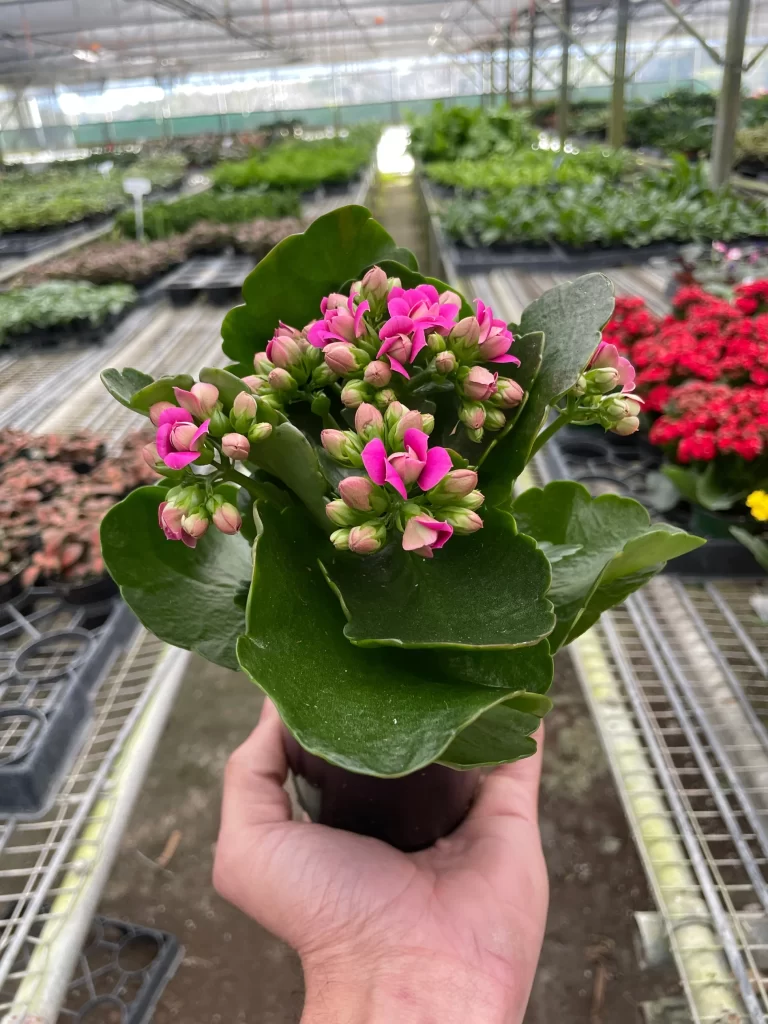
Best for: Shelves, desks, living room tables
Kalanchoe is a hardy succulent that produces clusters of tiny, brightly colored flowers in red, orange, yellow, pink, and white. It is incredibly low maintenance and thrives in moderate light, making it a reliable indoor bloomer.
Why It Thrives Indoors
Kalanchoe stores water in its fleshy leaves, meaning it tolerates low light and infrequent watering like a champion.
Care Requirements
- Light: Medium light—tolerates shade
- Water: Allow soil to dry completely between waterings
- Humidity: Low to moderate
- Soil: Cactus or succulent mix
Flowering Tip
Kalanchoe needs about 14 hours of darkness for several weeks to rebloom—a process easily achieved indoors by simply covering the plant or placing it in a dark closet at night.
How to Help Shade-Loving Flowers Thrive Indoors
Even low-light flowers have needs. Follow these tips to keep them blooming beautifully:

1. Avoid Direct Sunlight
Direct rays can scorch shade-loving plants, especially their delicate leaves and petals.
2. Use Sheer Curtains
Curtains soften harsh light, creating perfect diffused conditions for indoor flowers.
3. Rotate Plants Regularly
This helps them grow evenly and prevents leaning toward the light source.
4. Don’t Overwater
Low-light plants grow more slowly and require less water. Overwatering is the leading cause of indoor plant failure.
5. Maintain Proper Humidity
Many shade-loving flowers come from tropical environments and appreciate regular misting or humidity trays.
6. Fertilize Lightly
Use a gentle bloom-boosting fertilizer every 4–6 weeks during growing season.
7. Clean the Leaves
Dust can block light absorption, hindering growth and flowering.
Final Thoughts
Indoor spaces lacking natural sunlight don’t have to be dull or flowerless. These seven shade-loving flowers—peace lilies, African violets, bromeliads, begonias, orchids, cyclamen, and kalanchoe—are perfectly suited for low-light environments. Their resilience, beauty, and ability to bloom indoors make them ideal choices for apartments, offices, shaded living rooms, and any home that needs a touch of nature.
With the right care and attention, your indoor garden can flourish beautifully, offering color and freshness throughout the year—even in the shadiest corners.