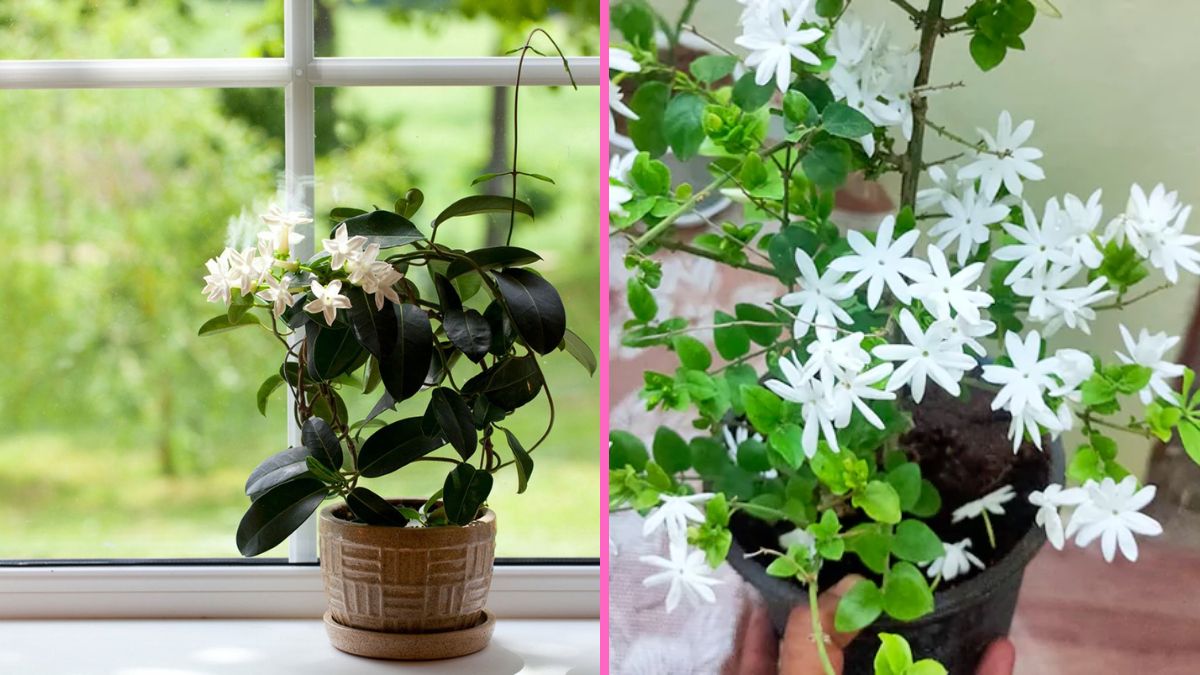
There’s nothing quite like the sweet, intoxicating scent of jasmine drifting through warm evening air. For centuries, jasmine has been cherished in gardens around the world for its delicate white blooms and luxurious fragrance. But what if you don’t have a garden—just a small balcony? The good news is that jasmine thrives exceptionally well in containers, making it a perfect choice for apartment dwellers or anyone with limited outdoor space. With the right conditions and a little care, you can transform your balcony into a miniature oasis filled with the unmistakable perfume of jasmine.
Whether you’re a seasoned plant lover or a beginner looking for your first fragrant flower, this guide will walk you through everything you need to know about how to grow fragrant jasmine on your balcony—from choosing the right variety to pruning, watering, and encouraging abundant blooms.
Why Jasmine Is Perfect for Balcony Gardening
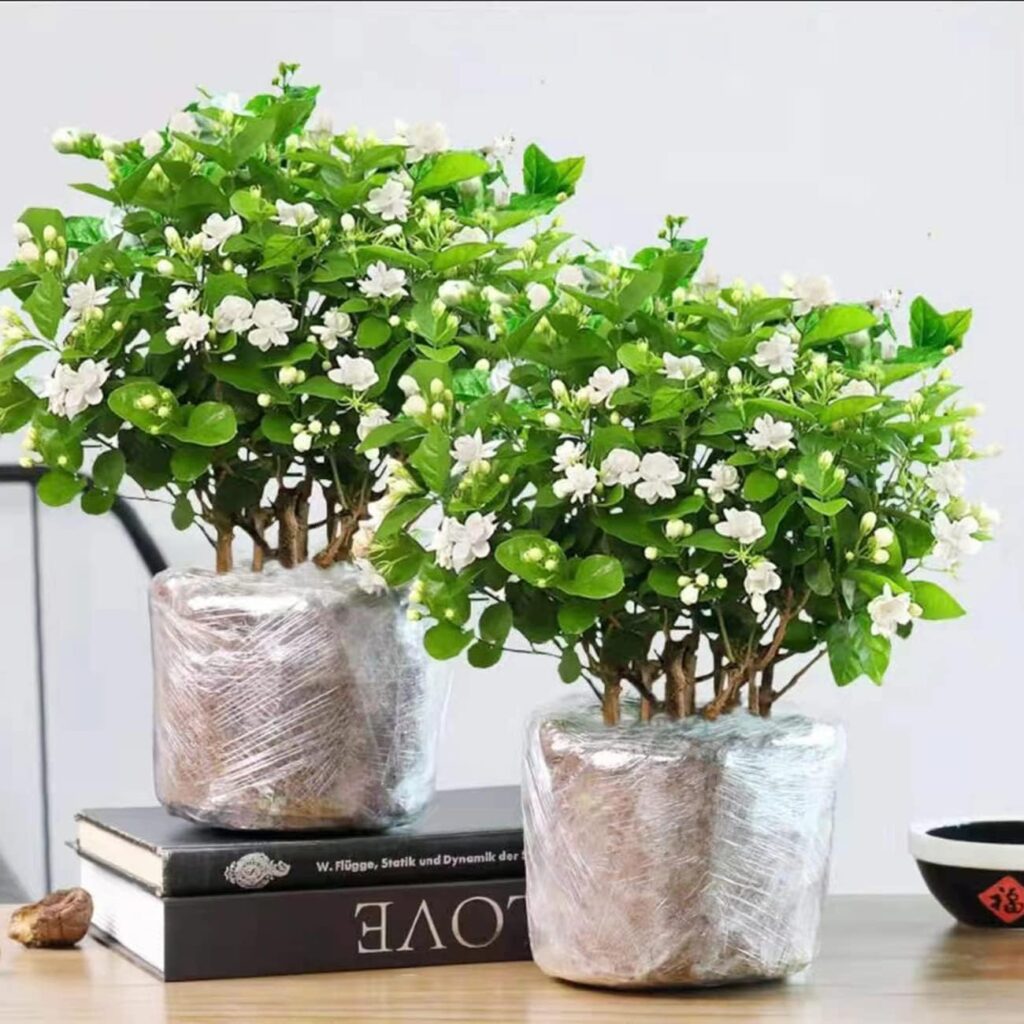
Jasmine is a natural fit for balcony gardens because:
1. It grows beautifully in containers
Many types of jasmine have shallow root systems that adapt well to pots, making them easy to manage and maintain.
2. It’s incredibly fragrant
Even a single plant can fill your entire balcony—and sometimes your home—with its sweet scent.
3. It’s fast-growing
With proper care, jasmine can grow quickly and produce flowers within its first year.
4. It offers both beauty and privacy
Vining jasmine can be trained along railings or trellises, creating a living screen that adds privacy and charm.

If you’re looking to add greenery, fragrance, and a touch of tropical elegance to your outdoor space, jasmine is one of the best choices.
Step 1: Choose the Right Jasmine Variety for Your Balcony
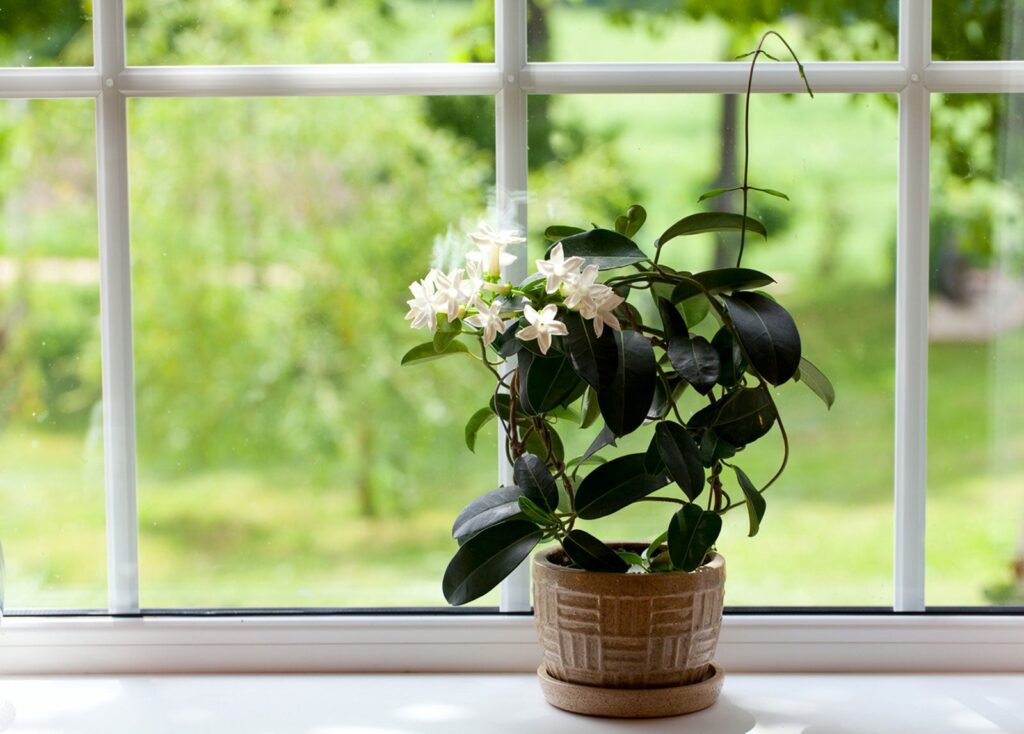
Not all jasmine plants are the same. Some are hardy and fragrant, while others are grown primarily for their appearance. For balcony gardening, these varieties are ideal:
1. Jasminum sambac (Arabian Jasmine)
- One of the most fragrant jasmines in the world
- Blooms repeatedly throughout the year in warm climates
- Compact and manageable—perfect for pots
2. Jasminum officinale (Common Jasmine)
- Vigorous climber with intensely fragrant blooms
- Excellent for training on railings or trellises
- Loves full sun
3. Jasminum polyanthum (Pink Jasmine)
- Early spring bloomer
- Bursts with hundreds of small pink-tinged white flowers
- Strong fragrance that spreads quickly
4. Star Jasmine (Trachelospermum jasminoides)
- Not a true jasmine, but highly fragrant
- Evergreen foliage—great for year-round interest
- Ideal for balconies exposed to wind
If your balcony is small, Arabian jasmine is often the best pick because of its compact growth. If you want a climbing wall of blooms, choose common jasmine or star jasmine.
Step 2: Pick the Right Container
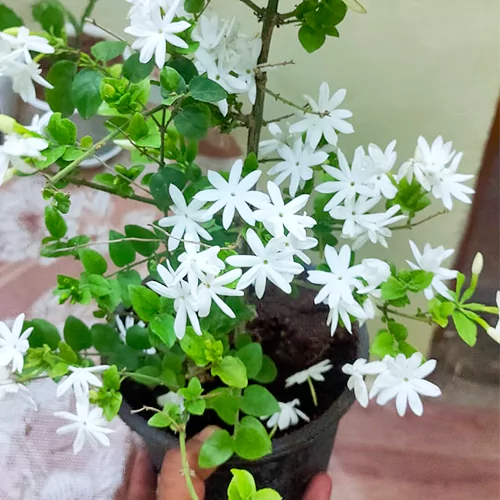
Jasmine grows best when its roots have room, but the pot shouldn’t be too large initially.
Container size recommendations:
- Small balcony / small plant: 10–12 inch pot
- Medium climber: 14–16 inch pot
- Large jasmine vine: 18–20 inch container
Material matters:
- Clay pots: Best drainage, keep soil cooler
- Plastic pots: Lightweight, easy to move
- Ceramic pots: Beautiful but heavy
Make sure your pot has drainage holes, as jasmine hates waterlogged soil.
Step 3: Provide Support for Climbing Varieties
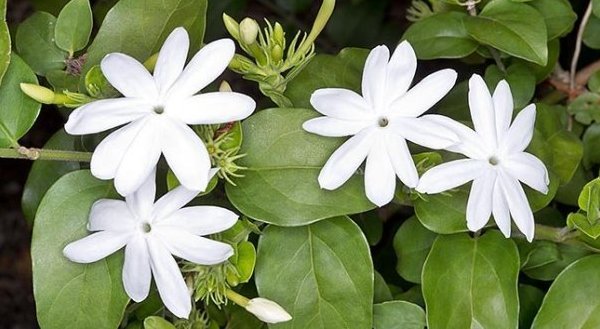
If you’re growing a vining jasmine, it will need something to climb.
Great balcony-friendly supports:
- Trellises
- Bamboo stakes
- Balcony railings
- Wall-mounted grid panels
- Metal arches
Training jasmine upward not only saves space but also helps spread fragrance through the air.
Step 4: Use the Right Soil Mix
Jasmine prefers a fertile, well-draining potting mix. Use:
- 60% high-quality potting soil
- 20% compost for nutrients
- 20% perlite or sand for good drainage
The soil should be light and airy. Heavy or soggy soil leads to root rot.
Step 5: Give Jasmine the Perfect Light
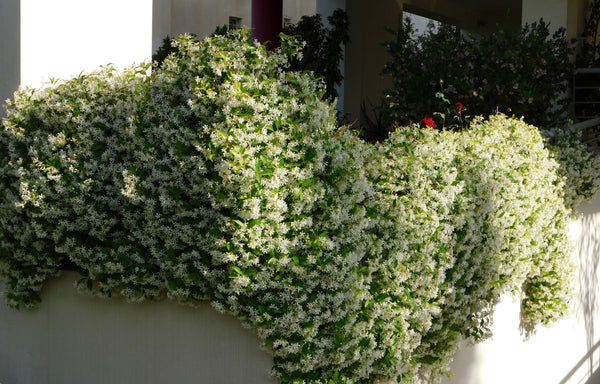
Jasmine loves sunlight.
Most varieties need 4–6 hours of direct sunlight per day to bloom well.
- South- or West-facing balconies: Best for jasmine
- East-facing: Good, but may result in fewer blooms
- North-facing: Too little light—choose a shade-tolerant plant instead
If your balcony has partial shade, choose star jasmine or Arabian jasmine, which tolerate lower light better than other types.
Step 6: Water Properly for Healthy Blooms
Watering jasmine in containers requires balance:
Watering rules for balcony jasmine:
- Keep soil consistently moist, but never soggy
- Water when the top inch of soil feels dry
- In hot summers, you may need to water once daily
- Reduce watering in winter
Signs of overwatering:
- Yellow leaves
- Dropping buds
- Mushy stems
Signs of underwatering:
- Crispy leaves
- Dry soil pulling away from the pot edges
Jasmine appreciates humidity, so misting the leaves occasionally will help it thrive—especially in dry climates.
Step 7: Fertilize for Fragrance and Full Blooms
Jasmine blooms vigorously when well-fed.
Ideal fertilizers:
- Balanced liquid fertilizer (10-10-10) every 2–3 weeks in growing season
- High-phosphorus fertilizer to encourage more flowers
- Organic options like compost tea or fish emulsion
Avoid over-fertilizing, as too much nitrogen can cause leafy growth instead of flowers.
Step 8: Prune Your Jasmine to Keep It Compact and Blooming
Pruning is essential for balcony jasmine because it:
- Encourages more blooms
- Prevents the plant from becoming leggy
- Helps maintain a neat shape
- Stimulates fresh growth
How to prune properly:
- Prune lightly after a major blooming cycle
- Remove dead or tangled branches
- Trim the tips to encourage branching
- For climbers, train new growth along your support structure
Most jasmines tolerate pruning very well and respond with bursts of new flower buds.
Step 9: Protect Your Jasmine from Pests
Balcony plants are not immune to pests, especially fragrant flowering varieties.
Common jasmine pests:
- Aphids
- Spider mites
- Whiteflies
- Mealybugs
How to treat them:
- Spray with neem oil
- Use insecticidal soap
- Rinse leaves with water weekly
- Keep the plant well-ventilated
Healthy jasmine grown with proper sunlight and watering rarely suffers from severe pest issues.
Step 10: Winter Care for Balcony Jasmine
Depending on your climate, jasmine may need winter protection.
If winters are mild (10°C to 15°C):
- Jasmine can stay outdoors year-round
- Reduce watering
- Place it in a bright spot
If winters are cold (below 5°C):
- Bring jasmine indoors
- Keep it near a sunny window
- Continue light watering
- Avoid placing it near heaters
Some varieties like star jasmine are more cold-tolerant, while Arabian jasmine is more sensitive to frost.
How to Encourage More Fragrance
More blooms equal more scent, but these tips help intensify fragrance:
1. Give plenty of sunlight
Sun exposure increases essential oil production.
2. Ensure good air circulation
Fragrance disperses better in open spaces.
3. Avoid overwatering
Mild stress can enhance scent in many aromatic plants.
4. Fertilize with a bloom booster
More flowers = stronger smell.
Creative Ways to Decorate Your Balcony with Jasmine
1. Create a fragrant privacy screen
Train jasmine along balcony railings for a lush green wall.
2. Hang jasmine in baskets
Compact varieties spill beautifully over the edges.
3. Design a “scent corner”
Combine jasmine with other fragrant plants like lavender, mint, or gardenia.
4. Place jasmine near seating areas
Enjoy its fragrance during morning tea or evening relaxation.
5. Use decorative trellises
Add charm and structure to your balcony while supporting the vines.
Growing fragrant jasmine on your balcony is easier than it may seem. With the right variety, good sunlight, consistent care, and a proper potting setup, jasmine rewards you with lush greenery and breathtaking fragrance that fills your outdoor space.
Final Thoughts
Even small balconies can be transformed into calming, aromatic retreats with just one or two well-placed jasmine plants. Whether your goal is to enjoy the evening scent, create privacy, or add a touch of elegance, jasmine is one of the best choices for container gardening.