If you’ve ever opened a can of tomato paste to use just one tablespoon for a recipe, you know the dilemma that follows. The rest of that thick, rich paste usually ends up sitting in the fridge, where it slowly turns dark, crusty, and unappetizing. A week later, it’s destined for the trash.
I used to be guilty of this waste every single time I cooked something that required tomato paste. Whether I was making chili, pasta sauce, or soup, I’d open a new can, scoop out what I needed, and tell myself I’d use the rest soon. Of course, “soon” rarely came—and the leftovers would spoil before I remembered them.
That changed the day I discovered a simple kitchen trick that completely solved the problem: freezing leftover tomato paste. It sounds basic, but this small habit has saved me time, money, and waste—and it keeps my cooking ingredients fresh and ready whenever I need them. Here’s how I started doing it, why it works so well, and why I’ll never go back.
The Problem with Tomato Paste
Tomato paste is a powerhouse ingredient. Made by cooking down tomatoes until they’re thick and concentrated, it delivers a deep, savory umami flavor that can instantly elevate soups, sauces, stews, and marinades. But most recipes only call for a tablespoon or two—far less than the amount in a standard 6-ounce can.
The problem is that tomato paste doesn’t last long once opened. Even if you tightly cover it and refrigerate it, it typically spoils within a week. The top layer darkens, mold can appear, and the flavor changes. Throwing it out feels wasteful, especially when you’ve only used a small portion.
At first, I tried keeping opened cans in the fridge, covering them with foil or plastic wrap, or transferring the paste to a small airtight container. None of it worked for long. The paste always ended up drying out or going bad before I used it again.

That’s when I stumbled upon the freezing method—something so simple that I wished I’d learned it years ago.
The Simple Freezing Trick That Changed Everything
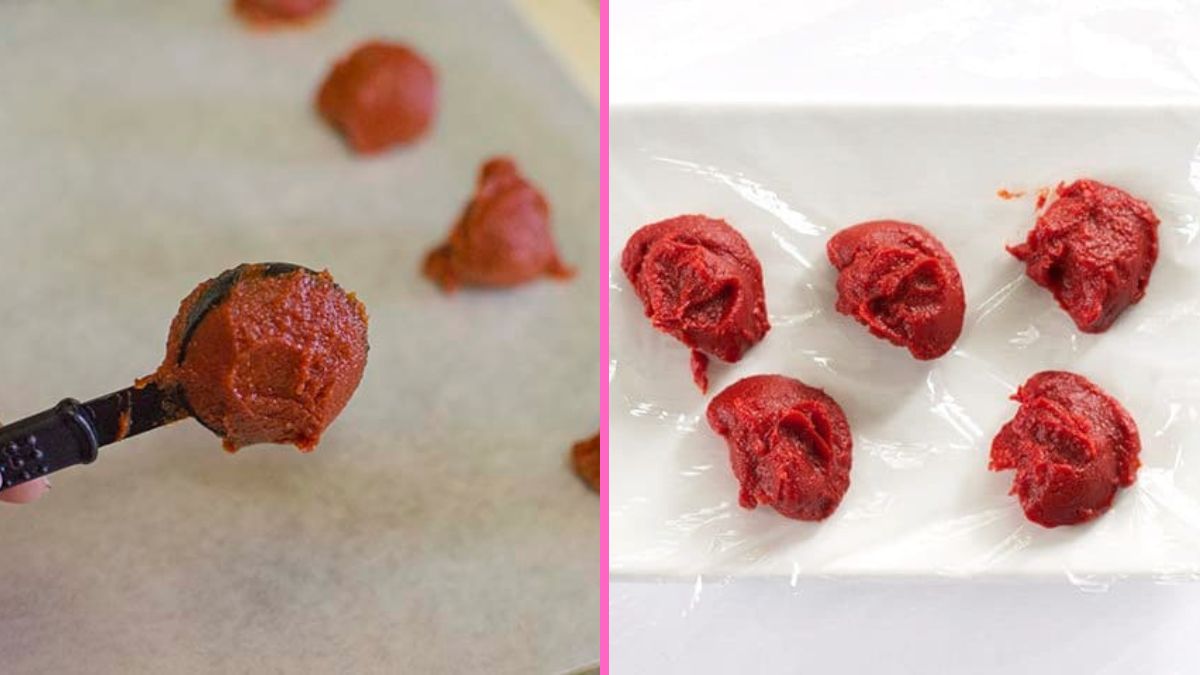
Freezing tomato paste couldn’t be easier. The idea is to portion out the leftover paste into small, single-use servings and store them in the freezer. That way, you can pop out exactly what you need next time without thawing a whole batch.
Here’s how I do it:
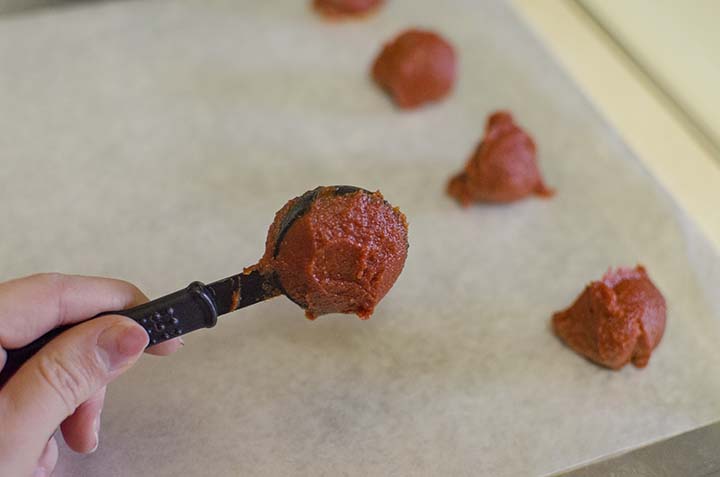
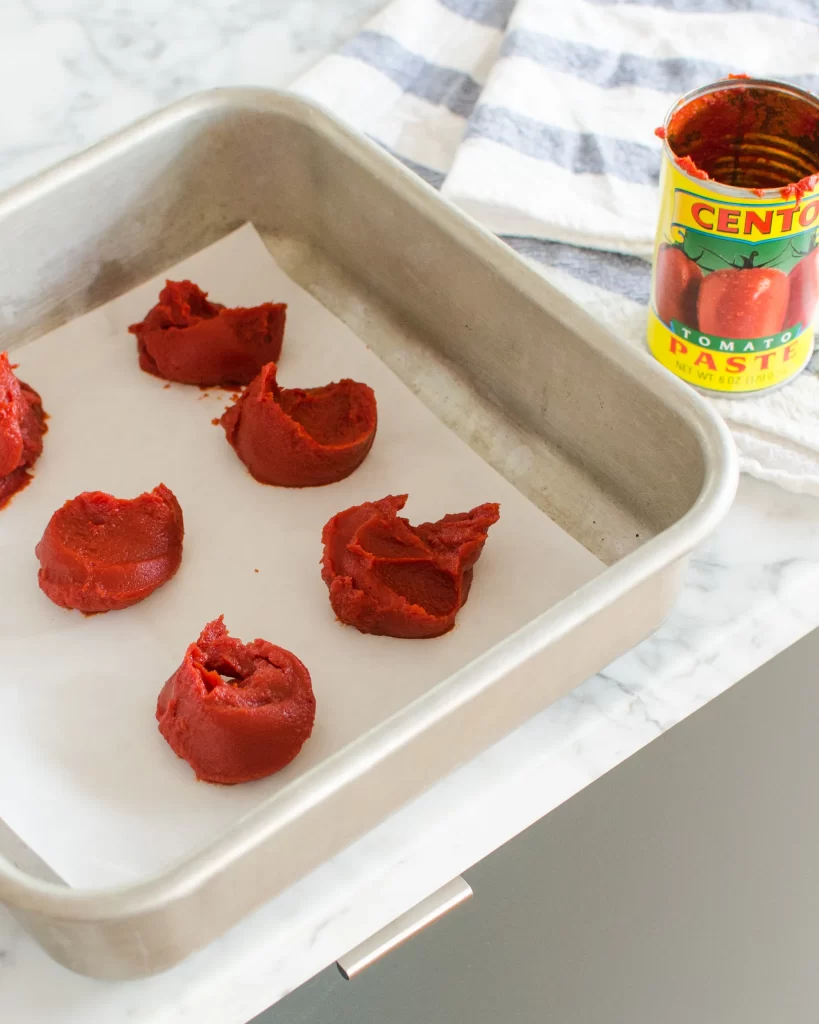
- Scoop out the leftover paste. Once I’ve used what I need for my recipe, I spoon the remaining tomato paste into small portions—usually about one tablespoon each.
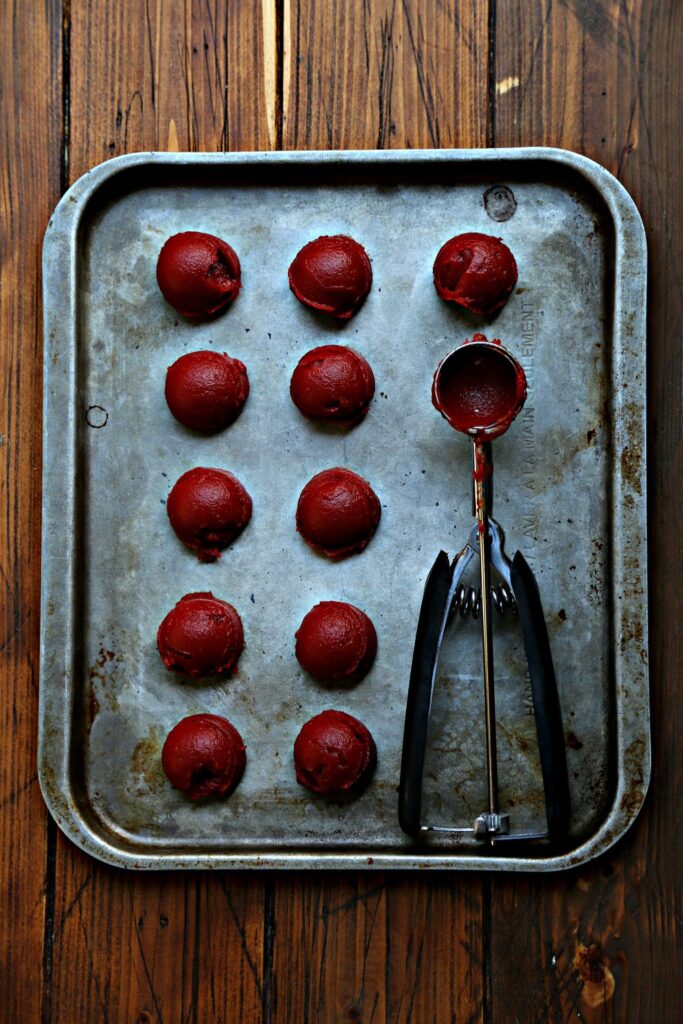
- Portion it out on parchment or in an ice cube tray.
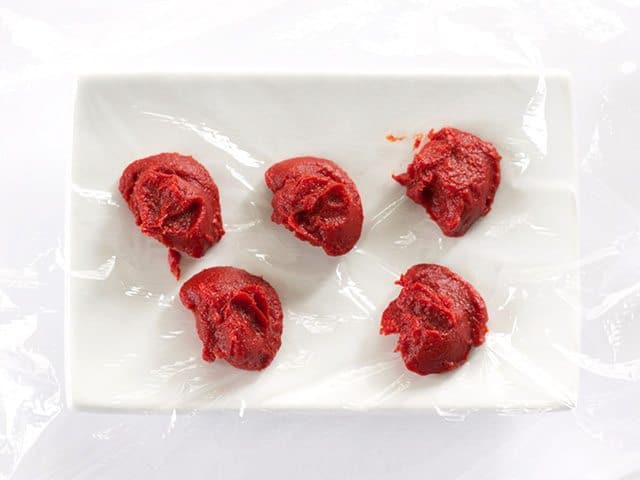
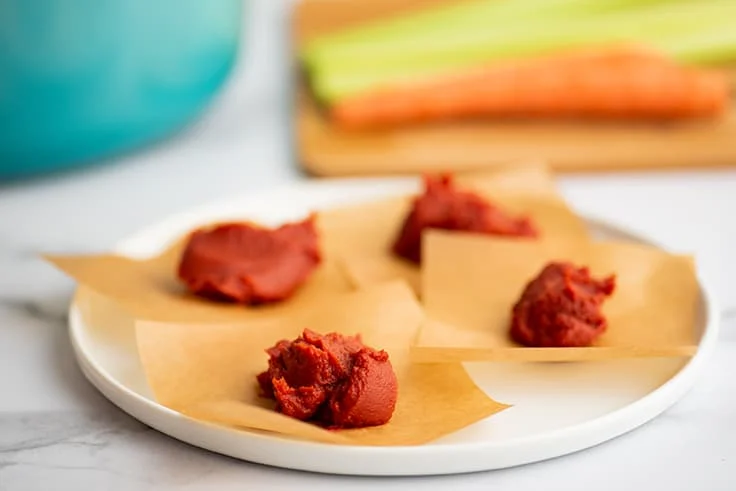
- The easiest method is to line a plate or baking sheet with parchment paper and drop tablespoon-sized mounds of tomato paste on it.
- Alternatively, you can use an ice cube tray (a silicone one works best) and fill each compartment with paste.
- Freeze until solid. Place the tray or plate in the freezer for about two to three hours, until the paste portions are firm.
- Transfer to a freezer bag. Once the tomato paste “cubes” are frozen, I pop them into a labeled freezer-safe bag or container.
- Store and use as needed. The portions last up to three months without losing flavor. Whenever a recipe calls for tomato paste, I just grab one or two cubes and toss them straight into the pot—no thawing needed.
It’s quick, clean, and incredibly convenient.
Why This Works So Well
There are a few reasons this simple freezing method makes such a difference:
- Prevents waste: You never have to throw away leftover paste again. Each portion is perfectly measured for future recipes.
- Saves time: You don’t need to open a new can every time you cook. Just grab what you need from the freezer.
- Preserves flavor: Freezing locks in the tomato paste’s freshness and prevents oxidation or mold.
- Flexible portions: You can portion it in any size—teaspoons for small recipes, tablespoons for sauces, or even larger scoops if you cook in bulk.
The first time I tried this, I made a batch of frozen tomato paste “buttons.” A month later, I used one straight from the freezer in a soup, and it blended perfectly. The flavor was just as rich and intense as the day I froze it.
The Ice Cube Tray Method
While the parchment paper method works, using an ice cube tray is my personal favorite. Each cube equals roughly one tablespoon, which makes measuring effortless.
Here’s a quick variation of the process:
- Spoon the leftover paste into an ice cube tray.
- Smooth the tops with the back of a spoon so the cubes are even.
- Freeze until hard, then transfer to a freezer bag.
- Label the bag with the date and portion size.
Because tomato paste is sticky, silicone trays make it much easier to pop out the frozen cubes. If you use a plastic tray, you can dip the bottom in warm water for a few seconds to loosen them.
Bonus Trick: Freeze It in Thin Layers
If you often need just a teaspoon or two rather than a whole tablespoon, there’s another clever option: freeze tomato paste in thin layers.
Spread the leftover paste evenly inside a zip-top freezer bag, flatten it out, and seal tightly. Lay it flat in the freezer. Once frozen, you can break off small pieces as needed.
This method saves space and gives you maximum flexibility in portion size. It’s especially handy if you cook small meals or single servings.
How Long Frozen Tomato Paste Lasts
Frozen tomato paste stays good for up to three months, though I’ve personally used it up to six months later without any noticeable loss in flavor. To keep it tasting its best:
- Remove as much air as possible from the storage bag before sealing.
- Store it toward the back of the freezer, away from fluctuating temperatures.
- Keep it well-labeled with the date you froze it.
When you’re ready to use it, there’s no need to thaw in advance. Simply drop the frozen portion directly into your simmering sauce, soup, or stew—it will melt within minutes.
Recipes Where Frozen Tomato Paste Works Perfectly
Freezing tomato paste doesn’t limit its use at all. In fact, it makes it even easier to add that deep tomato flavor to your dishes without waste. Here are some of my favorite ways to use frozen tomato paste cubes:
- Soups and stews: Drop a cube into vegetable soup, lentil stew, or chili for a richer base.
- Pasta sauces: Add one or two cubes to sautéed onions and garlic to form a flavorful sauce.
- Curries: Tomato paste adds a subtle sweetness and depth to Indian or Mediterranean-style curries.
- Homemade pizza sauce: Mix a cube with olive oil, herbs, and a splash of water for quick pizza sauce.
- Marinades and glazes: Combine with balsamic vinegar, honey, or soy sauce for a tangy, savory glaze.
Having tomato paste cubes on hand means I can add flavor on a whim without opening a new can or worrying about spoilage.
A Small Change That Saves Money and Reduces Waste
Before I started freezing my leftovers, I was probably throwing away half of every can I opened. Over time, that adds up—both in money and in wasted food. A can of tomato paste might be inexpensive, but food waste as a habit costs more than most people realize.
Freezing not only saves that leftover paste but also encourages a more mindful approach to cooking. It’s one of those small, sustainable habits that make you feel good every time you open the freezer and see neat little portions ready to go.

And because tomato paste is so concentrated, even a single cube can transform a dish, making every bit count.
Extra Tip: Try the Same Method with Other Ingredients
Once I realized how well this worked for tomato paste, I started applying the same concept to other perishable cooking ingredients. It turns out, many common items can be frozen in small portions to prevent waste:
- Herb pastes (like basil pesto or ginger-garlic paste)
- Coconut milk (perfect for curries or smoothies)
- Broth or stock (great for deglazing pans)
- Chipotle peppers in adobo sauce (for when you only need one pepper at a time)
Freezing small portions of these ingredients has made my kitchen more organized and my cooking far more efficient.
Final Thoughts
What started as a small experiment to save a bit of tomato paste has turned into one of my favorite kitchen hacks. Freezing leftover tomato paste has completely eliminated waste in my kitchen, made meal prep faster, and preserved that rich tomato flavor for whenever I need it.
It’s one of those tiny, effortless habits that delivers big rewards: less waste, more savings, and better-tasting food.
Now, when I open a can of tomato paste, I no longer feel the pressure to plan multiple tomato-based meals in a week. Instead, I portion out the extra, freeze it, and forget about it—until I need that next burst of umami goodness in a soup or sauce.
So if you’re tired of scraping dried tomato paste out of a forgotten container in your fridge, give this freezing method a try. You’ll never waste a drop again—and your future self will thank you every time you open the freezer to find a ready-to-use cube of rich, flavorful tomato paste waiting for you.