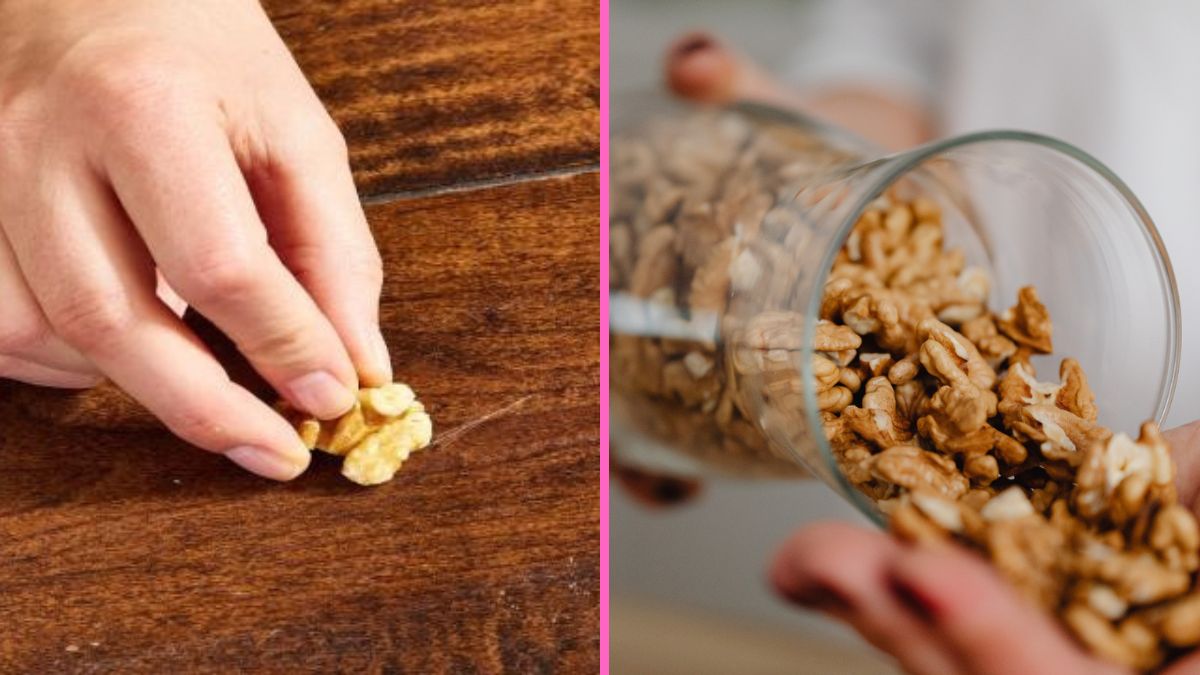
We’ve all been there—you glance at your favorite wooden coffee table or nightstand and notice a light scratch that wasn’t there before. Maybe it’s from your cat, a set of keys, or just the wear and tear of everyday life. Wooden furniture, while timeless and beautiful, tends to show its age through these little imperfections.
Like most people, I assumed the only solution was to either live with the scratches or invest in professional refinishing products. But then I came across an unusual household hack: rubbing a walnut on scratched wood to make the marks vanish. It sounded almost too simple—and definitely too strange—to be true.
Curiosity got the better of me, so I decided to try it. To my surprise, this simple trick actually worked. Here’s what happened, why it works, and how you can use it to bring your furniture back to life naturally.
The Simple Walnut Trick That Went Viral
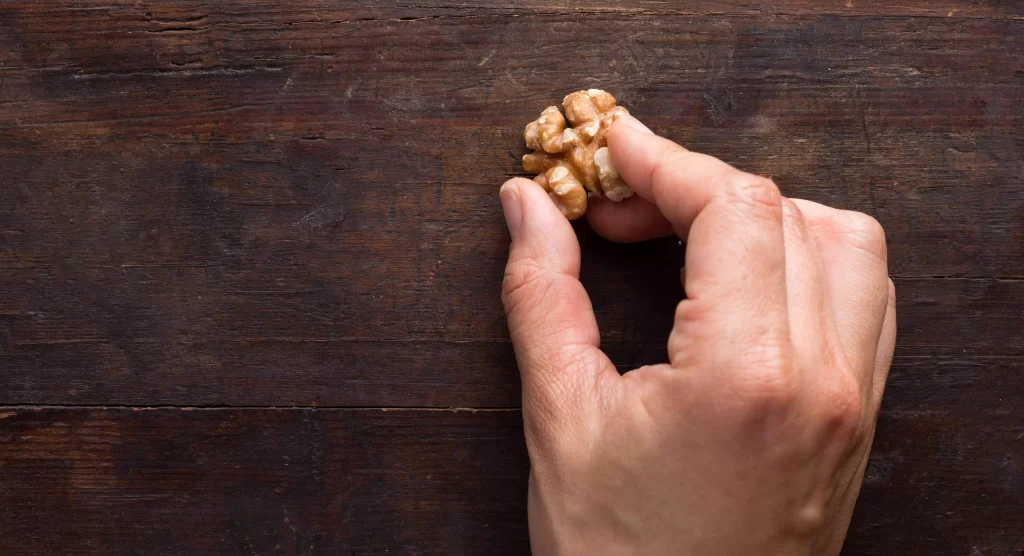
I first learned about this idea while scrolling through a home improvement forum. Someone posted before-and-after photos of a scratched wooden dresser that looked freshly restored after they’d rubbed a walnut over it. The transformation seemed dramatic—the scratches virtually disappeared.
Skeptical but intrigued, I decided to test it on a small wooden end table that had collected a few unsightly marks over the years. Armed with a single walnut from my pantry, I prepared to see if this DIY fix could really do what furniture polish often couldn’t.

How I Tried the Walnut Hack
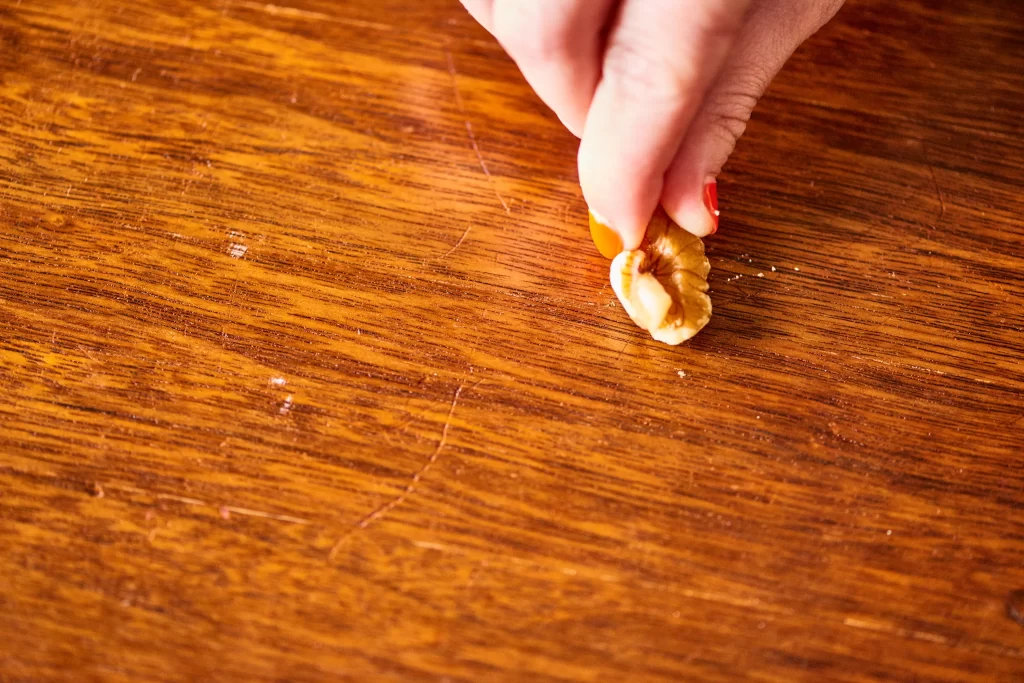
Here’s exactly what I did step-by-step:
- Cleaned the surface: I started by wiping down the scratched area with a soft cloth to remove any dust or debris. You don’t want dirt mixing in with the oils from the walnut.
- Cracked open a walnut: I removed the shell to expose the raw nut inside. (You can use any kind of walnut—raw, unsalted, and unroasted work best.)
- Rubbed the walnut over the scratch: Gently, I rubbed the nut directly onto the scratch, using small circular motions for about 20 seconds.
- Let it sit: I waited a few minutes to let the natural oils absorb into the wood.
- Buffed with a soft cloth: Finally, I buffed the area with a clean microfiber cloth.
To my amazement, the scratch blended almost completely into the surrounding wood. It didn’t disappear entirely like a magic trick, but it was so much less noticeable that you had to look very closely to find it.
Why It Actually Works

At first glance, the idea of using a walnut on furniture seems like an old wives’ tale. But there’s real science behind it.
1. Natural oils: Walnuts are rich in natural oils, including linoleic acid and oleic acid, which can penetrate the wood’s surface and restore some of its original color and shine. These oils act similarly to furniture polish, darkening the scratched area and making it blend with the surrounding finish.
2. Wood tinting: The brown pigment of the walnut also slightly tints the lighter exposed wood inside the scratch. This creates a more uniform appearance without needing synthetic dyes or paints.
3. Gentle abrasion: The soft texture of the nut meat acts as a mild abrasive, helping to smooth out the rough edges of minor surface scratches without damaging the finish.
Together, these effects make the scratch far less visible—especially on medium to dark-toned woods like walnut, cherry, or mahogany.
What Kinds of Scratches It Fixes
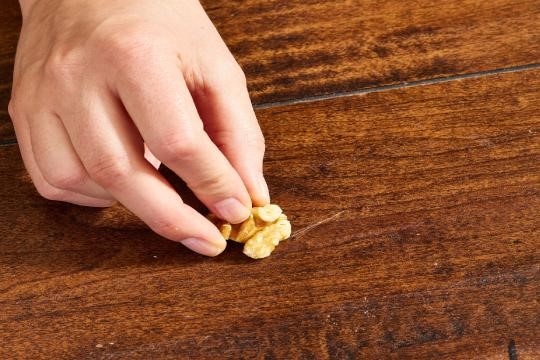
It’s important to note that the walnut trick isn’t a miracle cure for all wood damage. It works best on shallow, surface-level scratches where the finish is lightly worn but not gouged deeply.
Here’s when it works well:
- Fine hairline scratches or scuffs
- Marks where the varnish is dull or worn
- Small nicks caused by everyday use
And when it doesn’t work so well:

- Deep gouges or chips where wood is missing
- Scratches that have stripped the finish completely
- Painted or laminated furniture surfaces (the oil can’t penetrate these)
If your furniture has deeper damage, you may need wood filler, stain, or professional refinishing. But for light cosmetic marks, the walnut method is surprisingly effective.
Comparing It to Store-Bought Products
I’ve tried several commercial scratch-repair pens and polishes in the past. While many of them work, they often contain chemical dyes or silicones that can leave residue or an unnatural shine. Some are also color-specific, meaning you need to match your furniture’s exact wood tone.
The walnut hack, on the other hand, is natural, inexpensive, and safe for most finishes. It costs only a few cents per use and takes less than a minute to apply. Plus, it doesn’t leave any chemical smell or sticky residue behind.
However, it’s not a permanent fix. Over time, the effect fades as the oils dry out, especially in high-traffic areas. But you can easily reapply the walnut whenever needed—no special equipment required.
A Few Helpful Tips
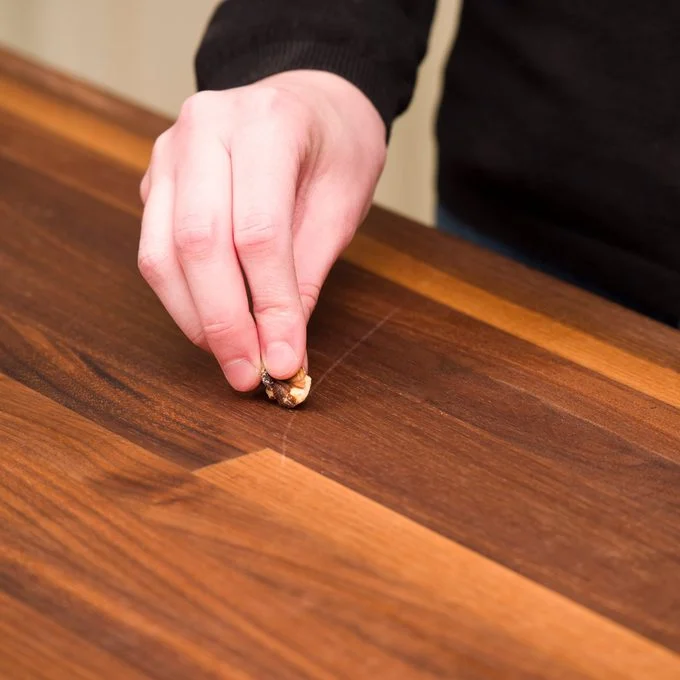
After experimenting on different pieces of furniture, here are a few tips to get the best results:
- Use a fresh walnut: Older or rancid nuts won’t release as much oil. Fresh, raw ones work best.
- Buff well: After rubbing, buff the area thoroughly to distribute the oil evenly and remove any excess residue.
- Be gentle: You don’t need to press hard. Let the oils do the work.
- Test first: Try it on a hidden section first to ensure it matches your furniture’s finish.
- Combine with olive oil: For added shine, you can mix a drop of olive oil on a cloth after applying the walnut. This enhances the sheen and helps seal the repair.
Alternative Natural Remedies
If you don’t have walnuts on hand, there are a few other natural household methods that can produce similar results:
- Pecans or Brazil nuts: Like walnuts, they contain natural oils that help hide scratches.
- Coconut oil and vinegar: Mix equal parts and rub gently into wood for a quick shine.
- Tea or coffee stain: Brewed tea or coffee can darken light scratches on darker furniture, though it requires careful color matching.
Still, walnuts remain one of the easiest and most effective options because they combine color, oil, and mild abrasion in one step.
The Environmental and Practical Benefits
One of the reasons I love this trick—beyond its instant results—is that it’s eco-friendly. Commercial wood polishes often come in plastic packaging and contain petroleum-based ingredients. The walnut trick, on the other hand, uses a biodegradable, waste-free material that you might already have in your kitchen.
It’s also a great way to extend the life of your furniture. Minor scratches can make a piece look old and worn, tempting people to replace it prematurely. But by restoring small imperfections naturally, you can keep your furniture looking fresh and reduce waste in the long run.
My Final Thoughts
When I first heard about rubbing a walnut on scratched furniture, I laughed it off as another viral “too good to be true” internet hack. But after trying it myself, I’m now a firm believer.

It won’t completely erase deep scratches or replace professional refinishing, but for everyday wear and tear, it’s surprisingly powerful. My once-scuffed end table now looks noticeably smoother and more polished—with no chemicals, no mess, and no cost.
Sometimes, the simplest old-fashioned remedies really do stand the test of time. Next time you spot a scratch on your wooden furniture, skip the expensive repair kit and reach for a walnut instead. You might be as amazed as I was to see those marks disappear—thanks to one humble little nut.