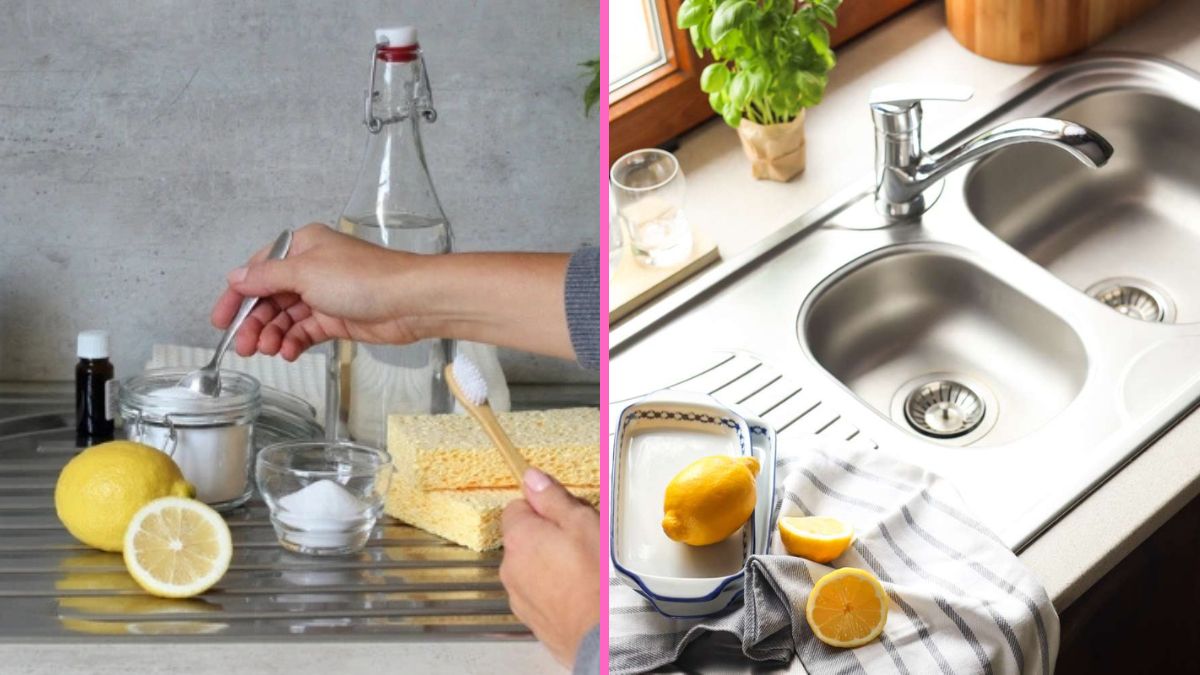
It started as a simple curiosity—one of those quick, two-ingredient cleaning hacks you scroll past on social media and wonder if it really works. I had been struggling with dull, water-stained stainless steel in my kitchen sink for weeks. Commercial cleaners promised shine but left behind chemical smells and streaks. Then I stumbled across a tip that said, “Mix lemon juice with salt and your sink will sparkle instantly.” It sounded too easy, too natural—almost suspiciously simple.
But that’s exactly what made me try it. The next morning, armed with half a lemon and a small bowl of salt, I decided to test this so-called miracle cleaner. What happened next was genuinely surprising. Not only did my sink look brand new within minutes, but the process itself turned out to be fascinating—a perfect combination of natural chemistry and sustainable cleaning.
Here’s what I discovered about why this lemon-and-salt trick works so well, how to do it correctly, and why I’ve completely ditched my store-bought cleaners ever since.
The Chemistry Behind the Magic
Before I even started scrubbing, I wanted to understand why this simple combo works. It turns out the secret lies in the natural chemistry between acid and abrasion.
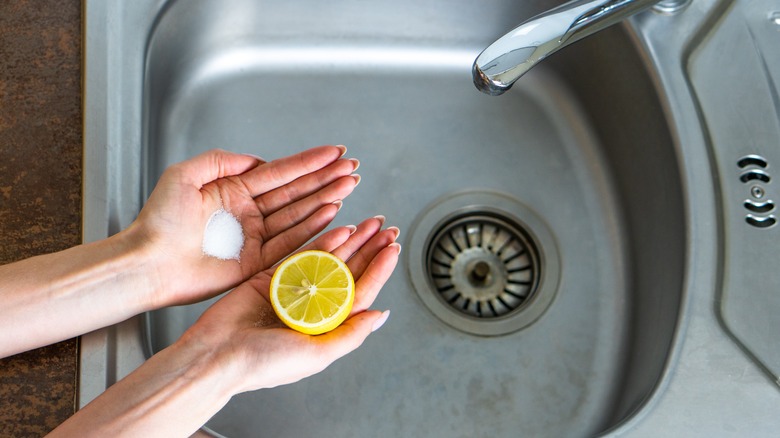
- Lemon juice contains citric acid, a mild but powerful natural cleaner. This acid helps dissolve mineral deposits, soap scum, and hard-water stains—all the things that make your sink look dull and grimy.
- Salt, on the other hand, is a gentle abrasive. Unlike harsh scouring powders, salt won’t scratch stainless steel, but it adds just enough grit to lift away stuck-on debris and tarnish.
When the two are combined, the result is a natural cleaning paste that cuts through grease, disinfects surfaces, and polishes metal to a gleaming finish. And the best part? It’s completely chemical-free, biodegradable, and safe for both the environment and your hands.

How I Tried It: Step-by-Step
Here’s exactly how I tested the lemon-and-salt method and got those sparkling results.
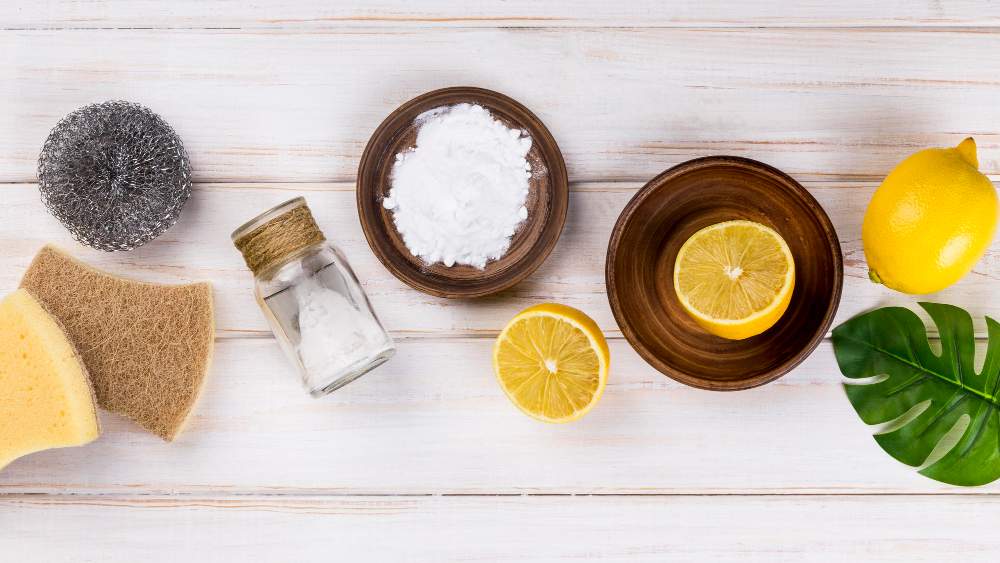
- Gathering the ingredients:
I grabbed a fresh lemon, a small bowl of table salt, and a sponge. Some people prefer using coarse sea salt for extra grit, but regular salt works perfectly fine. - Cutting the lemon:
I sliced a lemon in half, then squeezed it lightly to release a bit of juice onto the exposed surface. - Sprinkling the salt:
I poured about two tablespoons of salt directly onto the cut side of the lemon. The rough texture clung nicely, creating an instant scrubbing surface. - Scrubbing the sink:
Using the lemon half like a natural sponge, I began rubbing it across the sink’s surface. Immediately, I could feel the difference—the salt was scrubbing away buildup while the lemon juice spread evenly, releasing a clean, citrusy aroma. - Rinsing and drying:
After a few minutes of circular scrubbing, I rinsed the sink with warm water. Then I dried it with a microfiber cloth. The result? A mirror-like shine that looked freshly polished and smelled like sunshine.
The transformation was instant. The dull spots and water stains vanished, the metal gleamed, and even the drain area looked renewed. I couldn’t believe that something so simple worked better than any store-bought cleaner I’d used.
Why Lemon Juice and Salt Are a Dream Team
The beauty of this natural cleaning method lies in how perfectly balanced it is. Each ingredient enhances the other.
- The acidity of lemon juice helps break down calcium deposits, rust stains, and soap residue. It’s also naturally antibacterial, making it ideal for kitchen surfaces.
- The abrasiveness of salt lifts away particles that are stuck to the sink’s surface. Because salt grains dissolve gradually, you get a gentle scrubbing effect without scratching the metal.
- The combination creates a mild chemical reaction that helps loosen grime and enhance shine. Plus, the fresh lemon scent leaves the kitchen smelling clean without artificial fragrances.
Essentially, this duo acts like a natural polish that both cleans and restores luster—a perfect example of nature providing everything we need for everyday cleaning.
The Surprising Versatility of This Mix
After seeing what it did to my sink, I started experimenting with lemon juice and salt on other surfaces—and it turns out, the combo works wonders in many places around the house.

- Cutting boards: The mixture removes stains and odors from wooden and plastic boards. Sprinkle salt, rub with half a lemon, let it sit for five minutes, and rinse. It deodorizes and disinfects naturally.
- Faucets and handles: Lemon’s acid removes water spots and soap buildup, while salt polishes without scratching.
- Pots and pans: Stuck-on grease or discoloration from stainless steel or copper cookware can be lifted with the same lemon-and-salt method.
- Bathroom sinks and fixtures: It’s just as effective on porcelain or chrome as in the kitchen. The antibacterial power of lemon helps keep these high-touch areas hygienic.
- Garbage disposal deodorizer: Toss a few lemon halves with salt into the drain and run cold water—the combo cleans blades and neutralizes odors naturally.
After a week, I found myself reaching for lemons and salt every time I wanted to clean something. I realized this wasn’t just a trick for one chore—it was a lifestyle upgrade toward simpler, more sustainable living.
The Eco-Friendly Advantage
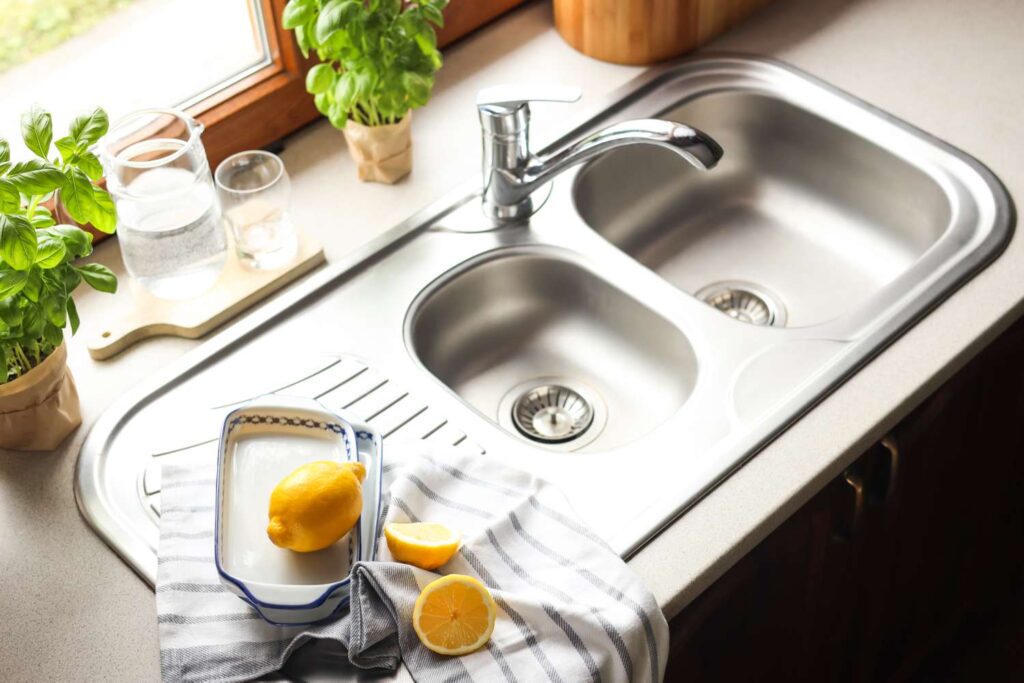
One of the best parts of this discovery is how environmentally friendly it is. Most commercial cleaners contain harsh chemicals like bleach, ammonia, and synthetic fragrances that can harm aquatic ecosystems when washed down the drain.
Lemon juice and salt, by contrast, are completely biodegradable and non-toxic. They’re safe for septic systems, kids, and pets. Plus, using natural ingredients reduces packaging waste—no plastic bottles, no spray triggers, no disposable wipes.
Switching to this homemade cleaner felt like a small but meaningful step toward reducing my household’s chemical footprint. And it’s a reminder that many of the best solutions are the simplest ones, already sitting in our kitchens.
A Few Helpful Tips I Learned Along the Way
After a few cleaning sessions, I picked up some useful insights that make this method even more effective:

- Don’t overuse salt: A light sprinkle is all you need. Too much can make the mixture clumpy and difficult to spread.
- Use fresh lemons: Bottled lemon juice lacks the essential oils in the peel that add shine and fragrance.
- Rinse thoroughly: Always rinse the surface well to remove any acidic residue, especially if your sink has delicate finishes.
- Dry with a soft cloth: Drying after cleaning prevents new water spots from forming.
- Add baking soda for extra power: If you’re dealing with heavy grime, adding a pinch of baking soda to the mix creates a fizzing action that helps loosen buildup even faster.
These small adjustments can make your cleaning routine smoother and even more rewarding.
The Unexpected Joy of Natural Cleaning

What surprised me most wasn’t just how effective the lemon-and-salt method was—but how satisfying it felt. There’s something grounding about cleaning with ingredients that come directly from nature. The process feels less like a chore and more like a small ritual of renewal.
The bright scent of lemon instantly lifts the mood. The simple act of scrubbing with something you could eat feels reassuringly wholesome. There’s no harsh chemical smell, no gloves needed, no lingering residue—just the clean, fresh feeling of a surface restored to its natural shine.
And there’s a psychological benefit, too. When I use commercial cleaners, I often feel detached from the process—just spraying, wiping, and hoping for results. But when I clean with lemon and salt, I feel connected to what I’m doing. It’s slower, more mindful, and somehow more satisfying.
Beyond Clean: Why I’ll Never Go Back
It’s been several weeks since that first cleaning experiment, and I haven’t looked back. My sink has never looked better, and the lemon-salt combo has become my default cleaner for almost everything.

But it’s more than just the results. It’s about rediscovering the beauty of simple solutions. We often think we need specialized products for every task, when in reality, nature already provides us with safe, effective alternatives.
Now, when I see a dull patch on the counter or a water ring near the faucet, I don’t reach for a bottle of chemicals—I reach for a lemon. It’s small, fragrant, and endlessly useful. And each time, I’m reminded that the simplest choices are often the most powerful.
Final Thoughts: A Sparkle Worth Sharing
Mixing lemon juice with salt to clean my sink started as an experiment, but it turned into a revelation. It’s fast, effective, inexpensive, and eco-friendly—all the things I’d been searching for in a cleaning product but never found in a store.
That first sparkle of the freshly polished sink wasn’t just about cleanliness; it was about rediscovering what simplicity can do. Sometimes, the best solutions don’t come in fancy bottles or with complicated labels—they come from the humble ingredients already sitting on our countertops.
Now, whenever friends visit and notice how spotless my sink looks, I smile and share my secret. “Just lemon juice and salt,” I say. And almost every time, they react the same way I did—surprised, intrigued, and ready to try it themselves.

Because once you see how effortlessly this natural combo makes your sink shine, you’ll probably find it impossible to go back to anything else.