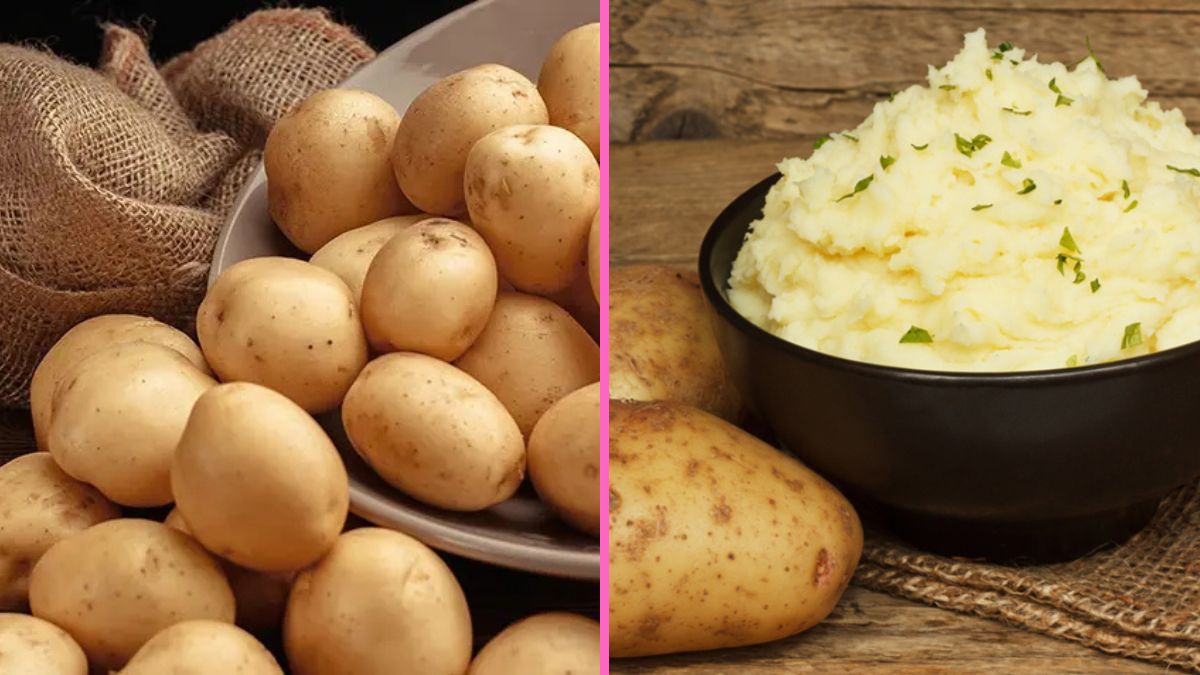
In the heart of every wholesome meal lies one simple idea — food grown with care and shared with love. For families embracing a plant-forward or vegetarian lifestyle, the potato stands as a timeless kitchen hero. From its creamy texture to its earthy sweetness, this humble tuber has nourished generations across the world. But beyond its taste and versatility, there’s something deeply rewarding about growing your own potatoes and turning them into hearty, nutritious dinners for the whole family.
This article explores how homegrown potatoes can transform your family’s veggie dinners — from soil to supper — enriching your diet, saving money, and creating memories around the dinner table.
1. The Power of the Potato: A Family-Friendly Superfood

Potatoes are often underestimated, yet they’re among the most nutrient-dense and versatile vegetables available. For families striving to eat healthier or include more vegetables in daily meals, potatoes offer both nourishment and satisfaction.
Nutritional Benefits:
- Rich in Vitamins and Minerals: A single potato provides nearly half your daily requirement of vitamin C, along with potassium, iron, and vitamin B6.
- Fiber for Digestive Health: Especially when eaten with the skin, potatoes provide valuable dietary fiber that supports gut health.
- Energy Source: Their complex carbohydrates release energy slowly, keeping kids active and adults energized throughout the day.
- Naturally Low in Fat and Cholesterol-Free: Ideal for heart-conscious and family-friendly meals.
When combined with other vegetables, legumes, or plant-based proteins, potatoes become the backbone of balanced and filling dinners that everyone can enjoy.
2. Why Grow Potatoes at Home?
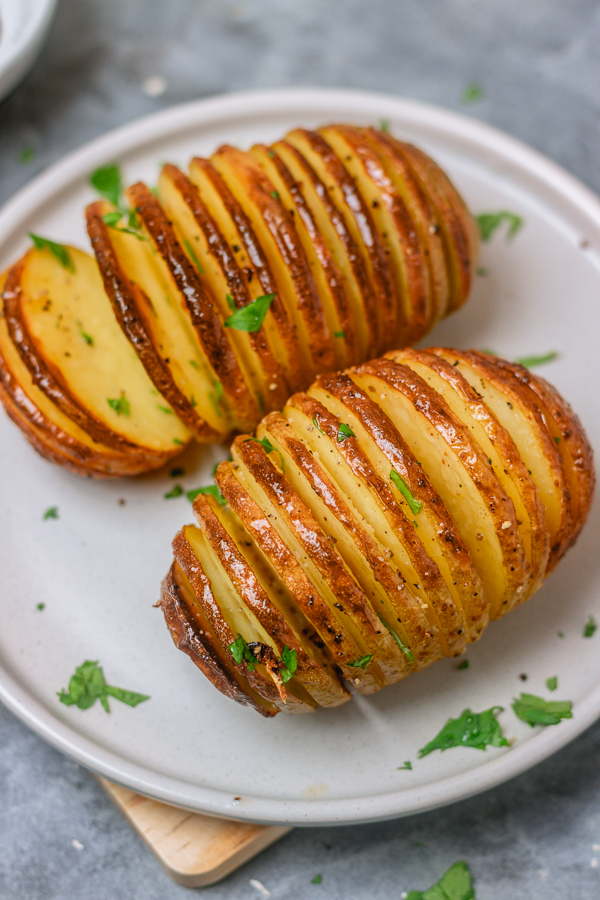
Growing potatoes at home is easier than most people think — and the rewards go beyond fresh produce. Home gardening connects families to the rhythms of nature, teaches children about sustainability, and provides ingredients that are chemical-free and full of flavor.
Key Advantages:
- Better Taste and Nutrition: Homegrown potatoes are fresher, more flavorful, and retain more nutrients than store-bought ones.
- No Harmful Chemicals: You control what goes into your soil, ensuring your potatoes are organic and safe for your family.
- Cost-Effective: A small patch of soil or even a few containers can yield several kilos of potatoes, saving money on groceries.
- Family Bonding: Gardening together strengthens relationships and teaches children responsibility and patience.
- Sustainability: Growing your own food reduces packaging waste and carbon emissions from transportation.
In short, growing potatoes transforms mealtime into something more meaningful — a farm-to-table experience within your own backyard.
3. Starting Your Potato Garden
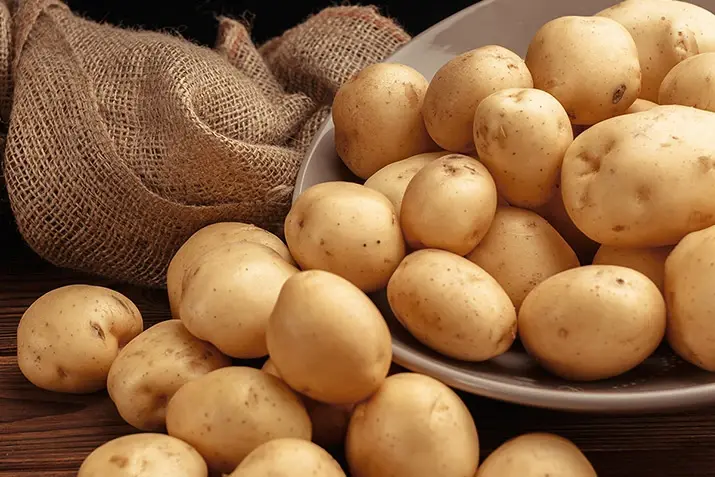
Even beginners can grow potatoes successfully with a little preparation. All you need is sunlight, good soil, and consistent watering.
a. Choosing Seed Potatoes
Always start with certified seed potatoes rather than store-bought ones, as the latter may carry diseases or be treated with sprout inhibitors. Choose varieties based on your needs:
- Yukon Gold: Ideal for mashing and roasting.
- Red Pontiac: Great for salads and soups.
- Russet Burbank: Perfect for baking and fries.
- Fingerlings: Excellent for gourmet-style side dishes.
b. Preparing the Soil
Potatoes thrive in loose, well-drained, slightly acidic soil (pH 5.0–6.0). Mix compost or organic matter into the soil to improve fertility and structure.
c. Planting
- Cut seed potatoes into pieces with at least one “eye” each and let them dry for a day.
- Plant them 3–4 inches deep and 12 inches apart in rows.
- As shoots grow, hill the soil around them every few weeks to protect developing tubers from sunlight and pests.
d. Watering and Care
Water consistently, especially during flowering (when tubers form). Avoid overwatering, which can lead to rot. Keep weeds under control and watch for pests like aphids or potato beetles, using organic deterrents such as neem oil or companion plants like marigolds.
4. Harvesting and Storing Your Potatoes
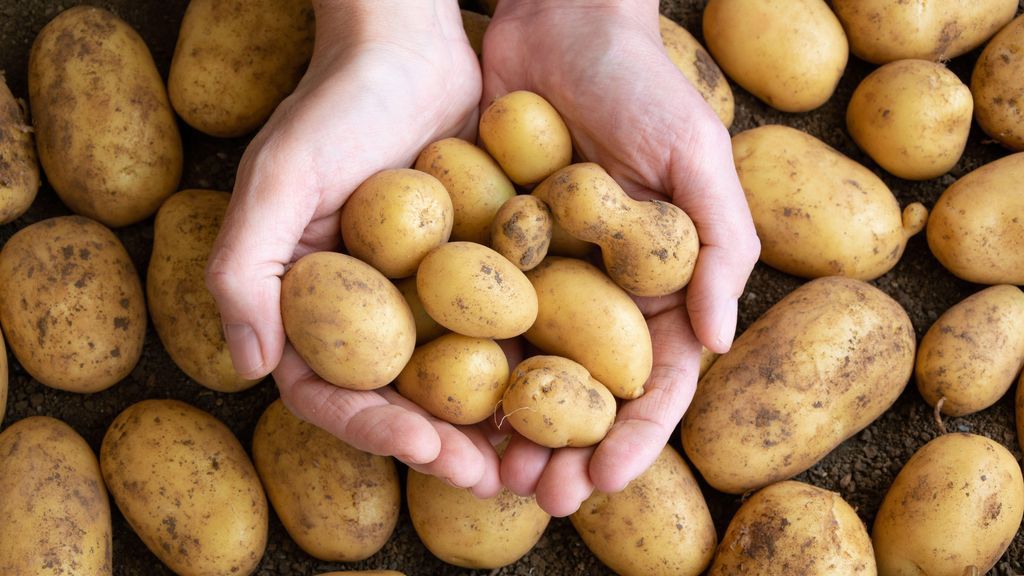
Patience pays off at harvest time. The excitement of unearthing your first batch of potatoes is one of gardening’s greatest joys.
a. Harvest Time
- For new potatoes, harvest a few weeks after flowering when the tubers are small and tender.
- For mature potatoes, wait until the leaves yellow and die back.
Gently loosen the soil with a fork and lift the tubers carefully to avoid bruising.
b. Curing and Storage
Dry your harvested potatoes in a shaded, airy space for 1–2 weeks. This process toughens their skins for long-term storage. Store them in a cool, dark area — ideally between 40–50°F — in paper or burlap bags. Properly stored, they’ll last for several months, ensuring your family always has a fresh base for hearty dinners.
5. Cooking with Homegrown Potatoes: Family Veggie Dinner Ideas
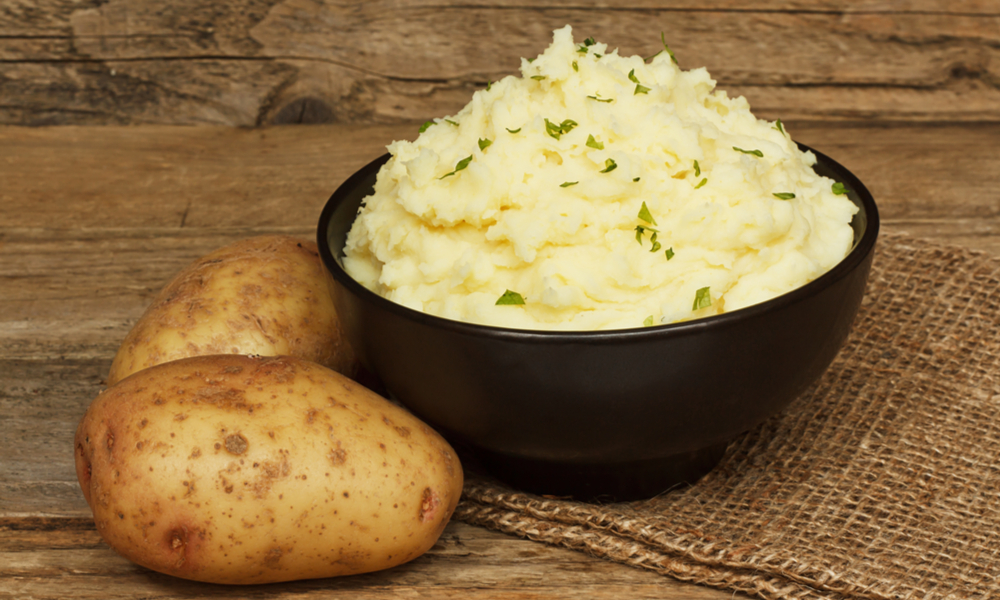
Homegrown potatoes inspire creativity in the kitchen. Their mild flavor and creamy texture make them a perfect companion to vegetables, herbs, and plant-based proteins.
a. Garden-Fresh Potato and Spinach Curry
Simmer boiled potatoes with fresh spinach, tomatoes, garlic, and ginger for a comforting, protein-rich curry. Serve it with brown rice or flatbread for a filling vegetarian meal.
b. Roasted Vegetable and Potato Medley
Toss chopped potatoes with carrots, zucchini, and bell peppers in olive oil and herbs. Roast until golden and crisp — a colorful and nutritious side dish the whole family will love.
c. Creamy Potato and Lentil Soup
Blend cooked potatoes with red lentils, onions, and vegetable broth to make a smooth, creamy soup. Add coconut milk for extra richness — a warming choice for cool evenings.
d. Veggie-Stuffed Potato Boats
Bake large potatoes until soft, scoop out the insides, and mix with sautéed vegetables, corn, and beans. Refill the skins, sprinkle with breadcrumbs, and bake again for a fun, kid-friendly dinner.
e. Potato and Chickpea Salad
Combine boiled potatoes with chickpeas, cucumbers, and a lemon-tahini dressing for a refreshing, high-protein salad perfect for summer dinners.
Each dish celebrates simplicity, flavor, and health — all rooted in the goodness of your own garden.
6. The Nutritional Role of Potatoes in Family Meals
For families — especially those with growing children — potatoes are an essential source of energy and nutrients.
Health Benefits for All Ages:
- Children: Support growth and development with energy-rich carbohydrates and minerals.
- Adults: Help maintain energy balance and muscle function due to potassium and magnesium content.
- Elders: Easy to digest and gentle on the stomach, especially when steamed or boiled.
When paired with beans, lentils, or vegetables, potatoes make complete and satisfying vegetarian meals that meet nutritional needs for the entire family.
7. Teaching Kids About Food Through Gardening
Homegrown potatoes can also serve as a fun educational tool. Children who participate in gardening learn the value of patience, responsibility, and sustainability.
Watching a small seed potato sprout, grow, and yield food fosters curiosity about nature and nutrition. When kids help prepare dinners using their own harvest, they’re more likely to enjoy vegetables and develop lifelong healthy eating habits.
Families can even start a “potato patch challenge,” where each member plants a few tubers and compares harvest sizes — turning learning into a playful activity.
8. Sustainability and the Family Garden
Homegrown potatoes aren’t just about good food; they’re about a better planet. Families who grow their own food contribute to environmental preservation in simple yet meaningful ways:
- Reduced Carbon Footprint: No packaging, transport, or fuel emissions.
- Organic Growing Practices: Avoiding pesticides helps local pollinators thrive.
- Soil Regeneration: Composting and crop rotation enrich soil health naturally.
- Waste Reduction: Peelings and scraps can be composted to feed next season’s plants.
By growing and eating from your backyard, you model eco-conscious habits for future generations — turning dinner into a lesson in sustainability.
9. Common Mistakes to Avoid
Even with easy crops like potatoes, beginners can face challenges. Here are some common pitfalls and how to overcome them:
- Overwatering: Leads to tuber rot — water moderately.
- Skipping Hilling: Causes tubers to turn green and toxic from sunlight exposure.
- Poor Drainage: Use raised beds or containers if your soil stays wet.
- Storing in Light: Always keep harvested potatoes in the dark to prevent greening.
- Planting Too Early: Wait until after the last frost for best results.
Learning from these small mistakes builds confidence and ensures healthier, more abundant harvests year after year.
10. The Joy of Family Meals from Your Own Garden
There’s something deeply fulfilling about serving a dinner made entirely from your own garden’s bounty. The aroma of roasted potatoes, the laughter around the table, and the knowledge that every bite is fresh, wholesome, and chemical-free — this is what makes homegrown meals special.
Potatoes symbolize comfort and connection. They remind us that good food doesn’t have to come from faraway farms or fancy stores — it can grow right under our feet, nurtured by our own hands.
Every family that grows and cooks together strengthens its bond — one meal, one garden, and one harvest at a time.
Conclusion: Growing Nourishment, One Potato at a Time
Homegrown potatoes are more than just an ingredient — they’re a symbol of self-reliance, sustainability, and family togetherness. They nourish not only the body but also the spirit, connecting us to nature and to each other.
By planting a few seed potatoes, tending them with care, and sharing their harvest through nutritious veggie dinners, families rediscover the simple joy of home-cooked food.
From the garden bed to the family table, potatoes bring comfort, health, and happiness — one golden bite at a time.