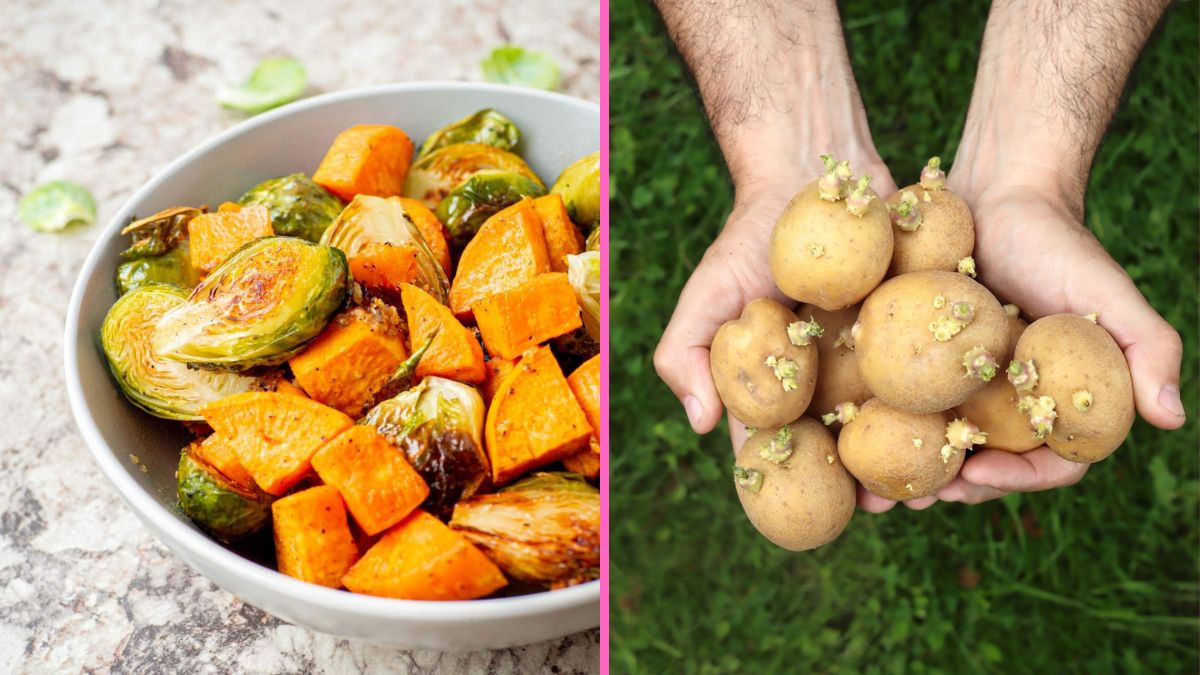
In the world of plant-based eating, few foods are as versatile, comforting, and nourishing as the potato. From the moment a small sprout breaks through the soil to the time it’s served on your plate, the potato represents the full cycle of sustainable, wholesome living. Whether mashed, baked, roasted, or stewed, potatoes are a beloved staple in vegetarian and vegan kitchens worldwide.
But what makes this humble tuber such a vital ingredient in plant-based meals? And how can growing your own potatoes bring even more meaning and freshness to your table?
This article takes you through the beautiful journey “From Sprout to Supper” — exploring how to grow, harvest, and transform potatoes into nourishing plant-based dishes that embody simplicity, sustainability, and satisfaction.
1. Why Potatoes Are a Plant-Based Powerhouse
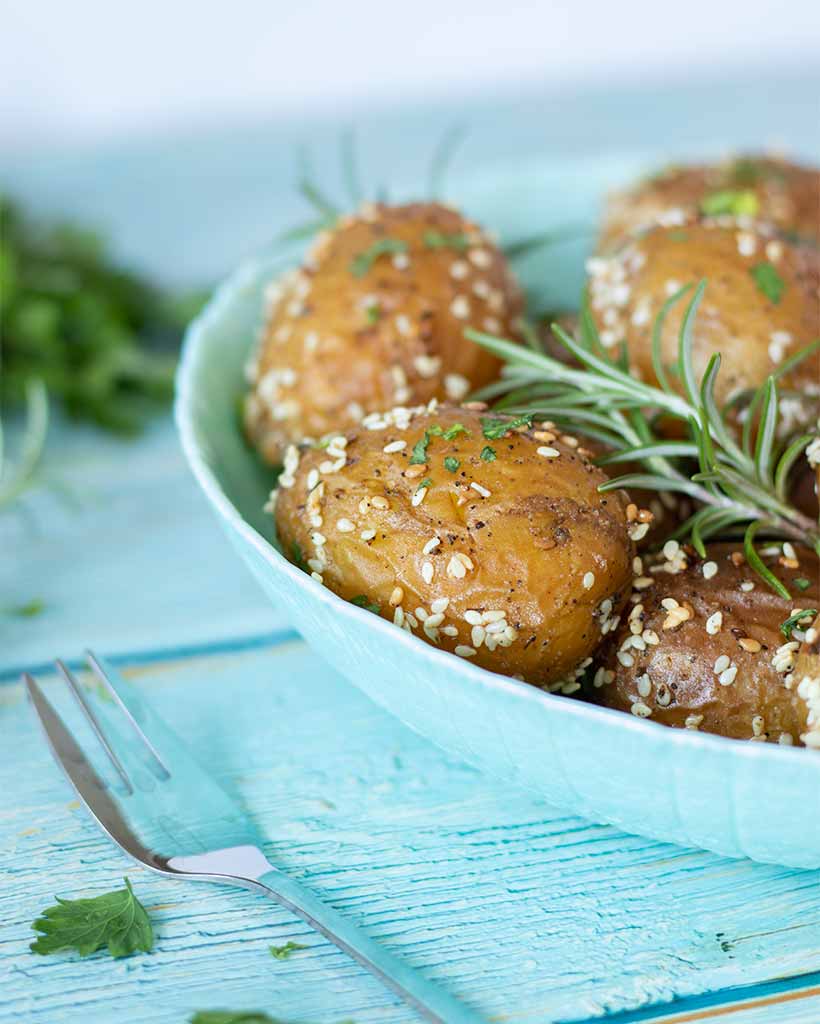
Potatoes often get an unfair reputation for being “just carbs,” but they’re actually packed with essential nutrients that make them a foundation for balanced vegetarian and vegan meals.
Nutritional Benefits:
- Complex Carbohydrates: Provide slow-releasing energy that fuels the body throughout the day.
- Vitamins and Minerals: Excellent source of vitamin C, potassium, and B6 — essential for immune and nerve health.
- Fiber-Rich: Helps with digestion and keeps you feeling full longer.
- Fat-Free and Cholesterol-Free: Naturally heart-healthy when prepared without heavy oils.
For plant-based eaters, potatoes offer both comfort and nourishment — serving as a blank canvas for countless recipes, from hearty stews to crisp salads.
2. The Life Cycle of a Potato: From Sprout to Harvest
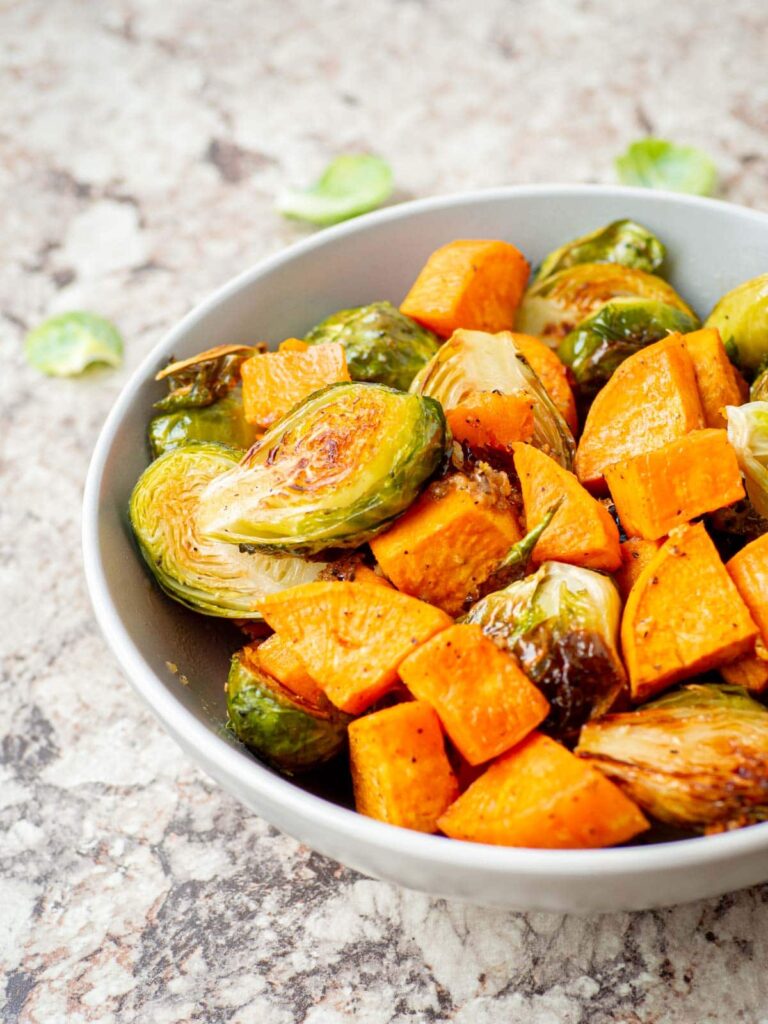
The journey of a potato begins long before it reaches your kitchen. Growing your own potatoes not only deepens your connection to food but also ensures purity, freshness, and sustainability.
a. Sprouting (Chitting)
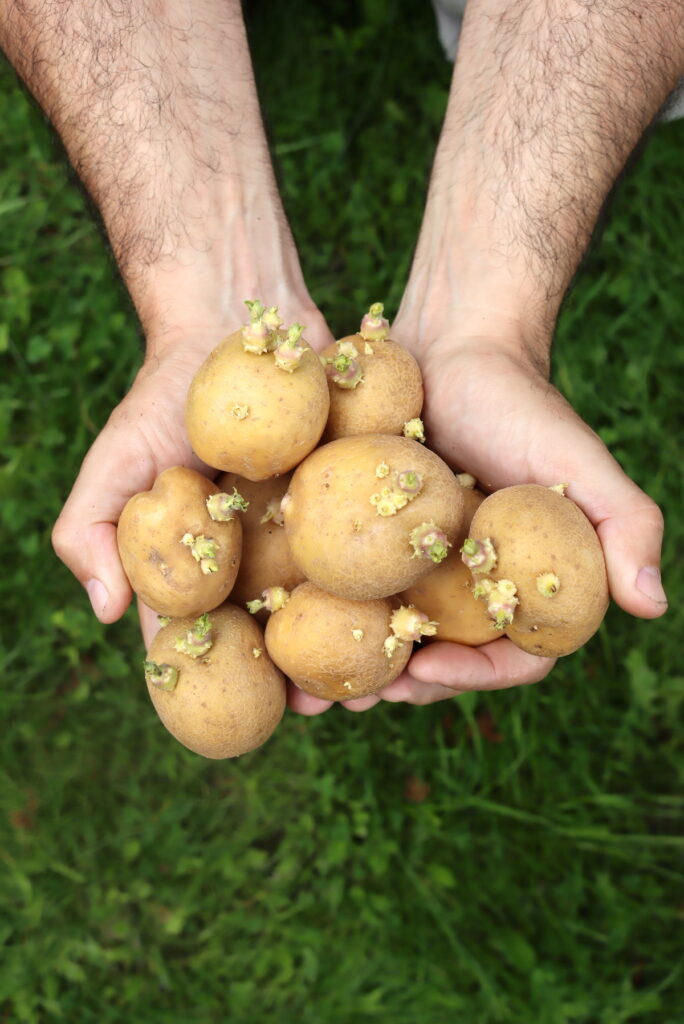
The potato’s journey starts when seed potatoes begin to sprout. This process, known as chitting, involves placing them in a cool, bright area until short green or purple shoots form. These sprouts are the first signs of new life and the promise of a future harvest.
b. Planting
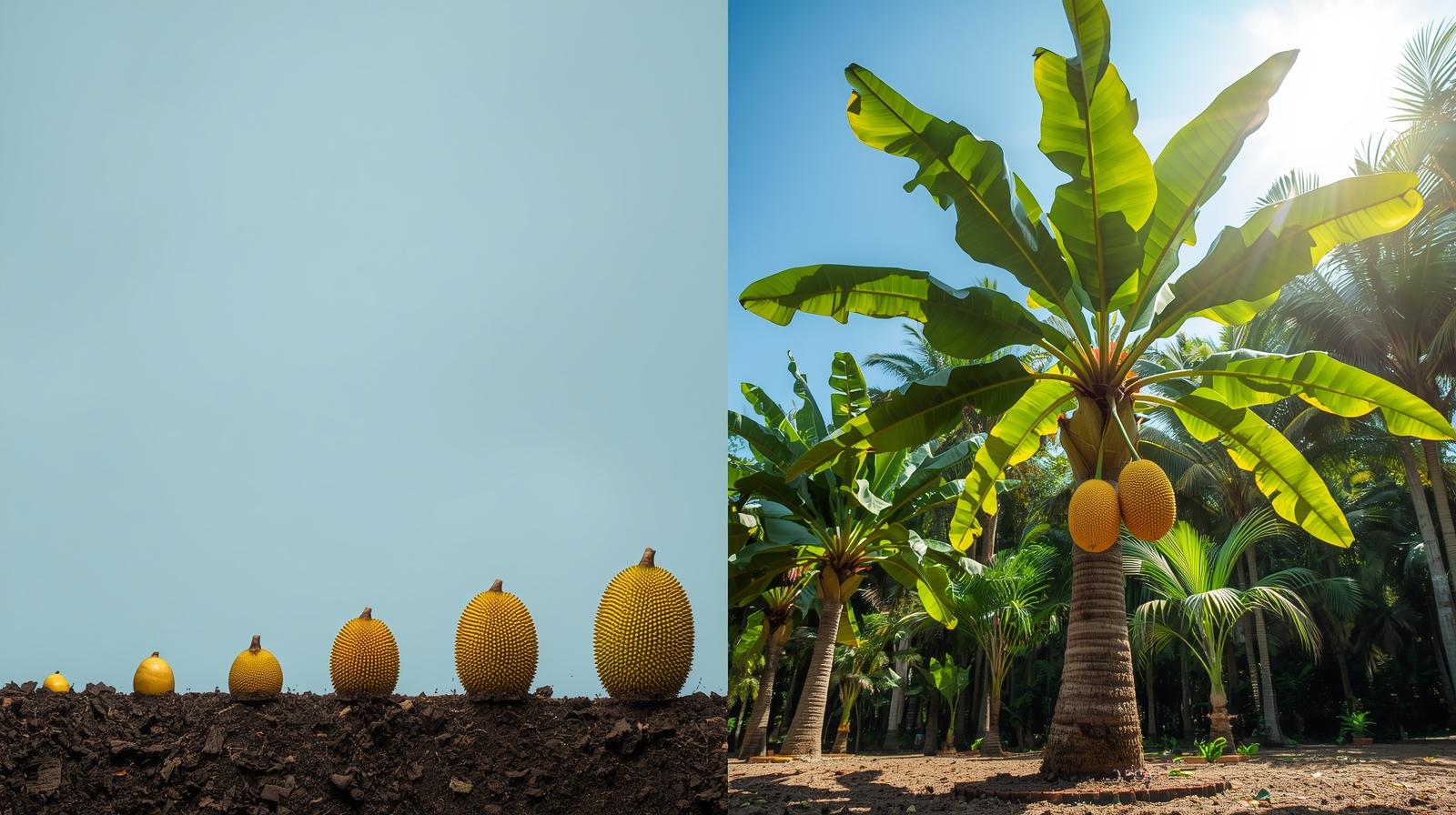
Once your seed potatoes have sprouted, they’re ready for planting. Potatoes grow best in loose, well-drained soil and full sunlight. Each piece of seed potato with an “eye” can produce a new plant. Plant them about 3–4 inches deep, with 12 inches between each, and cover them lightly with soil.
c. Growing and Hilling
As potato plants grow taller, soil should be mounded around their stems — a process called hilling. This protects developing tubers from sunlight (which turns them green and bitter) and encourages the growth of more potatoes beneath the soil.
d. Flowering and Harvesting
When the plants bloom, it’s a sign that tubers are forming. For new potatoes, harvest a few weeks after flowering. For mature potatoes, wait until the foliage dies back. Dig gently with a garden fork, and you’ll uncover the earthy treasures you’ve nurtured from sprout to full-grown tuber.
This cycle — from planting to harvesting — mirrors the philosophy of plant-based living: care for the earth, nurture life, and enjoy food that sustains both body and planet.
3. Sustainable Gardening: Potatoes and the Environment
Potatoes are among the most eco-friendly crops to grow at home. Compared to many other staple foods, they require less water, grow quickly, and thrive in a wide range of climates.
Here’s why growing potatoes supports sustainable living:
- High Yield per Square Foot: Even a small garden or container can produce a generous harvest.
- Minimal Chemical Need: Potatoes thrive with natural compost and organic pest control.
- Soil Health: When rotated with legumes or leafy greens, they help maintain soil fertility.
- Reduced Food Miles: Homegrown potatoes mean fewer carbon emissions from packaging and transport.
By cultivating your own potatoes, you take a meaningful step toward eco-conscious eating — turning your garden into a source of both nourishment and environmental stewardship.
4. Harvesting and Storing for Year-Round Meals
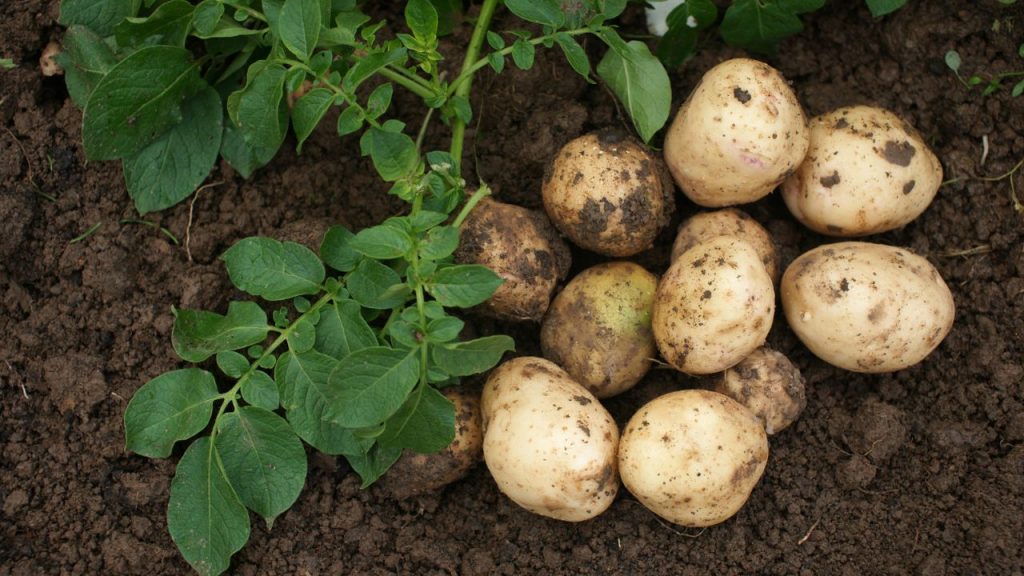
After months of care, the most rewarding moment arrives — harvesting. For long-term use, it’s crucial to harvest and store potatoes properly.
a. When to Harvest
- New Potatoes: Harvest 2–3 weeks after flowering for small, tender tubers.
- Mature Potatoes: Wait until leaves yellow and die back for large, storable potatoes.
b. How to Harvest
Use a fork or spade to gently lift the soil. Handle tubers carefully to prevent bruising. Leave them to dry in a shaded area for a few hours before storing.
c. Curing and Storage
Cure potatoes in a dark, ventilated space (around 50–60°F) for 1–2 weeks. Once cured, store them in a cool, dark location such as a cellar or pantry. Avoid refrigerating — it alters their flavor and texture.
Properly stored potatoes can last for several months, ready to be transformed into delicious plant-based meals whenever inspiration strikes.
5. Turning Potatoes into Plant-Based Perfection
Now comes the most exciting part — turning your homegrown potatoes into comforting, colorful, and nourishing plant-based dishes. Potatoes are endlessly adaptable and can easily replace animal-based ingredients while maintaining rich texture and flavor.
a. Creamy Vegan Mashed Potatoes
Boil your fresh potatoes until soft, then mash with plant-based milk, olive oil, and roasted garlic. Add a sprinkle of sea salt and nutritional yeast for a cheesy, dairy-free finish.
b. Roasted Potato & Veggie Bowl
Toss diced potatoes with olive oil, paprika, and herbs. Roast alongside chickpeas, bell peppers, and broccoli. Serve over quinoa or brown rice with a tahini-lemon drizzle for a filling, high-protein comfort bowl.
c. Potato and Lentil Stew
Simmer potatoes with red lentils, carrots, tomatoes, and spinach in a fragrant broth of garlic, cumin, and turmeric. The result is a hearty, protein-rich meal that satisfies even the coldest evenings.
d. Stuffed Potato Skins
Bake large potatoes until tender, scoop out the insides, and mix with sautéed vegetables, beans, and spices. Refill the skins and bake again for a crunchy, wholesome snack or main dish.
e. Potato Pancakes or Patties
Grate boiled potatoes, mix with onions, flour, and herbs, and pan-fry until crisp. These make an excellent meat-free burger base or breakfast option.
Each of these dishes embodies what plant-based cooking is all about — using simple, homegrown ingredients to create meals that are both nourishing and delicious.
6. Health Benefits of Incorporating Potatoes into Plant-Based Meals
In a balanced vegetarian or vegan diet, potatoes play a crucial role by providing energy, essential nutrients, and dietary fiber.
Key Health Advantages:
- Boosts Immunity: Rich in vitamin C, especially when freshly harvested.
- Supports Heart Health: High potassium and low sodium content help regulate blood pressure.
- Promotes Gut Health: The resistant starch in cooled potatoes acts as a prebiotic, feeding healthy gut bacteria.
- Energy for Active Lifestyles: Complex carbohydrates make potatoes a natural fuel source for athletes and busy individuals.
When paired with other plant-based proteins like lentils or tofu, potatoes create a complete and satisfying meal that supports long-term health and vitality.
7. The Emotional Side of Growing and Cooking Potatoes
Beyond their nutritional and culinary value, growing potatoes brings emotional satisfaction. Watching your plants sprout, flower, and yield a harvest instills patience and gratitude — qualities that resonate deeply with the spirit of plant-based living.
Cooking with your own produce transforms every meal into a celebration of effort, sustainability, and care. Each potato on your plate becomes a reminder of the connection between soil, nourishment, and self-reliance.
Imagine serving a steaming bowl of potato soup made entirely from ingredients you cultivated yourself — that’s comfort food at its purest.
8. Common Mistakes to Avoid
For beginners, a few small missteps can affect yield and quality. Here are common mistakes and how to avoid them:
- Planting in Wet Soil: Leads to rot. Always ensure good drainage.
- Neglecting Hilling: Exposed tubers turn green and toxic.
- Overwatering: Causes fungal diseases.
- Skipping Crop Rotation: Repeatedly planting potatoes in the same spot depletes soil nutrients and attracts pests.
- Harvesting Too Early: Limits yield and storage potential.
With consistent care and patience, even a novice gardener can achieve abundant, healthy harvests.
9. The Sustainable Future of Plant-Based Potato Meals
As more people embrace plant-based diets, potatoes play an increasingly important role in sustainable global food systems. They grow quickly, adapt to different climates, and require fewer resources than many other staple crops.
Home gardeners can contribute to this sustainability by cultivating their own potatoes, reducing reliance on industrial agriculture, and promoting biodiversity in small urban or rural spaces.
Each plant-based potato meal you prepare at home is a quiet act of environmental responsibility — proof that simple choices can create meaningful change.
10. Conclusion: A Journey from Soil to Supper
“From Sprout to Supper” isn’t just a phrase — it’s a philosophy. It reflects the cycle of life, nourishment, and connection that comes from growing and enjoying your own food.
By planting, nurturing, and cooking your own potatoes, you experience the full story of a meal — from the first green sprout in the soil to the comforting warmth of a plant-based dish on your table.
In a world that often feels rushed and disconnected, growing potatoes offers a slower, more intentional way to live. It’s about celebrating the journey from garden to plate — a journey rooted in simplicity, sustainability, and pure comfort.
So go ahead — plant a few seed potatoes, nurture them with care, and when harvest time comes, turn them into your favorite plant-based meal. You’ll discover that the true flavor of comfort begins long before the first bite — it starts the moment that tiny sprout reaches for the sun.