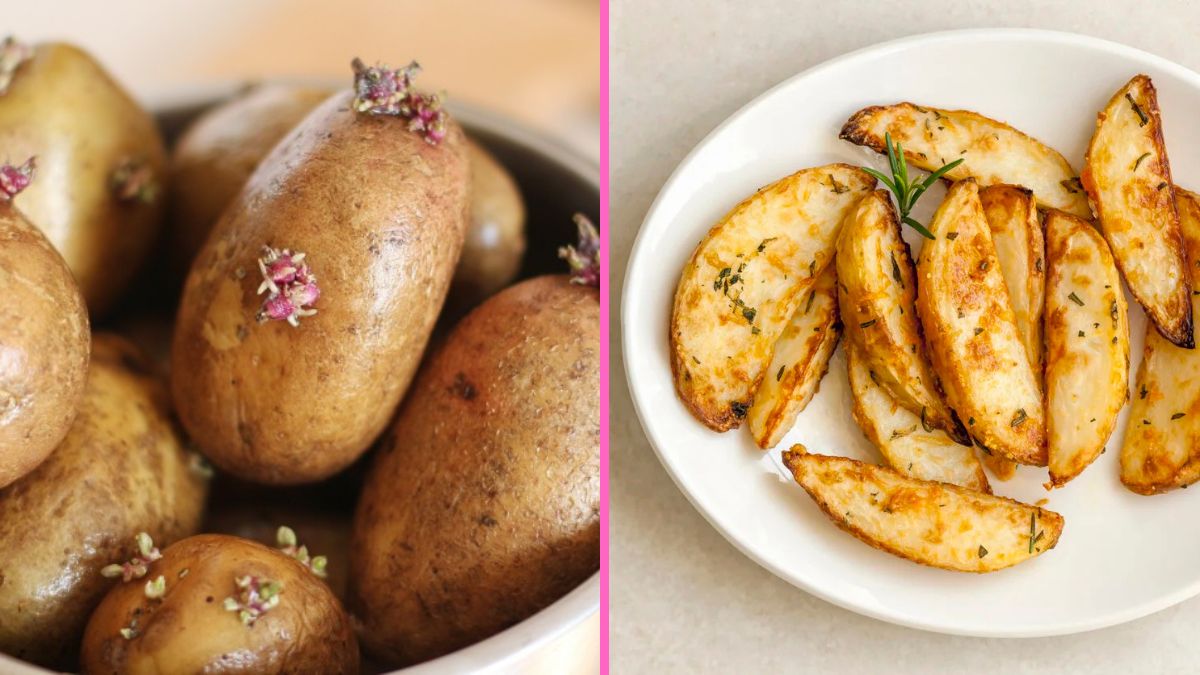
There’s something truly heartwarming about a bowl of creamy, flavorful, and comforting food that nourishes both body and soul. For vegetarians, comfort bowls often bring together the best of garden goodness — grains, vegetables, and warm, filling ingredients. And at the center of many of these dishes lies one humble yet powerful ingredient: the potato.
Potatoes have a special place in vegetarian cooking because of their incredible versatility, satisfying texture, and natural ability to absorb flavors. Whether mashed, roasted, or simmered in a curry, they bring a sense of comfort unmatched by any other vegetable. But imagine making your favorite comfort bowl using potatoes you’ve grown yourself. Fresh, flavorful, and chemical-free — homegrown potatoes transform simple meals into something extraordinary.
This article explores how you can grow your own potatoes and turn them into the star of the ultimate vegetarian comfort bowl — from planting to harvesting and from garden to table.
1. Why Potatoes Are the Heart of Vegetarian Comfort Food
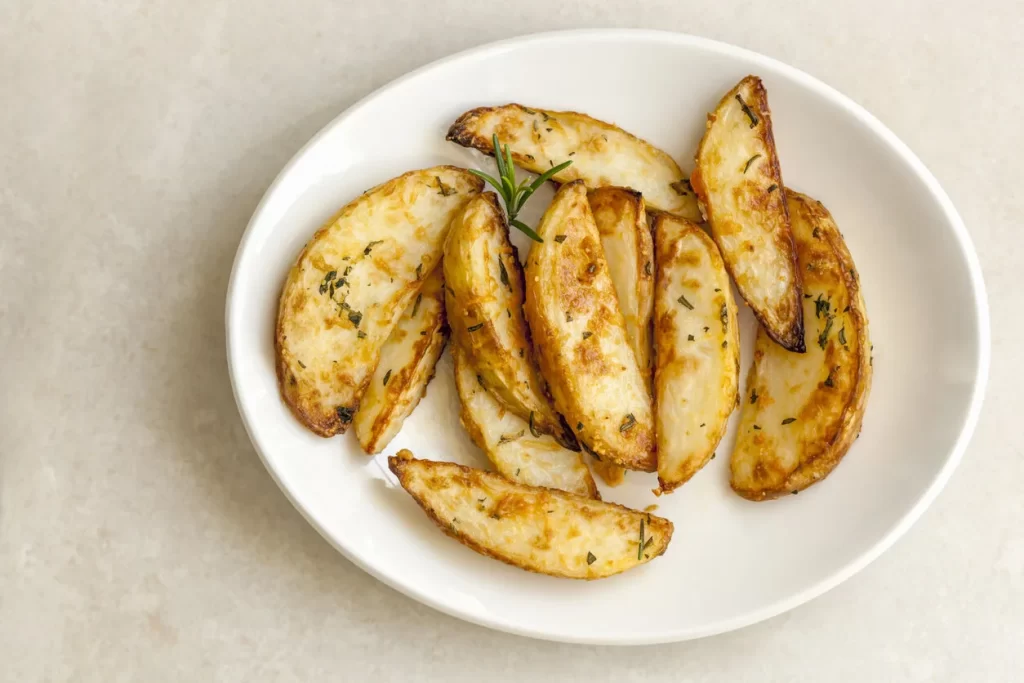
Potatoes are more than just a side dish — they’re a foundation for countless vegetarian comfort recipes. Their creamy interior and earthy flavor make them the perfect ingredient for soups, stews, curries, and grain bowls.
Here’s why they’re essential for comfort food lovers:
- Rich in Nutrients: Potatoes are packed with vitamin C, potassium, and complex carbohydrates — a natural energy booster for plant-based eaters.
- Naturally Satisfying: Their high fiber and starch content provide a filling, comforting base that pairs beautifully with vegetables, grains, and sauces.
- Versatile: They can be baked, boiled, mashed, fried, or roasted — blending effortlessly into nearly any dish.
- Sustainably Grown: Potatoes are low-maintenance and high-yield, making them one of the most efficient crops for home gardens.
Growing your own potatoes means you control what goes into your food — no artificial fertilizers or pesticides, just pure, nourishing goodness straight from the soil.
2. Choosing the Right Potato Variety for Comfort Dishes
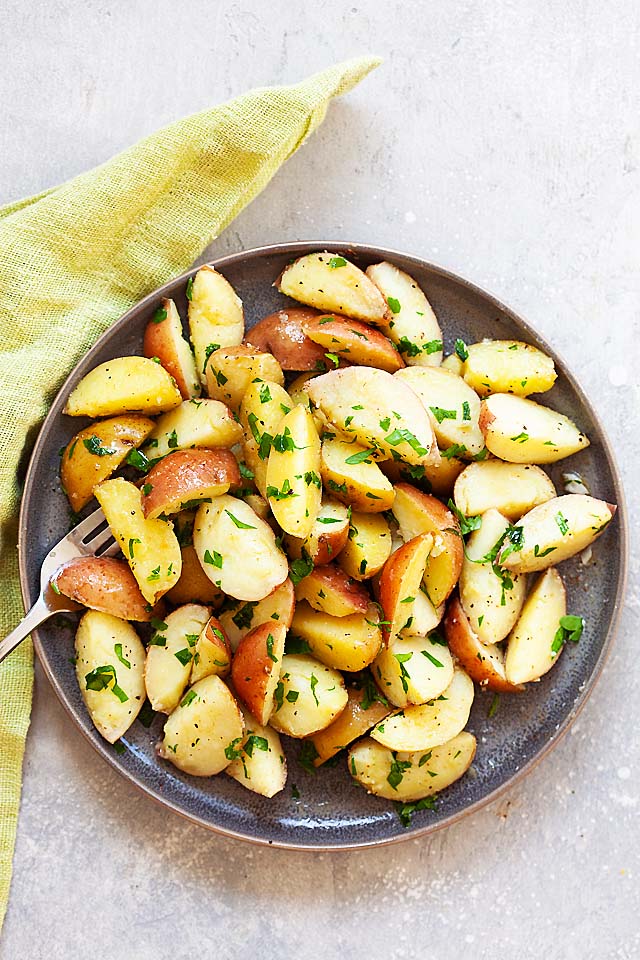
The type of potato you grow will influence the texture and flavor of your comfort bowl. Different varieties serve different culinary purposes, so it’s important to pick the right one.
a. Waxy Potatoes (Smooth Texture)
Best for salads, soups, or curries where you want the potato to hold its shape.
Examples: Red Norland, Yukon Gold, French Fingerling.
b. Starchy Potatoes (Fluffy Texture)
Ideal for mashed potatoes, baked dishes, or creamy bowls.
Examples: Russet Burbank, Maris Piper, Idaho.
c. All-Purpose Varieties
Balance between waxy and starchy — perfect for versatile vegetarian cooking.
Examples: Kennebec, Desiree, Gold Rush.
For a comfort bowl, Yukon Gold or Kennebec potatoes are excellent choices because they produce a smooth, buttery texture ideal for both mashing and roasting.
3. Preparing Your Garden: Laying the Foundation
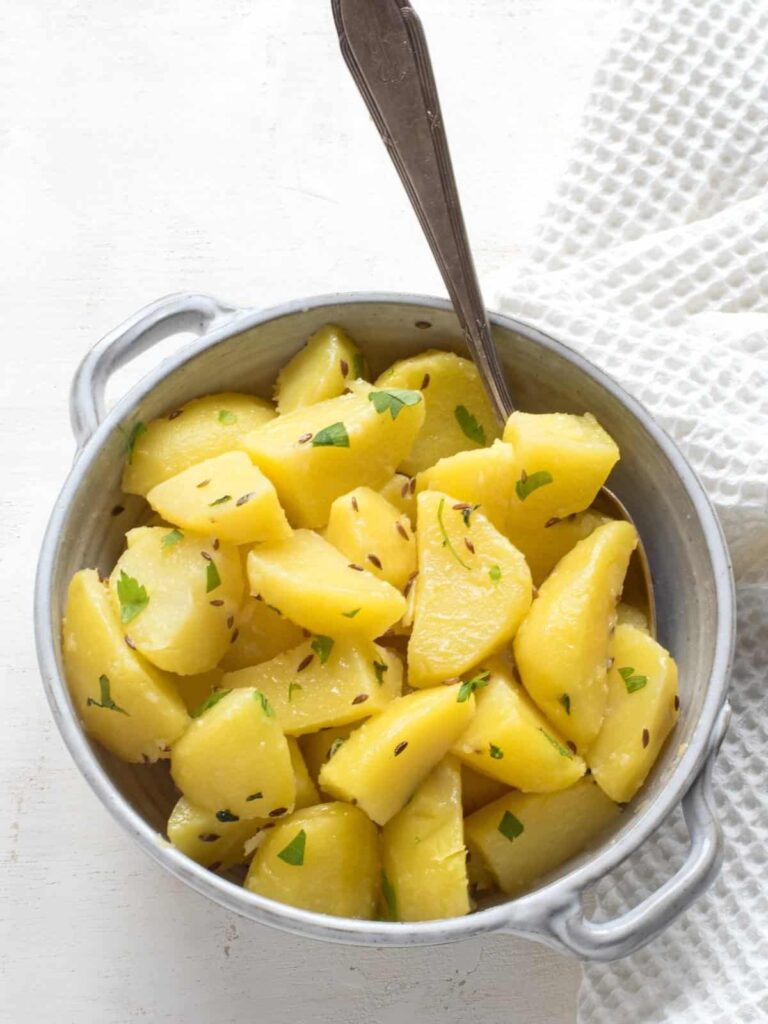
Growing potatoes at home doesn’t require a massive backyard — just a bit of sunlight, rich soil, and proper care. Potatoes grow well in raised beds, containers, or even large grow bags.
a. Choose the Right Spot
Select a sunny area that receives at least 6–8 hours of direct sunlight daily. Good drainage is essential because soggy soil causes rot.
b. Soil Preparation
Potatoes thrive in loose, slightly acidic soil (pH 5.0–6.5). Enrich the soil with compost or organic matter a week before planting. Avoid using fresh manure, which can lead to scabby tubers.
c. Crop Rotation
If you’ve grown tomatoes or peppers recently, plant potatoes elsewhere — they share similar diseases. Rotating your crops keeps your soil healthy and pest-free.
4. Planting Potatoes Step-by-Step
The journey from seed potato to harvest-ready crop is surprisingly simple.
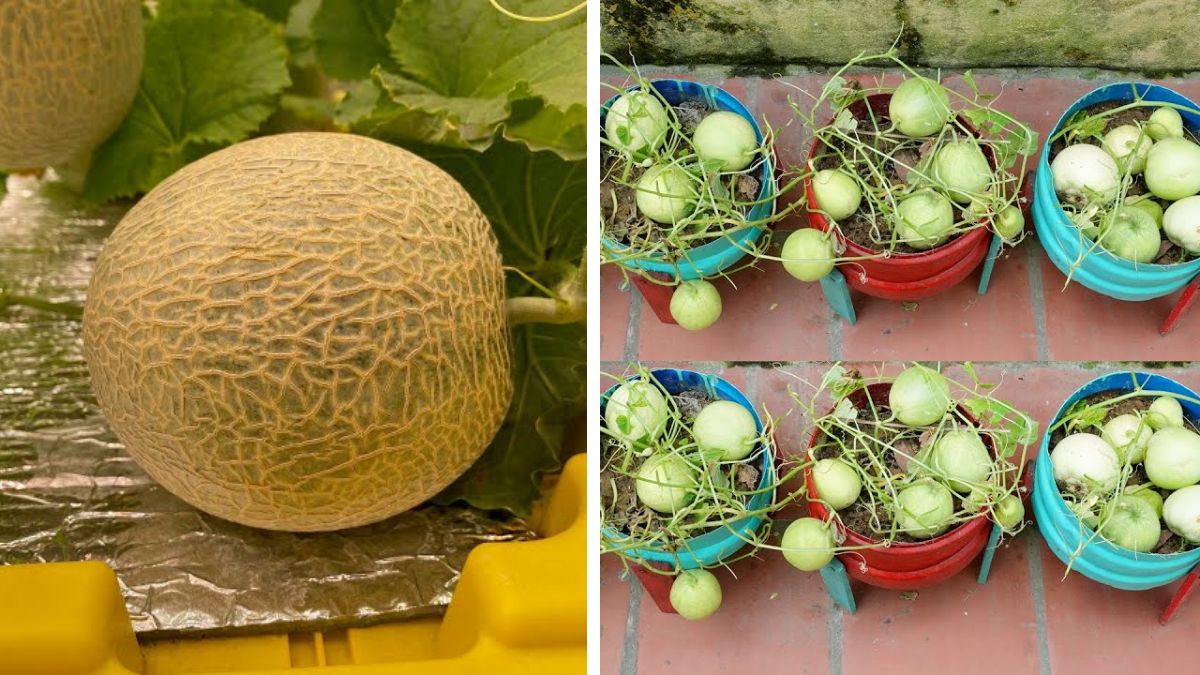
Step 1: Prepare Seed Potatoes
Buy certified seed potatoes from a nursery. A few weeks before planting, let them “chit” by placing them in a bright, cool area until small sprouts appear.
Step 2: Cutting and Drying
If your seed potatoes are large, cut them into 2-inch chunks with at least one or two “eyes.” Let them dry for a day to prevent rotting.
Step 3: Planting
- Timing: Plant 2–3 weeks before the last frost in early spring.
- Depth and Spacing: Dig trenches 3–4 inches deep and 12 inches apart, with rows spaced 2–3 feet apart.
- Cover: Lightly cover with soil and water thoroughly.
As the plants grow, mound soil around the base to cover new growth — a process called hilling. This protects tubers from sunlight and encourages more potatoes to form.
5. Caring for Your Potato Plants
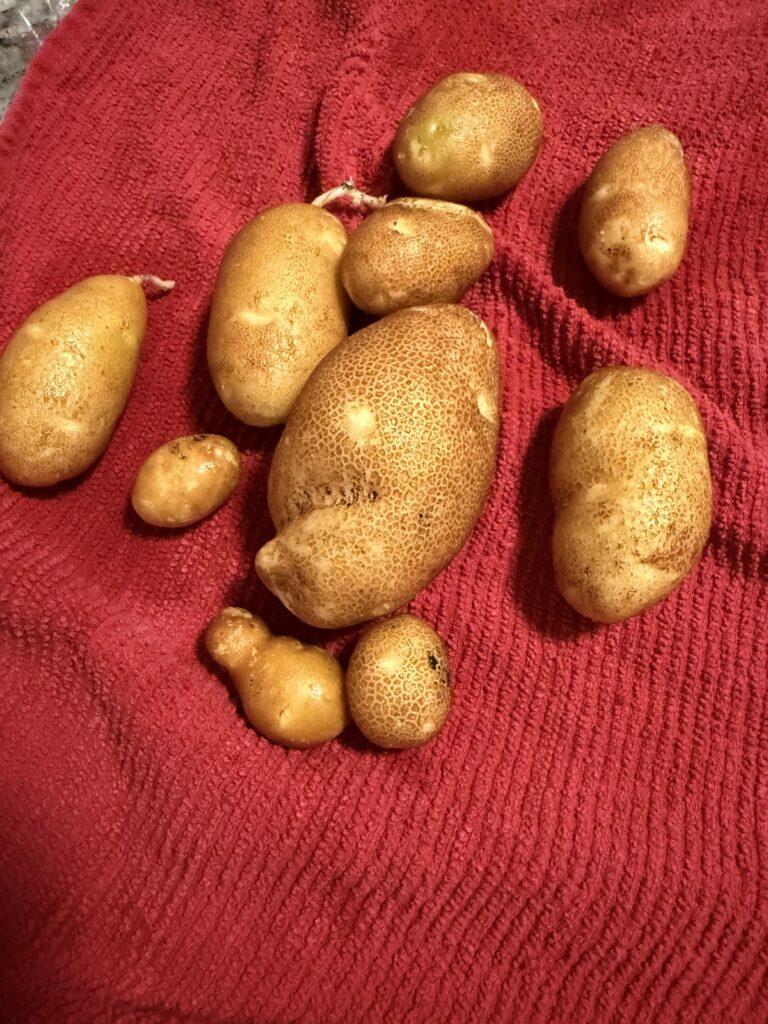
Potatoes are hardy but still need consistent care for the best yield.
a. Watering
Keep the soil evenly moist, not waterlogged. Deep watering once or twice a week is better than frequent light watering.
b. Hilling Up
When the plant reaches about 6–8 inches tall, mound soil around it to protect developing tubers from exposure to light, which turns them green and toxic.
c. Feeding
Use a balanced, organic fertilizer (10-10-10) or compost tea every few weeks. Too much nitrogen will cause leafy growth but fewer tubers.
d. Pest Control
Watch for Colorado potato beetles and aphids. Use neem oil or handpick pests regularly. Crop rotation and mulching also help reduce disease risk.
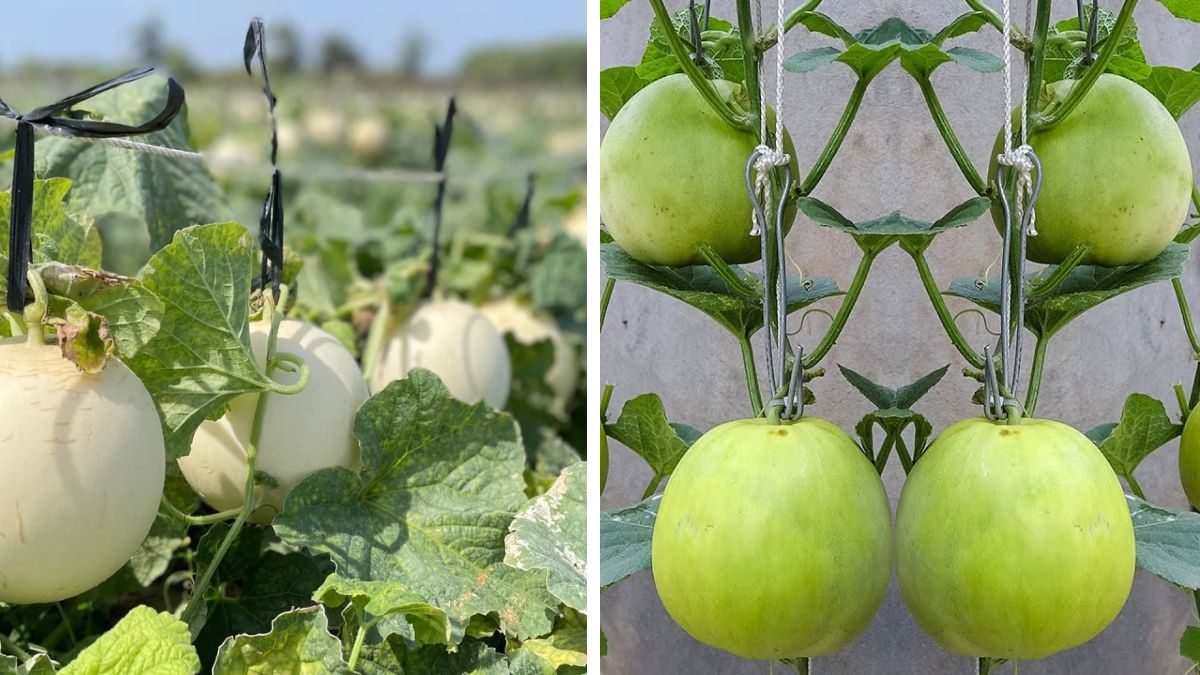
6. Harvesting Your Potatoes
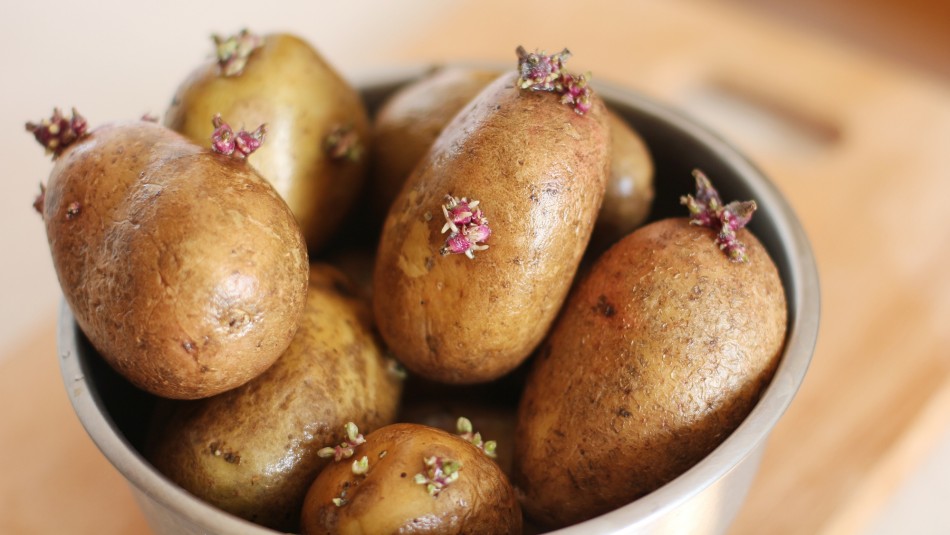
When your plants begin to flower, you can start harvesting new potatoes — small, tender tubers perfect for light vegetarian dishes. For full-sized potatoes, wait until the foliage turns yellow and begins to die back.
Use a garden fork to gently lift the soil, taking care not to pierce the tubers. Shake off excess dirt and let them air-dry in a shaded area for a few hours.
7. Curing and Storing for Long-Term Use
To store potatoes for your future comfort bowls, cure them in a cool, dark place (around 50–60°F) with good ventilation for about 10 days. This toughens the skins and enhances their flavor.
Once cured:
- Store them in a dark, cool place (40°F) in burlap or paper bags.
- Avoid refrigeration — it alters their flavor.
- Keep them away from onions, which release gases that cause spoilage.
Properly stored, your potatoes will last several months, ready to be transformed into delicious vegetarian meals anytime.
8. Creating the Ultimate Vegetarian Comfort Bowl
Now that you’ve grown, harvested, and stored your potatoes, it’s time to turn them into the ultimate vegetarian comfort bowl — a dish that celebrates warmth, texture, and wholesome nutrition.
a. The Base: Creamy or Crispy Potatoes
Start with your favorite preparation style:
- Mashed Potatoes: Soft, buttery mash as a base for roasted vegetables.
- Roasted Potatoes: Crispy chunks tossed in olive oil and herbs.
- Potato Wedges or Cubes: Oven-baked for texture contrast.
b. Add Vibrant Vegetables
Pair your potatoes with a colorful mix of seasonal vegetables such as carrots, bell peppers, peas, spinach, or zucchini. Lightly sauté or roast them for depth and sweetness.
c. Include Protein
Add plant-based proteins like chickpeas, lentils, or tofu for a complete meal. They balance the carbohydrates in potatoes and make your comfort bowl heartier.
d. Flavor It Up
Layer flavors using sauces and herbs:
- Garlic and Rosemary Cream Sauce for a cozy, aromatic touch.
- Spicy Tomato Curry Sauce for a bold, warming bowl.
- Lemon-Tahini Dressing for a Mediterranean twist.
e. Garnish Generously
Top your bowl with crunchy seeds, chopped herbs, or a sprinkle of cheese (or vegan alternative). Each bite should be a balance of creamy, crispy, and fresh.
Example Recipe: Creamy Potato & Lentil Bowl
- Base: Mashed Yukon Gold potatoes with a splash of olive oil.
- Add: Steamed broccoli, roasted carrots, and sautéed mushrooms.
- Protein: Seasoned green lentils cooked in vegetable broth.
- Sauce: Garlic-tahini drizzle with lemon juice.
- Garnish: Fresh parsley and sesame seeds.
This bowl is not only filling but deeply comforting — a perfect fusion of garden-grown flavor and wholesome nutrition.
9. Health and Sustainability Benefits
Growing your own potatoes and making vegetarian comfort meals supports both personal health and environmental sustainability.
- Health Benefits: Freshly harvested potatoes retain more nutrients and antioxidants than store-bought ones.
- Eco-Friendly: You reduce your carbon footprint, minimize packaging waste, and eliminate chemical exposure.
- Budget-Friendly: A small potato bed can yield enough food to sustain your kitchen for months.
In essence, each bowl becomes a celebration of mindful eating and self-sufficiency.
10. Conclusion: From Garden to Comfort
Growing potatoes for the ultimate vegetarian comfort bowl is more than just gardening — it’s a journey of nourishment, creativity, and connection to nature. Each stage, from planting to savoring the final dish, brings you closer to the earth and to the food that sustains you.
When you enjoy a bowl of warm, hearty potatoes alongside your favorite vegetables and flavors, you’re not just eating — you’re celebrating the cycle of growth, patience, and care that started in your own backyard.
So, plant those seed potatoes, nurture them, and when harvest time comes, transform your yield into a delicious comfort bowl that tells a story — the story of food made with heart, soil, and soul.