Introduction: Why Cold-Hardy Greens Matter for Late-Season Gardening
Cold-hardy greens are a lifeline for gardeners living in cool climates or regions with early frosts. These vegetables continue growing even when temperatures drop and daylight hours shorten significantly. Late harvests allow home gardeners to enjoy fresh, nutrient-rich produce long after summer crops have faded. Growing greens that tolerate cold also maximizes garden productivity throughout fall and early winter months. Many cold-hardy greens develop sweeter flavors after exposure to frost, improving taste naturally. They require fewer pest controls because insects decline in cooler weather. Gardeners can rely on these greens for consistent yields with minimal effort. Choosing the right varieties is the foundation of successful cool-climate gardening.
Understanding Cold Tolerance in Leafy Greens
Cold tolerance in greens depends on plant genetics, leaf structure, and growth habits. Some greens produce natural sugars that act like antifreeze within plant cells. These sugars protect tissues from freezing damage during cold nights. Thick leaves and compact growth forms also reduce exposure to harsh winds. Many cold-hardy greens are biennials, meaning they naturally survive winter conditions. Slow growth in cool weather improves texture and nutrient density. Gardeners who understand these traits can plan planting schedules more effectively. Selecting varieties bred for cold climates ensures reliable harvests. Proper soil preparation further enhances cold resistance and plant health.
Green 1: Kale – The Ultimate Cold-Weather Champion
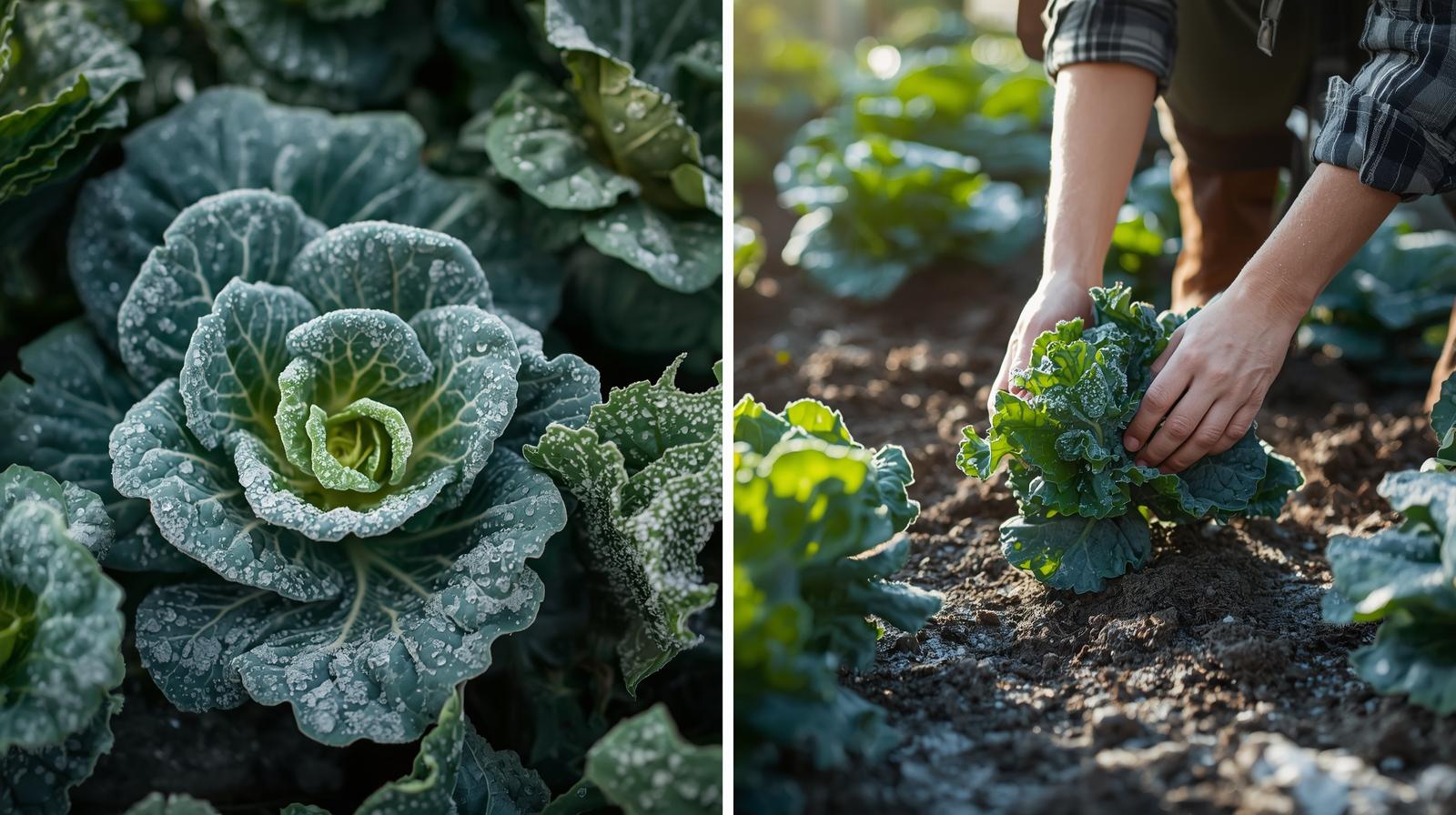
Kale is widely considered the most cold-hardy leafy green available to home gardeners. It can survive temperatures well below freezing with minimal protection. Frost exposure improves kale’s flavor by reducing bitterness and increasing sweetness. Curly and lacinato varieties both perform exceptionally well in cool climates. Kale plants continue producing leaves even after light snowfalls. Their upright growth habit prevents leaf rot in damp conditions. Kale is also extremely nutritious, packed with vitamins A, C, and K. This makes it a staple for late-season harvesting and winter nutrition.
Growing and Caring for Kale in Cool Climates
Plant kale in late summer or early fall for optimal late harvests. Choose a sunny location with well-drained, fertile soil. Consistent watering is important, even in cooler weather. Mulching around plants helps regulate soil temperature and moisture levels. Light frost protection using row covers extends the harvest season further. Harvest outer leaves regularly to encourage continuous growth. Avoid over-fertilizing late in the season, as it may reduce cold tolerance. With minimal care, kale can produce leaves for several months.
Green 2: Spinach – Fast-Growing and Frost-Friendly
Spinach thrives in cool weather and grows rapidly when temperatures are mild. It is ideal for late fall planting due to its short maturity period. Spinach tolerates light frosts and can overwinter in milder cold climates. Leaves remain tender and flavorful even in chilly conditions. Spinach prefers rich, nitrogen-rich soil for healthy leaf development. Its compact growth makes it suitable for small garden spaces. Spinach also performs well in raised beds and containers. Late-season spinach provides fresh greens when few other crops survive.
Tips for Late-Season Spinach Success
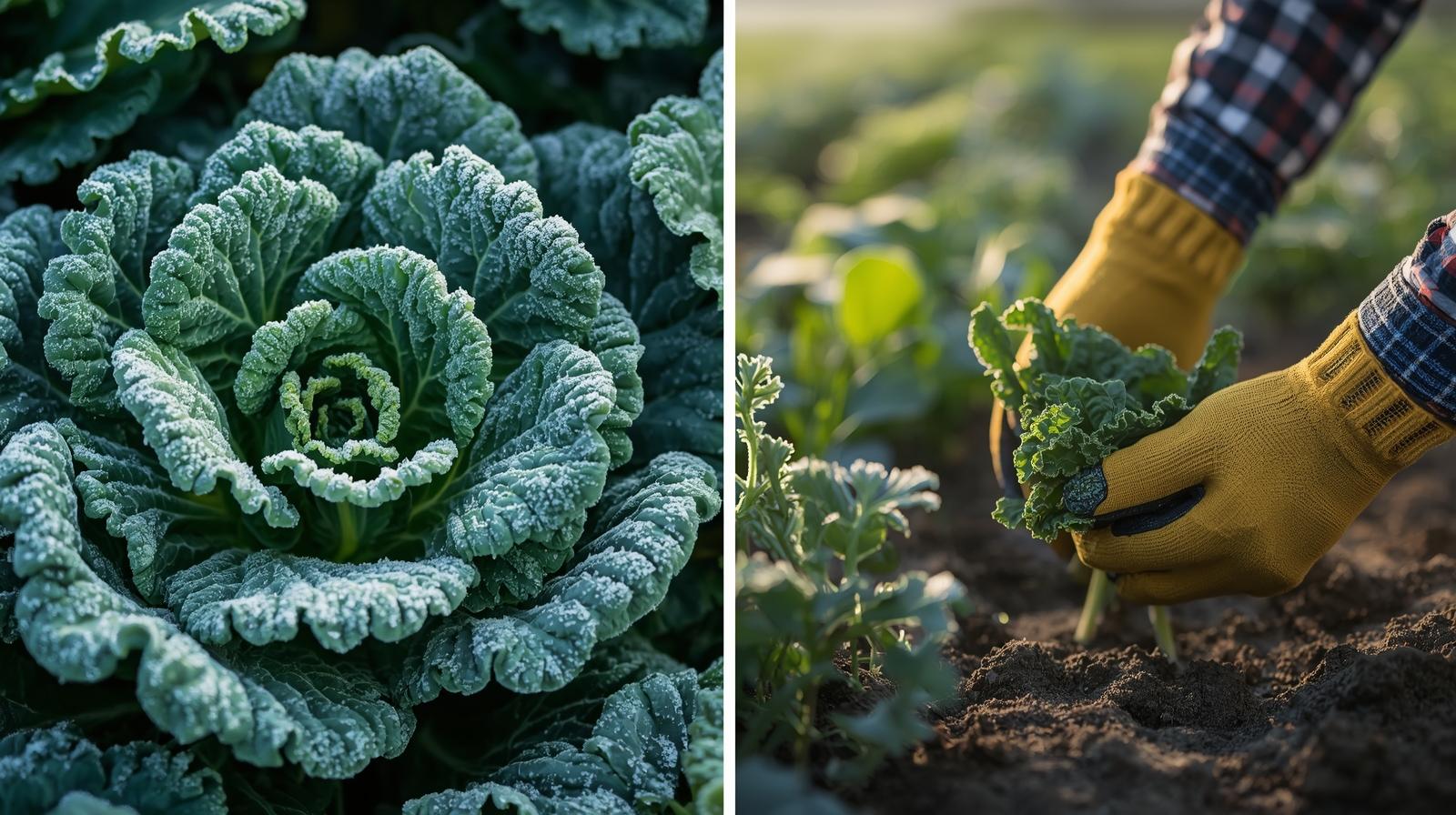
Sow spinach seeds directly into the soil in early fall. Keep soil consistently moist during germination. Thin seedlings properly to prevent overcrowding and disease. Use mulch to protect roots from sudden temperature fluctuations. Row covers help shield spinach from heavy frosts and snow. Harvest leaves regularly to promote new growth. Avoid harvesting during frozen conditions to prevent plant damage. With proper care, spinach yields abundantly in cool weather.
Green 3: Swiss Chard – Colorful and Cold-Resilient
Swiss chard is known for its vibrant stems and impressive cold tolerance. While not as hardy as kale, it survives light to moderate frosts easily. Chard continues producing leaves well into late fall. Its thick stems and sturdy leaves resist cold damage effectively. Swiss chard offers a mild, slightly earthy flavor that improves in cool temperatures. It is rich in magnesium, iron, and antioxidants. Chard also adapts well to various soil conditions. This makes it a versatile choice for late harvest gardens.
Maintaining Swiss Chard During Cool Weather
Plant Swiss chard in late summer for fall harvesting. Choose a location with full sun to partial shade. Water regularly but avoid waterlogging the soil. Remove damaged leaves promptly to maintain plant health. Mulch generously to insulate roots during cold nights. Harvest outer leaves carefully to allow inner growth. Light frost protection extends harvests significantly. Swiss chard rewards gardeners with colorful, nutritious leaves for months.
Green 4: Arugula – Peppery Flavor That Loves the Cold
Arugula is a fast-growing green that thrives in cool conditions. Cold weather slows bolting, allowing longer harvest periods. Its peppery flavor becomes milder and sweeter after frost exposure. Arugula grows well in both garden beds and containers. It requires minimal maintenance and matures quickly. Leaves are tender and ideal for salads and garnishes. Arugula tolerates light frosts without quality loss. This makes it perfect for late-season sowing.
Best Practices for Growing Arugula in Cool Climates
Sow arugula seeds every two weeks for continuous harvests. Choose loose, well-drained soil with moderate fertility. Keep soil moist but not soggy. Thin seedlings early to improve airflow. Use row covers to protect from extreme cold. Harvest young leaves for best flavor and texture. Avoid letting plants mature too long in cold weather. Arugula rewards gardeners with quick, reliable yields.
Green 5: Collard Greens – Tough and Highly Productive
Collard greens are exceptionally tough and cold-tolerant. They withstand heavy frosts better than many leafy vegetables. Cold exposure enhances their mild, cabbage-like flavor. Collards grow large leaves, providing generous harvests. They are rich in calcium, fiber, and vitamins. Collards thrive in fertile soil with consistent moisture. Their sturdy structure resists wind and cold damage. This makes them ideal for late fall and early winter harvesting.
Caring for Collard Greens Through Late Seasons
Plant collards in late summer for fall growth. Space plants adequately to support large leaves. Water deeply to encourage strong root systems. Mulch heavily to maintain soil warmth. Protect plants with row covers during severe cold spells. Harvest leaves from the bottom up for continuous production. Remove yellowing leaves promptly. Collards offer dependable harvests when other crops fail.
Comparison Table: Top Cold-Hardy Greens
| Green Name | Cold Tolerance Level | Flavor After Frost | Best Use | Harvest Duration | | Kale | Very High | Sweeter | Cooking and salads | Long | | Spinach | High | Mild and tender | Salads and cooking | Medium | | Swiss Chard | Medium | Slightly sweet | Cooking | Long | | Arugula | Medium | Less spicy | Salads | Short | | Collard Greens | Very High | Milder | Cooking | Long |
Soil Preparation for Cold-Season Greens
Healthy soil is essential for successful cold-season gardening. Incorporate organic compost to improve structure and nutrients. Well-drained soil prevents root rot during cold, wet conditions. Balanced soil fertility supports steady growth in cool weather. Avoid excessive nitrogen late in the season. Soil pH should be adjusted based on crop requirements. Raised beds warm faster and improve drainage. Good soil preparation increases cold tolerance and yields.
Frost Protection Techniques for Late Harvests
Frost protection extends the growing season significantly. Row covers trap heat and shield plants from wind. Mulch insulates soil and stabilizes temperatures. Cold frames offer excellent protection for extreme climates. Simple plastic tunnels create a greenhouse effect. Remove covers during warm days to prevent overheating. Monitor weather forecasts closely. Proper protection ensures continuous harvests.
Harvesting and Storage Tips for Cold-Hardy Greens
Harvest greens during midday when temperatures are higher. Use clean, sharp tools to prevent plant damage. Avoid harvesting frozen leaves to reduce bruising. Store harvested greens in breathable containers. Refrigerate immediately to preserve freshness. Wash greens just before use. Some greens store better than others. Proper handling extends shelf life and quality.
Nutritional Benefits of Cold-Season Greens
Cold-hardy greens are nutrient-dense and highly beneficial. They provide essential vitamins during winter months. Antioxidant levels often increase in cold-grown greens. Fiber content supports digestive health. Minerals like calcium and iron strengthen bones and blood health. Fresh greens improve immune function. Regular consumption supports overall wellness. Late harvest greens are a valuable dietary addition.
Common Mistakes to Avoid in Cool-Climate Gardening
Planting too late reduces establishment before cold sets in. Poor soil drainage leads to root problems. Overwatering increases disease risk in cool weather. Ignoring frost protection shortens harvest periods. Harvesting incorrectly damages plants. Choosing unsuitable varieties leads to poor performance. Lack of planning limits success. Avoiding these mistakes improves results.
Conclusion: Extending Your Garden into Cold Seasons
Cold-hardy greens allow gardeners to extend harvests beyond traditional seasons. With proper planning, fresh produce is available even in cold climates. Choosing resilient varieties ensures reliable yields. Soil preparation and frost protection are key success factors. Late-season gardening reduces grocery dependence. It also improves sustainability and food security. Cold-weather greens enhance flavor and nutrition. They are essential for year-round gardening success.