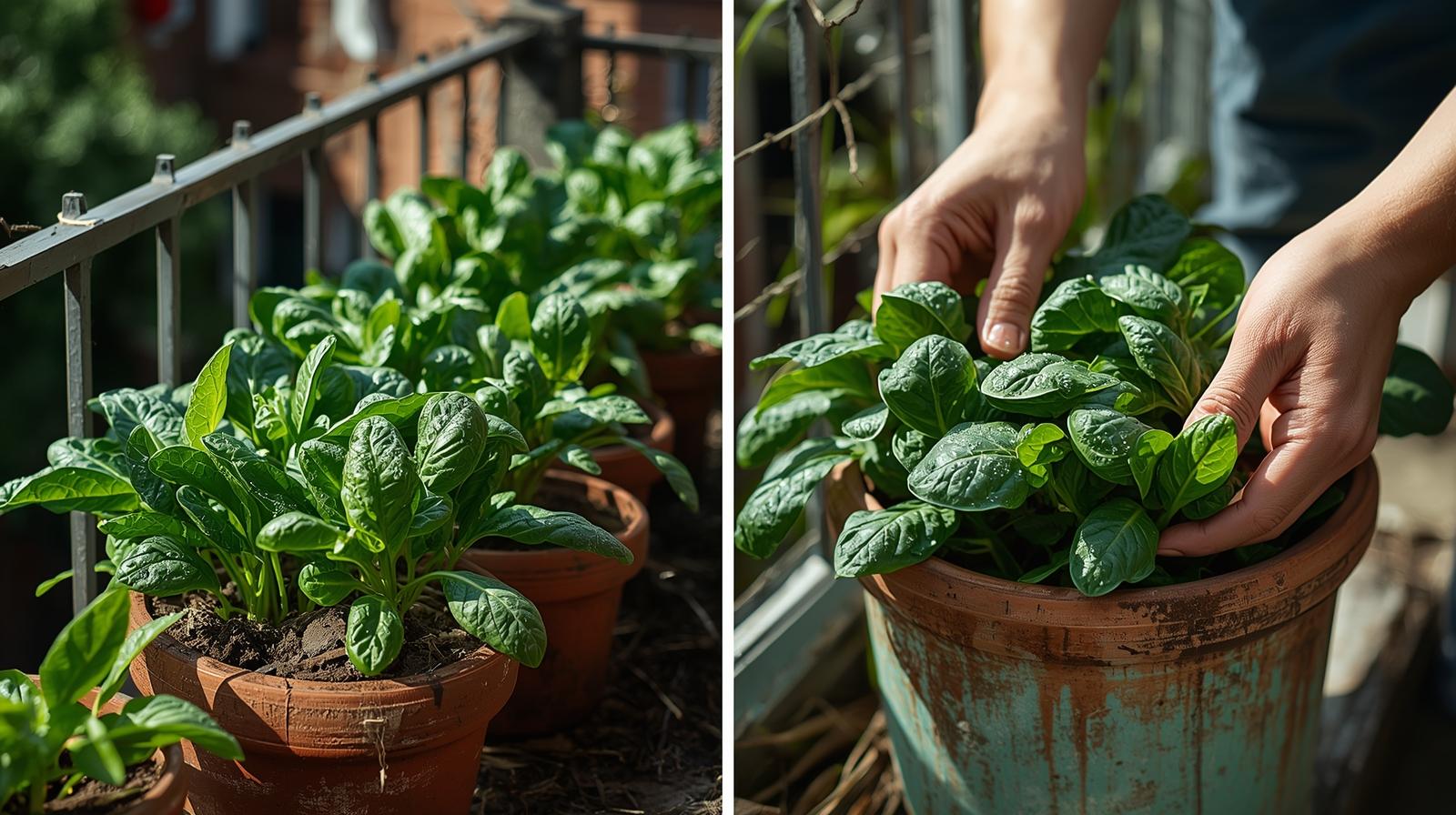
Introduction to Container Spinach Gardening
Spinach is one of the easiest and fastest-growing leafy greens for container gardening. Growing spinach in pots allows year-round access to fresh, nutrient-rich greens. Containers are ideal for balconies, terraces, and windowsills. Spinach thrives in cool temperatures and adapts well to small spaces. With containers, gardeners can control soil quality and moisture easily. Freshly harvested spinach tastes far superior to store-bought greens. Container gardening also reduces pest issues. Spinach grows quickly, making it perfect for beginners. Regular harvesting encourages continuous growth. Anyone can grow spinach successfully at home.
Best Spinach Varieties for Container Growing
Choosing the right spinach variety improves success in containers. Baby spinach varieties grow quickly and remain compact. Savoy, semi-savoy, and smooth-leaf spinach are all suitable. Varieties like Bloomsdale, Space, and Baby Leaf Hybrid perform well in pots. Heat-tolerant varieties are ideal for warmer climates. Fast-growing types allow multiple harvests. Disease-resistant varieties reduce maintenance. Select seeds from reliable sources. Container-friendly varieties ensure consistent yields. Variety selection influences flavor and texture. Proper choice simplifies care.
Choosing the Right Container for Spinach
Spinach does not require deep containers but needs adequate width. A pot with six to eight inches depth works well. Wider containers allow multiple plants in one pot. Ensure drainage holes are present. Plastic, ceramic, or grow bags are suitable. Lightweight containers are easy to move. Shallow trays work for baby spinach. Good drainage prevents root diseases. Containers should be placed in accessible locations. Proper container choice supports healthy growth. Convenience encourages regular harvesting.
Ideal Soil Mix for Container Spinach
Spinach prefers loose, fertile, well-draining soil. Use a quality potting mix enriched with compost. Avoid heavy garden soil that compacts easily. Organic matter improves nutrient availability. Soil should retain moisture without becoming waterlogged. A neutral to slightly alkaline pH is ideal. Mixing vermicompost boosts growth. Good aeration supports root health. Fresh soil reduces disease risk. Proper soil preparation leads to lush leaves. Healthy soil equals healthy spinach.
How to Plant Spinach Seeds in Containers
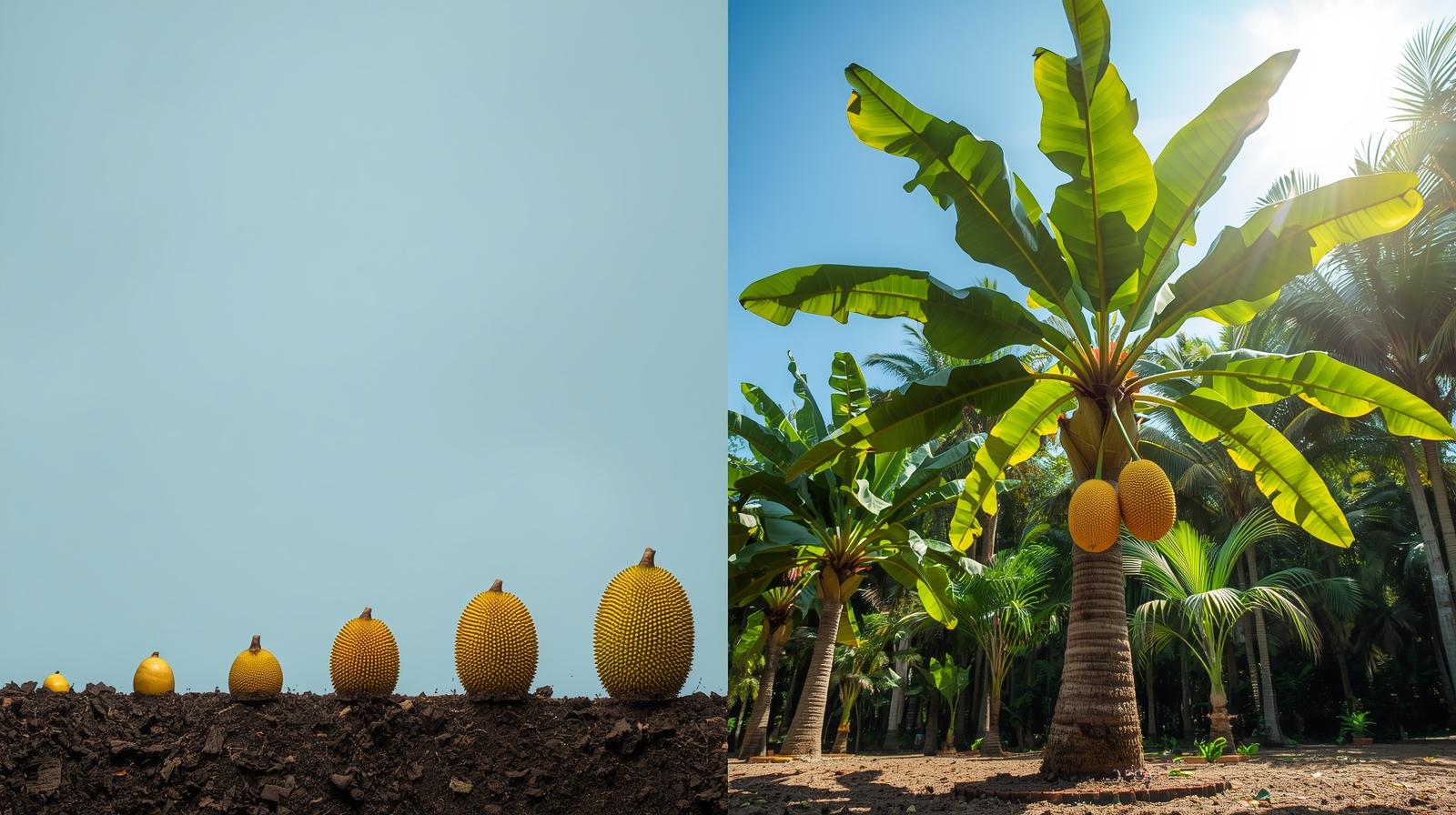
Fill the container with prepared potting mix. Sow seeds half an inch deep and two inches apart. Cover lightly with soil and water gently. Keep soil moist until germination. Seeds usually sprout within seven to ten days. Thin seedlings once they grow a few inches tall. Proper spacing improves airflow. Avoid overcrowding plants. Label containers with planting dates. Seed planting is simple and rewarding. Consistent moisture ensures successful germination.
Sunlight Requirements for Spinach in Pots
Spinach grows best in partial sun to full sun. Four to six hours of sunlight is sufficient. In hot climates, morning sun with afternoon shade is ideal. Excessive heat causes bolting. Containers allow easy movement to adjust light exposure. Indoor spinach can grow near bright windows. Grow lights can supplement sunlight if needed. Balanced light produces tender leaves. Too much sun can stress plants. Monitoring sunlight improves results. Light management extends harvest periods.
Watering Spinach Plants in Containers
Spinach requires consistently moist soil. Water regularly to prevent drying out. Shallow roots dry quickly in containers. Water gently to avoid disturbing soil. Morning watering is ideal. Avoid waterlogging, which causes root rot. Mulching helps retain moisture. Hot weather increases watering frequency. Consistent watering keeps leaves tender. Dry stress causes bitterness. Proper watering ensures quality harvests.
Fertilizing Container-Grown Spinach
Spinach benefits from light, regular feeding. Use balanced liquid fertilizer every two weeks. Organic options like compost tea work well. Avoid excessive nitrogen, which can cause weak growth. Fertilize after harvesting to encourage regrowth. Slow-release fertilizers provide steady nutrients. Healthy feeding supports lush foliage. Nutrient-rich soil reduces fertilizer needs. Monitor plant response carefully. Proper feeding enhances flavor. Balanced nutrition promotes continuous growth.
Mulching for Moisture and Weed Control
Mulching helps maintain soil moisture. Organic mulch like straw or dried leaves works well. Mulch reduces evaporation. It also prevents weeds from growing. Keep mulch light and shallow. Avoid covering plant crowns. Mulching stabilizes soil temperature. This is especially helpful in warm climates. Reduced watering saves time. Mulch improves soil structure over time. Simple mulching improves container performance.
Managing Temperature for Year-Round Spinach
Spinach prefers cool temperatures. Ideal growth occurs between ten to twenty degrees Celsius. In hot weather, provide shade. Grow spinach indoors during extreme heat. In winter, protect plants from frost. Containers can be moved easily. Seasonal planning allows continuous harvests. Choose heat-tolerant varieties in summer. Temperature control prevents bolting. Balanced climate management extends growing season. Containers provide flexibility for year-round spinach.
Harvesting Spinach Leaves Properly
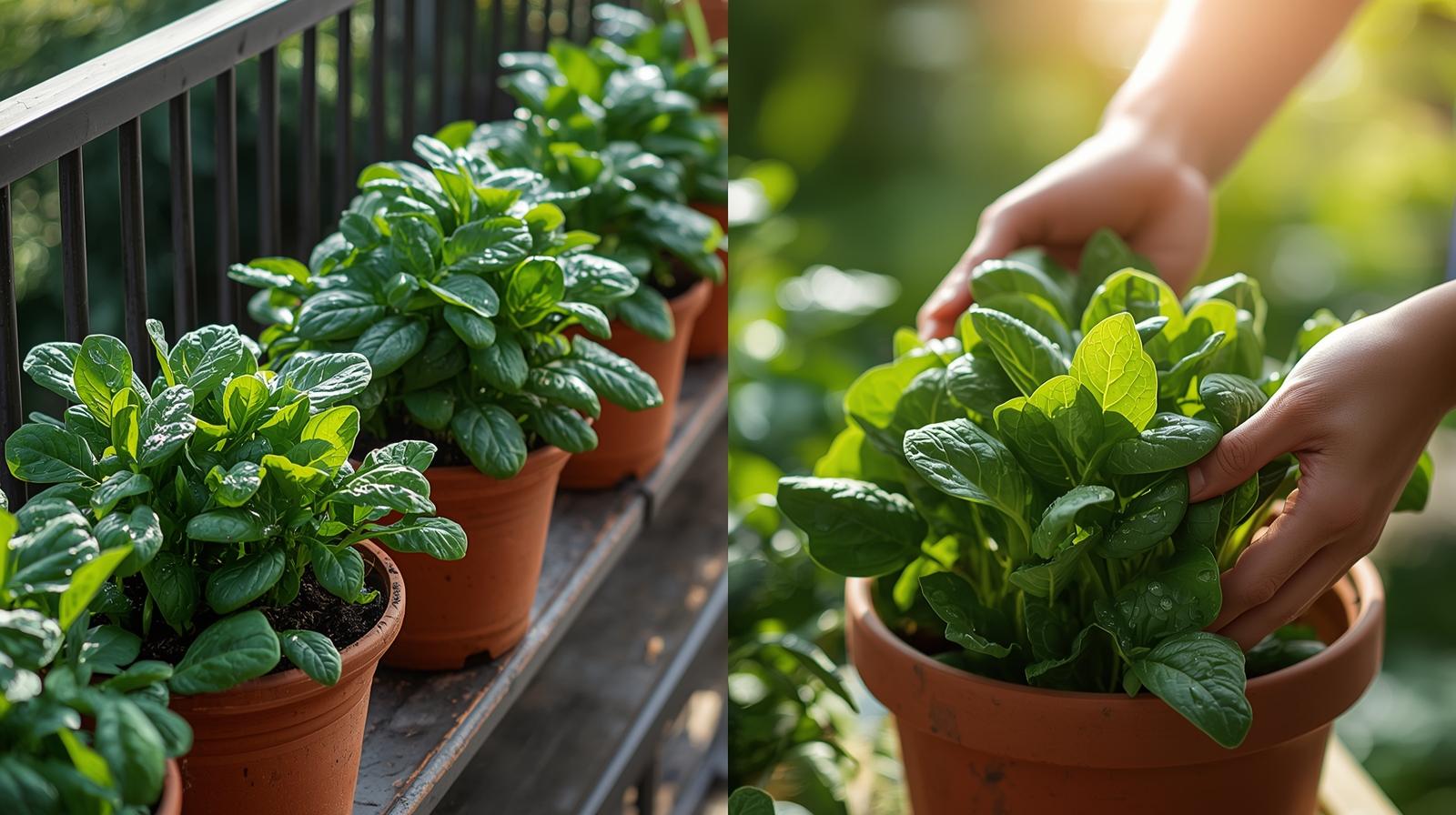
Spinach can be harvested within thirty to forty days. Harvest outer leaves first. This allows inner leaves to continue growing. Use clean scissors or pinch gently. Avoid harvesting too much at once. Regular harvesting encourages regrowth. Baby spinach can be harvested earlier. Morning harvesting gives the best flavor. Fresh leaves are tender and sweet. Proper harvesting extends plant life. Gentle handling prevents damage.
Common Problems in Container Spinach Growing
Yellow leaves indicate nutrient deficiency. Wilting may result from underwatering. Bolting occurs due to heat stress. Pests like aphids may appear. Fungal diseases develop in poor airflow. Overcrowding increases disease risk. Regular inspection helps early detection. Adjust watering and light as needed. Remove affected leaves promptly. Healthy care prevents most problems. Timely action saves crops.
Pest Control for Container Spinach
Aphids and leaf miners are common pests. Hand removal works for small infestations. Neem oil spray is effective and safe. Avoid chemical pesticides on leafy greens. Encourage airflow to reduce pests. Clean containers regularly. Healthy plants resist pests better. Early intervention prevents spread. Organic methods protect food safety. Pest management is simple with containers. Clean practices are key.
Growing Spinach Indoors in Containers
Indoor spinach growing is very convenient. Place containers near bright windows. Use grow lights if sunlight is insufficient. Maintain consistent watering. Indoor temperature should be moderate. Indoor growing avoids weather stress. Pests are less common indoors. Spinach grows well in shallow trays. Harvest regularly for fresh greens. Indoor gardening ensures year-round supply. Minimal space is required.
Seasonal Spinach Care Tips
Adjust care based on season. In summer, increase shade and watering. In winter, reduce watering slightly. Fertilize lightly during active growth. Monitor temperature changes closely. Seasonal planning prevents stress. Containers make seasonal adjustments easy. Rotate planting for continuous harvests. Adapt care routines accordingly. Seasonal awareness improves success. Proper timing maximizes yield.
Benefits of Growing Spinach in Containers
Container spinach offers convenience and freshness. Control over soil and water improves quality. Containers fit small spaces. Harvesting is easy and quick. Fresh spinach is highly nutritious. No chemical contamination ensures safety. Containers reduce weed issues. Indoor and outdoor options exist. Fast growth provides quick results. Container spinach is ideal for home gardeners.
Beginner Tips for Container Spinach Gardening
Start with quality seeds. Use fresh potting mix. Avoid overcrowding plants. Water consistently. Provide partial shade in hot weather. Harvest regularly. Monitor pests early. Keep containers clean. Learn from plant behavior. Simple care leads to success. Spinach is forgiving and rewarding.
Spinach Container Growing Summary Table
Aspect | Best Practice
Container Depth | Six to eight inches
Soil Type | Loose, fertile potting mix
Sunlight | Four to six hours
Watering | Consistently moist soil
Fertilizer | Light, balanced feeding
Harvest Time | Thirty to forty days
Temperature | Cool conditions preferred