Introduction to Growing Blueberries in Containers
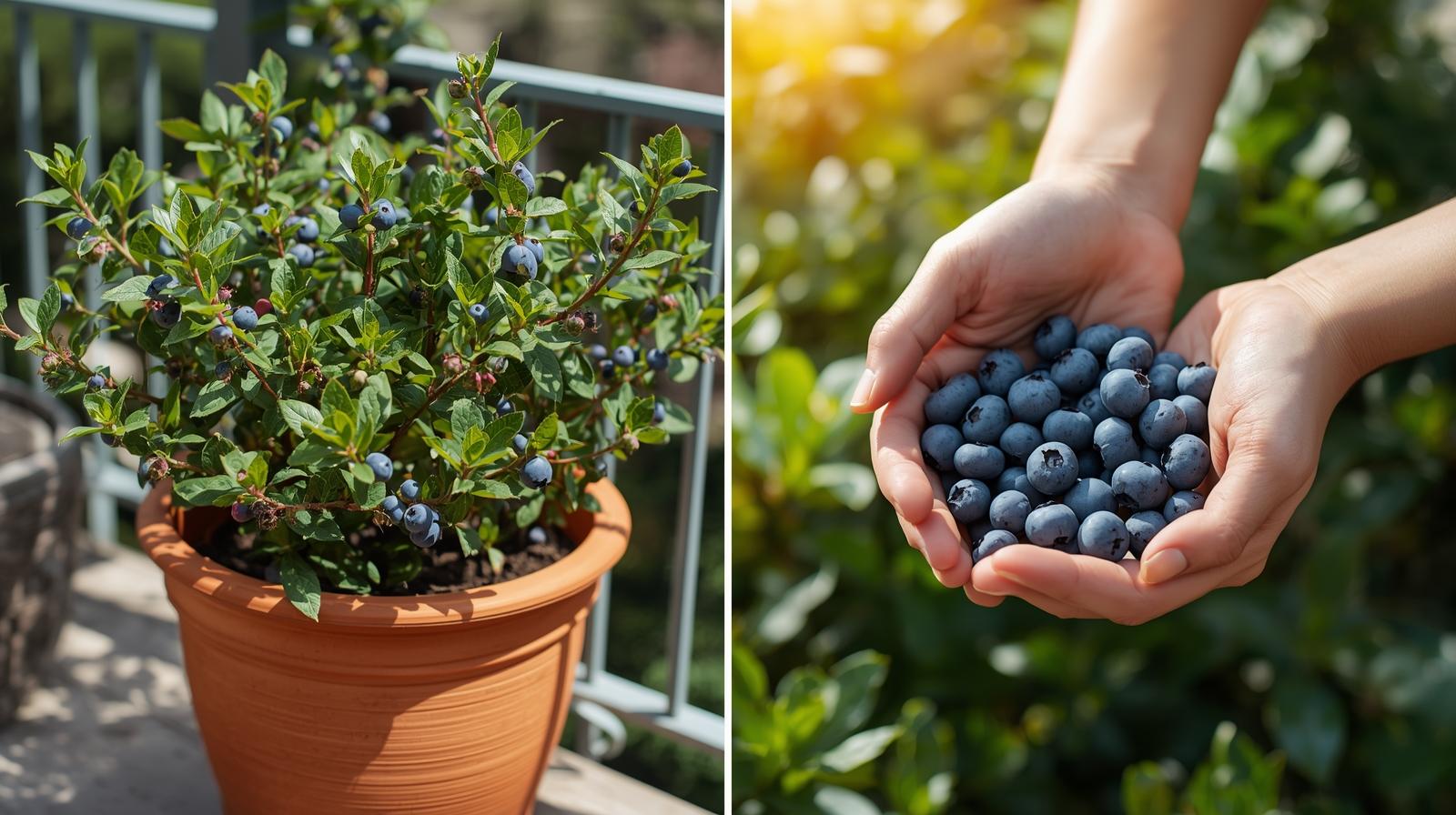
Growing blueberries in pots is an excellent option for home gardeners who want fresh, chemical-free berries without needing a large garden. Container growing allows better control over soil quality, moisture, and sunlight, which are critical for blueberry plants. Blueberries naturally prefer acidic soil, and pots make it easier to maintain the right pH level. With the right variety and care, potted blueberries can thrive on balconies, terraces, patios, and rooftops. Many gardeners choose containers because they reduce pest pressure and soil-borne diseases. Blueberry plants are also attractive, producing white flowers and colorful berries. Container gardening makes harvesting simple and enjoyable. Anyone can grow blueberries at home with patience and consistency.
Best Blueberry Varieties for Pot Gardening
Choosing the right blueberry variety is the foundation of success when growing in containers. Dwarf and half-high blueberry varieties are ideal because they stay compact and adapt well to limited root space. Popular container-friendly varieties include Top Hat, Sunshine Blue, Jelly Bean, and Northsky. These varieties produce good yields without growing excessively tall. Some blueberries are self-pollinating, making them perfect for small spaces. However, growing two compatible varieties can increase fruit production. Always check the climate suitability of the variety before planting. Selecting disease-resistant plants ensures long-term success. Healthy nursery plants establish faster in pots.
Ideal Container Size and Material for Blueberries
Blueberries require large containers to support healthy root development and fruiting. A pot that holds at least twenty to twenty-five liters of soil is recommended. The container should be at least sixteen to twenty inches deep and wide. Plastic, ceramic, and fabric grow bags all work well if they provide good drainage. Drainage holes are essential to prevent root rot. Dark-colored containers retain heat, which can be helpful in cooler climates. Lightweight containers are easier to move for sunlight adjustment. Strong containers last longer and support mature plants. A stable pot prevents tipping during windy conditions.
Soil Requirements for Potted Blueberry Plants
Soil quality is the most critical factor when growing blueberries in pots. Blueberries require acidic soil with a pH between four point five and five point five. A mix of peat moss, pine bark, coco peat, and perlite works extremely well. Regular garden soil should be avoided because it is usually too alkaline and heavy. Acidic potting mixes specifically made for acid-loving plants are ideal. Good aeration helps roots absorb nutrients efficiently. Organic matter improves moisture retention while preventing compaction. Testing soil pH regularly ensures long-term plant health. Proper soil preparation results in higher yields.
Planting Blueberries in Pots Step by Step
Start by filling the container with prepared acidic potting mix, leaving a few inches at the top. Remove the blueberry plant gently from its nursery pot. Loosen the roots slightly to encourage outward growth. Place the plant in the center of the container at the same depth as before. Fill around the roots with soil and press gently to remove air pockets. Water thoroughly after planting to settle the soil. Add mulch on the surface to conserve moisture. Keep the newly planted blueberry in partial shade for a few days. This helps reduce transplant shock.
Sunlight Requirements for Healthy Blueberry Growth
Blueberries thrive when they receive at least six to eight hours of sunlight daily. Full sun encourages better flowering and fruit development. In very hot climates, light afternoon shade can prevent leaf scorch. Containers allow you to move plants to the best sunlit area. Insufficient sunlight results in weak growth and poor fruiting. South-facing balconies and terraces are usually ideal. Monitor how sunlight shifts throughout the season. Consistent light exposure improves berry sweetness. Proper sunlight also helps prevent fungal diseases. Sun management is key to success.
Watering Blueberries in Containers Correctly
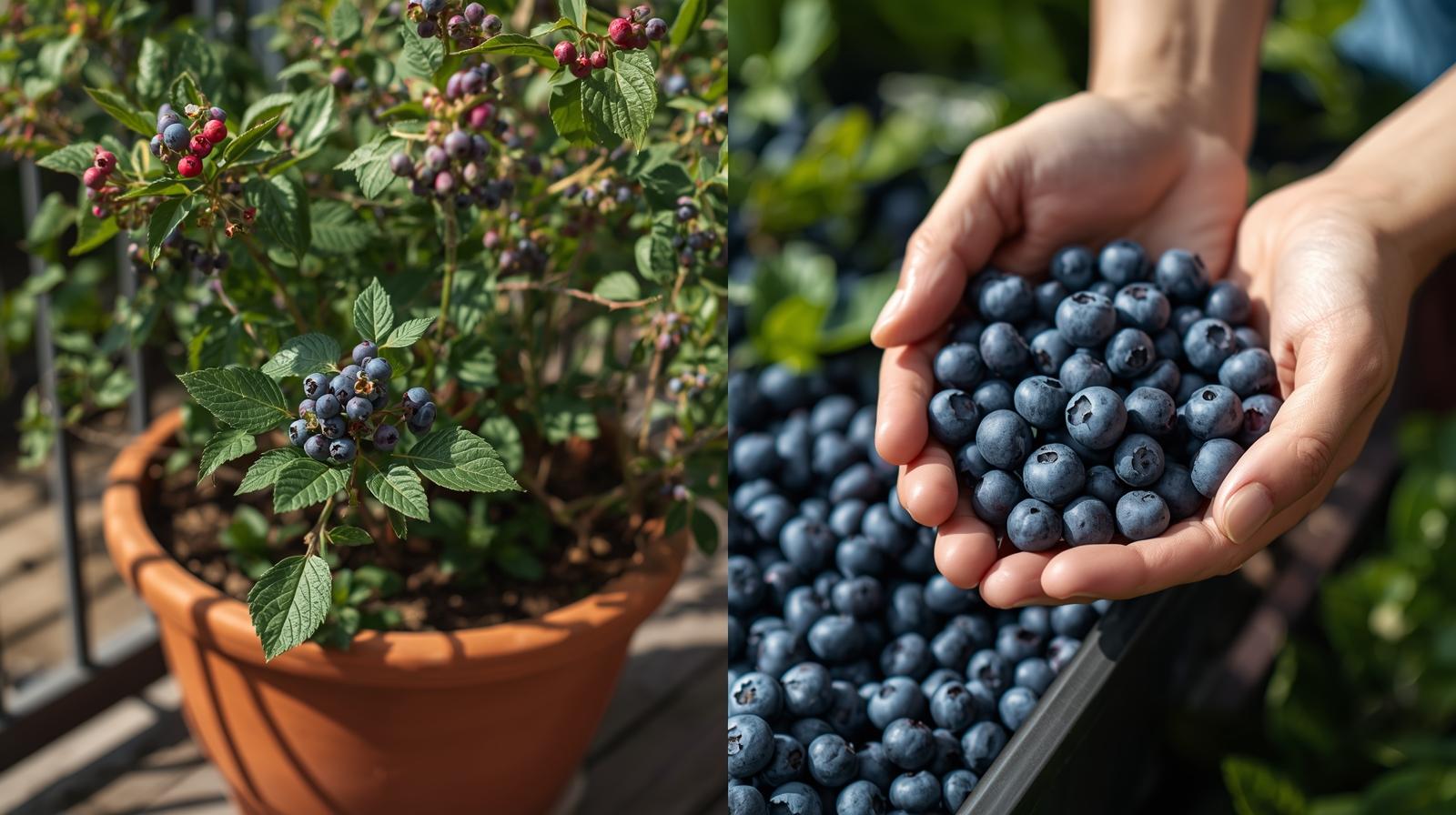
Potted blueberries need consistent moisture, but overwatering can cause serious problems. The soil should remain evenly moist but never soggy. Water when the top inch of soil feels dry. During hot weather, daily watering may be required. Always water deeply until excess drains out. Avoid letting pots dry out completely, as this stresses the plant. Use rainwater if possible, as tap water can raise soil pH. Mulching helps retain moisture and reduce watering frequency. Proper watering supports steady growth and fruit formation. Balance is essential for healthy roots.
Fertilizing Blueberries Grown in Pots
Blueberries are light feeders but require specific nutrients. Use fertilizers designed for acid-loving plants. Apply fertilizer in early spring when new growth appears. A second light feeding after flowering supports fruit development. Avoid over-fertilizing, as blueberries are sensitive to salt buildup. Organic options like composted pine needles or fish emulsion work well. Slow-release fertilizers are ideal for containers. Always follow recommended application rates. Fertilizing at the right time improves berry size and flavor. Healthy nutrition leads to stronger plants.
Mulching Benefits for Potted Blueberries
Mulching plays an important role in container blueberry care. Organic mulch such as pine bark, wood chips, or straw works best. Mulch helps maintain soil moisture and temperature. It also prevents weeds from competing for nutrients. Pine-based mulch naturally supports soil acidity. Apply a two-to-three-inch layer around the plant base. Keep mulch slightly away from the stem to avoid rot. Replace mulch as it decomposes. Mulching reduces watering needs and improves root health. This simple step boosts overall plant performance.
Pruning Blueberries in Containers
Pruning keeps potted blueberry plants productive and manageable. In the first two years, minimal pruning is needed. Remove only dead or damaged branches. Once the plant matures, prune annually during late winter. Remove weak, crossing, or old canes to encourage new growth. Proper pruning improves air circulation and sunlight penetration. This reduces disease risk and improves fruit quality. Avoid heavy pruning in one season. Balanced pruning maintains plant shape. Regular maintenance ensures long-term productivity. Healthy plants produce better harvests.
Flowering and Fruit Development in Blueberries
Blueberry plants usually flower in early spring. Small white or pink bell-shaped flowers appear before leaves fully develop. These flowers are pollinated by bees and insects. After pollination, berries form and slowly ripen. Fruit development can take several weeks. During this period, consistent watering is crucial. Stress can cause fruit drop or poor berry size. Container plants may fruit earlier than ground-grown ones. Protect flowers from late frost if necessary. Successful flowering leads to rewarding harvests. Patience is essential.
Common Problems When Growing Blueberries in Pots
Yellowing leaves often indicate high soil pH or nutrient deficiency. Poor drainage can lead to root rot. Lack of sunlight results in weak growth and few berries. Overwatering causes wilting despite wet soil. Pests like aphids and spider mites may appear occasionally. Fungal diseases can develop in humid conditions. Regular monitoring helps detect issues early. Correcting soil pH solves many problems. Proper spacing and airflow reduce disease risk. Healthy care routines prevent most issues.
Pest and Disease Control for Container Blueberries
Container blueberries experience fewer pests than garden-grown plants. However, birds are a major threat to ripening berries. Use netting to protect fruits. Aphids and mites can be controlled with neem oil spray. Avoid harsh chemical pesticides. Ensure good air circulation to prevent fungal diseases. Remove affected leaves immediately. Keep containers clean and weed-free. Healthy plants resist pests better. Organic pest control methods are safe and effective. Consistent care minimizes infestations. Prevention is always better than cure.
Seasonal Care for Potted Blueberry Plants
Blueberry care changes with the seasons. In spring, focus on fertilizing and watering. Summer requires regular watering and sun management. During fall, reduce feeding and prepare for dormancy. In winter, protect pots from extreme cold. Move containers to sheltered areas if necessary. Mulch helps insulate roots. Reduce watering during dormancy. Seasonal adjustments keep plants healthy year-round. Understanding plant cycles improves results. Proper timing ensures long life and productivity.
Harvesting Blueberries from Container Plants
Blueberries are ready to harvest when they turn deep blue and easily detach. Avoid picking berries too early, as they continue to sweeten on the plant. Harvest gently to avoid damaging branches. Regular harvesting encourages further ripening. Use clean hands or scissors if needed. Harvesting usually lasts several weeks. Freshly picked blueberries have the best flavor. Enjoy them immediately or store properly. Container plants offer easy access for harvesting. Homegrown berries are incredibly rewarding.
Storing and Using Homegrown Blueberries
Fresh blueberries can be stored in the refrigerator for up to a week. Do not wash berries before storing. Washing removes protective bloom. Blueberries can be frozen for long-term storage. They are perfect for smoothies, desserts, and baking. Homegrown berries are richer in flavor. Use them in jams or sauces. Freezing preserves nutrients effectively. Proper storage reduces waste. Enjoy blueberries year-round with simple methods. Home harvests add value to meals.
Advantages of Growing Blueberries in Pots
Container gardening offers flexibility and control. Soil quality can be customized easily. Pests and diseases are easier to manage. Containers fit small spaces perfectly. Plants can be moved for sunlight or protection. Harvesting is more convenient. Blueberries in pots also serve as ornamental plants. The investment is minimal compared to benefits. Even beginners can succeed. Container blueberries deliver fresh fruit at home.
Beginner Tips for Successful Blueberry Container Gardening
Start with healthy nursery plants. Choose the right container size. Maintain acidic soil consistently. Water regularly but carefully. Use proper fertilizer sparingly. Monitor sunlight exposure. Protect plants from birds. Be patient during the first year. Keep learning from plant responses. Small adjustments lead to big improvements. Gardening is a learning journey. Success comes with consistency and care.
Blueberry Container Care Summary Table
Aspect | Best Practice
Container Size | Twenty to twenty-five liter pot
Soil Type | Acidic, well-draining mix
Sunlight | Six to eight hours daily
Watering | Evenly moist soil
Fertilizer | Acid-loving plant fertilizer
Mulching | Pine bark or straw
Pruning Time | Late winter