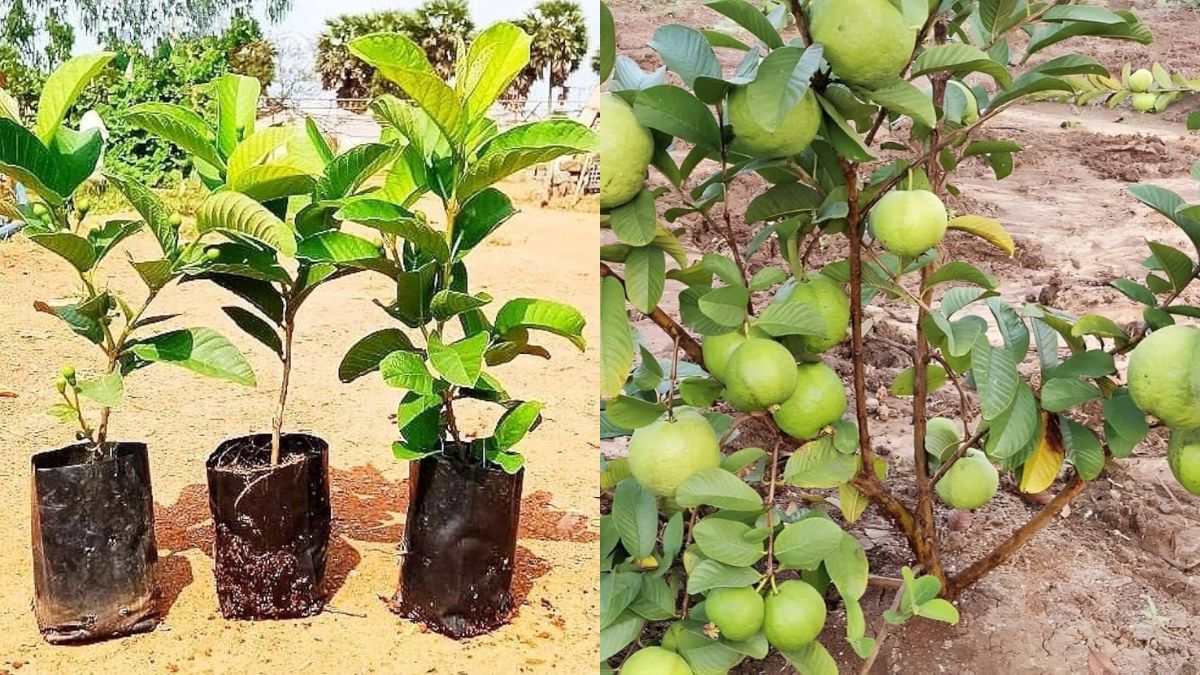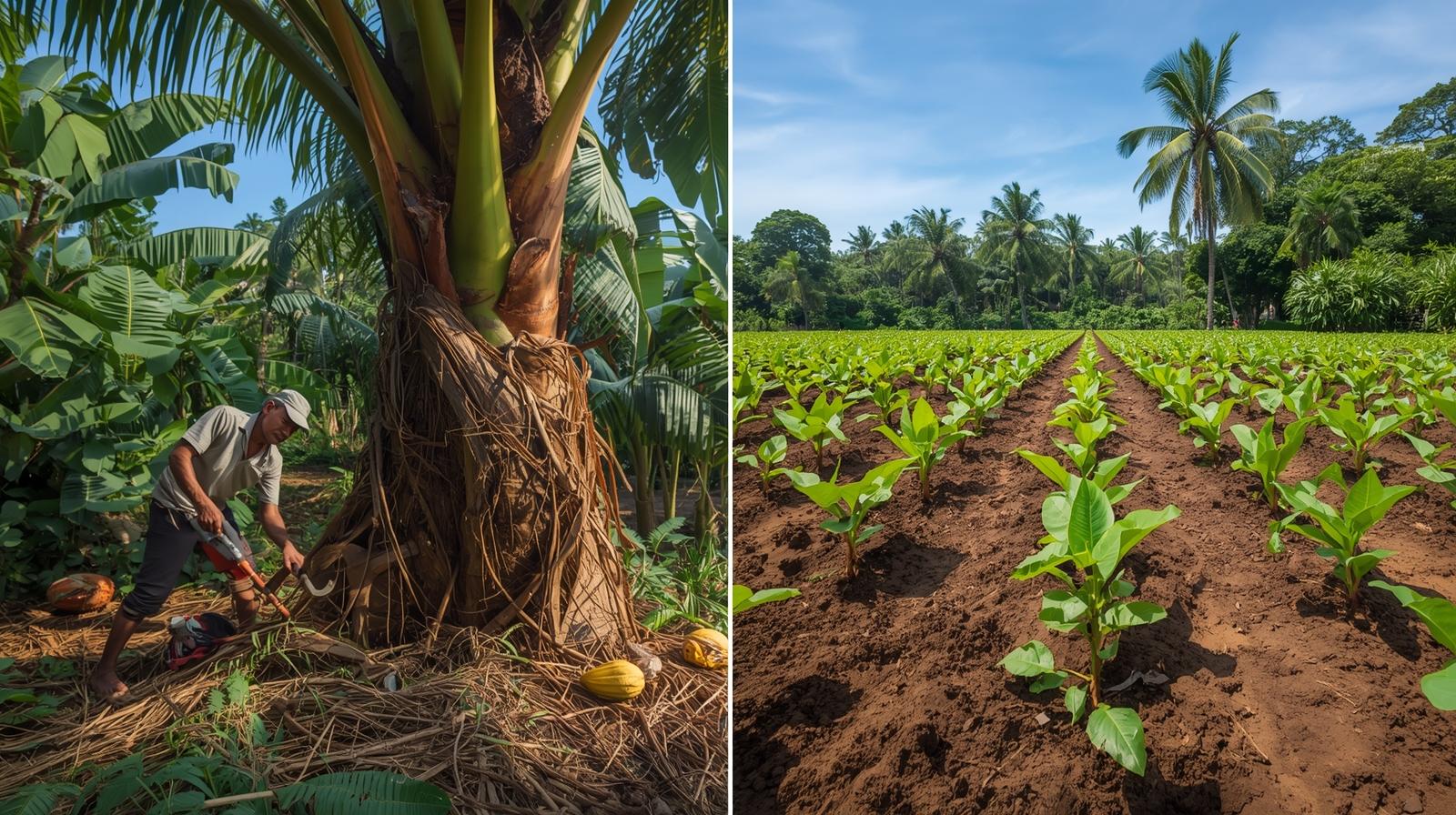
Introduction to Cacao Tree Removal
Cutting down cacao trees is a serious decision that affects both farmers and the environment. Cacao trees provide income, shade, and ecological balance. However, there are times when removal becomes necessary. Understanding the reasons behind tree cutting helps promote responsible farming. This article explains when and why cacao trees are cut. It also covers proper methods and sustainable alternatives. Poorly planned removal can damage soil and productivity. Educated decisions protect long-term yields. Sustainable practices ensure future chocolate production. This guide provides clear and ethical explanations.
Reasons for Cutting Down Cacao Trees
Cacao trees may be removed due to age, disease, or low productivity. Older trees often produce fewer pods. Severe disease can spread to healthy plants. Structural damage from storms weakens trees. Poorly placed trees limit farm efficiency. Soil depletion may require rotation. In some cases, replanting improves yield. Economic reasons also influence decisions. Removal is sometimes necessary for long-term sustainability. Understanding reasons prevents unnecessary destruction.
Identifying Diseased Cacao Trees
Diseases such as black pod and witches’ broom affect cacao trees. Infected trees show pod rot, leaf deformities, and dieback. Early identification reduces spread. Severely infected trees often cannot recover. Removing diseased trees protects surrounding plants. Regular inspection helps detect problems early. Sanitation is crucial during removal. Tools must be cleaned to avoid contamination. Disease management protects entire plantations. Proper identification supports responsible removal.
Age and Productivity Decline
Cacao trees have a productive lifespan. After several decades, yields decline significantly. Old trees may consume resources without producing pods. Replacing them improves overall farm output. Younger trees are more efficient and resilient. Gradual replacement maintains continuous production. Farmers plan removal in stages. Age assessment helps decision-making. Removing unproductive trees supports sustainability. Strategic renewal ensures future profitability.
Environmental Impact of Tree Removal
Removing cacao trees affects soil stability and biodiversity. Sudden clearing increases erosion risk. Shade loss impacts nearby plants. Wildlife habitats may be disturbed. Responsible removal minimizes damage. Retaining shade trees helps balance ecosystems. Mulching cut material returns nutrients to soil. Sustainable practices reduce environmental harm. Understanding impact promotes careful planning. Conservation and production must coexist.
Proper Tools for Cutting Cacao Trees
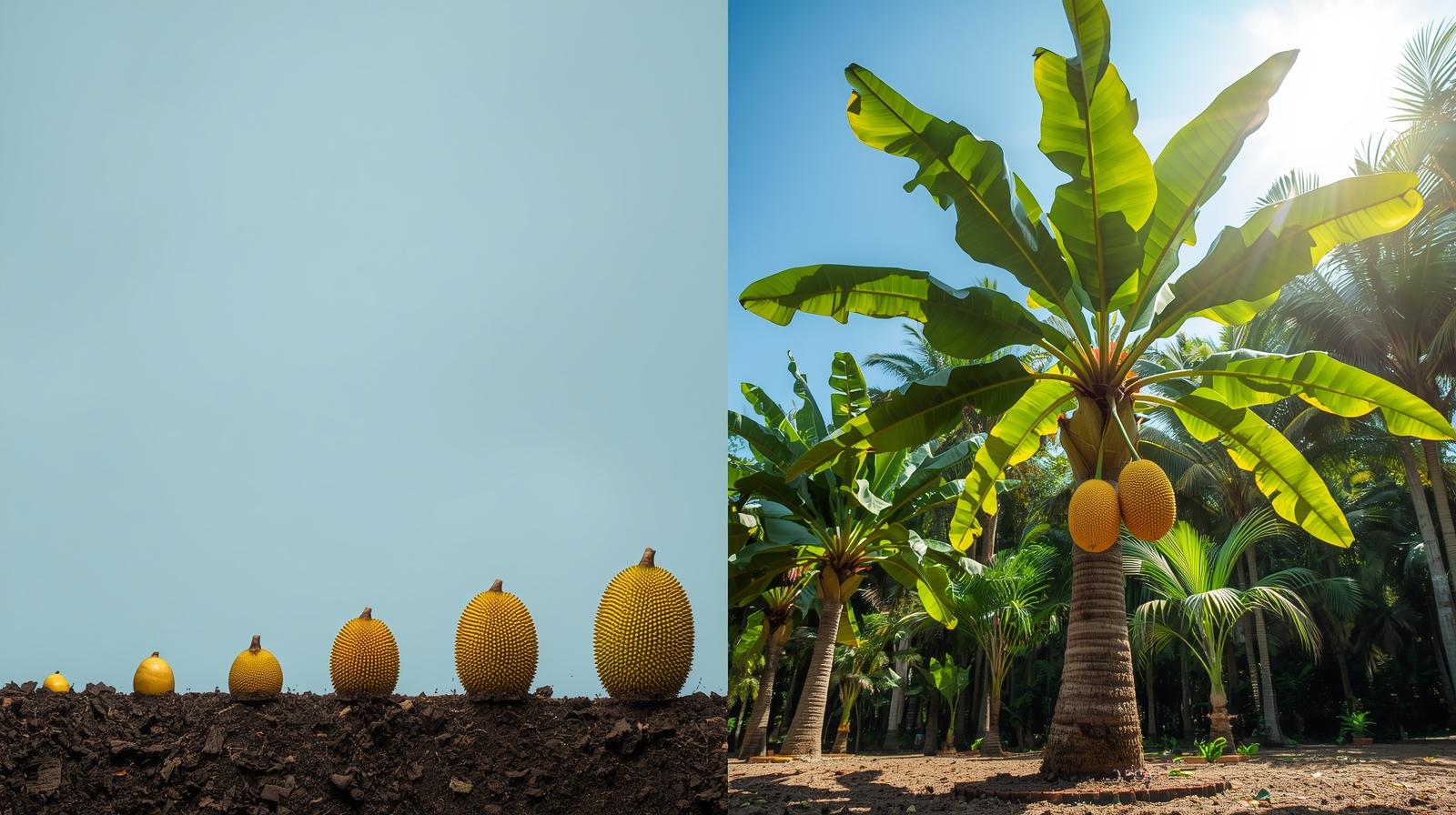
Using the right tools ensures safe and efficient removal. Sharp machetes or pruning saws are commonly used. Larger trees may require chainsaws. Protective gear prevents injury. Clean tools reduce disease spread. Proper technique minimizes damage to surrounding plants. Tool selection depends on tree size. Maintenance of tools improves efficiency. Safety is always a priority. Proper equipment supports responsible practices.
Step-by-Step Cutting Process
Begin by clearing the surrounding area. Cut branches first to reduce weight. Make clean cuts close to the trunk. Avoid tearing bark. Control the direction of fall. Cut the trunk gradually for safety. Remove stump if replanting is planned. Dispose of debris properly. Mulch usable material. Step-by-step methods reduce accidents. Careful execution protects workers and land.
Managing Tree Stumps After Removal
Leaving stumps can attract pests and disease. Grinding or removing stumps is recommended. Decomposing stumps enrich soil if managed properly. Stump removal allows replanting. Chemical treatments are discouraged in organic systems. Natural decomposition takes time. Covering stumps prevents regrowth. Proper stump management supports soil health. Planning prevents future issues. Responsible handling improves farm efficiency.
Replanting After Tree Removal
Replanting ensures continuous cacao production. Soil should rest before replanting. Adding compost restores nutrients. Selecting disease-resistant varieties improves success. Proper spacing prevents future overcrowding. Young seedlings require shade. Gradual replacement maintains yield flow. Planning ensures smooth transition. Replanting is an opportunity for improvement. Sustainable cycles protect long-term productivity.
Sustainable Alternatives to Cutting
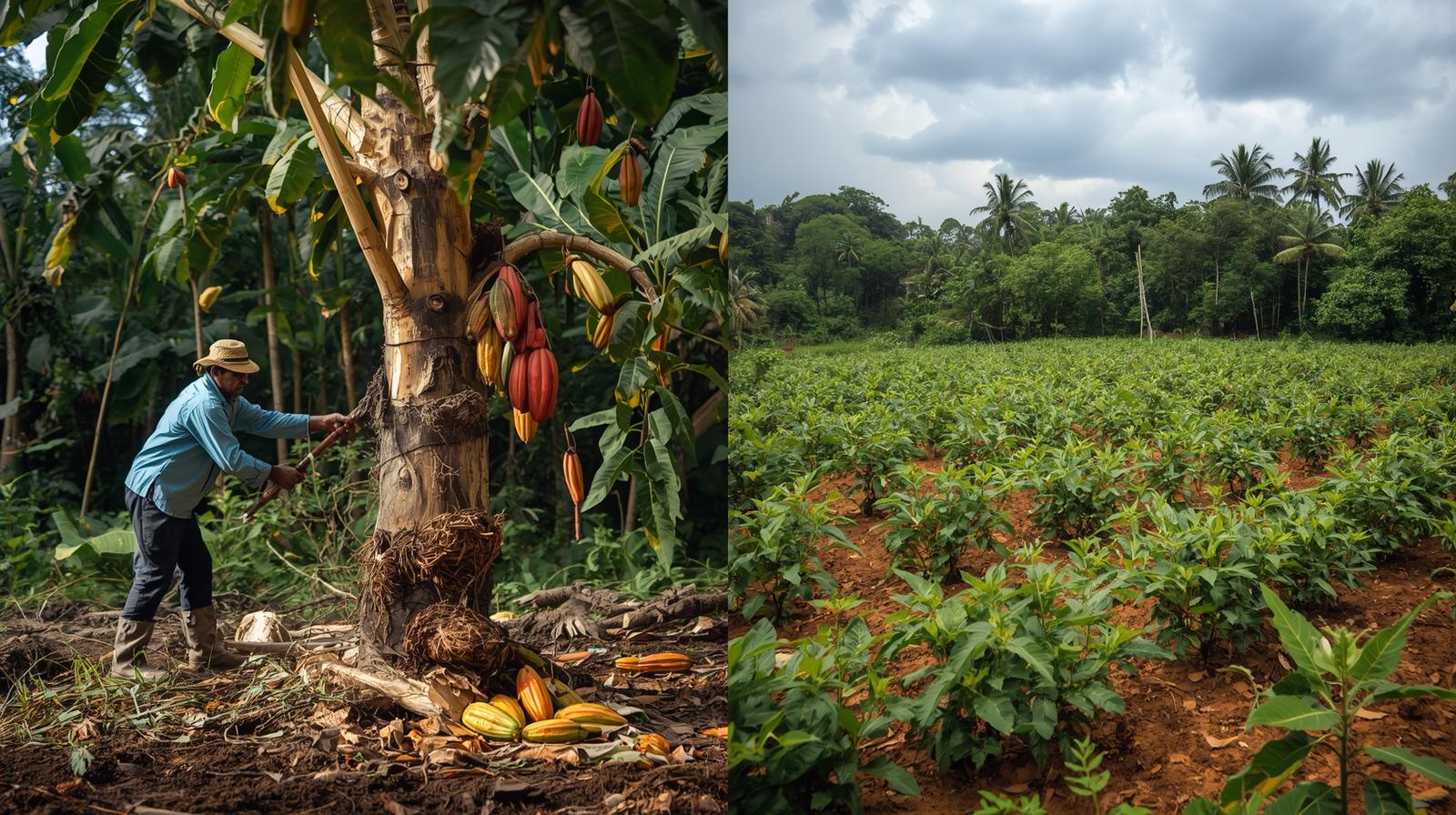
Pruning can sometimes replace full removal. Grafting rejuvenates old trees. Improving soil fertility boosts productivity. Disease management may save trees. Selective thinning improves airflow. Sustainable alternatives reduce waste. Farmers should explore options before removal. Conservation reduces environmental impact. Balanced decisions benefit farms and ecosystems. Removal should be the last resort.
Economic Considerations
Tree removal affects short-term income. Long-term benefits may outweigh losses. Planning reduces financial strain. Replanting costs must be considered. Government or agricultural support may help. Yield projections guide decisions. Sustainable management improves profitability. Economic balance is essential. Informed decisions protect livelihoods. Responsible practices ensure stability.
Labor and Safety Concerns
Cutting cacao trees requires skilled labor. Safety training prevents accidents. Fatigue increases risk. Proper scheduling improves efficiency. Team coordination ensures smooth operation. Emergency plans should be in place. Safety gear is essential. Responsible labor practices protect workers. Human safety is as important as productivity. Well-managed operations reduce risk.
Legal and Ethical Considerations
Local regulations may govern tree removal. Permits may be required. Ethical farming respects environmental laws. Illegal clearing harms ecosystems. Responsible farmers follow guidelines. Community impact should be considered. Transparency builds trust. Legal compliance avoids penalties. Ethical practices protect industry reputation. Knowledge of laws supports responsible action.
Using Cut Trees Productively
Removed trees can be repurposed. Wood can be used as fuel or mulch. Organic matter improves soil fertility. Composting reduces waste. Recycling material supports sustainability. Avoid burning unnecessarily. Efficient use benefits the environment. Resourcefulness reduces costs. Responsible disposal minimizes impact. Sustainable reuse supports eco-friendly farming.
Long-Term Farm Planning
Tree removal should align with long-term goals. Rotation planning ensures steady production. Soil health must be prioritized. Biodiversity improves resilience. Shade management is important. Monitoring yields guides decisions. Long-term planning reduces risk. Sustainable strategies ensure future success. Balanced management benefits generations. Thoughtful planning is essential.
Impact on Chocolate Production
Cacao tree management affects chocolate supply. Poor practices reduce quality and yield. Sustainable farming supports global demand. Ethical removal ensures continued production. Healthy farms produce better beans. Consumer awareness encourages responsible sourcing. Every decision affects the final product. Chocolate quality begins at the farm. Responsible management ensures industry stability. Careful practices support global markets.
Educational Importance of Understanding Tree Removal
Knowledge empowers better decisions. Educated farmers minimize mistakes. Understanding consequences promotes sustainability. Sharing best practices improves communities. Education supports innovation. Awareness prevents unnecessary destruction. Learning from experience improves outcomes. Information strengthens farming systems. Continuous education ensures progress. Knowledge is key to responsible agriculture.
Table: Reasons and Outcomes of Cutting Cacao Trees
Reason
Severe disease spreads to healthy trees
Reason
Old age and declining productivity
Reason
Storm or structural damage
Reason
Poor farm layout or overcrowding
Reason
Soil depletion and rotation needs
Reason
Replanting with improved varieties
Reason
Sustainable farm renewal