Introduction to Breadfruit Tree Growing
Breadfruit tree growing is ideal for gardeners seeking high-yield tropical crops. Often compared to dwarf jackfruit, breadfruit produces large starchy fruits. The tree grows quickly under favorable conditions. Breadfruit trees are suitable for home gardens and farms. They provide food, shade, and ecological benefits. With proper care, trees fruit consistently. Understanding growth habits is essential. Breadfruit cultivation supports sustainable living.
What Is a Breadfruit Tree
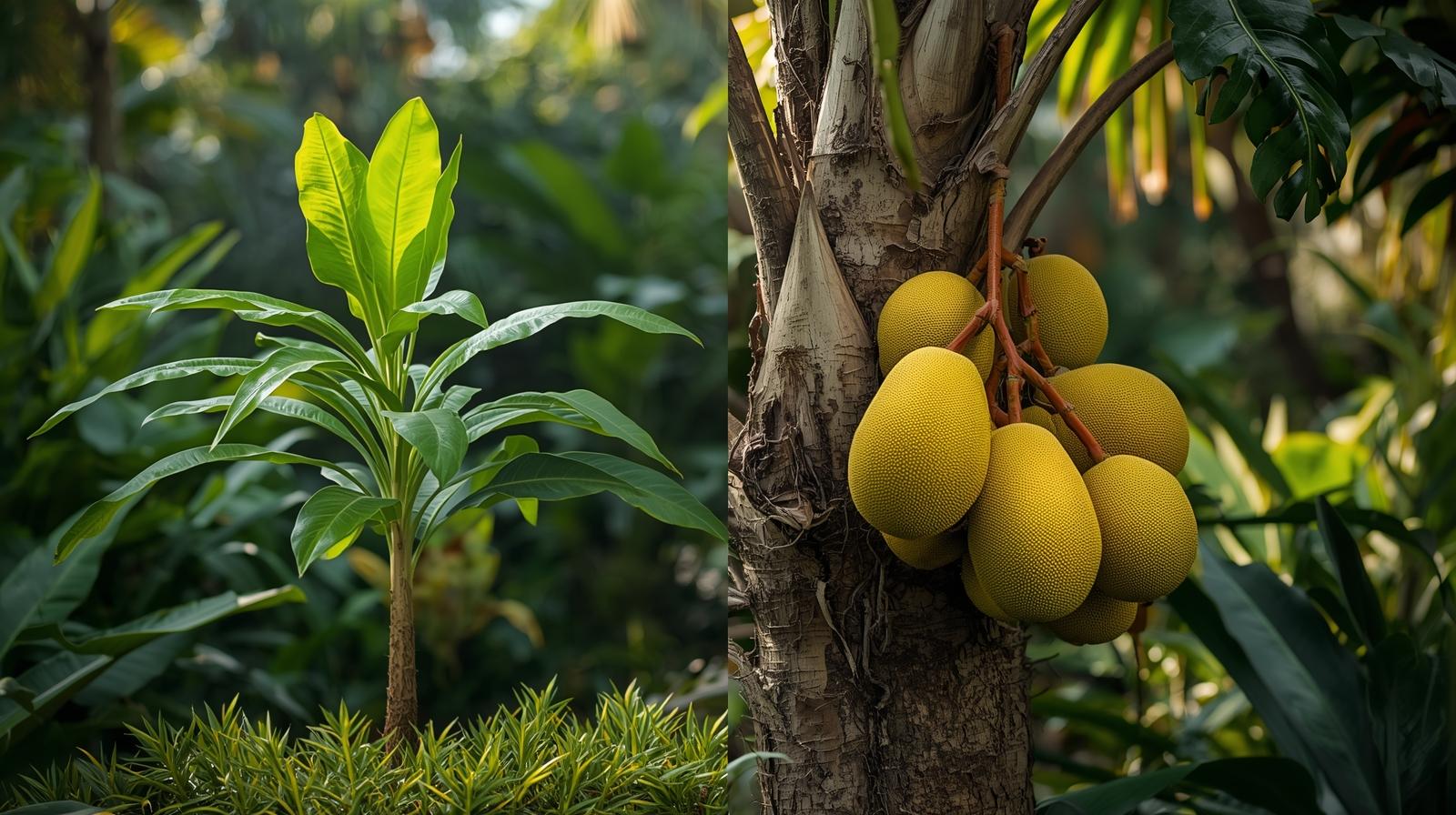
Breadfruit trees are fast-growing tropical evergreens. They feature large lobed leaves and thick trunks. Fruits develop directly on branches. Breadfruit differs from jackfruit in texture and flavor. The tree is valued for productivity and resilience. Breadfruit varieties vary in size and seed content. Dwarf types suit smaller spaces. Understanding plant structure helps in care.
Climate Needs for Breadfruit Trees
Breadfruit prefers warm climates without frost. Consistent temperatures support growth. High humidity enhances leaf development. Protection from strong winds is beneficial. Trees perform best in tropical zones. Adequate rainfall is necessary. Climate affects flowering and fruit size. Proper location selection improves survival.
Soil Preparation
Breadfruit requires rich, well-draining soil. Compost improves fertility and moisture retention. Raised beds help in heavy soils. Avoid compacted ground. Soil pH should be balanced. Proper preparation ensures strong roots. Healthy soil supports rapid growth. Good drainage prevents disease.
Propagation Techniques
Propagation is usually done via root cuttings. Suckers grow faster than seeds. Nursery saplings are recommended. Select healthy planting material. Proper propagation ensures uniform growth. Avoid diseased sources. Strong starts reduce failure rates. Propagation choice affects yield.
Planting Process
Dig wide planting holes. Space plants generously. Position saplings upright. Fill with enriched soil. Water thoroughly after planting. Mulch to conserve moisture. Avoid deep planting. Proper techniques ensure establishment.
Water Management
Breadfruit needs consistent watering. Young trees require more frequent irrigation. Mature trees tolerate mild drought. Avoid water stagnation. Mulching helps moisture retention. Monitor soil regularly. Balanced watering prevents stress. Healthy hydration supports fruiting.
Sunlight Requirements
Full sun promotes strong growth. Six to eight hours daily is ideal. Partial shade is tolerated when young. Sunlight affects fruit quality. Rotate container plants if needed. Avoid excessive shade. Proper light ensures productivity. Leaf color indicates light sufficiency.
Nutrient Management
Breadfruit benefits from organic fertilizers. Nitrogen supports leaf growth. Potassium enhances fruiting. Apply compost regularly. Avoid over-fertilization. Balanced nutrients improve yields. Organic feeding supports sustainability. Healthy nutrition builds resilience.
Pruning and Shape Control
Pruning maintains manageable height. Remove dead or crossing branches. Improve airflow and sunlight. Shape trees for easy harvesting. Use clean tools. Pruning reduces disease risk. Regular maintenance improves structure. Controlled growth benefits home gardens.
Pest and Disease Prevention
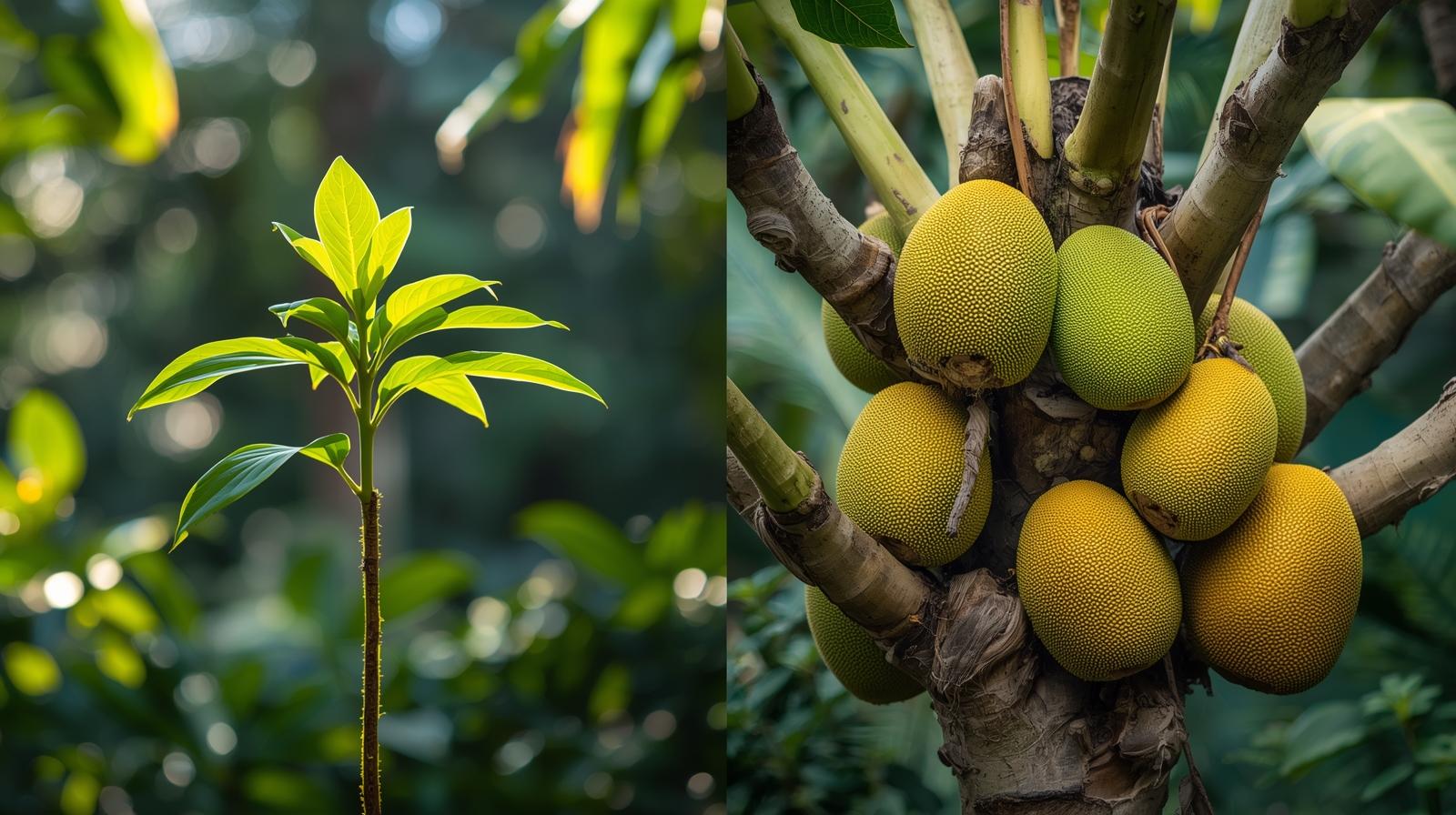
Breadfruit has few major pests. Monitor for insects regularly. Neem oil works effectively. Good sanitation prevents disease. Avoid overcrowding. Healthy trees resist pests naturally. Early detection prevents spread. Organic methods ensure safety.
Flowering Stage
Flowers appear before fruit formation. Healthy trees flower consistently. Adequate nutrients support blooming. Weather affects flowering timing. Flowers signal upcoming harvest. Monitor plant health. Flower development reflects care quality. Proper conditions ensure success.
Fruit Development
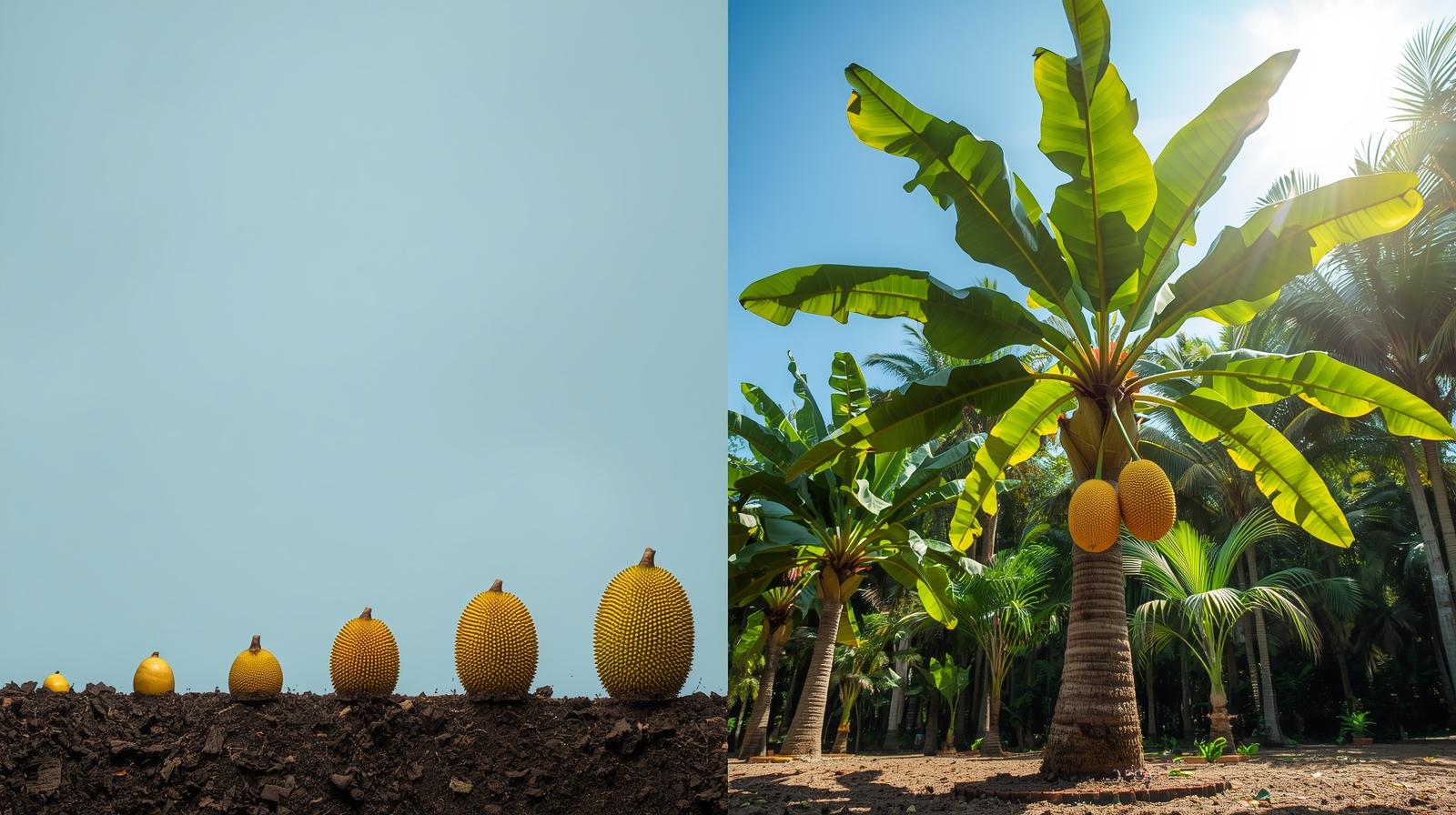
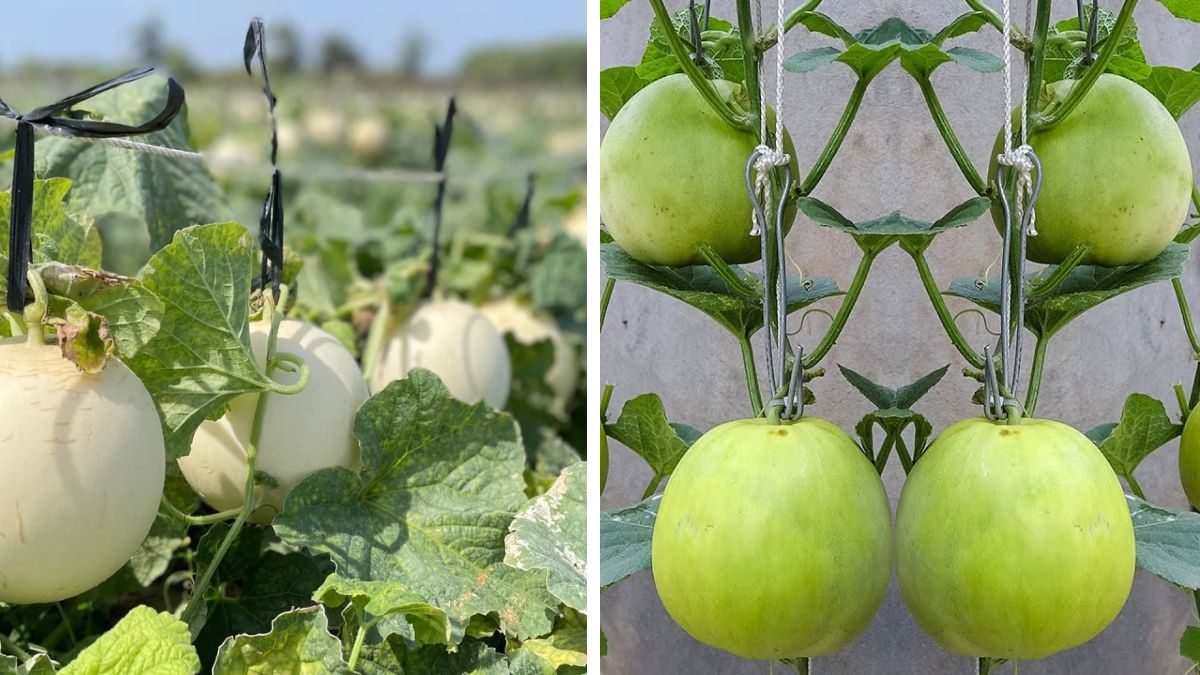
Fruits grow large over several months. Proper watering supports development. Thin fruits if overloaded. Protect from pests. Monitor size and color. Healthy fruits indicate strong trees. Consistent care ensures quality. Fruit formation is rewarding.
Harvesting Breadfruit
Harvest fruits when mature but firm. Use sharp tools. Avoid damaging branches. Handle fruits gently. Harvest timing affects taste. Regular harvesting improves productivity. Proper methods preserve quality. Harvest carefully for best results.
Post-Harvest Uses
Breadfruit can be cooked or processed. Storage requires cool conditions. Processing adds value. Fruits are versatile in cooking. Proper handling reduces waste. Consumption timing matters. Value-added products increase income. Breadfruit is highly nutritious.
Breadfruit Growing Care Table
Aspect
Best Practice
Climate
Warm frost-free areas
Soil
Rich well-drained soil
Sunlight
Full sun daily
Watering
Consistent moisture
Propagation
Root suckers preferred
Harvest
Mature green fruits
Benefits of Growing Breadfruit
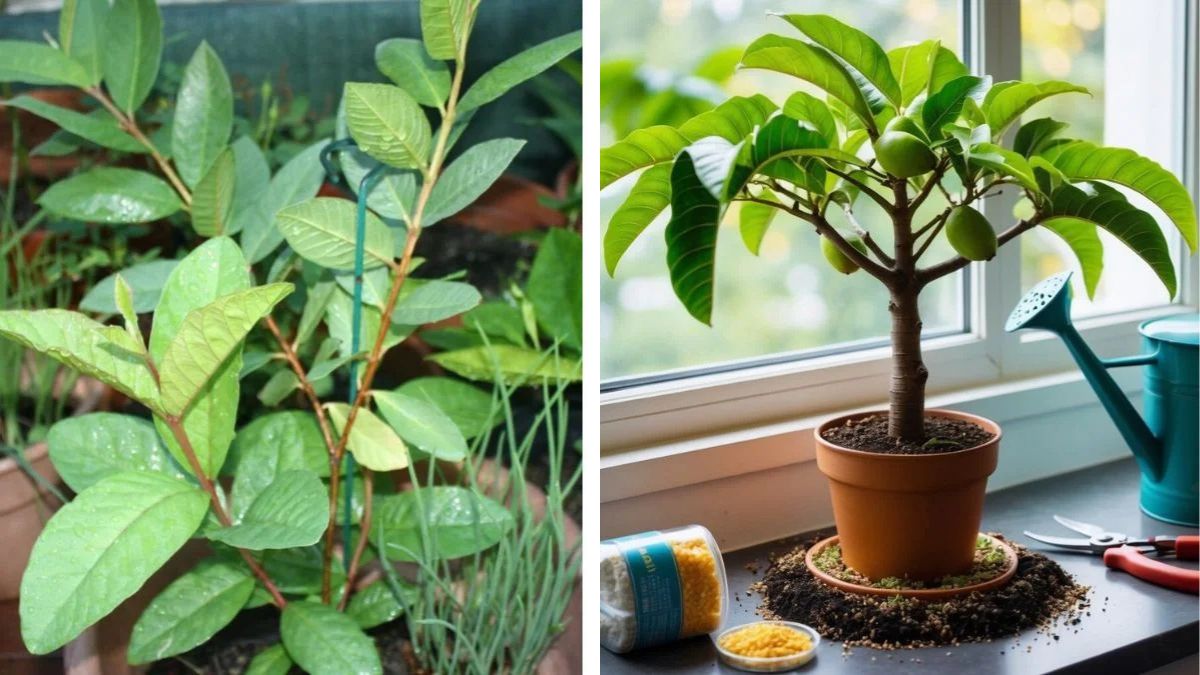
Breadfruit provides sustainable food. Trees enhance landscapes. Low maintenance saves time. High yields support families. Environmental benefits are significant. Breadfruit improves food security. Trees last for decades. Growing breadfruit is rewarding.
Common Problems and Solutions
Yellow leaves indicate nutrient deficiency. Poor drainage causes root issues. Lack of sunlight reduces fruiting. Proper care resolves problems. Monitoring prevents losses. Adjust practices as needed. Knowledge ensures success. Early action saves plants.
Economic and Home Gardening Value
Breadfruit suits commercial and home gardens. Minimal inputs increase profitability. Trees produce long-term yields. Market demand is rising. Home growers save food costs. Breadfruit supports sustainable income. Trees add property value. Economic potential is strong.
Conclusion
Growing breadfruit trees is practical and beneficial. Proper care ensures success. Climate, soil, and nutrition are key. Trees reward growers with abundant harvests. Sustainable practices enhance results. Breadfruit supports food security and ecology. Home gardeners and farmers benefit alike. Breadfruit cultivation is a wise investment.