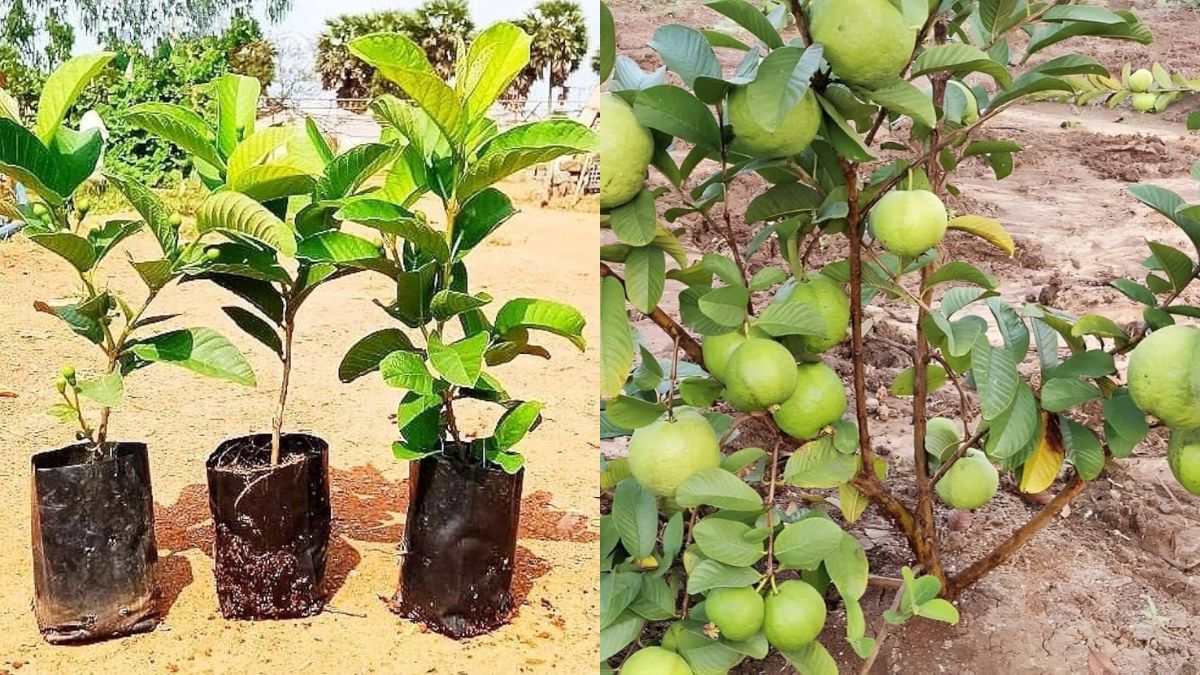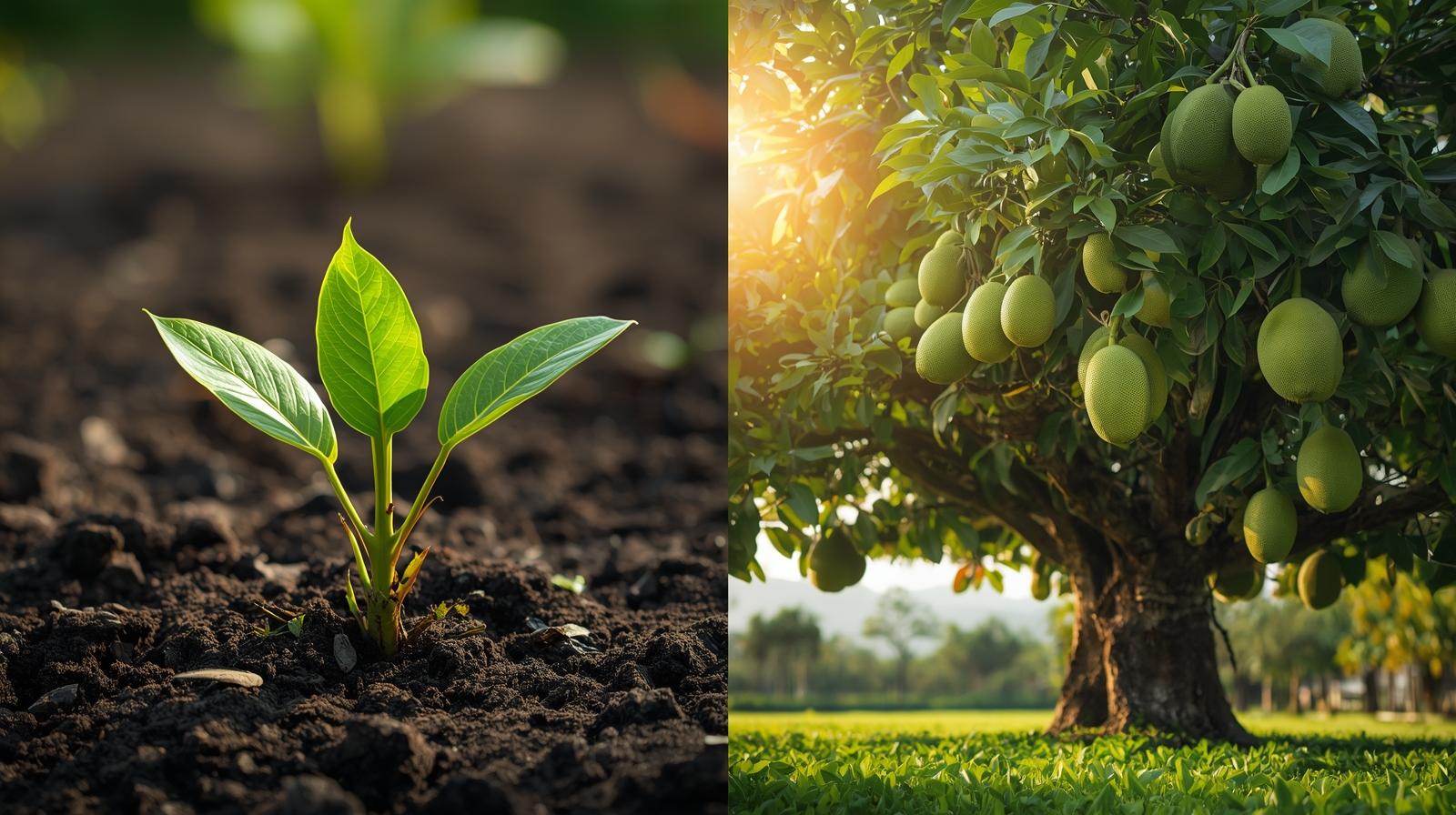
Introduction to Breadfruit Farming
Breadfruit farming is gaining popularity due to its high yield and nutritional value. The breadfruit tree is a tropical evergreen known for producing large, starchy fruits. These fruits are widely used as a food staple in many regions. Breadfruit trees thrive in warm climates and require minimal maintenance once established. Farmers prefer breadfruit because of its long lifespan and consistent fruiting. A single mature tree can produce hundreds of fruits annually. Breadfruit farming is suitable for home gardens and commercial plantations. Understanding proper cultivation methods ensures healthy trees and abundant harvests.
Understanding the Breadfruit Tree
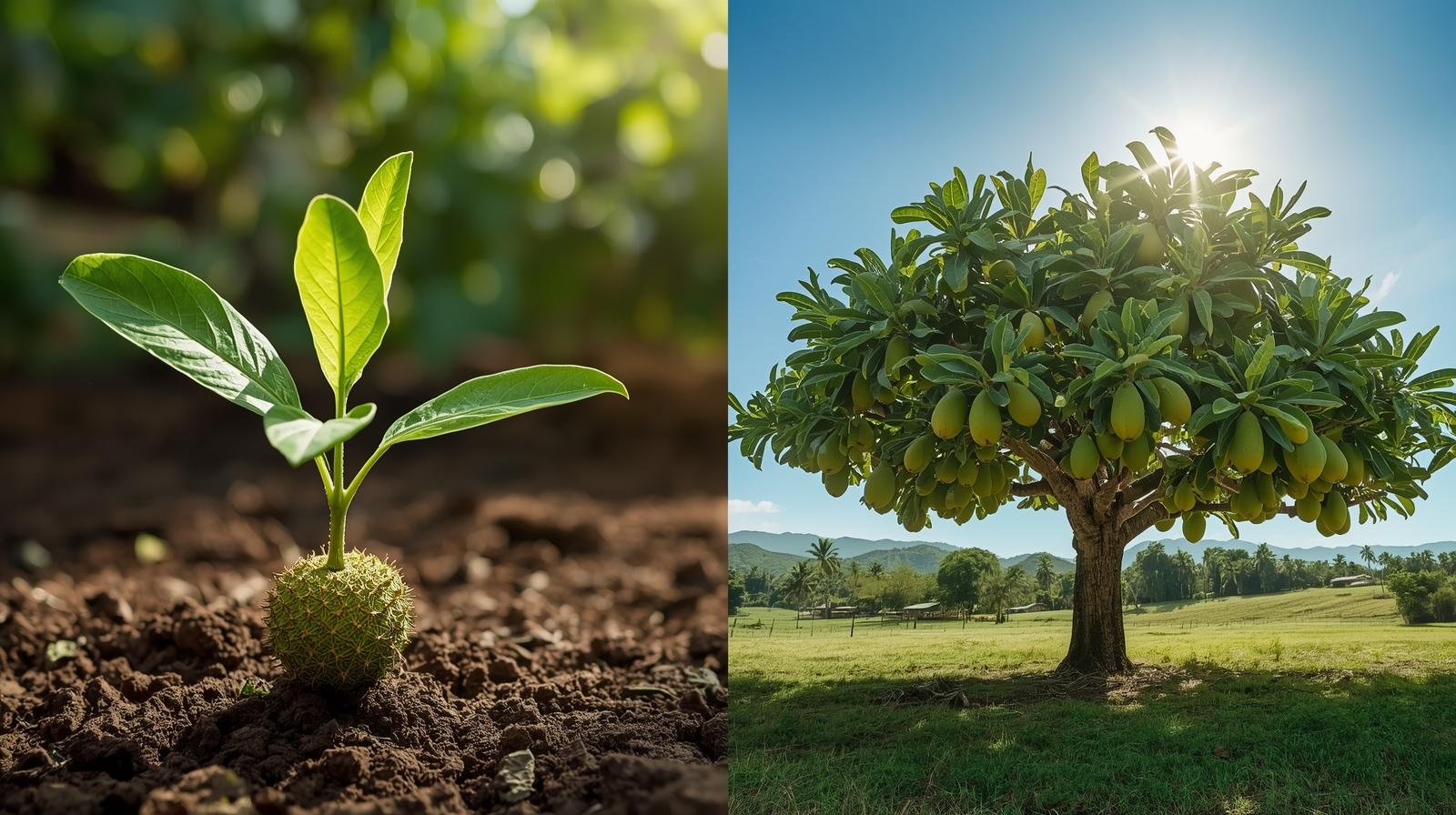
Breadfruit trees belong to the mulberry family and grow tall with broad green leaves. They develop a strong trunk and an extensive root system. The tree produces round or oval fruits with rough green skin. Breadfruit varieties may be seeded or seedless depending on region. Trees grow rapidly in favorable conditions and provide dense shade. The leaves contribute to soil fertility when decomposed. Breadfruit trees are also valued for erosion control. Their adaptability makes them ideal for tropical and subtropical regions.
Ideal Climate for Breadfruit Cultivation
Breadfruit thrives in warm, humid climates with temperatures between sixty-five and ninety-five degrees Fahrenheit. Frost can severely damage young trees. Consistent rainfall promotes steady growth and fruiting. Regions with well-distributed annual rainfall are ideal. Wind protection is important to prevent branch damage. Coastal and island climates suit breadfruit farming well. High humidity encourages leaf and fruit development. Proper climate selection reduces stress and disease risk. Climate awareness is crucial for successful farming.
Soil Requirements for Breadfruit Farming
Breadfruit grows best in deep, fertile, and well-draining soil. Sandy loam or loamy soil with organic matter is ideal. Soil pH should range from slightly acidic to neutral. Poor drainage can cause root rot and slow growth. Adding compost improves soil fertility and moisture retention. Raised beds can help in areas with heavy rainfall. Healthy soil supports strong root development. Soil preparation plays a key role in long-term productivity.
Propagation Methods for Breadfruit Trees
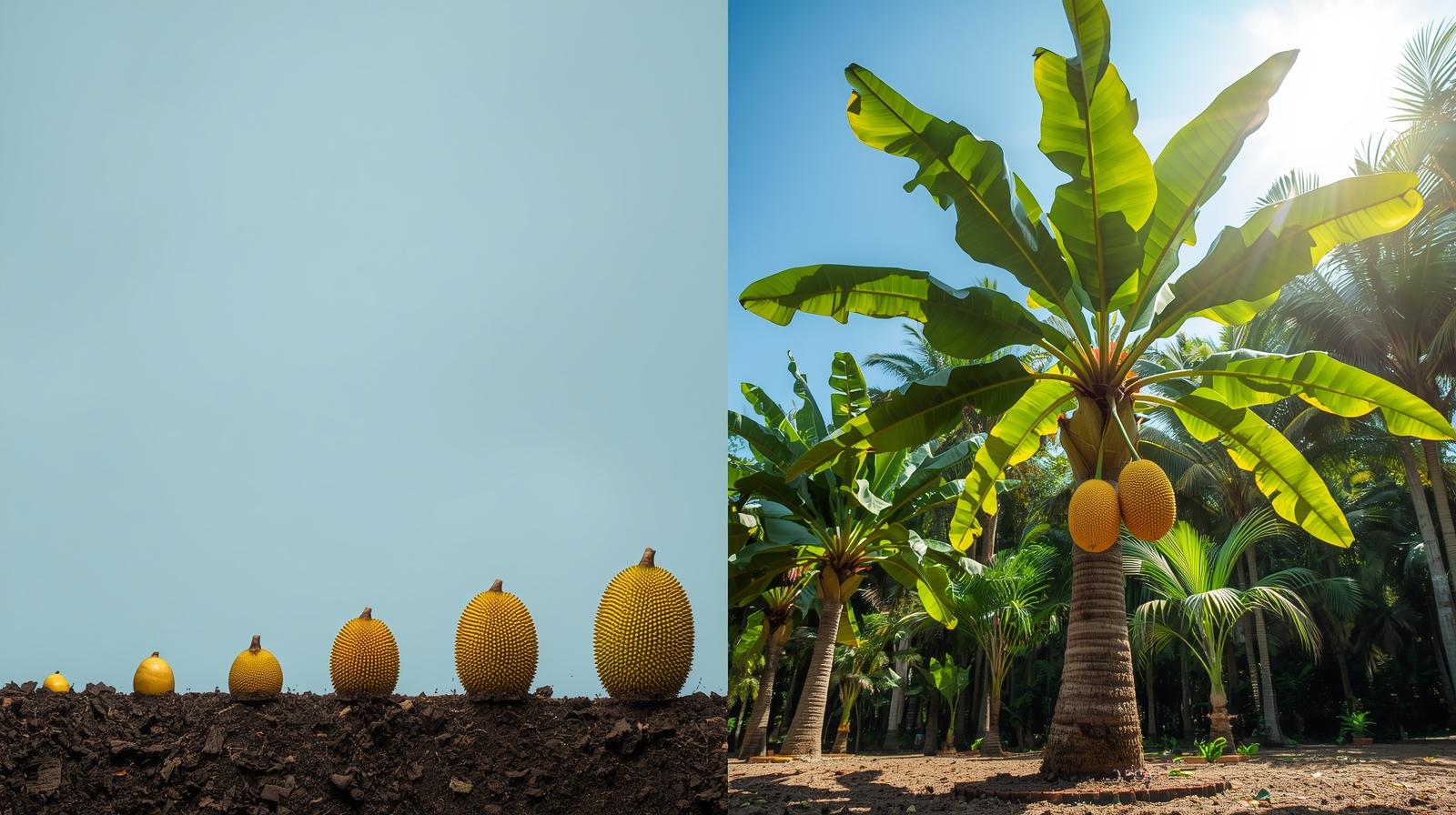
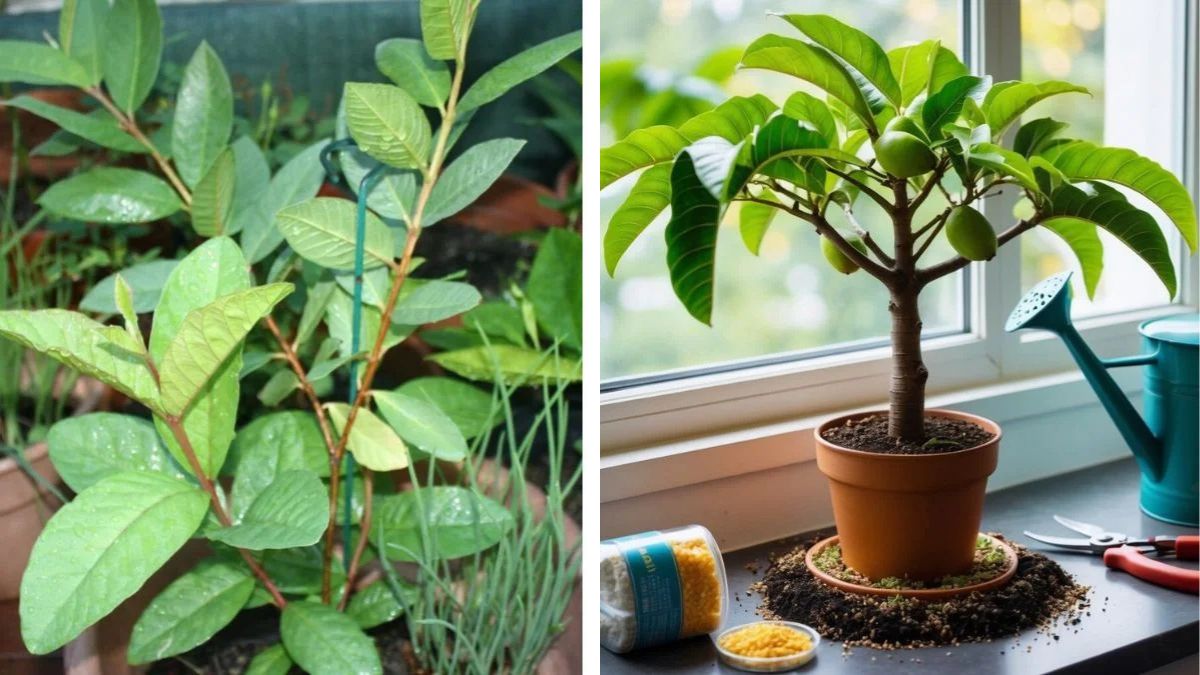
Breadfruit trees are commonly propagated through root suckers or root cuttings. Seed propagation is less common due to variability. Root suckers produce faster and more reliable growth. Select disease-free planting material from mature trees. Cuttings should be planted promptly to prevent drying. Nursery-grown saplings are ideal for beginners. Proper propagation ensures uniform fruit quality. Healthy starts lead to productive trees. Choosing the right method saves time and effort.
Planting Breadfruit Trees
Dig planting holes wide enough to accommodate roots comfortably. Space trees at least twenty-five to thirty feet apart. Place the sapling at the same depth as it grew previously. Fill the hole with enriched soil and compost. Water thoroughly after planting to remove air pockets. Mulching around the base helps retain moisture. Avoid planting during extreme heat or drought. Proper planting techniques ensure strong establishment.
Watering Requirements
Young breadfruit trees require frequent watering during establishment. Soil should remain moist but not waterlogged. Mature trees tolerate short dry periods. Drip irrigation helps maintain consistent moisture levels. Mulching reduces evaporation and improves soil health. Watering frequency depends on climate and soil type. Overwatering can cause fungal diseases. Balanced watering supports steady growth and fruiting. Regular monitoring prevents stress.
Fertilizing Breadfruit Trees
Breadfruit trees respond well to organic fertilizers. Compost, manure, and leaf mulch improve soil nutrition. Young trees benefit from nitrogen-rich fertilizers. Mature trees require balanced nutrients for fruit production. Fertilization should be done two to three times a year. Avoid excessive chemical fertilizers. Organic feeding improves long-term soil health. Proper nutrition increases yield and fruit quality.
Pruning and Tree Management
Pruning helps shape the tree and remove dead branches. Regular pruning improves airflow and sunlight penetration. Remove damaged or diseased limbs promptly. Pruning also controls tree height for easier harvesting. Use clean, sharp tools to prevent infections. Pruning should be done during dry seasons. Proper management promotes healthy growth. Well-maintained trees are more productive and resilient.
Pest and Disease Control
Breadfruit trees are relatively pest-resistant. However, insects like fruit flies and scale insects may appear. Regular inspection helps detect early infestations. Neem oil and organic sprays work effectively. Proper sanitation reduces disease spread. Avoid waterlogging to prevent root diseases. Healthy trees resist pests naturally. Integrated pest management ensures sustainability.
Flowering and Fruit Development
Breadfruit trees begin fruiting within three to five years. Flowers develop before fruit formation. Proper sunlight and nutrients support flowering. Fruits grow large and heavy over several months. Trees may produce multiple harvests annually. Thinning fruits improves size and quality. Healthy trees produce consistent yields. Flowering indicates successful cultivation.
Harvesting Breadfruit
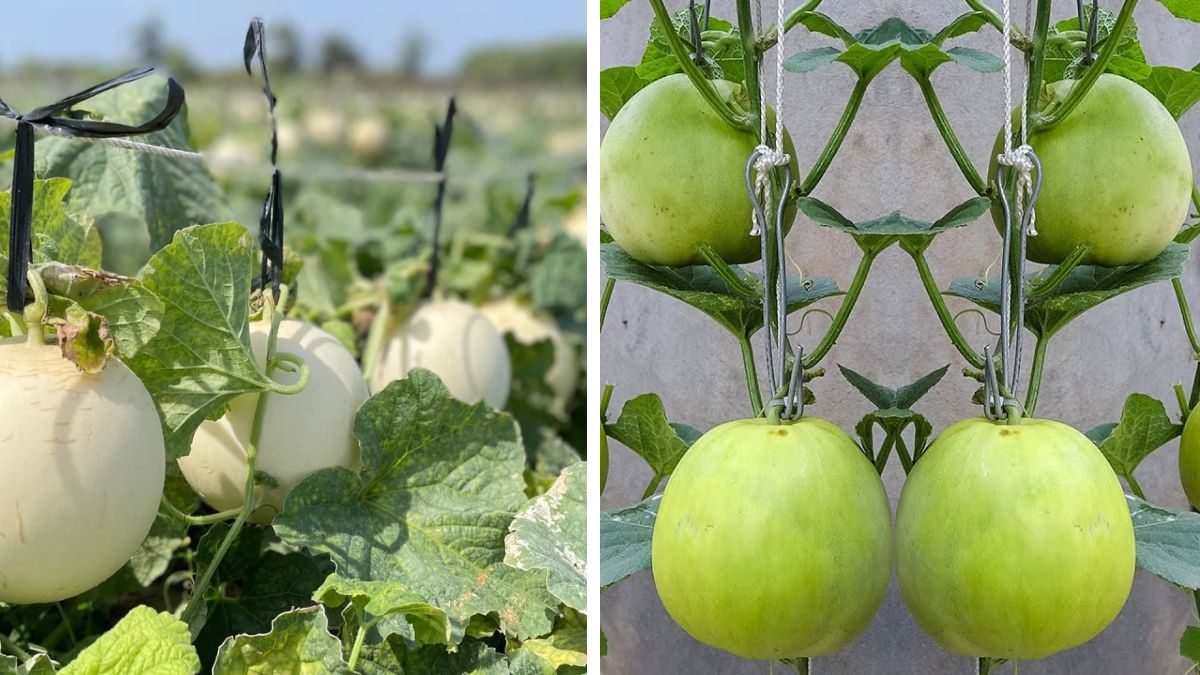
Breadfruit is harvested when mature but still green. Skin texture changes slightly at maturity. Harvest carefully to avoid damaging branches. Use sharp tools for clean cuts. Fruits should be handled gently to prevent bruising. Harvesting timing affects taste and texture. Regular harvesting encourages new fruit development. Proper techniques ensure quality produce.
Post-Harvest Handling
Breadfruit should be stored in cool, shaded areas. Fruits ripen quickly after harvest. Proper ventilation prevents spoilage. Processing can include cooking, drying, or freezing. Post-harvest care maintains quality. Timely consumption preserves nutritional value. Storage methods vary by region. Good handling practices reduce waste.
Benefits of Breadfruit Farming
Breadfruit is highly nutritious and rich in carbohydrates. It serves as a sustainable food source. Trees provide shade and environmental benefits. Farming breadfruit supports food security. Low maintenance reduces farming costs. Trees improve soil structure and biodiversity. Breadfruit farming is eco-friendly. Economic opportunities arise from value-added products.
Breadfruit Farming Care Table
Aspect
Recommended Practice
Climate
Warm tropical conditions
Soil
Deep fertile well-drained soil
Spacing
Twenty-five to thirty feet apart
Watering
Regular moisture without flooding
Fertilizer
Organic compost and manure
Harvest Time
Mature green stage
Challenges in Breadfruit Farming
Common challenges include climate sensitivity and pests. Poor drainage causes root problems. Strong winds can damage trees. Limited availability of planting material may occur. Proper planning minimizes challenges. Training improves farming success. Awareness ensures preparedness. Long-term care overcomes most issues.
Sustainability and Environmental Impact
Breadfruit farming supports sustainable agriculture. Trees reduce soil erosion. Minimal chemical input protects ecosystems. Long lifespan enhances land value. Trees sequester carbon effectively. Breadfruit contributes to climate resilience. Environmental benefits complement food production. Sustainable practices ensure long-term success.
Economic Potential of Breadfruit
Breadfruit has growing market demand. Processed products increase profitability. Low input costs improve margins. Trees produce for decades. Local and export markets are expanding. Breadfruit supports rural livelihoods. Value chains offer income opportunities. Farming breadfruit is economically viable.
Conclusion
Breadfruit farming is a rewarding agricultural practice. Proper planning ensures success. Climate, soil, and care determine productivity. Trees offer food security and income. Sustainable practices enhance benefits. With patience and dedication, breadfruit trees thrive. Home growers and farmers can benefit alike. Breadfruit cultivation supports future food systems.