Introduction: Why Fall Gardening Is a Smart Choice
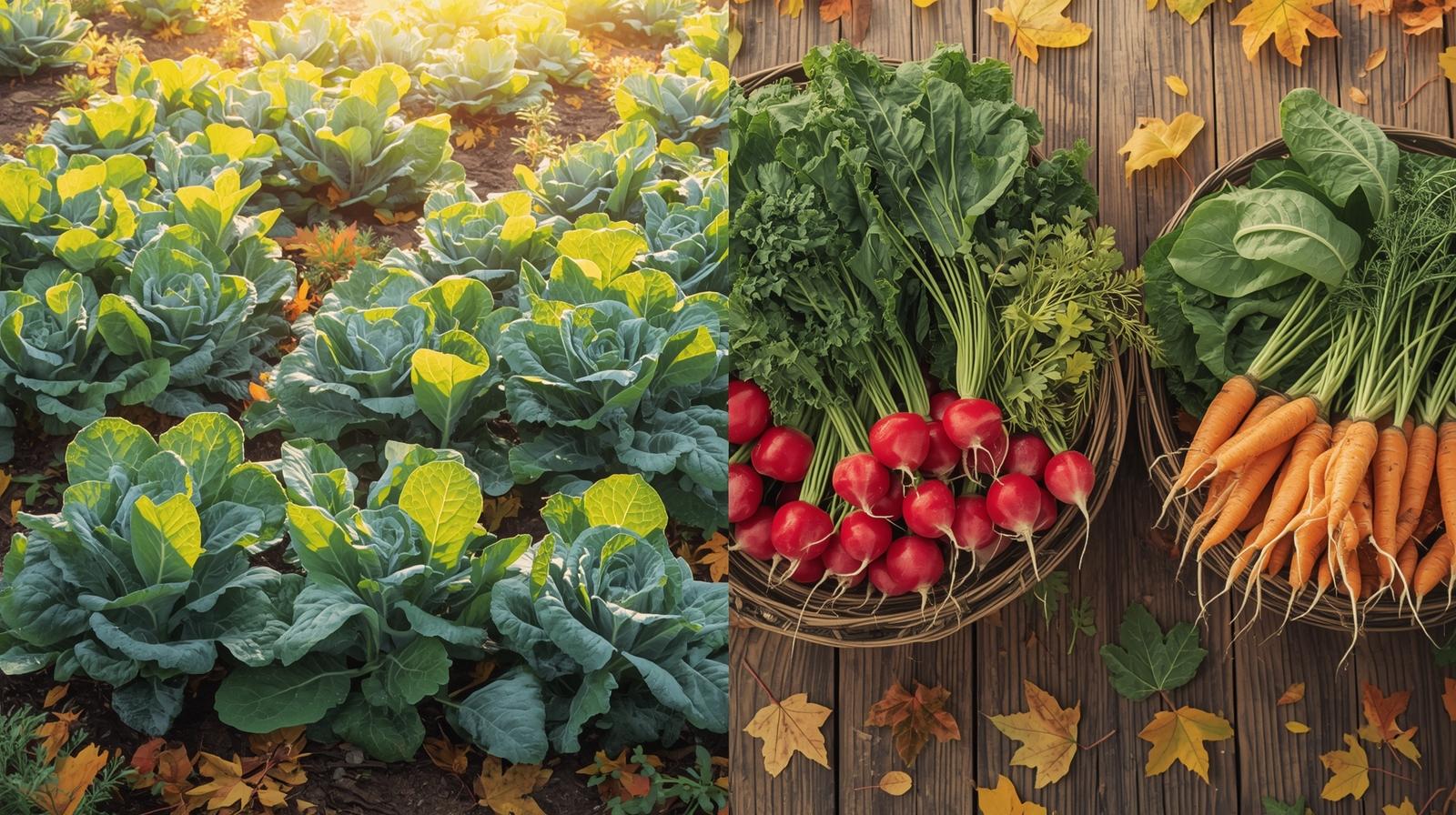
Fall gardening is often overlooked, yet it offers some of the most rewarding harvests for home gardeners. Cooler temperatures reduce pest pressure, slow weed growth, and create ideal conditions for leafy greens and root vegetables. As daylight hours shorten, many plants shift energy toward root and leaf development rather than flowering. This makes fall an excellent season for nutrient-dense vegetables with rich flavors. Gardeners can extend their growing season while maximizing space left after summer crops. Soil still holds warmth from summer, helping seeds germinate faster. With proper planning, fall gardens can be just as productive as spring plots. Understanding which vegetables thrive in these conditions is the key to success.
Understanding Cool-Season Growth Requirements
Cool-season vegetables prefer daytime temperatures between mild and cool ranges, allowing steady growth without heat stress. They are adapted to shorter days and can tolerate light frost without damage. Many of these crops develop sweeter flavors when exposed to cool nights. Moisture retention in fall soil also supports consistent root development. Unlike summer crops, these vegetables require less frequent watering. Proper spacing and sunlight exposure remain essential despite reduced daylight. Adding compost improves soil structure and nutrient availability. Choosing the right varieties ensures reliable harvests throughout the fall season.
Vegetable 1: Spinach – A Fall Garden Superstar
Spinach is one of the most reliable fall vegetables due to its rapid growth and cold tolerance. It thrives in cool weather and can withstand light frosts without losing quality. Leaves become more tender and flavorful when grown in fall conditions. Spinach requires well-drained soil rich in organic matter for best results. Regular harvesting encourages continuous leaf production. This leafy green is ideal for small gardens and containers alike. Spinach matures quickly, making it perfect for short growing windows. It is also packed with essential vitamins and minerals.
How to Plant and Care for Spinach in Fall
Plant spinach seeds directly into the garden about six to eight weeks before the first expected frost. Sow seeds shallowly and keep soil consistently moist for germination. Thin seedlings to allow proper airflow and leaf development. Mulching helps regulate soil temperature and retain moisture. Fertilize lightly with compost or balanced organic fertilizer. Protect plants with row covers during sudden cold snaps. Harvest outer leaves regularly to extend production. Proper care ensures a steady supply of fresh greens.
Vegetable 2: Carrots – Sweet Roots for Cool Weather
Carrots thrive in cool fall temperatures, developing sweeter flavors as nights grow colder. Shorter days slow growth slightly but improve texture and taste. Loose, well-drained soil is essential for straight, well-formed roots. Fall-grown carrots often have fewer pest issues than summer crops. They can remain in the ground until needed, even after light frosts. Carrots are versatile and suitable for both fresh eating and storage. Choosing shorter varieties helps ensure full maturity before deep winter cold. Consistent moisture is crucial during root development.
Growing Carrots Successfully in Fall Gardens
Prepare soil deeply to remove stones and clumps that can hinder root growth. Sow seeds directly and thin seedlings carefully to avoid overcrowding. Water evenly to prevent splitting or misshapen roots. Mulch lightly to maintain soil moisture and temperature. Avoid excessive nitrogen, which promotes leaf growth over root development. Monitor for pests such as carrot rust flies. Harvest when roots reach desired size for best flavor. Fall carrots store well when properly handled.
Vegetable 3: Kale – Hardy and Highly Nutritious
Kale is exceptionally cold-hardy and thrives as temperatures drop. Frost actually enhances its sweetness by converting starches into sugars. This leafy green continues producing even as daylight shortens. Kale grows well in garden beds, raised beds, and containers. It requires minimal maintenance once established. Regular harvesting of outer leaves promotes new growth. Kale is rich in antioxidants, vitamins, and minerals. Its resilience makes it a staple of fall and winter gardens.
Caring for Kale During Shorter Days
Plant kale seedlings or seeds in late summer for fall harvests. Provide full sun exposure for optimal leaf development. Water consistently but avoid waterlogged soil. Mulching helps protect roots from temperature fluctuations. Remove damaged leaves to maintain plant health. Use row covers to protect against extreme cold if needed. Harvest leaves when they are young and tender. Continued care ensures prolonged production.
Vegetable 4: Radishes – Fast and Flavorful Harvests
Radishes mature quickly, making them ideal for fall gardening. Cool temperatures prevent bitterness and promote crisp texture. They require minimal space and grow well between slower crops. Radishes can be harvested within weeks of planting. Shorter days do not significantly impact their development. They thrive in loose, fertile soil with good drainage. Regular watering ensures even root formation. Radishes add quick rewards to fall gardens.
Tips for Growing Radishes in Cooler Weather
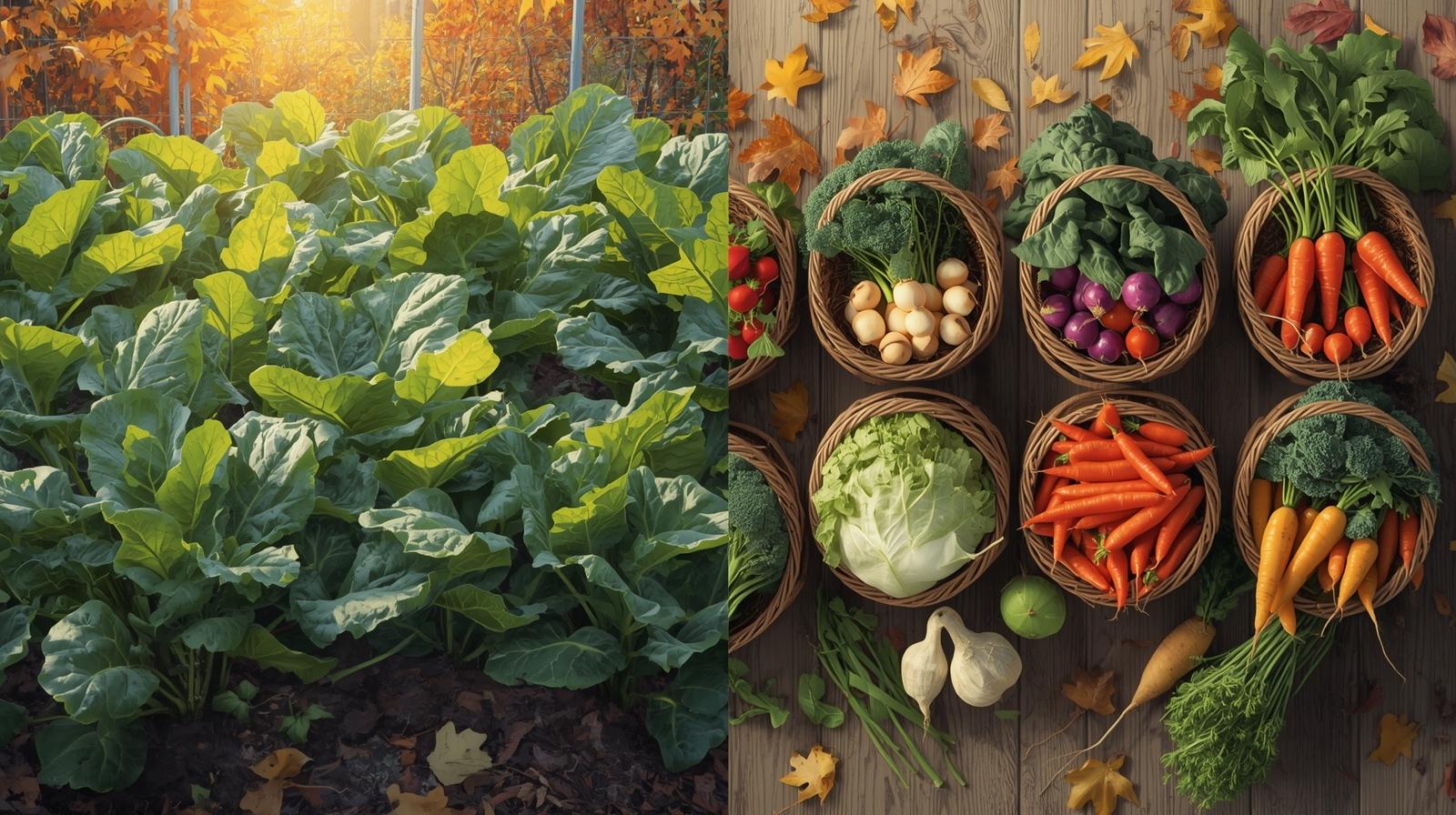
Sow radish seeds directly into the garden every few weeks for continuous harvests. Thin seedlings early to prevent overcrowding. Keep soil evenly moist to avoid pithy roots. Avoid excessive fertilizer, which encourages leaf growth over roots. Harvest promptly to maintain tenderness and flavor. Use radishes as companion plants to maximize space. Protect from pests with lightweight covers. Enjoy fresh harvests throughout fall.
Vegetable 5: Lettuce – Tender Leaves for Fall Salads
Lettuce thrives in cool weather, producing crisp and flavorful leaves. Fall conditions reduce bolting and bitterness. Many varieties are tolerant of light frost. Lettuce grows well in containers, raised beds, and garden plots. Shorter days slow growth slightly but improve quality. Regular harvesting encourages continuous production. Lettuce requires consistent moisture for tender leaves. It is ideal for beginner gardeners.
Growing Lettuce in Shorter Daylight Conditions
Plant lettuce seeds in partial to full sun locations. Keep soil moist but not waterlogged. Thin seedlings to allow proper airflow and leaf development. Use mulch to maintain soil moisture and temperature. Protect plants from heavy frost with row covers. Harvest outer leaves regularly to extend growth. Choose cold-tolerant varieties for best results. Fall lettuce provides fresh greens well into the season.
Table: Comparison of Fall Vegetables
| Vegetable | Cold Tolerance | Days to Harvest | Best Use | Container Friendly | | Spinach | High | Short | Fresh Greens | Yes | | Carrots | Moderate | Medium | Roots and Storage | Limited | | Kale | Very High | Medium | Leafy Greens | Yes | | Radishes | Moderate | Very Short | Quick Harvest | Yes | | Lettuce | Moderate | Short | Salads | Yes |