Introduction to Blueberries and Global Trade
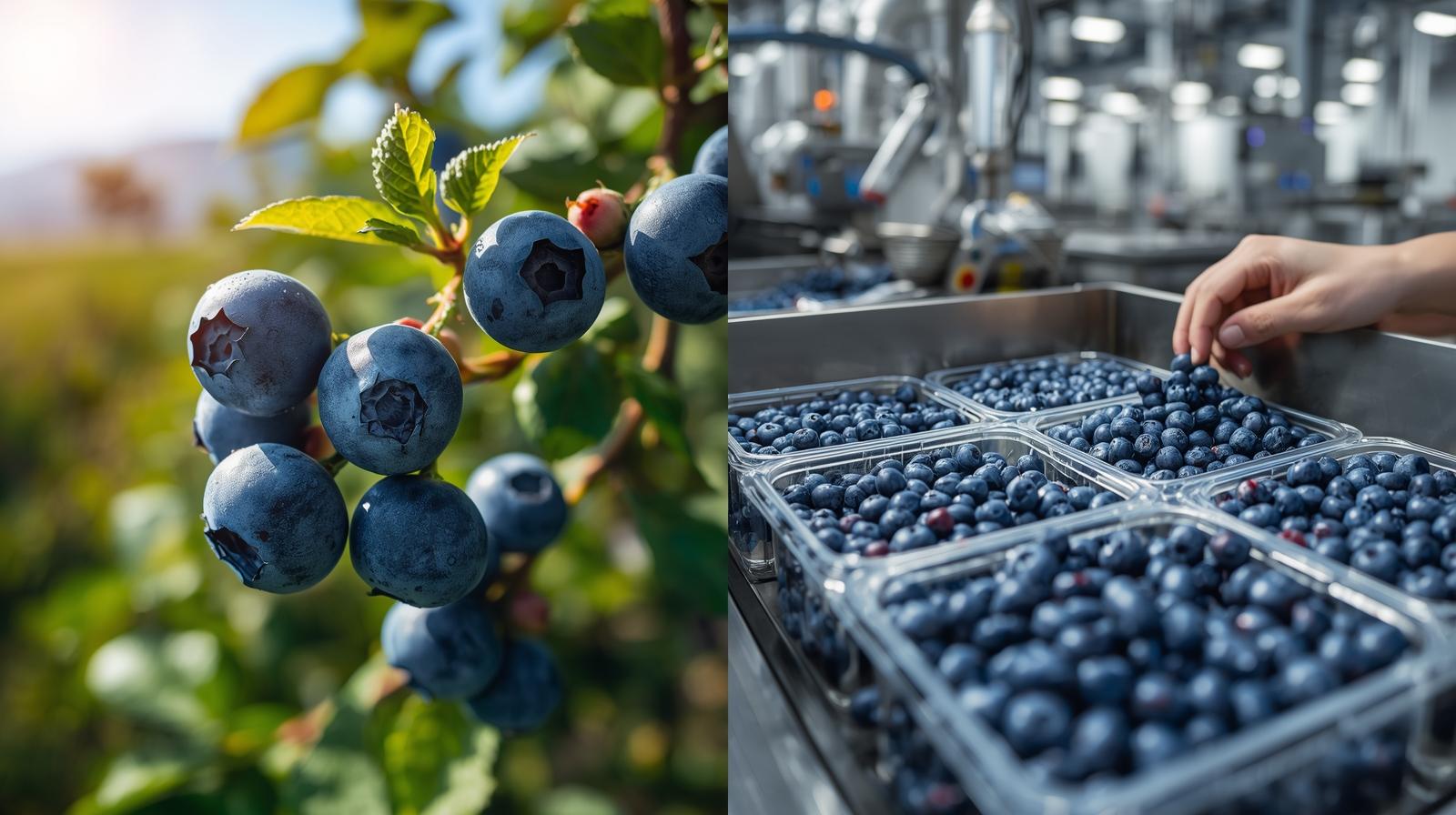
Blueberries (Vaccinium spp.) are nutrient-rich fruits celebrated for their antioxidants, vitamins, and culinary versatility. Increasing health awareness worldwide has boosted demand for fresh, frozen, and processed blueberries. Exporting countries play a crucial role in supplying global markets. Identifying the largest exporter helps farmers, traders, and consumers understand production trends. This article delves into current market leaders, production techniques, and reasons behind their dominance.
Nutritional Value and Culinary Significance
Blueberries are rich in vitamin C, vitamin K, fiber, and antioxidants. Regular consumption promotes heart health, cognitive function, and immunity. They are widely used in smoothies, baked goods, jams, and cereals. Their culinary appeal enhances global demand, making them a valuable export commodity. Both fresh and processed products contribute significantly to international trade. Nutritional awareness strengthens the blueberry market. Proper cultivation ensures maximum quality for export.
Historical Cultivation and Spread
Native to North America, blueberries have been cultivated for centuries. Early settlers recognized their health benefits and culinary potential. Modern cultivation expanded to Europe, South America, and Asia. Advances in hybrid varieties and greenhouse production increased yield and quality. Understanding cultivation history provides insights into current production strategies. The evolution of farming techniques supports large-scale exports. Knowledge of historical practices informs sustainable growth.
Global Blueberry Market Overview
The blueberry market includes fresh, frozen, and value-added products. Key importing regions include the United States, Europe, and Asia. Year-round availability is crucial for export competitiveness. Pricing depends on berry size, firmness, color, and flavor. Production schedules are tailored to meet global seasonal demand. Market demand encourages technological adoption and innovative farming techniques. Export volumes directly influence global blueberry pricing.
Ideal Growing Conditions for Blueberries
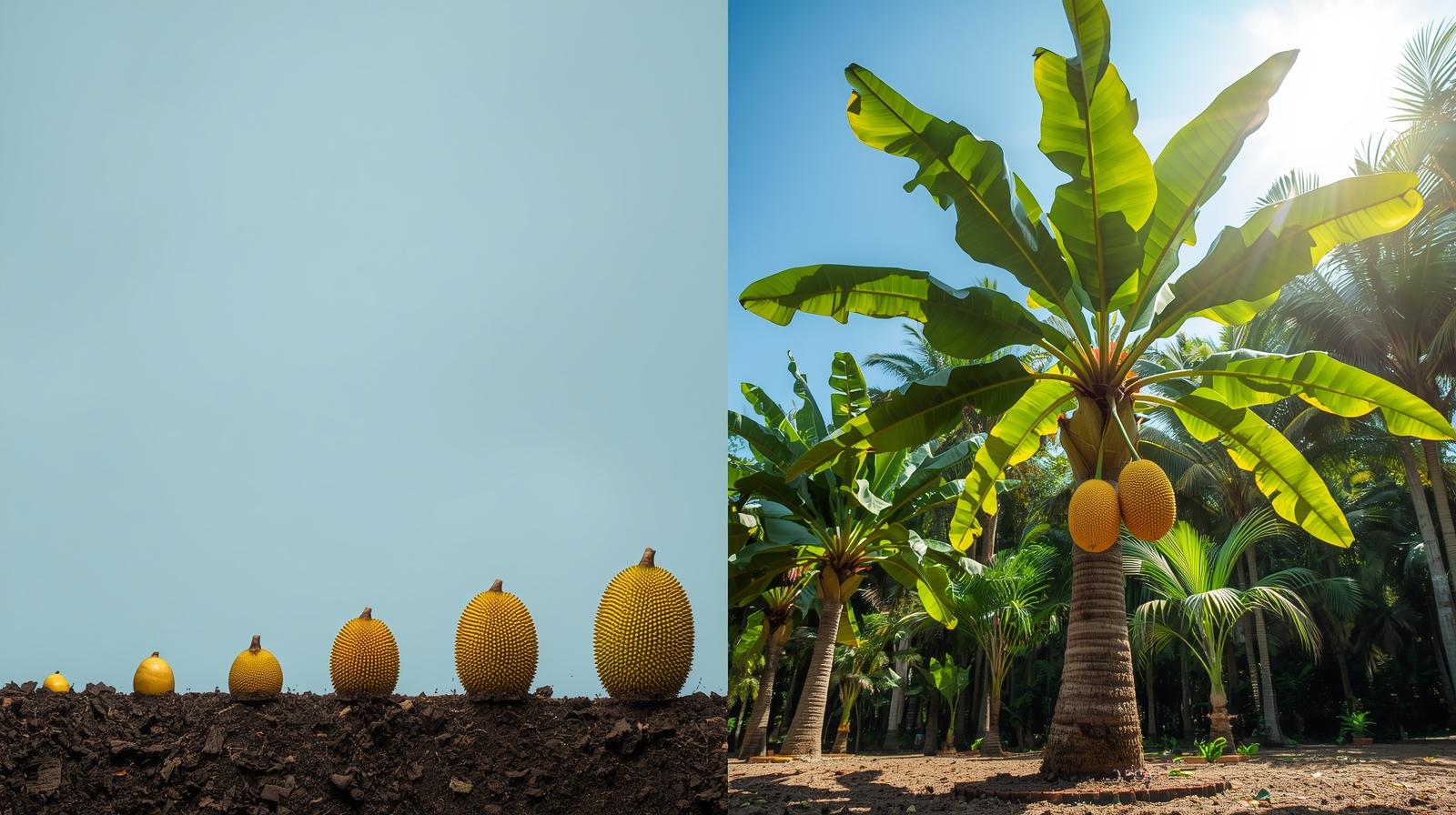
Blueberries thrive in acidic soil with a pH between 4.5 and 5.5. Well-draining, sandy loam soils enhance growth and fruit quality. Consistent moisture, full sunlight, and moderate temperatures are critical. Frost protection during flowering ensures high yields. Mulching helps retain soil moisture and prevent weed growth. Environmental conditions affect berry size, sweetness, and shelf-life. Correct cultivation techniques support premium export quality.
Leading Blueberry Producing Countries
Top blueberry-producing countries include the United States, Canada, Chile, and Peru. Among these, Chile currently leads as the largest global exporter. Chile’s production benefits from favorable southern hemisphere climate and advanced logistics. Other countries focus on domestic markets or limited seasonal exports. Production volume, quality, and export infrastructure define market leadership. Geographic and climatic advantages ensure year-round supply from Chile.
Why Chile Dominates Blueberry Exports
Chile’s southern hemisphere location allows off-season supply to northern hemisphere markets. Large-scale farms utilize modern irrigation and harvesting methods. Cold-chain logistics preserve berry freshness during international shipping. Government support and trade agreements enhance export efficiency. Chile focuses on high-quality production, meeting global standards. Its strategic location ensures consistent availability for export markets. Year-round production gives Chile a competitive advantage.
Popular Blueberry Varieties for Export
Highbush and rabbiteye varieties are most common for export. Highbush blueberries are preferred for fresh markets due to firmness and flavor. Rabbiteye types are used in processed products. Hybrid varieties increase disease resistance and yield. Variety selection impacts shelf-life, taste, and market acceptability. Export-oriented farms prioritize uniformity and berry size. Choosing the right cultivar maximizes profitability and market share.
Planting and Propagation Techniques
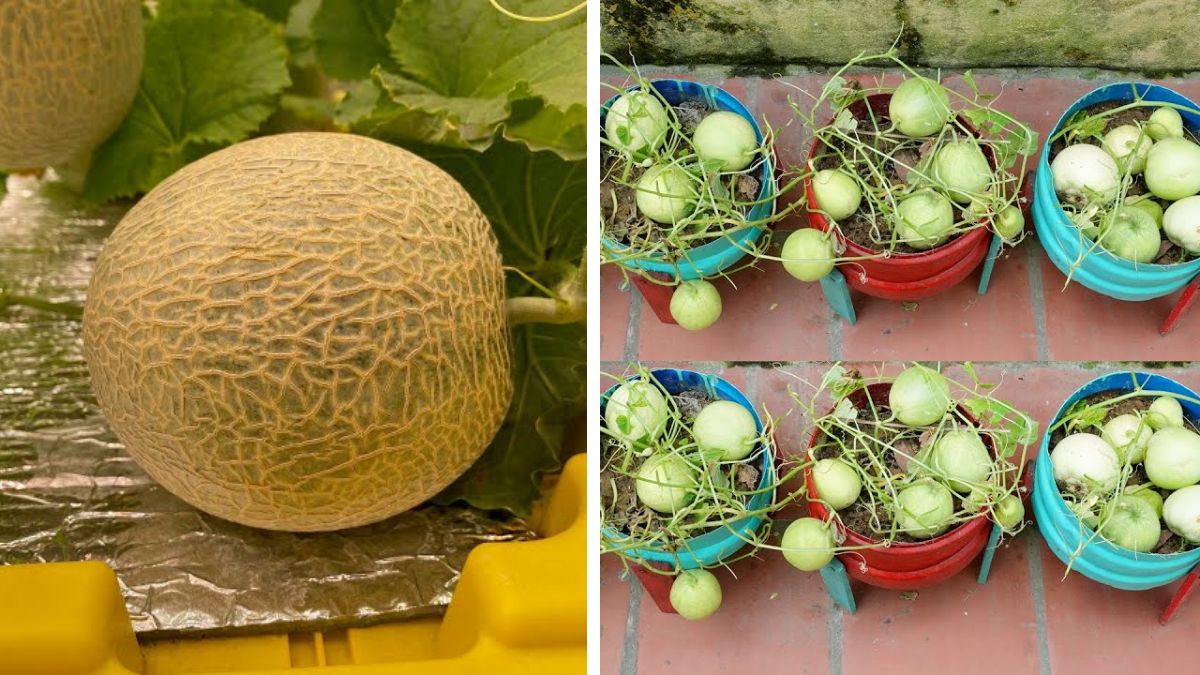
Blueberries propagate via cuttings, grafting, or tissue culture. Proper spacing ensures good air circulation and reduces disease risk. Young plants require careful watering and fertilization. Propagation ensures consistent quality and uniformity. Maintaining healthy plants from the start increases long-term productivity. Controlled propagation supports export-grade berries. Attention to detail in early stages prevents future yield losses.
Irrigation and Water Management
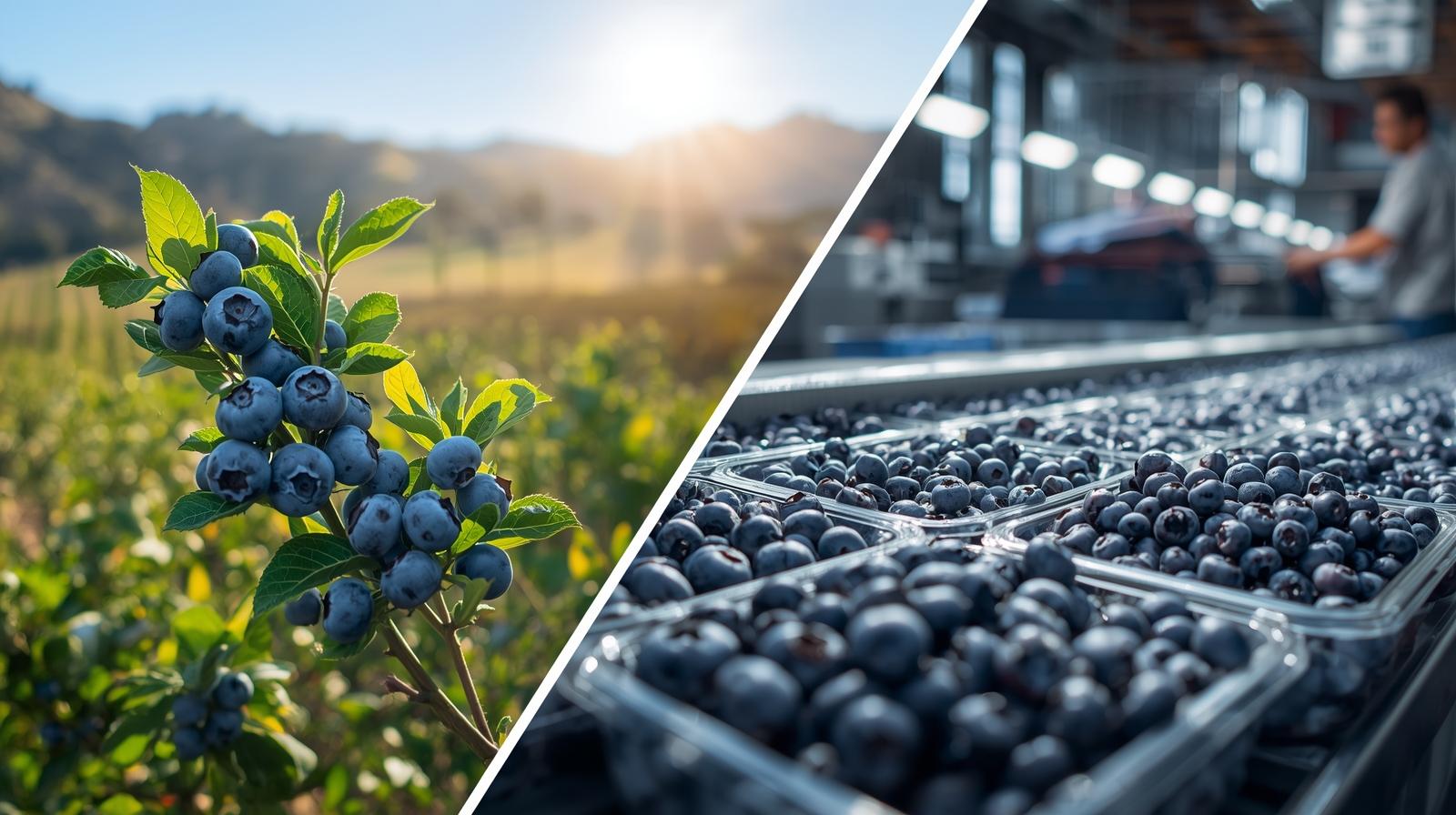
Blueberries require regular but controlled irrigation. Drip irrigation is preferred to avoid waterlogging. Mulching helps retain moisture and maintain soil temperature. Overwatering can reduce berry quality and increase disease susceptibility. Efficient water management ensures fruit firmness and sweetness. Seasonal adjustments are needed based on rainfall and temperature. Proper irrigation directly affects export-quality produce.
Fertilization Practices
Balanced fertilization supports vegetative growth and berry production. Nitrogen, phosphorus, potassium, and micronutrients are applied based on soil testing. Organic fertilizers improve soil health and berry quality. Fertilizer schedules align with growth stages to maximize yield. Excess fertilizer can damage roots and reduce export marketability. Nutrient management enhances both quantity and quality of berries. Fertilization contributes to premium export standards.
Pest and Disease Management
Common pests include aphids, mites, and fruit borers. Diseases like botrytis and root rot affect yield and quality. Integrated pest management combines monitoring, biological controls, and minimal chemical use. Regular pruning and sanitation reduce disease incidence. Healthy plants maintain export quality and reduce post-harvest losses. Effective pest control ensures compliance with international standards. Prevention is key to sustaining global competitiveness.
Harvesting Practices
Blueberries are hand-picked to avoid damage and maintain quality. Mechanical harvesting is used for processing purposes. Harvest timing affects sweetness, firmness, and shelf-life. Proper handling reduces bruising and spoilage. Early cooling and sorting maintain freshness for export. Careful harvesting ensures consistent market-ready berries. Labor-intensive harvesting preserves premium berry appearance. Accurate timing increases both yield and profitability.
Post-Harvest Handling and Processing
Immediate cooling after harvest preserves berry freshness. Sorting, grading, and packaging are critical for export quality. Controlled atmosphere storage extends shelf-life. Frozen blueberries provide year-round access to international markets. Efficient post-harvest practices prevent spoilage and maintain taste. Processing adds value through jams, juices, and dried berries. Proper handling supports premium pricing in global markets.
Export Logistics
Chile exports primarily to North America, Europe, and Asia. Ports, cold storage, and shipping schedules are optimized for freshness. Trade agreements and certifications facilitate global access. Export logistics determine market reach and competitiveness. Efficient supply chains ensure timely delivery and minimize loss. Transportation and storage conditions impact berry quality. Global logistics support Chile’s leadership in exports.
Economic Impact of Blueberry Exports
Blueberry export revenue supports farmers, processing units, and logistics sectors. Employment opportunities arise in cultivation, harvesting, processing, and distribution. Export income contributes significantly to rural economies. Market demand drives technological adoption and infrastructure development. Blueberries are a high-value cash crop in leading producing countries. Export-led growth strengthens the agricultural economy.

Environmental Sustainability
Sustainable blueberry farming reduces chemical use, water consumption, and soil degradation. Organic cultivation attracts eco-conscious consumers. Agroforestry practices preserve biodiversity while increasing resilience. Environmental stewardship ensures long-term productivity. Sustainable practices enhance global market reputation. Eco-friendly farming contributes to climate resilience and quality produce.
Future Trends in Blueberry Production
Global demand for blueberries is expected to grow due to health awareness and culinary trends. Organic, frozen, and value-added products will dominate markets. Technological advancements will improve yield, quality, and logistics. Southern hemisphere production will continue to fill seasonal gaps. Sustainability and quality will drive future competitiveness. Producers are adopting innovations to meet rising global demand.
Blueberry Export Summary Table
| Aspect | Details |
|---|---|
| Largest Exporter | Chile |
| Other Producers | USA, Canada, Peru |
| Main Export Markets | Europe, North America, Asia |
| Key Varieties | Highbush, Rabbiteye, Hybrids |
| Market Drivers | Health trends, year-round supply, processed products |
Conclusion
Chile’s climate, modern farming, and efficient logistics make it the largest global exporter of blueberries. Rising health trends and culinary use sustain international demand. Sustainable practices, proper harvesting, and post-harvest care ensure high-quality berries. Understanding global export trends helps farmers, traders, and consumers make informed decisions. Blueberries continue to be a premium, high-value fruit in international trade.